
Blog
Hydrocodone vs Oxycodone: Which Is Stronger? (Explained)


You have been prescribed an opioid pain medication, and someone tells you that another medication is much stronger. Perhaps your doctor has switched you from hydrocodone to oxycodone, leaving you wondering whether your pain treatment has changed significantly. These are common questions, especially when two medications have similar purposes but different levels of potency.
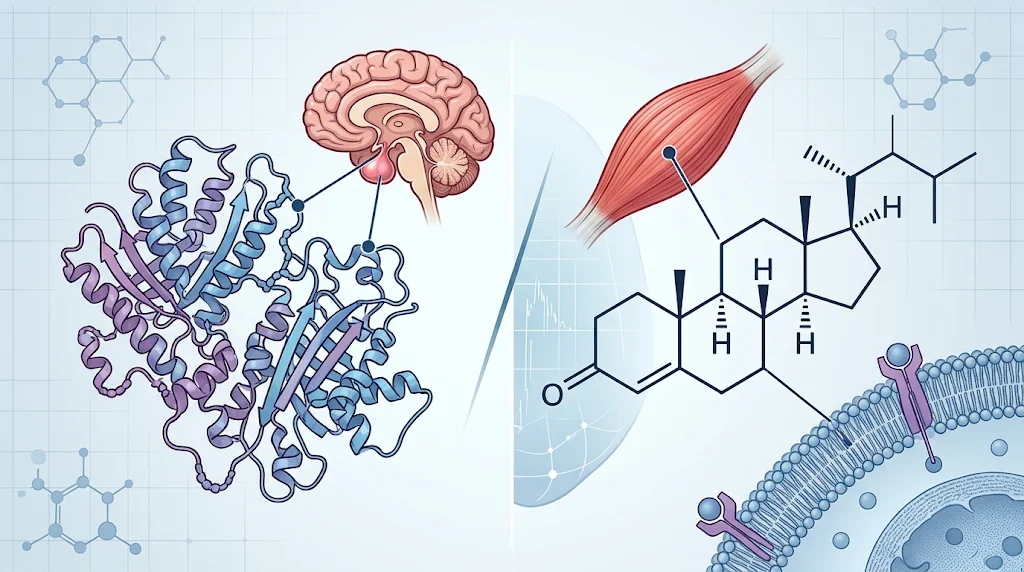
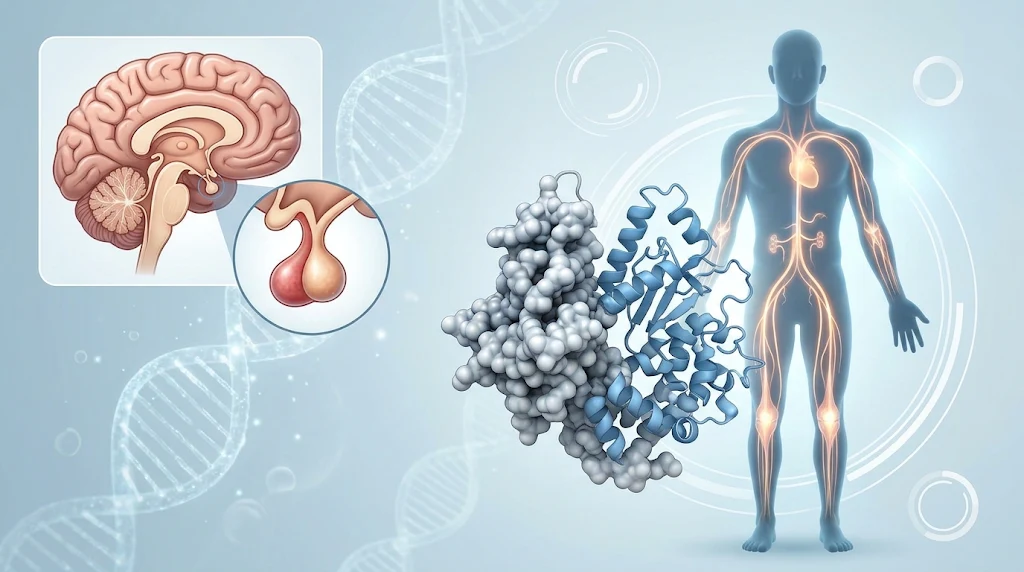
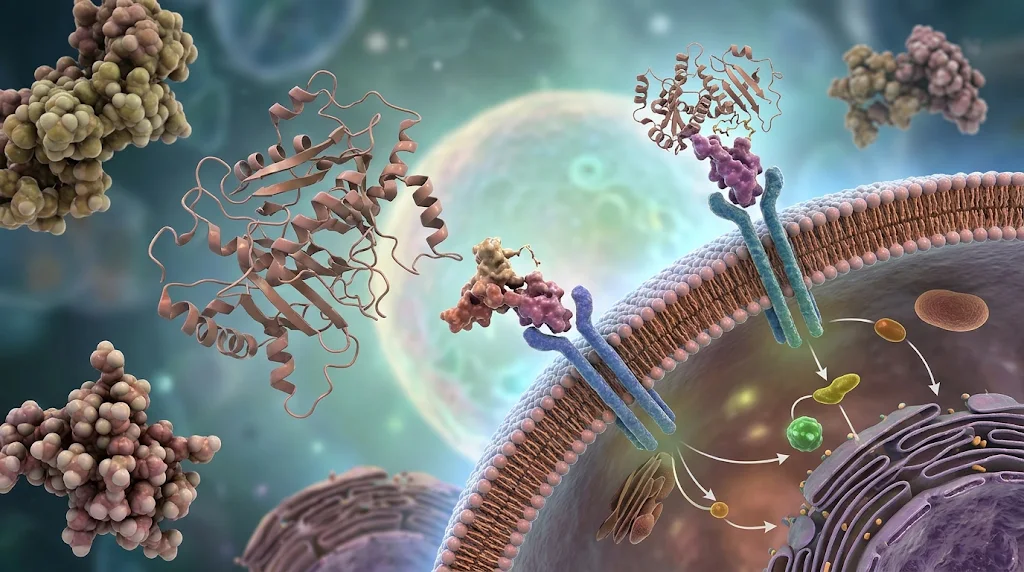
Hydrocodone and oxycodone are prescription opioid medications used to manage moderate to severe pain when other treatment options may not provide sufficient relief. Both work by binding to opioid receptors in the brain and nervous system, changing how the body perceives and responds to pain. Although they share a similar mechanism of action, they are not identical medications.
One of the biggest questions people ask is which drug is stronger. In general, oxycodone is considered more potent than hydrocodone at comparable doses. However, this does not automatically mean oxycodone is the better choice for every patient. Pain relief depends on several factors, including the type of pain, individual response, medical history, other medications, and the formulation prescribed.
The speed at which these medications work can also vary. Immediate-release oral formulations of both drugs often begin providing noticeable pain relief within approximately 30 to 60 minutes, although individual experiences differ. Extended-release formulations are designed to provide medication over a longer period and should not be compared directly with immediate-release products.
Both medications also carry important safety risks. Common side effects include nausea, constipation, dizziness, and drowsiness. More serious risks include slowed breathing, dependence, and potentially life-threatening overdose. Combining either medication with alcohol, sleeping pills, or other sedating substances can increase these dangers.
Another important consideration is that hydrocodone and oxycodone are sometimes combined with acetaminophen. Taking additional acetaminophen without checking the prescription ingredients can increase the risk of liver damage.
This guide compares hydrocodone and oxycodone, explaining their relative potency, typical onset of action, duration, side effects, and safety considerations. Understanding these differences can help you have a more informed conversation with your healthcare professional.
Remember: Stronger does not necessarily mean more effective or safer for you. Never switch between opioids or adjust your prescribed dose without guidance from your doctor or pharmacist.
Which Is Stronger?
Oxycodone is stronger than hydrocodone, milligram for milligram. Medical conversion charts, including the one used in CDC opioid guidance, treat 1 mg of oxycodone as roughly equal to 1.5 mg of morphine, and 1 mg of hydrocodone as roughly equal to 1 mg of morphine. In simple terms, oxycodone is about one and a half times as potent as hydrocodone per milligram.
But potency is only one piece of the story. Doctors do not pick a drug because it is stronger. They pick the drug and dose that treat your pain with the lowest risk. Both medicines can relieve severe pain, and both can cause overdose.
Meet the Two Medicines
What Is Hydrocodone?
Hydrocodone is a semi-synthetic opioid made from codeine. In immediate-release form in the United States, it is sold only in combination with another drug, most often acetaminophen (for example Norco or Lortab), ibuprofen, or homatropine for cough. A single-ingredient extended-release version also exists for around-the-clock treatment of severe chronic pain.
Hydrocodone is a Schedule II controlled substance.
What Is Oxycodone?
Oxycodone is a semi-synthetic opioid made from thebaine, another compound found in the opium poppy. It is available as a single-ingredient immediate-release tablet or liquid (such as Roxicodone), as an extended-release tablet (OxyContin), and in combination with acetaminophen (Percocet and Endocet) or aspirin.
Oxycodone is also a Schedule II controlled substance.
What Does “Stronger” Really Mean?
People use the word “stronger” in several ways. It helps to separate them.
Potency: How Much Drug Do You Need?
Potency describes how much of a drug is needed to produce a certain effect. A more potent drug works at a smaller dose. By this measure, oxycodone is more potent than hydrocodone. A 5 mg oxycodone tablet delivers more opioid effect than a 5 mg hydrocodone tablet.
Efficacy: How Well Does It Relieve Pain?
Efficacy describes the maximum benefit a drug can provide. For pain relief, studies comparing the two drugs at equivalent doses generally find similar pain control. If a hydrocodone dose and an oxycodone dose are matched for potency, most patients get comparable relief.
This is the most important point in this article. A higher potency number does not mean the drug works better for your pain. It only means the dose is smaller.
Safety: How Risky Is It?
Safety depends on dose, your health, and what else you take. A larger milligram number does not tell you which drug is riskier. A dose that is safe for one person may be dangerous for another, especially someone who has not taken opioids before.
Understanding Morphine Milligram Equivalents (MME)
Doctors compare opioids using a tool called morphine milligram equivalents, or MME. It converts different opioids into the amount of morphine that would have a similar effect.
- Hydrocodone: conversion factor of 1
- Oxycodone: conversion factor of 1.5
- Morphine: conversion factor of 1 (the reference)
For example, 10 mg of hydrocodone equals about 10 MME, while 10 mg of oxycodone equals about 15 MME.
MME helps clinicians track your total daily opioid exposure. Higher daily MME is linked with a higher risk of overdose. Please do not use these numbers to switch between drugs on your own. Real-life conversions depend on many factors, and a switch should always be planned by your prescriber.
Side-by-Side Comparison
How Fast Do They Work?
Immediate-release forms of both drugs usually begin working within about 20 to 60 minutes. Pain relief typically peaks around one to two hours after a dose. Oxycodone is absorbed slightly more completely from the gut, so it may act a little faster for some people. The difference is usually small.
How Long Do They Last?
Immediate-release tablets of both drugs generally relieve pain for about four to six hours. Extended-release versions are built to last much longer, often twelve hours or more.
Available Forms
- Hydrocodone: combination tablets and liquids, plus extended-release hydrocodone
- Oxycodone: immediate-release tablets, capsules, and liquid; extended-release tablets; combination tablets with acetaminophen
Oxycodone offers more flexibility because it comes as a single ingredient. This can matter for someone who needs an opioid but should avoid acetaminophen.
How the Body Processes Them
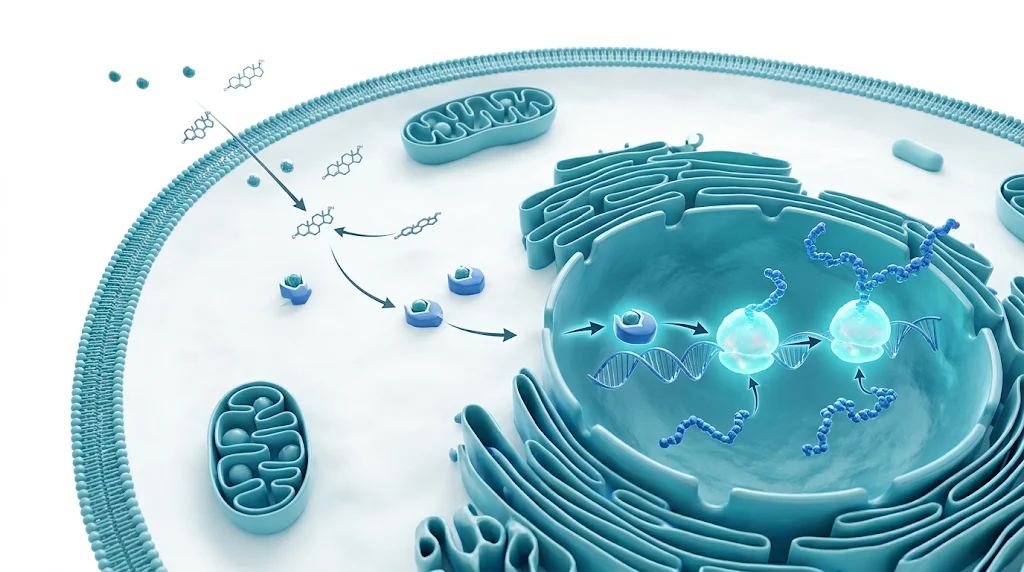
Both drugs are broken down by liver enzymes, mainly CYP3A4 and CYP2D6. Medicines that block or boost these enzymes can change how strong either drug feels. Examples include some antibiotics, antifungals, and HIV medicines. A pharmacist can check your list for interactions.
In the body, hydrocodone is partly converted to hydromorphone, and oxycodone is partly converted to oxymorphone. These breakdown products are potent opioids themselves. People differ in how quickly they make them, which is one reason two people can feel very different effects from the same dose.
Do They Relieve Pain Differently?
For most patients with short-term pain, the two drugs perform similarly when the dose is matched. Doctors sometimes choose one over the other for practical reasons:
- Past response: If one drug worked well for you or caused fewer side effects, your doctor may stay with it.
- Combination needs: Hydrocodone with acetaminophen is a common starting point after minor surgery or dental work.
- Hospital protocols: Many hospitals have standard orders for one or the other.
- Insurance and availability: Coverage rules can influence the choice.
If your pain is severe, ask whether the plan includes non-opioid medicines too. Combining opioids with acetaminophen or ibuprofen, when safe for you, often allows a lower opioid dose.
Side Effects: Are They Different?
The side effects of hydrocodone and oxycodone overlap almost completely.
Common to Both
- Drowsiness and dizziness
- Nausea and vomiting
- Constipation
- Itching
- Dry mouth
- Headache
- Confusion, especially in older adults
Serious Effects Shared by Both
- Slowed or stopped breathing
- Dangerously low blood pressure
- Severe allergic reactions
- Seizures in some people
- Adrenal insufficiency with longer use
- Serotonin syndrome when combined with certain other medicines
Some people report that one opioid upsets their stomach more than the other, or causes more itching. These differences are individual and cannot be predicted in advance. If you have a bad reaction to one, tell your doctor so the next prescription can be chosen more carefully.
Risks of Dependence and Overdose
Both drugs carry a boxed warning for addiction, abuse, and misuse, along with life-threatening respiratory depression. Both can cause physical dependence after repeated use.
Some research suggests oxycodone may have a somewhat higher potential for misuse in certain studies, which is partly why extended-release oxycodone is closely monitored. Even so, no opioid is risk-free. Hydrocodone is responsible for a large number of prescriptions and, therefore, many overdoses and cases of misuse as well.
What Raises Overdose Risk
- Taking more than prescribed or taking doses too close together
- Drinking alcohol
- Combining the opioid with benzodiazepines, sleep aids, or other sedatives
- Crushing or chewing extended-release tablets
- Having sleep apnea or lung disease
- Being new to opioids
- Taking someone else’s medicine
Naloxone
Naloxone is a rescue medicine that can reverse an opioid overdose. Some forms are now available over the counter in the United States. Ask your pharmacist about keeping naloxone at home whenever you are prescribed an opioid. Always call emergency services as well.
Drug and Alcohol Interactions
Hydrocodone and oxycodone interact with the same groups of substances:
- Alcohol
- Benzodiazepines such as alprazolam and lorazepam
- Other opioids
- Sleep medicines and muscle relaxants
- Gabapentin and pregabalin
- Some antidepressants and migraine drugs (serotonin risk)
- Drugs that affect CYP3A4, including certain antibiotics and antifungals
If your list changes, even by one medicine, check with your pharmacist before your next dose.
Who Might Be Given One Instead of the Other?
Doctors consider your whole health picture. These factors often matter:
Kidney and Liver Health
Anyone with kidney or liver disease needs careful dose selection with any opioid. Products that contain acetaminophen may be avoided in people with liver disease or heavy alcohol use. Single-ingredient oxycodone can be an option in that situation, if an opioid is truly needed.
Age
Older adults are more sensitive to opioids, and lower starting doses are common. Both drugs can cause falls and confusion.
Allergies and Past Reactions
A true allergy to one opioid does not always rule out another, but your doctor will want to know your history.
Other Medicines
Drug interactions can tip the balance. If you take medicines that affect liver enzymes, your doctor may choose the drug and dose that fit best.
Pregnancy and Breastfeeding
Both drugs raise concerns for newborns. Discuss plans for pregnancy or nursing before starting either one.
Is a Stronger Opioid Ever Better?
Sometimes a higher-potency drug is chosen because pain is intense and a smaller pill or smaller liquid volume is easier to take. In other cases, a lower-potency option is safer because it offers finer control and fewer chances of an excess dose.
Guidelines from the CDC encourage clinicians to use the lowest effective dose for the shortest time and to try non-opioid options first for many types of pain. A stronger drug is not a goal. Relief with the least risk is.
Safety Tips for Either Medicine
- Take it exactly as prescribed.
- Do not combine it with alcohol or sedatives.
- Keep a list of everything you take and share it with your care team.
- Store it in a locked place away from children, pets, and visitors.
- Never share your tablets or take someone else’s.
- Do not drive until you know how it affects you.
- Ask about a plan for stopping, especially after more than a few days of use.
- Dispose of leftovers through a take-back program.
Non-Opioid Options Worth Discussing
Before or alongside an opioid, ask your doctor about:
- Acetaminophen or ibuprofen, taken as directed
- Cold and heat therapy
- Physical therapy
- Nerve blocks and local anesthetics
- Medicines for nerve pain
- Relaxation, breathing, and pain-coping training
These choices can reduce how much opioid you need, or sometimes remove the need altogether.
When to Call Your Doctor
Talk to your doctor if your pain is not controlled, if side effects are hard to handle, if you feel the urge to take more than prescribed, or if you are thinking about stopping after long-term use. If you ever notice slow breathing, blue lips, or extreme sleepiness in yourself or someone else, call emergency services immediately.
Conclusion
So, which is stronger, hydrocodone or oxycodone? Oxycodone is about one and a half times more potent per milligram. That does not make it better at relieving pain. At matched doses, they perform similarly, and they share nearly the same side effects and risks.
The best opioid is the one your doctor selects for your condition, at the lowest dose and shortest duration that works. If you are unsure why you were given one over the other, ask. A good prescriber will welcome the question.
FAQ
Is oxycodone more addictive than hydrocodone?
Both carry a high risk of dependence and are Schedule II drugs. Some studies suggest oxycodone may be slightly more likely to be misused, but individual risk depends on many personal factors. Neither drug is safe from the risk of addiction.
Is 5 mg of oxycodone the same as 5 mg of hydrocodone?
No. Five milligrams of oxycodone has a stronger effect than five milligrams of hydrocodone. Do not treat tablets as interchangeable.
Which one lasts longer?
Immediate-release forms of both last about four to six hours. Extended-release products last longer, but those are designed for people who already take opioids daily.
Which has fewer side effects?
Side effects are very similar. Which one bothers you less is individual. Report any troublesome effects to your prescriber.
Can I take both at once?
No. Taking two opioids together raises the risk of overdose. Only combine them if a doctor has directed it and is monitoring you.
Why did my doctor switch me from one to the other?
Common reasons include side effects, a drug interaction, a change in kidney or liver function, an insurance rule, or the need to avoid acetaminophen. Ask your doctor for the specific reason.
Which is better after surgery?
Neither is automatically better. Surgeons choose based on the procedure, your history, and hospital practice. Many surgeons now combine non-opioid medicines with the smallest effective opioid dose.
Is Percocet the same as Norco?
They are similar but not identical. Percocet contains oxycodone and acetaminophen. Norco contains hydrocodone and acetaminophen. The opioid is different, and so is the potency per milligram.