

Blog
What Is Anabolic Hormone? Functions, Types & Effects


Anabolic hormones play an important role in maintaining the human body’s growth, development, and overall health. These hormones help regulate several biological processes, including muscle development, tissue repair, bone formation, protein production, and nutrient storage. The human body naturally produces different types of anabolic hormones that work together to maintain normal physical functions. Although anabolic hormones are often discussed in connection with muscle growth and bodybuilding, their functions extend far beyond physical performance. They are essential for normal development, metabolism, recovery, and maintaining healthy body tissues.
Understanding what anabolic hormones are can help explain how the endocrine system controls important processes throughout the body. These hormones communicate with different cells and tissues, influencing how the body uses nutrients and builds new cellular structures. Their activity is carefully regulated through complex hormonal pathways. When these processes work properly, the body can maintain a healthy balance between building and breaking down tissues. However, changes in hormone production or regulation can affect several aspects of physical health.
What Is Anabolic Hormone?
An anabolic hormone is a chemical messenger produced by the endocrine system that supports the body’s building processes. These hormones encourage cells to create and maintain complex molecules from smaller substances. This process is known as anabolism, which is an essential part of normal metabolism. Anabolic activity supports the formation of proteins, the development of body tissues, and the storage of nutrients that provide energy for future use.
The human body naturally produces several anabolic hormones, including testosterone, insulin, growth hormone, and insulin-like growth factor 1. Each hormone has different responsibilities, but they share an important characteristic: they help regulate processes involved in growth, development, and tissue maintenance. Their effects depend on the type of hormone, the target tissue, and the body’s overall physiological condition.
Anabolic hormones are particularly important during childhood and adolescence because the body experiences significant growth and development during these stages. They also remain important throughout adulthood because tissues continuously require maintenance and repair. Even when physical growth has slowed, the body still depends on anabolic activity to replace damaged cells, maintain muscle tissue, and support normal organ function.
Definition of Anabolic Hormones
Anabolic hormones are hormones that promote the synthesis of complex biological substances within cells. The term anabolic comes from anabolism, a metabolic process that involves building larger molecules from smaller components. These reactions require energy and are necessary for maintaining the structure and function of living tissues.
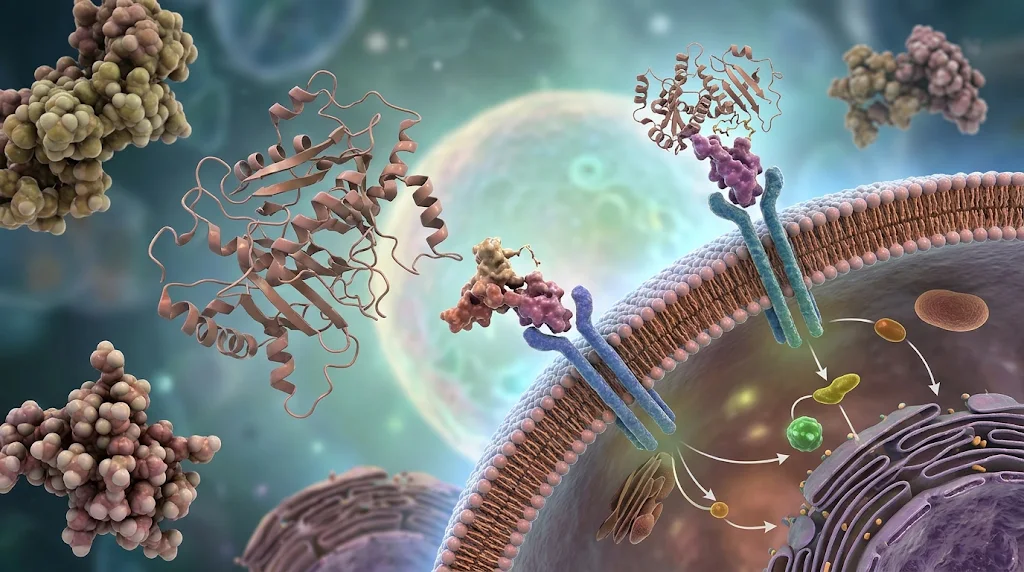
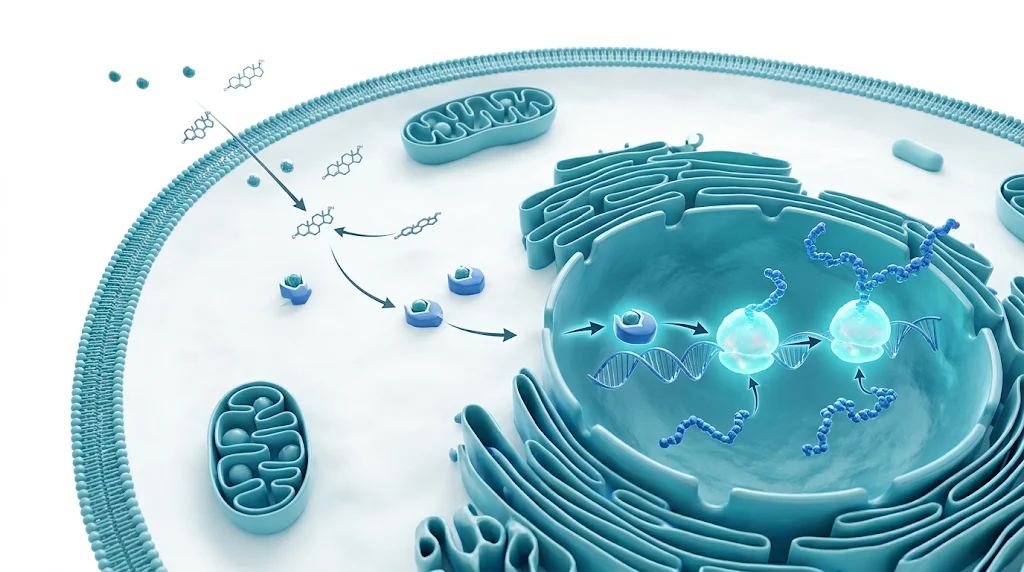
Hormones influence anabolic activity by interacting with specific receptors on or inside target cells. Once a hormone connects with its receptor, it can activate signaling pathways that change cellular activity. These signals may influence gene expression, protein production, nutrient utilization, and tissue development. The exact response depends on the hormone and the type of cell receiving the signal.
Anabolic hormones are not limited to muscle tissue. They also influence bones, the liver, reproductive organs, and other important parts of the body. Their combined activity helps maintain normal biological functions and supports the body’s ability to adapt to changing physiological needs.
How Anabolic Hormones Work in the Body
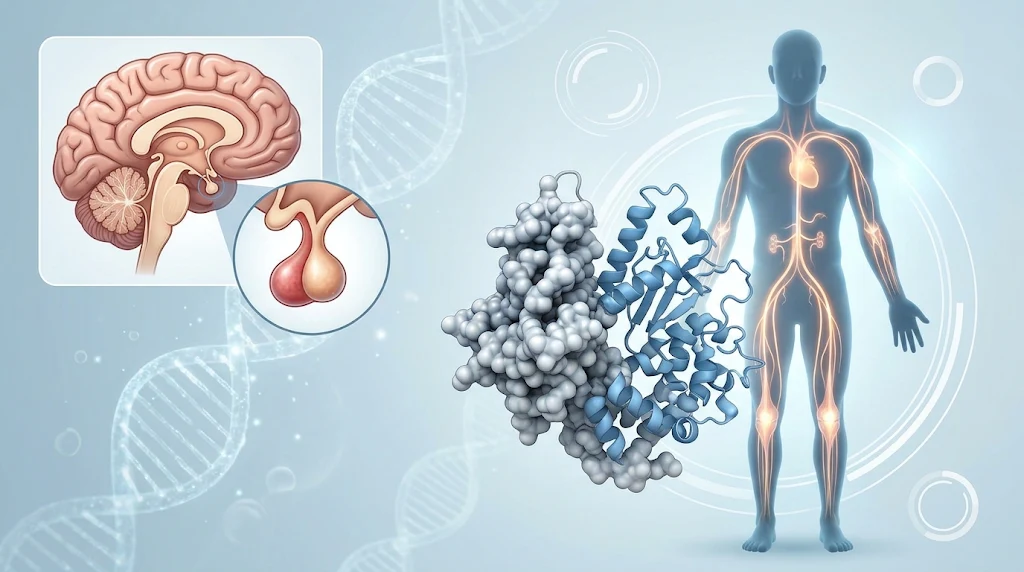
Anabolic hormones work through a communication system involving the endocrine system, bloodstream, and target tissues. Endocrine glands release hormones into the blood, allowing these chemical messengers to travel throughout the body. When a hormone reaches a target cell containing the appropriate receptor, it can trigger a biological response.
Some hormones attach to receptors located on the surface of cells, while others interact with receptors inside cells. These interactions activate different signaling mechanisms that influence cellular processes. Depending on the hormone, the response may involve increased protein synthesis, changes in glucose metabolism, or the regulation of tissue growth.
Hormonal activity is also controlled by feedback mechanisms. These mechanisms help the body regulate hormone production according to its current needs. When hormone levels change, the endocrine system can adjust its activity to maintain physiological balance. This regulation is important because both insufficient and excessive hormonal activity can interfere with normal body functions.
Difference Between Anabolism and Catabolism
Anabolism and catabolism are two major parts of metabolism. Although they involve different processes, both are necessary for maintaining life. Anabolism focuses on building complex molecules from smaller substances, while catabolism involves breaking down complex molecules into simpler components.
Anabolic reactions require energy because the body must use resources to create new cellular structures and biological materials. These processes support protein formation, tissue maintenance, and nutrient storage. Catabolic reactions release energy by breaking down stored nutrients and other molecules that the body can use for various activities.
Both processes operate continuously throughout the day. The body needs anabolic activity to maintain and repair tissues, while catabolic activity supplies energy and recycles cellular materials. Healthy metabolism depends on the proper coordination of these two processes rather than the complete dominance of one over the other.
How Do Anabolic Hormones Work?
Anabolic hormones influence the body’s internal processes through chemical signals that regulate cellular activity. These signals help determine when cells should produce proteins, store nutrients, or support tissue development. Hormones do not work independently because their effects are influenced by other hormones, nutrients, genetic factors, and the body’s overall condition.
The endocrine system plays a central role in coordinating these activities. Different glands release hormones according to physiological requirements, while target tissues respond through specialized receptors. This communication allows the body to regulate growth and maintenance across multiple organs.
Anabolic hormone activity is also connected to metabolism. Cells need energy and raw materials to produce new biological structures. Hormonal signals help regulate how nutrients are transported, stored, and used during these processes.
The Role of Hormones in Cell Growth
Cell growth is an important biological process that allows the body to develop and maintain healthy tissues. Anabolic hormones influence this process by regulating cellular communication, protein production, and other activities involved in tissue development. Their signals help cells respond to the body’s changing requirements.
Growth hormone and insulin-like growth factor 1 are particularly important in normal growth and development. They participate in biological pathways that regulate cell growth and tissue maintenance. Their combined activity supports skeletal development, protein metabolism, and several other physiological functions.
Hormones also influence the activity of specialized cells responsible for maintaining different tissues. These processes help preserve normal tissue structure throughout life. The regulation of cell growth is carefully controlled because uncontrolled cellular activity can contribute to serious health problems.
How Anabolic Hormones Support Protein Synthesis
Protein synthesis is the process through which cells produce proteins using genetic instructions and amino acids. Proteins are essential components of muscles, organs, enzymes, connective tissues, and many other biological structures. The body continuously produces and replaces proteins to maintain normal cellular functions.
Anabolic hormones influence protein metabolism by regulating the signals involved in protein production and breakdown. Testosterone and growth hormone are associated with important pathways that affect protein metabolism. Insulin also influences protein synthesis and helps regulate the movement of nutrients into cells.
The balance between protein synthesis and protein breakdown determines the overall condition of body tissues. When protein production supports normal tissue requirements, the body can maintain its structures and respond to ordinary repair needs. Hormonal regulation is one part of this process, alongside nutrition, physical activity, and general health.
The Relationship Between Hormones and Metabolism
Metabolism includes all the chemical reactions that occur inside the body to maintain life. These reactions provide energy, process nutrients, produce biological materials, and remove waste products. Hormones help coordinate metabolic activity by controlling how different tissues use available resources.
Anabolic hormones influence nutrient storage and the formation of complex molecules. Insulin plays an important role in glucose regulation and nutrient metabolism, while other hormones influence protein and fat metabolism. These activities help the body distribute nutrients according to its physiological requirements.
Metabolic regulation involves several hormones working together. Their combined effects influence energy availability, tissue maintenance, and the body’s response to changes in food intake and physical activity. This hormonal coordination is essential for maintaining a stable internal environment.
What Are the Main Types of Anabolic Hormones?
Several hormones have anabolic effects within the human body. Some primarily influence protein metabolism, while others regulate glucose utilization, cellular growth, or tissue development. Their functions may overlap, but each hormone has distinct responsibilities.
The most commonly discussed anabolic hormones include testosterone, human growth hormone, insulin, insulin-like growth factor 1, and estrogen. These hormones are naturally produced and perform important physiological functions.
Testosterone
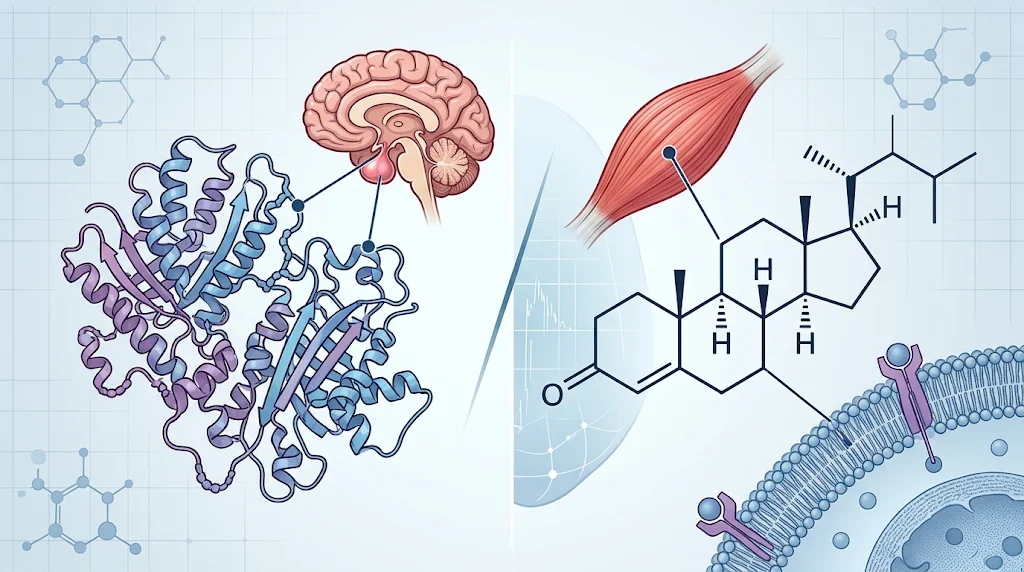
Testosterone is a steroid hormone that belongs to the androgen group. It is produced primarily in the testes in males, while smaller amounts are produced by the ovaries and adrenal glands. Testosterone contributes to reproductive development, bone health, muscle maintenance, and several other physiological functions.
One of its important effects involves protein metabolism and the maintenance of muscle tissue. Testosterone interacts with androgen receptors in different tissues, influencing gene expression and cellular activity. These effects contribute to the development and maintenance of physical characteristics associated with normal reproductive development.
Testosterone also plays a role in red blood cell production, bone density, and reproductive health. Its production is regulated by the hypothalamus and pituitary gland through a hormonal communication system. Testosterone levels naturally change with age and can also be influenced by certain medical conditions.
Human Growth Hormone (HGH)
Human growth hormone, commonly known as HGH, is produced by the pituitary gland. It is essential for normal growth and development, particularly during childhood and adolescence. Growth hormone also continues to influence metabolism and tissue maintenance throughout adulthood.
Growth hormone affects several tissues, including bones, muscles, and the liver. It stimulates the production of insulin-like growth factor 1, which contributes to many of its growth-related effects. This relationship is an important part of the body’s natural growth regulation system.
HGH also influences protein metabolism and the use of stored fat for energy. Its release is regulated by signals from the hypothalamus and changes throughout the day. Sleep, nutritional status, age, and other physiological factors can influence growth hormone secretion.
Insulin
Insulin is a peptide hormone produced by beta cells in the pancreas. Its primary responsibility is regulating blood glucose levels. When blood glucose rises, the pancreas releases insulin to help cells absorb glucose and maintain normal blood sugar levels.
Insulin also has important anabolic effects because it influences nutrient storage and protein metabolism. It helps regulate the movement of glucose into certain tissues and supports the storage of energy. Additionally, insulin participates in signaling pathways associated with protein synthesis and the regulation of protein breakdown.
The body depends on insulin for normal metabolic function. When insulin production or response becomes impaired, blood glucose regulation can be affected. This is closely associated with diabetes and other metabolic health conditions.
Insulin-Like Growth Factor 1 (IGF-1)
Insulin-like growth factor 1, commonly called IGF-1, is a hormone produced mainly by the liver in response to growth hormone stimulation. It plays an important role in normal growth, cellular development, and tissue maintenance.
IGF-1 interacts with specific receptors on target cells, activating signaling pathways involved in cell growth and protein synthesis. It contributes to the development of bones, muscles, and other tissues. Its activity is particularly important during childhood and adolescence.
IGF-1 levels are influenced by growth hormone, nutrition, age, and overall health. Abnormal levels can sometimes indicate problems involving the pituitary gland or other parts of the endocrine system. Healthcare professionals may measure IGF-1 when evaluating certain growth-related disorders.
Estrogen
Estrogen is a group of steroid hormones that plays an important role in reproductive health and several other physiological processes. Although it is commonly associated with female reproductive development, estrogen is also naturally present in males.
Estrogen contributes to bone development, bone maintenance, and the regulation of reproductive functions. It also influences several metabolic processes and interacts with other hormonal systems. Its effects depend on the specific estrogen hormone, the target tissue, and the individual’s physiological condition.
Estrogen has important effects on bone health in both males and females. Changes in estrogen levels can influence bone density and other aspects of normal body function. This demonstrates that anabolic activity is not limited to hormones traditionally associated with muscle growth.
What Are the Functions of Anabolic Hormones?
Anabolic hormones support several essential biological functions. Their effects extend across different organs and tissues, allowing the body to maintain its structure and respond to normal physiological demands. These hormones are particularly important for growth, development, and tissue maintenance.
Although individual hormones have different functions, their combined activity helps regulate the production of proteins, the development of bones, and the storage of nutrients. They also influence how the body responds to physical activity and changes in nutritional availability.
Supporting Muscle Growth and Development
Muscle tissue is continuously undergoing a process of protein synthesis and protein breakdown. Anabolic hormones influence this balance by regulating signals involved in muscle protein metabolism. Testosterone, growth hormone, and insulin are among the hormones associated with these processes.
Muscle development depends on several factors working together. Hormonal activity is important, but nutrition, physical activity, recovery, and genetic characteristics also influence muscle tissue maintenance. The body requires sufficient nutrients and appropriate physiological conditions to support normal muscle function.
Anabolic hormones also contribute to maintaining muscle tissue as people age. Changes in hormone production can influence muscle mass and physical function, although these changes are not the only factors responsible for age-related muscle loss.
Promoting Bone Growth and Strength
Bones are living tissues that continuously undergo formation and breakdown. Anabolic hormones contribute to the regulation of these processes by influencing bone-forming cells and mineral metabolism.
Growth hormone and IGF-1 support normal skeletal growth, particularly during childhood and adolescence. Testosterone and estrogen also contribute to bone development and maintenance. Their combined effects help regulate bone density and skeletal health.
Healthy bone development depends on several biological factors, including hormonal balance, calcium availability, vitamin D, and normal physical activity. Disruptions in hormonal regulation can affect bone formation and increase the risk of certain skeletal conditions.
Supporting Tissue Repair and Recovery
The body continuously repairs and replaces damaged or aging cells. Anabolic hormones participate in this process by influencing protein production, cellular activity, and tissue maintenance.
Protein synthesis is especially important for maintaining the structure of muscles, skin, connective tissues, and internal organs. Hormonal signals help regulate these activities according to the body’s physiological requirements.
Recovery also depends on adequate nutrition, sleep, circulation, and general health. Hormones contribute to the body’s natural repair systems, but they do not independently determine how quickly every type of tissue recovers.
Regulating Nutrient Storage and Metabolism
Nutrient storage is another important function influenced by anabolic hormones. The body needs to store energy and maintain a supply of nutrients for different biological processes.
Insulin is particularly important because it regulates glucose movement and influences the storage of carbohydrates and fats. It also affects protein metabolism. These functions help maintain normal energy balance and support cellular activity.
Other anabolic hormones influence how the body uses proteins and fats. Their combined activity allows different tissues to obtain and store nutrients according to their requirements.
Supporting Normal Growth and Development
Growth and development involve coordinated changes in bones, muscles, organs, and other tissues. Anabolic hormones are essential components of the regulatory systems responsible for these changes.
Growth hormone and IGF-1 have particularly important roles in skeletal development and tissue growth. Testosterone and estrogen contribute to reproductive development and changes associated with puberty.
Hormonal activity also supports tissue maintenance after physical development is complete. The body continues to depend on anabolic processes throughout adulthood to maintain healthy structures and normal organ function.
What Is the Difference Between Anabolic and Catabolic Hormones?
Anabolic and catabolic processes represent two complementary sides of metabolism. Anabolic activity focuses on building and storing biological materials, while catabolic activity focuses on breaking down molecules and releasing energy.
The human body requires both processes to function properly. Anabolic reactions help create new cellular structures, while catabolic reactions provide energy and recycle materials. The balance between them changes according to nutritional status, physical activity, age, and other physiological conditions.
Understanding Anabolic Processes
Anabolic processes involve the formation of complex molecules from smaller components. These reactions require energy and support the production of proteins, glycogen, and other biological materials.
Anabolic hormones regulate many of these processes by activating cellular signaling pathways. They help coordinate nutrient utilization, protein synthesis, and tissue development. Without sufficient anabolic activity, the body would struggle to maintain normal tissue structures.
Anabolism is not restricted to physical growth. It also includes the routine replacement of cellular components and the maintenance of essential biological systems.
Understanding Catabolic Processes
Catabolic processes break down larger molecules into smaller substances. These reactions release energy that cells use to perform essential functions.
The body relies on catabolism to obtain energy from carbohydrates, fats, and proteins. It also uses these processes to recycle damaged cellular components and maintain normal metabolic activity.
Catabolic activity is regulated by several hormones, including cortisol and glucagon. These hormones influence how the body responds to changes in energy availability and physiological demands.
How Both Processes Maintain Body Balance
Anabolism and catabolism operate together to maintain metabolic balance. The body cannot rely exclusively on building processes because it also needs energy and cellular recycling. Similarly, excessive breakdown without sufficient replacement can negatively affect tissue maintenance.
Hormones help regulate the relationship between these processes. Their activity changes depending on factors such as food intake, sleep, physical activity, and overall health.
Maintaining normal metabolic balance is essential for healthy growth, energy regulation, and tissue maintenance. The endocrine system coordinates these activities through several interconnected hormonal pathways.
What Factors Affect Anabolic Hormone Levels?
Anabolic hormone levels are influenced by many internal and external factors. The endocrine system responds to changes in age, nutrition, sleep, physical activity, and overall health. These factors can affect hormone production, release, and the way target tissues respond to hormonal signals.
Hormonal regulation is complex, and changes in one hormone can influence other systems. Understanding the factors that affect hormone levels can help explain why hormonal activity varies between individuals and throughout different stages of life.
Age and Natural Hormonal Changes
Age is an important factor affecting hormone production. During childhood and adolescence, several anabolic hormones support rapid growth and physical development. Hormone levels and secretion patterns change as the body moves through puberty and reaches adulthood.
As people get older, the production of certain hormones may gradually change. Testosterone and growth hormone levels can decline with age, although the rate and extent of these changes vary between individuals.
Age-related hormonal changes are part of normal physiology. However, significant changes accompanied by persistent symptoms may require medical evaluation to identify possible underlying conditions.
Nutrition and Nutrient Availability
Nutrition provides the materials required for normal metabolic and anabolic processes. Proteins supply amino acids needed for tissue maintenance, while carbohydrates and fats provide energy for cellular activities.
Insufficient nutrient intake can affect metabolic regulation and the body’s ability to maintain tissues. Certain nutritional deficiencies may also influence hormone production and normal endocrine function.
A balanced diet containing adequate nutrients supports general health and normal metabolic activity. However, no individual food or supplement can guarantee a particular increase in anabolic hormone levels.
Sleep and Recovery
Sleep is important for normal endocrine function. Several hormones follow daily secretion patterns that are influenced by the body’s internal biological clock.
Growth hormone secretion is closely associated with sleep, particularly deep sleep. Sleep also influences metabolic regulation and other hormonal pathways involved in physical maintenance.
Consistently poor sleep can interfere with several physiological processes. Maintaining regular sleep habits supports normal hormonal regulation and overall health.
Physical Activity and Exercise
Physical activity influences hormone signaling and metabolic function. Exercise creates physiological demands that require the body to regulate energy use, tissue maintenance, and recovery.
Resistance exercise can influence several hormonal responses associated with muscle metabolism. However, the relationship between exercise and anabolic hormones is complex. Temporary changes in hormone levels do not necessarily indicate long-term changes in muscle development.
Regular physical activity supports cardiovascular health, metabolic function, and muscle maintenance. The effects depend on exercise intensity, recovery, nutrition, and individual health conditions.
Medical Conditions and Hormonal Disorders
Certain medical conditions can affect anabolic hormone production or the body’s response to hormones. Disorders involving the pituitary gland, pancreas, testes, ovaries, and other endocrine organs may influence hormonal regulation.
Metabolic conditions can also affect insulin function and nutrient utilization. Problems involving the liver may influence the production of IGF-1 because the liver is a major source of this hormone.
When hormonal changes are suspected, healthcare professionals may evaluate symptoms, medical history, and laboratory findings. Treatment depends on the underlying cause rather than simply attempting to increase hormone levels.
What Happens When Anabolic Hormone Levels Are Abnormal?
Hormonal imbalances can influence several aspects of physical health because hormones regulate important biological functions. When anabolic hormone production or activity becomes abnormal, the effects may involve growth, metabolism, muscle maintenance, bone health, and reproductive function.
The symptoms of hormonal imbalance vary depending on the specific hormone involved. Some changes develop gradually, while others may become noticeable over a shorter period. It is important to understand that similar symptoms can also occur because of conditions unrelated to hormone levels.
Signs of Hormonal Imbalance
Hormonal imbalances can produce different symptoms depending on the underlying condition. Changes in energy levels, physical development, reproductive function, and metabolic health may sometimes be associated with abnormal hormone activity.
Low testosterone, growth hormone deficiency, and problems involving insulin regulation have different clinical features. Therefore, symptoms should not be interpreted as proof of a particular hormonal disorder.
Medical evaluation is important when symptoms are persistent, unexplained, or interfere with normal daily activities. Healthcare professionals can determine whether hormonal testing or further investigation is necessary.
Potential Effects on Muscle and Bone Health
Anabolic hormones contribute to muscle maintenance and bone development. Changes in their activity can influence the body’s ability to maintain these tissues.
Certain hormonal disorders are associated with reduced muscle mass, changes in physical strength, or reduced bone density. The effects depend on the hormone involved and the duration of the imbalance.
Bone and muscle health are also influenced by nutrition, physical activity, age, and other medical conditions. A complete health assessment is necessary to understand the reasons behind changes in these tissues.
Effects on Energy and Metabolism
Hormones regulate how the body processes and stores nutrients. Changes in insulin activity can affect blood glucose regulation, while abnormalities in other hormones may influence metabolism and energy balance.
Some endocrine disorders can cause fatigue, changes in body composition, or difficulties maintaining normal metabolic function. However, these symptoms are not specific to hormonal conditions.
Identifying the underlying cause is important because treatment approaches differ depending on the affected hormone and the nature of the disorder.
When to Seek Medical Advice
Medical advice is appropriate when unexplained changes in growth, physical development, energy levels, or reproductive health continue over time. Healthcare professionals can assess whether these changes may be related to hormonal problems.
Diagnosis may involve a physical examination, medical history, and laboratory tests. Some conditions require additional evaluation to understand how different endocrine organs are functioning.
Hormone-related treatment should always be based on a medical diagnosis. Using hormones without professional supervision can create additional health problems and interfere with the body’s natural regulatory systems.
Natural Anabolic Hormones vs. Synthetic Anabolic Substances
Natural anabolic hormones are produced by the human body and regulate essential biological processes. Synthetic anabolic substances are manufactured compounds that may imitate or influence certain hormonal effects. Although both are associated with anabolic activity, they are not the same.
Understanding this difference is important because anabolic hormones have legitimate physiological functions, while synthetic hormone-related substances can carry medical risks when used improperly.
How Natural Hormones Differ From Synthetic Substances
Natural hormones are produced by endocrine glands and released according to the body’s regulatory requirements. Their production is controlled through feedback mechanisms that help maintain normal physiological balance.
Synthetic anabolic substances are manufactured to produce particular biological effects. Some are developed for specific medical purposes, while others may be used outside approved medical settings.
Their effects can differ significantly from normal hormonal regulation. Introducing external hormonal substances can interfere with the body’s own hormone production and feedback systems.
Medical Uses of Synthetic Hormones
Certain synthetic hormones and related medications have legitimate medical applications. Healthcare professionals may prescribe specific treatments for diagnosed hormonal deficiencies or other medical conditions.
Testosterone replacement therapy, for example, may be considered for individuals with confirmed testosterone deficiency when appropriate clinical criteria are met. Growth hormone treatment may also be prescribed for certain diagnosed growth hormone deficiencies.
Medical treatment requires appropriate evaluation and monitoring. The benefits and potential risks depend on the patient’s condition, medical history, and the specific medication involved.
Potential Risks of Unsupervised Hormone Use
Using synthetic anabolic substances without medical supervision can affect the endocrine system and other organs. Potential complications vary depending on the substance, exposure, and individual health characteristics.
Anabolic-androgenic steroids can interfere with natural hormone production and may affect cardiovascular health, liver function, reproductive health, and mental well-being. Other hormone-related substances also have risks that require careful medical consideration.
Products marketed for rapid muscle development or hormonal enhancement may contain substances that are not accurately represented on their labels. Unsupervised use can make it difficult to identify the cause of unexpected symptoms or complications.
Natural hormonal function is complex, and attempting to manipulate it without proper medical guidance can create significant health risks.
How Are Anabolic Hormones Measured?
Hormone testing helps healthcare professionals evaluate the activity of the endocrine system. Laboratory tests can measure specific hormones in blood and provide information about possible hormonal imbalances.
Not every hormone requires routine testing. The decision to measure a particular hormone depends on symptoms, medical history, physical examination findings, and the suspected condition.
Common Hormone Blood Tests
Blood tests are commonly used to evaluate several hormones involved in anabolic activity. Testosterone testing may help investigate suspected testosterone deficiency, while IGF-1 testing can provide information about growth hormone activity.
Insulin and glucose measurements may be used when evaluating problems involving blood sugar regulation. Other tests may assess pituitary hormones or hormones produced by the adrenal and reproductive glands.
The timing of testing can be important because some hormones change throughout the day. Healthcare professionals determine the appropriate testing conditions according to the hormone being evaluated.
Understanding Hormone Test Results
Hormone test results must be interpreted in the context of the individual’s age, sex, symptoms, medical history, and laboratory reference ranges. A result outside a reference range does not automatically confirm a medical disorder.
Some hormone levels naturally fluctuate because of sleep, stress, illness, nutritional status, and other physiological factors. For this reason, healthcare professionals may recommend repeat testing or additional investigations.
A proper interpretation considers the overall clinical picture rather than relying on one laboratory measurement.
Why Medical Evaluation Is Important
Medical evaluation helps identify the underlying reasons for abnormal hormone levels. Different endocrine conditions can produce similar symptoms, making professional assessment important for accurate diagnosis.
Healthcare professionals may use multiple tests to understand how different glands and hormonal pathways are functioning. This approach can help distinguish between problems involving hormone production and problems involving the body’s response to hormones.
Appropriate diagnosis also helps prevent unnecessary treatment. Hormonal medications should only be used when medically indicated and under professional supervision.
Frequently Asked Questions About Anabolic Hormones
What Is the Main Purpose of Anabolic Hormones?
The main purpose of anabolic hormones is to regulate biological processes that build and maintain tissues. They influence protein synthesis, cellular growth, bone development, and nutrient storage. These activities are essential for normal physical development and long-term tissue maintenance.
Is Testosterone an Anabolic Hormone?
Yes, testosterone is an anabolic steroid hormone that influences protein metabolism, muscle maintenance, bone health, and reproductive development. It interacts with androgen receptors in different tissues and regulates several important biological processes.
Is Insulin Considered an Anabolic Hormone?
Yes, insulin is considered an anabolic hormone because it supports nutrient storage and influences protein metabolism. Its primary function is regulating blood glucose levels, but it also participates in cellular signaling pathways associated with nutrient utilization and tissue maintenance.
Are Anabolic Hormones Naturally Produced?
Yes, the human body naturally produces several anabolic hormones. Testosterone, insulin, growth hormone, and IGF-1 are examples of hormones involved in normal growth, metabolism, and tissue maintenance. Their production is regulated by the endocrine system.
Can Anabolic Hormones Affect Muscle Growth?
Yes, anabolic hormones influence muscle protein metabolism and contribute to muscle maintenance and development. However, muscle growth also depends on nutrition, physical activity, recovery, genetics, and overall health. Hormones are only one part of the process.
What Is the Difference Between Anabolic Hormones and Steroids?
Anabolic hormones are natural or synthetic chemical messengers that influence building processes in the body. Steroids are a broad group of chemical compounds with a particular molecular structure. Some steroid hormones, including testosterone, have anabolic effects, but not all steroids are anabolic hormones.
Conclusion
Anabolic hormones are essential chemical messengers that help regulate growth, tissue development, metabolism, and the maintenance of healthy body structures. They support important biological activities, including protein synthesis, bone formation, nutrient storage, and cellular repair. Testosterone, growth hormone, insulin, IGF-1, and estrogen each contribute to these processes through different hormonal pathways.
Understanding what anabolic hormones are provides valuable insight into how the endocrine system maintains the body’s internal balance. These hormones work together with metabolic processes, nutritional factors, and other physiological systems to support normal health throughout life.








2 thoughts on “What Is Anabolic Hormone? Functions, Types & Effects”