
Blog
How Do Anabolic Steroids Work? Effects on the Body Explained

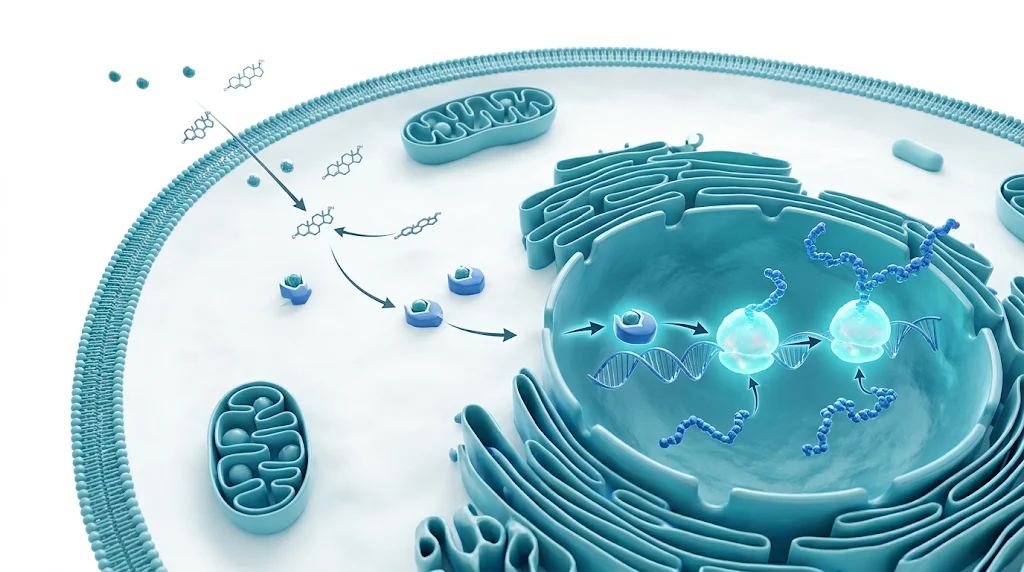
Anabolic steroids are synthetic substances designed to imitate the effects of testosterone, a hormone that plays an important role in muscle development, reproductive health, and several other biological processes. These substances are commonly discussed in connection with bodybuilding, athletic performance, and medical treatments. However, understanding how anabolic steroids work requires looking beyond muscle growth and examining how they interact with hormones, cells, tissues, and different organs throughout the body.
The human body naturally produces hormones that regulate growth, metabolism, reproduction, and tissue development. Anabolic steroids influence some of these same biological processes by interacting with specific receptors inside cells. Their effects can extend beyond skeletal muscles and influence the cardiovascular system, liver, reproductive organs, brain, and natural hormone production. Although certain anabolic steroids have legitimate medical applications, nonmedical use can carry significant health risks.
Understanding how anabolic steroids work can help readers recognize their biological effects, potential medical benefits, and associated complications. This article explains the science behind anabolic steroids, their relationship with testosterone, their influence on muscle tissue, and the possible short-term and long-term consequences of exposure.
What Are Anabolic Steroids?
Anabolic steroids are synthetic derivatives of testosterone, the primary male sex hormone. Testosterone is naturally produced in the body and contributes to several important functions, including muscle development, bone health, red blood cell production, reproductive function, and the development of secondary sexual characteristics. Anabolic steroids are designed to reproduce some of these biological effects.
The term anabolic refers to the body’s processes of building and maintaining tissues. Androgenic refers to the development and maintenance of male sexual characteristics. For this reason, these substances are also known as anabolic-androgenic steroids. Their biological activity can involve both anabolic and androgenic effects, although the balance varies depending on the particular compound.
Anabolic steroids are different from corticosteroids, which are another category of steroid medications. Corticosteroids are primarily used to control inflammation and regulate immune responses. Anabolic steroids primarily interact with androgen receptors and influence processes associated with testosterone. Understanding this distinction is important because the two medication categories have different purposes, mechanisms, and potential side effects.
How Do Anabolic Steroids Work in the Body?
To understand how anabolic steroids work, it is important to understand how hormones communicate with cells. Hormones act as chemical messengers that travel through the bloodstream and interact with receptors in particular tissues. These interactions influence biological activities by changing how cells function and respond to signals.
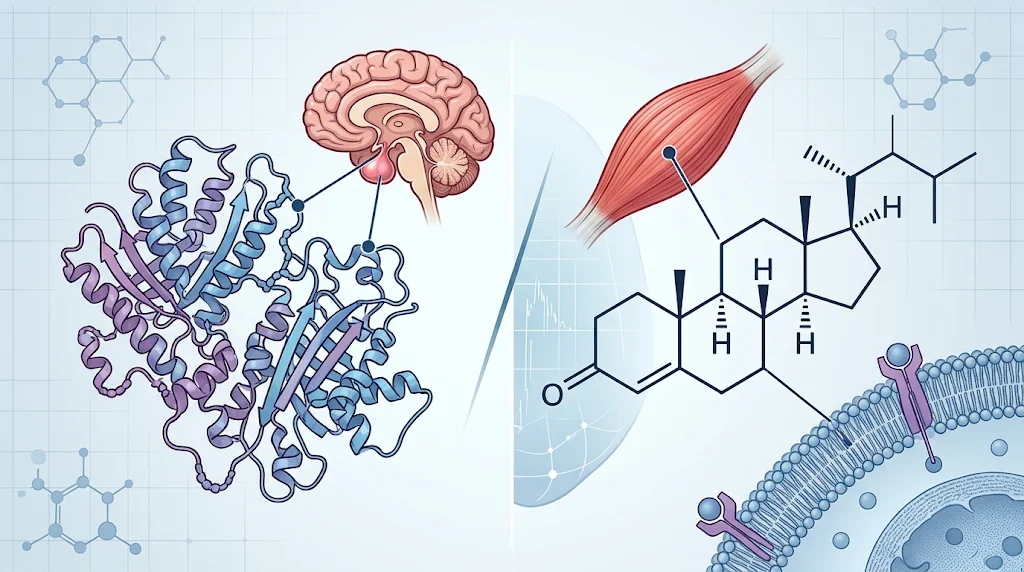
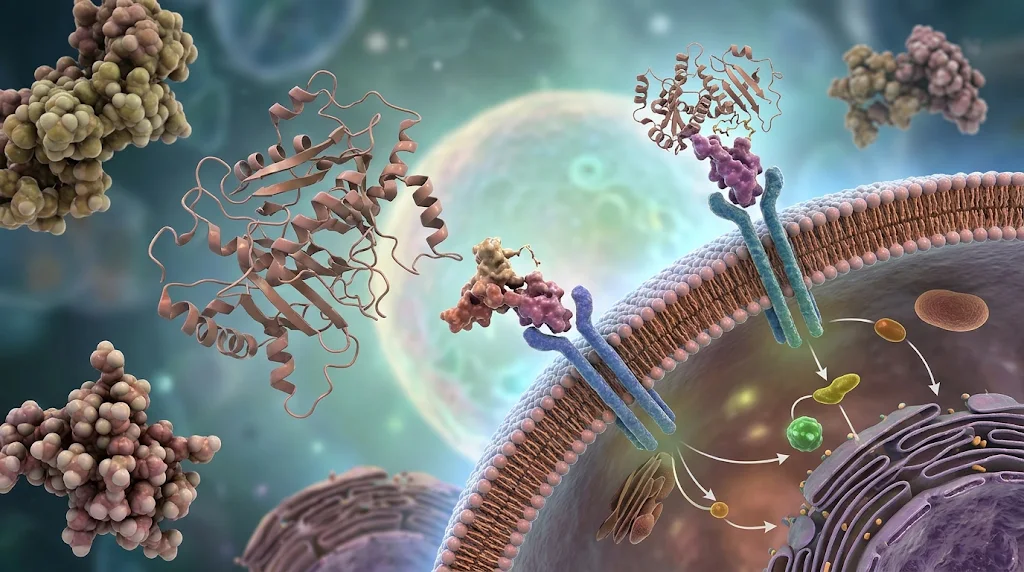
Anabolic steroids are generally able to pass through cell membranes because they are lipid-soluble substances. After entering a cell, they can interact with androgen receptors located inside the cell. These receptors are specialized proteins that respond to testosterone and related hormones.
When an anabolic steroid binds to an androgen receptor, the receptor changes its structure and becomes capable of influencing gene activity. The resulting receptor complex can interact with specific regions of DNA and regulate the expression of particular genes. This process changes how cells produce certain proteins and perform their normal functions.
The effects are not limited to skeletal muscle. Androgen receptors are present in several tissues throughout the body, including reproductive organs, bones, skin, and parts of the nervous system. Consequently, anabolic steroids can produce different biological effects depending on the tissues involved and the individual’s hormonal environment.
How Anabolic Steroids Interact With Androgen Receptors
Androgen receptors are essential components of the body’s hormonal communication system. They allow testosterone and related hormones to influence cellular activity. These receptors are found in many tissues and help regulate development, metabolism, reproductive function, and other biological processes.
When anabolic steroids enter cells, some of their molecules bind to androgen receptors. This interaction creates a receptor complex that can move into the cell nucleus or act within the nucleus if the receptor is already located there. The nucleus contains genetic information that controls many cellular activities.
Once the receptor complex interacts with DNA, it can influence the activity of particular genes. This process is known as transcriptional regulation. It affects the production of messenger RNA, which carries instructions from DNA to the cellular machinery responsible for making proteins.
Different anabolic steroids can produce different responses because their molecular structures and interactions with receptors are not identical. Their effects may also depend on tissue sensitivity, natural hormone levels, and individual biological differences. This explains why anabolic steroids can influence several systems simultaneously rather than affecting muscle tissue alone.
How Anabolic Steroids Affect Protein Synthesis
Protein synthesis is one of the most important biological processes involved in tissue growth and maintenance. Proteins perform essential functions throughout the body, including supporting muscle structure, repairing damaged tissues, regulating chemical reactions, and maintaining normal cellular activity.
Muscle tissue is constantly undergoing two related processes known as muscle protein synthesis and muscle protein breakdown. Protein synthesis involves producing new proteins, while protein breakdown involves removing or recycling existing proteins. Muscle development depends partly on the relationship between these processes over time.
Anabolic steroids can influence gene expression and cellular signaling pathways involved in protein metabolism. Their interaction with androgen receptors may increase the expression of genes associated with muscle protein production. They can also affect the balance between protein synthesis and protein breakdown, contributing to changes in muscle tissue.
However, muscle growth is a complex biological process influenced by several factors. Hormonal signaling, nutrition, physical activity, genetics, recovery, and overall health all contribute to muscle development. Anabolic steroids do not replace these biological processes, and their effects vary considerably between individuals.
How Do Anabolic Steroids Affect Muscle Growth?
Skeletal muscles are made up of specialized muscle fibers that respond to mechanical stress, hormonal signals, and nutritional conditions. Muscle growth, commonly known as hypertrophy, involves an increase in the size of existing muscle fibers. This process requires changes in protein metabolism and cellular activity.
Anabolic steroids can influence muscle tissue through androgen receptor signaling. These substances affect the expression of genes involved in muscle development and protein metabolism. As a result, they may increase the body’s capacity to maintain and develop muscle tissue.
Another important factor is the relationship between anabolic hormones and muscle protein balance. Hormonal signals can influence the activity of cells involved in muscle repair and maintenance. These processes contribute to the body’s response to physical activity and tissue stress.
Anabolic steroids may also influence satellite cells, which are specialized cells involved in skeletal muscle maintenance and regeneration. Satellite cells can contribute to muscle repair and adaptation by supporting the development of muscle fibers. Hormonal signaling is one factor that can influence their activity.
Despite these effects, increased muscle size does not automatically indicate improved overall health. Changes in muscle tissue can occur alongside unwanted changes in blood pressure, cholesterol levels, reproductive function, and other important health indicators. Therefore, muscle development should not be considered the only measure of the biological effects of anabolic steroids.
The Relationship Between Anabolic Steroids and Testosterone
Testosterone is a naturally occurring hormone that plays an important role in male reproductive development and several functions in both males and females. In males, most testosterone is produced by the testes, while smaller amounts are produced by the adrenal glands. In females, testosterone is produced in smaller quantities by the ovaries and adrenal glands.
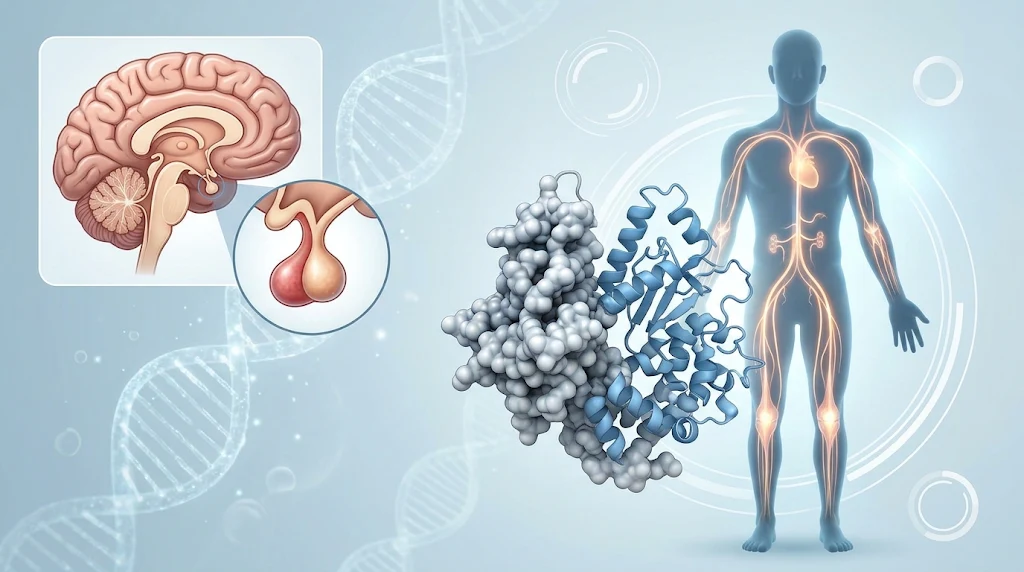
The body maintains testosterone levels through a hormonal communication system involving the hypothalamus, pituitary gland, and reproductive organs. This system is commonly known as the hypothalamic-pituitary-gonadal axis.
The hypothalamus releases gonadotropin-releasing hormone, which signals the pituitary gland to produce luteinizing hormone and follicle-stimulating hormone. Luteinizing hormone stimulates testosterone production in the testes, while follicle-stimulating hormone contributes to reproductive functions.
Anabolic steroids can interfere with this natural regulatory system. When the body detects increased androgen activity, the hypothalamus and pituitary gland may reduce their hormonal signals. This can decrease natural testosterone production and affect reproductive function.
The degree of hormonal suppression depends on several biological factors, including the substance involved, individual sensitivity, and duration of exposure. Natural hormone regulation may take time to recover after exposure ends, and some individuals can experience persistent complications.
How Anabolic Steroids Affect Other Hormones
Anabolic steroids can influence more than testosterone-related activity. Their effects may extend to other hormones involved in metabolism, reproduction, growth, and fluid regulation. These changes occur because the endocrine system operates through interconnected feedback mechanisms.
Some anabolic steroids can be converted into estrogen through an enzyme called aromatase. Estrogen is important in both males and females and contributes to bone health, reproductive function, and several metabolic processes. Changes in estrogen activity can therefore affect multiple aspects of health.
Hormonal changes may also influence the body’s natural production of other reproductive hormones. Reduced signaling from the hypothalamus and pituitary gland can interfere with the normal regulation of reproductive organs. This may affect fertility, sexual function, and hormone balance.
The endocrine system depends on carefully regulated communication between different glands and organs. When external hormones interfere with these signals, the effects may continue even after the original exposure has ended.
What Are the Effects of Anabolic Steroids on Different Body Systems?
Anabolic steroids interact with androgen receptors found throughout the body. Their influence can therefore extend beyond muscle development. Different organs respond according to their receptor activity, sensitivity, and existing biological functions.
Effects on the Cardiovascular System
The cardiovascular system includes the heart, blood vessels, and blood circulation. It is responsible for delivering oxygen and nutrients throughout the body. Anabolic steroid exposure can negatively affect cardiovascular health by changing cholesterol levels, blood pressure, and other important risk factors.
One recognized concern is the potential reduction in high-density lipoprotein cholesterol, commonly called HDL cholesterol. HDL helps transport cholesterol away from certain tissues and supports healthy cholesterol regulation. Some anabolic steroids can also increase low-density lipoprotein cholesterol, which is associated with cardiovascular disease.
Changes in blood pressure and red blood cell production may create additional concerns. Increased cardiovascular strain can contribute to serious complications, particularly when several risk factors occur together. Long-term nonmedical use has been associated with an increased risk of heart-related problems.
Effects on the Liver
The liver performs essential functions involving metabolism, detoxification, protein production, and the processing of hormones and medications. Certain anabolic steroids can place significant stress on this organ.
Some orally active anabolic steroids are associated with liver-related complications because their chemical structures can affect how the liver processes them. Potential problems include abnormal liver enzyme levels, liver injury, and other serious conditions.
Liver complications may not always produce noticeable symptoms during the early stages. This makes medical evaluation important when someone has been exposed to substances that may affect liver function.
Effects on the Reproductive System
Anabolic steroids can interfere with the natural hormonal signals responsible for reproductive function. In males, reduced natural testosterone production can affect sperm production, testicular function, and fertility.
In females, exposure to anabolic steroids can interfere with normal reproductive hormone activity. Possible effects include menstrual irregularities and changes in reproductive function. Some androgenic effects may also become long-lasting.
Because reproductive hormones influence several biological processes, disruptions can affect both physical health and overall well-being.
Effects on the Brain and Nervous System
Androgen receptors are also present in parts of the brain. Anabolic steroids can influence neurological signaling and may affect mood, emotional regulation, and behavior.
Some individuals experience mood changes, irritability, anxiety, or sleep disturbances. Other psychological effects may include increased aggression or changes in emotional stability. The intensity of these effects varies between individuals.
Hormonal changes can also influence brain functions associated with motivation and emotional responses. Psychological effects should therefore be considered an important part of the overall health risks associated with anabolic steroid exposure.
What Are the Side Effects of Anabolic Steroids?
The side effects of anabolic steroids depend on several factors, including the substance involved, individual biology, existing medical conditions, and overall exposure. Some effects may appear relatively early, while others develop gradually and may become more difficult to reverse.
Short-term complications can involve changes in mood, skin conditions, fluid retention, blood pressure, and natural hormone production. Acne and increased oil production may occur because androgen activity influences the sebaceous glands in the skin.
Long-term complications can be more serious. Cardiovascular problems, liver injury, reproductive difficulties, and persistent hormonal changes are among the major health concerns associated with nonmedical anabolic steroid use.
Psychological effects are also important. Changes in mood, anxiety, irritability, and emotional stability may affect relationships, education, work, and daily activities. These effects can differ significantly between individuals.
Another important concern is that stopping anabolic steroid exposure does not always result in immediate recovery. The body’s natural hormone regulation may require medical assessment, and certain complications can persist.
How Do Anabolic Steroids Work Differently in Men and Women?
Anabolic steroids interact with androgen receptors in both males and females. However, their effects can differ because natural hormone levels, reproductive biology, and tissue sensitivity are not identical.
In males, testosterone is an important hormone for reproductive development, sperm production, muscle maintenance, and bone health. External anabolic steroid exposure can suppress natural testosterone production through hormonal feedback mechanisms. This may lead to reproductive complications and changes in normal endocrine function.
In females, naturally occurring testosterone levels are considerably lower. Exposure to substances with strong androgenic activity can therefore produce noticeable hormonal and physical changes. These may include menstrual irregularities, increased facial or body hair, acne, and changes in voice.
Some androgenic changes can become permanent even after exposure ends. This is an important consideration when evaluating the health consequences of anabolic steroid exposure in females.
Are Anabolic Steroids Used for Medical Treatment?
Although anabolic steroids are often discussed in connection with bodybuilding, certain medications in this category have legitimate medical applications. Healthcare professionals may prescribe specific anabolic steroid medications for selected conditions where their effects on tissue development and protein metabolism are considered medically appropriate.
Some anabolic steroid medications have historically been used in the treatment of particular forms of anemia and certain conditions associated with severe muscle wasting. Their medical role depends on the patient’s diagnosis, treatment goals, and available alternatives.
Medical treatment is different from nonmedical use for physical appearance or athletic performance. Healthcare professionals consider the patient’s medical history, potential benefits, possible complications, and appropriate monitoring requirements before prescribing these medications.
Anabolic steroids are not suitable for every patient experiencing muscle loss or hormonal difficulties. Their use requires a clear medical reason because the potential risks can outweigh the benefits in many circumstances.
How Long Do Anabolic Steroids Affect the Body?
The duration of anabolic steroid effects varies depending on the particular substance and individual biological characteristics. Different compounds have different chemical structures and metabolic properties, which influence how the body processes them.
Some substances are metabolized and eliminated relatively quickly, while others can remain biologically active for longer periods. Their effects may also continue after the original substance has been reduced or eliminated because hormonal changes can persist.
Several factors influence how long the effects remain noticeable. These include individual metabolism, liver function, natural hormone levels, age, general health, and the characteristics of the substance involved.
It is important to understand that the elimination of a substance does not necessarily mean that every biological effect has ended. Hormonal regulation, reproductive function, and other affected systems may require additional time to return toward their previous state.
What Happens When Someone Stops Using Anabolic Steroids?
When anabolic steroid exposure ends, the body may need time to restore its normal hormonal regulation. This process can be complicated because external androgen activity may have suppressed the natural communication between the hypothalamus, pituitary gland, and reproductive organs.
Reduced natural testosterone production may continue for some time after discontinuation. Depending on the individual, this can contribute to fatigue, reduced sexual function, mood changes, and other hormonal symptoms.
Some individuals experience a gradual improvement in natural hormone production, while others develop prolonged suppression that requires medical evaluation. Recovery is not guaranteed to occur at the same rate for everyone.
Another concern is the possibility of psychological difficulties following discontinuation. Changes in mood, motivation, sleep, and general well-being may occur during periods of hormonal adjustment.
Anyone experiencing significant symptoms after anabolic steroid exposure should seek medical advice. A qualified healthcare professional can assess hormone levels, identify possible complications, and determine whether additional treatment or monitoring is necessary.
Can the Body Recover After Anabolic Steroid Use?
Recovery after anabolic steroid exposure depends on the nature of the exposure and the individual’s overall health. Some biological changes may improve over time, while other complications can remain persistent.
Natural testosterone production may gradually recover in some individuals as the hormonal feedback system becomes more active. However, the recovery process is variable and can be affected by several factors, including age, duration of exposure, and individual endocrine function.
Reproductive recovery can also vary. Hormonal changes that affect sperm production and fertility may improve, but this is not guaranteed. Medical evaluation can help determine whether reproductive functions have returned to an appropriate range.
Cardiovascular and liver health also require consideration. Some changes in cholesterol levels and liver function may improve after exposure ends, but serious complications may require additional medical attention.
It is important not to assume that feeling physically better means every affected organ system has fully recovered. Appropriate medical assessment provides a more reliable understanding of overall health.
Anabolic Steroids vs. Natural Muscle Growth
Muscle development is a natural biological process influenced by physical activity, nutrition, genetics, hormones, and recovery. The body normally regulates muscle protein synthesis and breakdown through interconnected cellular and hormonal mechanisms.
Natural muscle development occurs through gradual adaptations to physical activity and other health-related factors. The body responds to physical demands by adjusting protein metabolism, muscle repair, and tissue maintenance.
Anabolic steroids influence some of these same processes by interacting with androgen receptors and changing gene expression. However, these substances can also interfere with natural hormonal regulation and affect organs unrelated to muscle development.
Natural muscle development does not involve the same risks associated with nonmedical exposure to synthetic anabolic hormones. Maintaining overall health requires considering cardiovascular function, reproductive health, bone strength, mental well-being, and other important biological systems rather than focusing exclusively on muscle size.
Frequently Asked Questions About How Anabolic Steroids Work
How do anabolic steroids work at the cellular level?
Anabolic steroids enter certain cells and interact with androgen receptors. This interaction influences gene expression and changes the production of proteins involved in cellular activity. These processes help explain their effects on muscle tissue and other organs.
Do anabolic steroids increase protein synthesis?
Anabolic steroids can influence protein synthesis by changing androgen receptor signaling and the expression of genes associated with protein metabolism. Their effects may contribute to changes in muscle protein balance, although individual responses vary.
How do anabolic steroids affect testosterone?
Anabolic steroids can suppress the body’s natural testosterone production through hormonal feedback mechanisms. The hypothalamus and pituitary gland may reduce the signals responsible for stimulating testosterone production in the testes.
Do anabolic steroids affect organs other than muscles?
Yes. Androgen receptors are present in several tissues throughout the body. Anabolic steroids can influence the cardiovascular system, liver, reproductive organs, skin, bones, and brain.
Are anabolic steroids dangerous without medical supervision?
Nonmedical anabolic steroid use can carry significant health risks. Potential complications include cardiovascular problems, liver injury, hormonal disruption, fertility difficulties, and psychological changes. Medical supervision is important whenever these substances are prescribed for legitimate health conditions.
Can natural testosterone production recover after steroid use?
Natural testosterone production may recover in some individuals after exposure ends. However, the process can take time, and recovery is not guaranteed. Persistent hormonal symptoms require medical evaluation.
Are anabolic steroids the same as corticosteroids?
No. Anabolic steroids are primarily associated with androgen receptor activity and testosterone-related effects. Corticosteroids are medications used mainly to control inflammation and regulate immune responses. They belong to different categories of steroid compounds.
Do anabolic steroids affect women differently?
Yes. Women may experience androgen-related effects because their natural testosterone levels are generally lower. Possible complications include menstrual irregularities, increased facial or body hair, acne, and voice changes. Some effects may be permanent.
Conclusion
Understanding how anabolic steroids work requires looking at their effects on the entire body rather than focusing only on muscle growth. These synthetic testosterone-related substances interact with androgen receptors, influence gene expression, and affect protein metabolism. These biological processes explain why anabolic steroids can change muscle tissue and other hormone-regulated functions.
However, their effects extend beyond skeletal muscles. Anabolic steroids can interfere with natural testosterone production and influence cardiovascular health, liver function, reproductive systems, and mental well-being. Although certain medications have legitimate medical applications, nonmedical use can create significant short-term and long-term health concerns.
The most important point is that changes in muscle development do not necessarily indicate improved overall health. Understanding the science, recognizing potential complications, and seeking qualified medical guidance are essential when evaluating anabolic steroids and their effects on the human body.