Blog
What HGH Does: Functions, Benefits, and Effects on the Human Body


Human growth hormone (HGH) is an important hormone that plays a major role in human growth, development, and overall health. It is naturally produced by the body and helps regulate several biological processes throughout life. Although it is commonly associated with childhood growth and physical development, its functions continue into adulthood. HGH influences bone growth, tissue development, protein production, metabolism, and the maintenance of normal body composition.
Understanding what HGH does is important because this hormone affects more than physical height. It also participates in the body’s ability to maintain healthy tissues, regulate energy use, and support normal metabolic functions. Its activity is controlled by several biological systems, including the brain, pituitary gland, liver, and other tissues. These systems work together to maintain appropriate hormone levels according to the body’s needs.
HGH is also known as somatotropin. It belongs to a group of hormones responsible for regulating growth and development. Its production changes throughout life, with higher levels generally occurring during childhood and adolescence. Production gradually changes during adulthood, but the hormone continues to perform important biological functions. Both insufficient and excessive growth hormone activity can affect health, making hormonal balance an important part of normal body function.
This article explains what HGH does, how it works, why the body produces it, and how changes in growth hormone levels can influence physical development and overall health.
What Is HGH (Human Growth Hormone)?
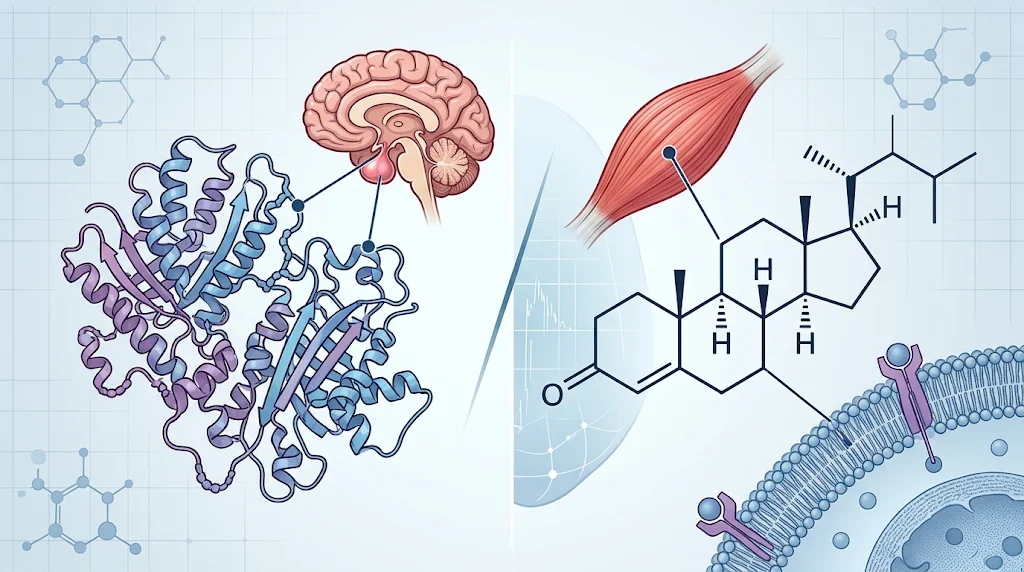
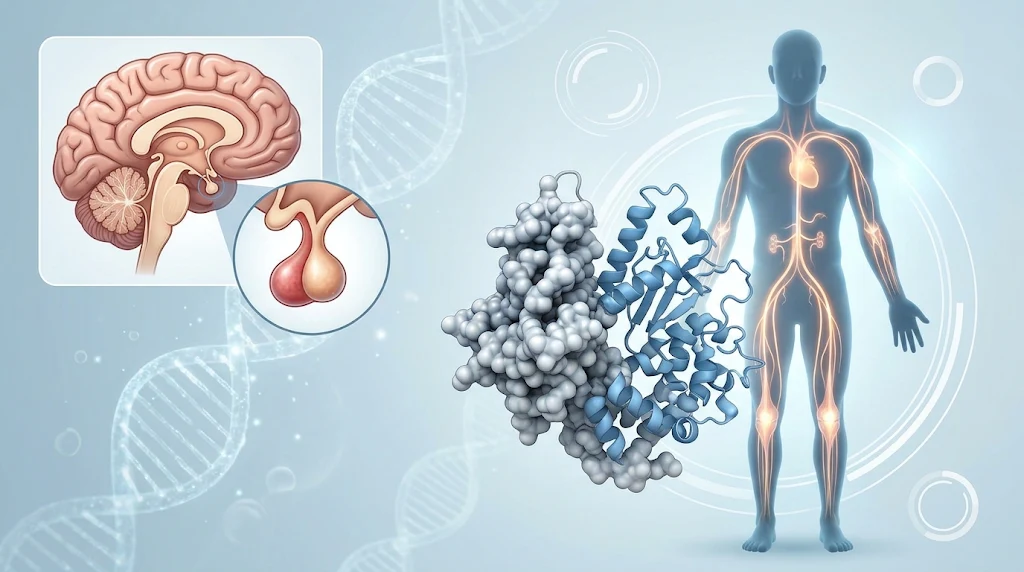
Human growth hormone is a protein-based hormone produced by the pituitary gland, a small endocrine gland located near the base of the brain. The pituitary gland is often described as an important control center of the endocrine system because it releases hormones that influence several other organs and biological processes.
HGH is particularly important for regulating growth during childhood and adolescence. It supports the development of bones, muscles, and other body tissues while helping regulate metabolism. Although its name suggests that it is mainly responsible for increasing height, its biological functions extend beyond skeletal growth.
The hormone works by interacting with specific receptors in different tissues. It also stimulates the production of insulin-like growth factor 1, commonly known as IGF-1. This growth factor is produced mainly in the liver and contributes to many of the growth-promoting effects associated with HGH.
Understanding Human Growth Hormone
Human growth hormone is part of the endocrine system, which uses chemical messengers to coordinate activities throughout the body. Unlike some hormones that primarily influence one organ, HGH affects several tissues and participates in multiple physiological processes.
One of its major functions is supporting protein synthesis, which is necessary for maintaining and developing body tissues. It also influences how the body uses carbohydrates and fats for energy. These metabolic activities help maintain normal physiological function.
Growth hormone is especially important during periods of rapid development. During childhood and adolescence, it contributes to the growth of bones and other tissues. During adulthood, its functions shift toward maintaining normal tissue health, metabolism, and body composition.
Where Is HGH Produced in the Body?
HGH is produced by specialized cells called somatotrophs in the anterior pituitary gland. These cells release growth hormone into the bloodstream, allowing it to travel throughout the body and interact with different tissues.
The hypothalamus, a region of the brain, helps regulate this process. It produces growth hormone-releasing hormone, which stimulates the pituitary gland to release HGH. Another hormone called somatostatin helps reduce growth hormone secretion.
This regulatory relationship allows the body to adjust hormone production according to changing physiological requirements. Sleep, age, nutrition, physical activity, and other biological factors can influence the timing and amount of growth hormone released.
How HGH Is Released Into the Bloodstream
HGH is not released continuously at the same level throughout the day. Instead, the pituitary gland releases it in pulses. These fluctuations are part of the body’s normal hormonal rhythm.
Growth hormone secretion is influenced by several signals from the brain and other parts of the body. Its release is often associated with deep sleep, particularly during the earlier part of the nighttime sleep cycle. Other physiological conditions can also influence secretion.
Because HGH levels fluctuate naturally, a single blood measurement may not provide a complete understanding of growth hormone activity. Medical professionals consider the broader clinical picture and may use additional tests when evaluating suspected hormone disorders.
What HGH Does in the Human Body
Human growth hormone influences several important systems that help the body develop and maintain healthy tissues. Its effects are connected to growth, metabolism, protein production, bone development, and cellular activity. These functions are coordinated through direct hormonal signals and interactions with other growth-related substances.
How HGH Supports Normal Growth and Development
One of the primary functions of HGH is supporting normal physical growth during childhood and adolescence. It helps stimulate the development of bones and other tissues while coordinating with additional hormones involved in physical maturation. Growth hormone is particularly important for the development of long bones, which contribute to increases in height during childhood and adolescence.
HGH supports this process partly by stimulating the production of IGF-1. This hormone promotes cellular growth and activity in developing tissues. Together, HGH and IGF-1 contribute to the normal development of the skeleton and other structures throughout the body.
Growth hormone does not work independently. Thyroid hormones, nutritional status, genetics, and other endocrine signals also influence physical development. Normal growth depends on the combined activity of these systems rather than the amount of a single hormone alone.
The Role of HGH in Muscle Growth and Repair
HGH participates in protein metabolism, which is an important process for maintaining muscle tissue. Proteins are essential components of muscle cells and help support their normal structure and function. Growth hormone influences how the body uses amino acids and supports protein-related biological activity.
The hormone also contributes to the maintenance of lean body tissue. Its activity is connected to the regulation of muscle metabolism and the body’s response to changing energy requirements. However, muscle development involves many factors, including genetics, nutrition, physical activity, sleep, and several other hormones.
It is important to understand that naturally occurring HGH is not the only factor responsible for muscle growth. Healthy muscle development depends on a complex combination of biological and lifestyle-related processes.
How HGH Helps Maintain Bone Health
Bone health is another important area influenced by growth hormone. HGH and IGF-1 contribute to bone formation, development, and remodeling. Bone remodeling is the continuous process through which old bone tissue is removed and new bone tissue is formed.
During childhood and adolescence, growth hormone supports the development of the skeleton and helps regulate the activity of cells involved in bone growth. During adulthood, its role is more closely associated with maintaining normal bone metabolism and tissue health.
Appropriate growth hormone activity contributes to the body’s ability to maintain healthy skeletal structures. However, bone health also depends on calcium, vitamin D, nutrition, physical activity, genetics, and other hormones.
HGH and Tissue Regeneration
The body constantly maintains and replaces different types of cells and tissues. Growth hormone participates in several processes associated with cellular growth, protein production, and tissue maintenance. These activities help support normal biological functions throughout life.
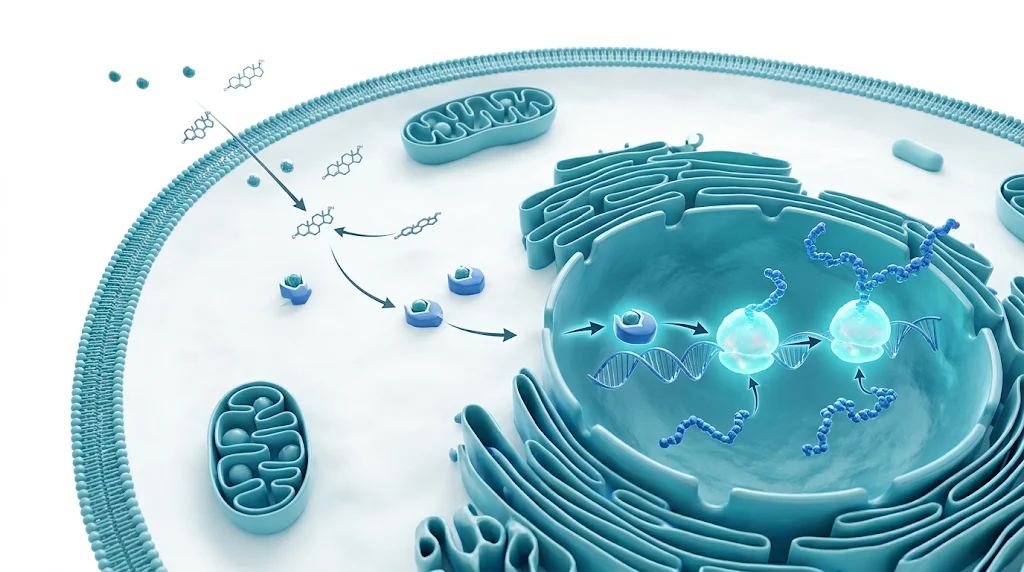
HGH interacts with growth hormone receptors found in different tissues. These interactions activate cellular signaling pathways that influence growth-related activities. IGF-1 also contributes to these processes by regulating cell development and protein synthesis.
Although HGH is involved in tissue maintenance, it should not be described as a general treatment for injuries or a guaranteed way to accelerate recovery. Tissue repair is a complex biological process involving inflammation, immune activity, circulation, cellular communication, and other growth-related signals.
How HGH Influences Metabolism
Metabolism refers to the chemical processes through which the body converts nutrients into energy and maintains normal cellular functions. HGH plays an important role in regulating protein, carbohydrate, and fat metabolism.
Growth hormone influences how the body uses stored fat for energy. It promotes lipolysis, the process through which stored triglycerides are broken down into fatty acids. It also affects how different tissues respond to glucose and insulin.
These activities help coordinate energy use throughout the body. However, HGH does not independently determine body weight or body composition. Metabolic health is influenced by several factors, including genetics, nutrition, physical activity, sleep, and other hormonal systems.
What Does HGH Do for Adults?
Although HGH is strongly associated with childhood growth, it remains biologically active throughout adulthood. Its functions change as the body completes its major stages of physical development. Adults generally no longer experience increases in bone length after the growth plates have closed, but growth hormone continues to influence metabolism and tissue maintenance.
In adulthood, HGH contributes to the regulation of body composition, bone metabolism, and protein-related processes. It also participates in the body’s response to energy demands and helps maintain normal physiological activity.
Maintaining Muscle and Bone Mass
HGH contributes to the maintenance of muscle and bone tissue throughout adult life. Its interaction with IGF-1 influences protein metabolism and bone-related cellular activity. These processes help support normal tissue structure and function.
Healthy muscle maintenance is important for movement, physical function, and everyday activities. Similarly, maintaining adequate bone mass helps support the skeleton and its ability to perform its structural functions.
However, HGH is only one part of this process. Nutrition, physical activity, age, genetics, and other hormones all contribute to muscle and bone health.
Supporting Normal Metabolic Functions
Growth hormone influences the way the body processes carbohydrates, fats, and proteins. These nutrients provide energy and materials required for cellular maintenance. HGH helps regulate the movement and use of these substances within different tissues.
Its effects on fat metabolism are particularly important because it influences the release of fatty acids from stored fat. It also affects glucose regulation, which is closely connected to insulin activity.
A balanced metabolic system depends on several hormones working together. HGH contributes to this balance but does not control the entire metabolic process.
Helping Maintain Healthy Body Composition
Body composition refers to the proportions of different tissues and components that make up the human body. These include muscle, fat, bone, and water. Growth hormone participates in the regulation of body composition through its effects on protein and fat metabolism.
In adults with medically confirmed growth hormone deficiency, treatment may improve certain aspects of body composition. However, these medical findings should not be interpreted as evidence that HGH is necessary or beneficial for people who already produce adequate amounts naturally.
Healthy body composition is influenced by many interconnected factors. Growth hormone is one component of a much larger physiological system.
The Importance of HGH in Adult Health
Normal growth hormone activity supports several biological processes that continue throughout adulthood. These include protein metabolism, bone maintenance, and the regulation of energy use. The hormone also interacts with other endocrine signals that influence overall physiological function.
A deficiency in growth hormone during adulthood can affect physical health, but similar symptoms can also occur for many unrelated reasons. Fatigue, changes in body composition, and reduced physical strength do not automatically indicate a hormonal disorder.
Medical evaluation is important when a growth hormone problem is suspected. Proper assessment helps identify the underlying cause instead of assuming that every change in physical health is related to HGH.
How HGH Works in the Body
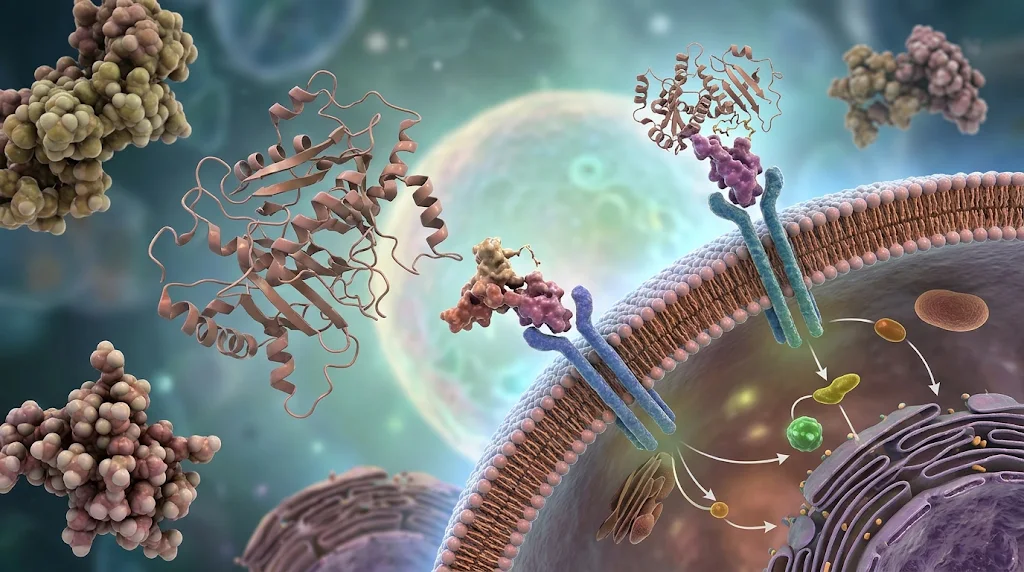
Growth hormone works through a coordinated signaling system involving the pituitary gland, bloodstream, liver, and various body tissues. After being released into circulation, HGH travels to cells that contain growth hormone receptors. These receptors recognize the hormone and activate internal signaling processes.
Some of the hormone’s effects occur directly through these receptors, while others are mediated by IGF-1. This combination allows growth hormone to influence different biological activities throughout the body.
The Relationship Between HGH and the Liver
The liver is an important organ in the growth hormone signaling system. When HGH reaches the liver, it interacts with growth hormone receptors and stimulates the production of IGF-1.
IGF-1 is released into the bloodstream and travels to different tissues. It helps regulate cellular growth, protein synthesis, and skeletal development. The liver therefore plays a major role in translating growth hormone signals into broader biological effects.
Although the liver is the main source of circulating IGF-1, other tissues can also produce IGF-1 locally. This allows growth-related signaling to occur in different parts of the body.
What Is IGF-1 and How Does It Work?
Insulin-like growth factor 1 is a hormone that plays an important role in growth and development. It is closely associated with HGH because growth hormone stimulates its production.
IGF-1 helps regulate cell growth, differentiation, and protein synthesis. These functions are important for the development and maintenance of several tissues, including bones and muscles.
The relationship between HGH and IGF-1 is an important part of normal endocrine function. Growth hormone helps stimulate IGF-1 production, while IGF-1 contributes to many of the biological effects associated with growth and development.
Because IGF-1 levels are generally more stable throughout the day than HGH levels, healthcare professionals may measure IGF-1 when investigating possible growth hormone disorders.
MedlinePlus+1
How HGH Influences Different Body Tissues
Growth hormone receptors are found in different tissues throughout the body. When HGH binds to these receptors, it activates cellular signaling pathways that influence biological activity.
In bone tissue, growth hormone and IGF-1 contribute to development and remodeling. In muscle tissue, they influence protein metabolism and cellular functions. In fat tissue, HGH participates in the regulation of stored energy and fatty acid release.
These effects are interconnected. The hormone does not perform an isolated function in each organ but contributes to a wider system of biological regulation.
The Role of Hormonal Regulation
The body carefully controls growth hormone production through communication between the hypothalamus and pituitary gland. The hypothalamus produces growth hormone-releasing hormone, which encourages HGH secretion. It also produces somatostatin, which suppresses the release of growth hormone.
IGF-1 participates in feedback regulation by influencing the signals that control further growth hormone production. This feedback system helps prevent hormone activity from becoming unnecessarily high or low.
Proper hormonal regulation is essential because growth hormone influences several important physiological processes. Disruptions in this system can contribute to growth-related and metabolic disorders.
What Factors Affect HGH Production?
Growth hormone production naturally changes throughout life. Its secretion is influenced by biological rhythms, age, sleep, physical activity, nutrition, and overall health. These factors help explain why HGH levels can vary considerably between individuals and at different times.
Age and Natural HGH Production
Growth hormone production is generally higher during childhood and adolescence because these stages involve rapid physical development. Its secretion often reaches higher levels around puberty and gradually declines as people become older.
This natural change is part of human development. It does not automatically indicate a medical problem or mean that adults require additional growth hormone.
The body’s need for growth-related activity changes over time. During childhood, HGH is strongly involved in increasing bone length and supporting physical development. During adulthood, its functions are more closely connected to metabolism and tissue maintenance.
The Relationship Between Sleep and HGH
Sleep is an important regulator of growth hormone secretion. The pituitary gland releases significant amounts of HGH during certain stages of sleep, particularly deep sleep.
The relationship between sleep and hormone production demonstrates how the endocrine system follows natural biological rhythms. Sleep also supports immune function, memory, metabolism, and many other processes that contribute to overall health.
Consistent, adequate sleep is an important part of maintaining normal physiological function. However, sleep should not be considered a medical treatment for diagnosed growth hormone deficiency.
Physical Activity and Growth Hormone
Physical activity can influence growth hormone secretion. Exercise produces several physiological changes, including alterations in energy use, circulation, and hormonal signaling.
The body’s hormonal response to physical activity depends on factors such as exercise intensity, duration, fitness level, and individual physiology. Growth hormone is one of several hormones involved in the body’s response to physical demands.
Regular physical activity supports general health, cardiovascular function, and muscle and bone maintenance. Its benefits extend beyond changes in any single hormone.
Nutrition and Hormonal Health
Nutrition provides the energy and essential nutrients required for normal hormone production and tissue maintenance. The endocrine system depends on adequate nutritional support to perform its functions effectively.
Protein, carbohydrates, fats, vitamins, and minerals all contribute to different aspects of normal metabolism. Nutritional deficiencies and certain health conditions can affect growth and hormonal regulation.
A balanced diet supports overall development and metabolic health. There is no need to use unproven hormone-boosting products to maintain normal growth hormone function.
Medical Conditions That Affect HGH Levels
Several medical conditions can influence growth hormone production or the body’s ability to respond to it. Problems involving the hypothalamus or pituitary gland can interfere with normal hormone secretion.
Certain genetic conditions, structural abnormalities, and injuries affecting the brain or pituitary region may also contribute to growth hormone disorders. Some medical treatments can affect the endocrine system as well.
Because hormone production involves several organs and regulatory signals, identifying the underlying cause of an abnormal growth pattern or suspected deficiency requires appropriate medical assessment.
What Happens When HGH Levels Are Too Low?
Growth hormone deficiency occurs when the body does not produce enough growth hormone to support normal physiological functions. This condition can affect children and adults, although its effects differ depending on the person’s age and stage of development.
In children, insufficient HGH can interfere with normal growth and development. In adults, it may affect body composition, bone health, and metabolism. The severity of symptoms depends on the underlying cause and whether other hormonal systems are also affected.
Signs and Symptoms of Growth Hormone Deficiency
The symptoms of growth hormone deficiency vary between individuals. Children may experience slower-than-expected growth, delayed physical development, and changes in their normal growth pattern. These symptoms can become noticeable over time as growth progresses more slowly than expected.
Adults with growth hormone deficiency may experience reduced muscle mass, increased body fat, lower bone density, and reduced energy levels. Some people may also experience changes in their general physical well-being.
However, these symptoms are not specific to HGH deficiency. Other medical conditions can produce similar changes, which is why professional evaluation is important.
How HGH Deficiency Affects Children
Growth hormone is particularly important during childhood because the body is developing rapidly. Insufficient hormone production can interfere with normal bone growth and contribute to shorter-than-expected height.
Children with growth hormone deficiency may also experience changes in body composition and physical development. The condition can be associated with problems involving the pituitary gland, hypothalamus, or other parts of the endocrine system.
Early diagnosis is important because growth hormone deficiency can affect long-term physical development. Healthcare professionals evaluate growth patterns, medical history, physical development, and appropriate laboratory results before determining whether a child has a hormone disorder.
How HGH Deficiency Affects Adults
Adults with growth hormone deficiency may experience changes in muscle mass, bone density, and fat distribution. The condition can also affect normal metabolic processes and physical well-being.
Unlike childhood deficiency, adult growth hormone deficiency does not generally affect height because the long bones have completed their lengthwise growth. Instead, its effects are more closely associated with metabolism and tissue maintenance.
The condition may develop in adulthood or continue from a deficiency diagnosed during childhood. Pituitary disorders and certain medical conditions affecting the brain can contribute to reduced growth hormone production.
Potential Long-Term Health Effects
Untreated growth hormone deficiency may affect several aspects of long-term health. Children may experience impaired growth and delayed physical development, while adults may develop reduced bone density and changes in body composition.
The condition can also occur alongside deficiencies of other pituitary hormones. When multiple hormones are affected, the overall health consequences may become more complicated.
Appropriate diagnosis and medical care are important for identifying the cause and determining whether treatment is necessary.
MedlinePlus+2
What Happens When HGH Levels Are Too High?
Excessive growth hormone production can also cause health problems. The effects depend partly on whether the condition develops before or after the growth plates in the bones have closed.
Excess HGH during childhood can cause abnormal increases in height and skeletal growth. In adults, excessive growth hormone can cause changes in bones, cartilage, soft tissues, and internal organs.
These conditions are uncommon but require medical attention because prolonged exposure to excessive growth hormone can affect several body systems.
Understanding Excess Growth Hormone
Excess growth hormone occurs when the pituitary gland releases more HGH than the body needs. A common underlying cause is a growth hormone-producing pituitary tumor, which is usually noncancerous.
The excessive hormone stimulates IGF-1 production and increases growth-related activity in different tissues. Over time, this can lead to noticeable physical changes and metabolic complications.
The symptoms may develop gradually, meaning that the condition can remain unrecognized for an extended period. Medical testing is necessary to identify abnormal hormone activity and determine its cause.
Acromegaly and Its Effects on Adults
Acromegaly is a medical condition caused by excessive growth hormone production after the growth plates have closed. Because the bones can no longer increase in length normally, the condition primarily causes changes in bone thickness and soft tissue growth.
People with acromegaly may experience enlargement of their hands, feet, and facial structures. Other changes can include joint discomfort, excessive sweating, and changes in skin texture.
The condition can also affect internal organs and metabolic health. Without appropriate treatment, excessive growth hormone activity may contribute to diabetes, high blood pressure, cardiovascular problems, and joint disorders.
Acromegaly is generally associated with a pituitary tumor that produces too much growth hormone.
NIDDK+1
Gigantism and Excessive Growth in Children
Gigantism is a rare condition that develops when excessive growth hormone is present before the growth plates close. It causes unusually rapid skeletal growth and increases in height.
The condition usually results from excessive HGH production associated with a pituitary tumor. Children with gigantism may experience accelerated growth and other physical changes.
Early medical evaluation is important because excessive growth hormone can affect several developing body systems. Treatment focuses on addressing the underlying cause and controlling abnormal hormone production.
Health Complications Associated With High HGH Levels
Long-term exposure to excessive growth hormone can affect different aspects of health. It may interfere with normal glucose regulation, increase the risk of insulin resistance, and contribute to diabetes.
Excessive hormone activity can also affect cardiovascular health, joints, and soft tissues. The severity of these complications depends on the duration and extent of hormone excess.
Medical professionals evaluate hormone levels and investigate the underlying cause before deciding on appropriate treatment. Controlling excessive growth hormone activity is important for reducing potential complications.
Natural HGH Production vs. Synthetic HGH
The body naturally produces human growth hormone through the pituitary gland. However, medical science has also developed synthetic growth hormone for treating specific conditions associated with insufficient hormone production.
Natural HGH and medically manufactured HGH have similar biological actions, but their use and purpose are different. Natural production is controlled by the body’s endocrine system, while prescribed treatment involves medical supervision.
Understanding this distinction is important when discussing hormone-related treatments and their effects on human health.
How the Body Naturally Produces HGH
Natural HGH production is controlled by communication between the hypothalamus and pituitary gland. These structures regulate hormone release according to the body’s biological requirements.
Growth hormone is released in pulses rather than at a constant rate. Its production changes with age, sleep patterns, physical activity, and other physiological conditions.
This natural regulatory system helps maintain appropriate hormone activity throughout life. It also allows the body to respond to changing growth and metabolic requirements.
What Is Synthetic Human Growth Hormone?
Synthetic human growth hormone is a medically manufactured version of growth hormone. It is designed to produce biological effects similar to naturally occurring HGH.
Prescription growth hormone is used in specific medical situations where treatment has been determined to be appropriate. Its use requires professional assessment because growth hormone influences several important biological systems.
Synthetic HGH is not a general-purpose health product. Having normal growth hormone levels does not mean that additional hormone treatment is necessary or beneficial.
Medical Uses of Prescription HGH
Prescription HGH has established medical uses for certain children and adults with diagnosed growth-related or hormonal conditions. In children, treatment may be appropriate for specific causes of growth failure associated with growth hormone deficiency and certain other diagnosed conditions.
In adults, prescribed growth hormone may be used to treat confirmed growth hormone deficiency. The decision depends on medical history, diagnostic findings, and individual health requirements.
Treatment is monitored by healthcare professionals to evaluate its effectiveness and identify potential complications. The purpose of medical treatment is to address a diagnosed health condition rather than improve physical performance or produce unnecessary changes in body composition.
Important Differences Between Natural and Synthetic HGH
Natural HGH is produced by the pituitary gland and regulated by the body’s endocrine system. Its secretion changes throughout the day according to biological signals and physiological requirements.
Synthetic HGH is manufactured for medical use and provides growth hormone activity through a prescribed treatment. Unlike natural hormone secretion, medical treatment requires careful monitoring to ensure that its effects remain appropriate.
Both forms interact with growth hormone receptors and influence related biological pathways. However, synthetic HGH should only be used when a qualified healthcare professional determines that it is medically necessary.
What Are the Risks of Using HGH Without Medical Supervision?
Growth hormone has important biological functions, but excessive or inappropriate exposure can cause unwanted health effects. The fact that HGH occurs naturally in the body does not mean that additional amounts are automatically safe.
Medical growth hormone treatment is intended for specific diagnosed conditions. Using it without an appropriate medical reason can interfere with normal hormonal and metabolic regulation.
Potential Side Effects of HGH
Prescription growth hormone can cause side effects, particularly when treatment is not appropriate or when the body’s response requires additional medical attention.
Possible adverse effects include fluid retention, joint discomfort, muscle pain, and changes in sensation. Some people may also experience headaches or other symptoms that require medical evaluation.
The likelihood and severity of side effects depend on individual health conditions and treatment circumstances. Medical supervision helps identify problems and determine whether treatment needs to be adjusted or discontinued.
Effects on Blood Sugar Regulation
Growth hormone influences how the body processes glucose and responds to insulin. Excessive growth hormone activity can reduce insulin sensitivity, making it more difficult for certain tissues to use glucose effectively.
This can increase blood glucose levels and contribute to metabolic complications. People with existing problems involving blood sugar regulation may require particular attention during medically supervised growth hormone treatment.
The relationship between HGH and glucose metabolism demonstrates why hormone treatment should be based on a clear medical indication.
Fluid Retention and Joint Discomfort
Fluid retention is a recognized side effect associated with growth hormone treatment. Changes in fluid balance can contribute to swelling and discomfort in different parts of the body.
Some individuals may also experience muscle aches, joint pain, or unusual sensations. These effects can interfere with everyday comfort and physical function.
Anyone receiving prescribed growth hormone should discuss new or persistent symptoms with their healthcare professional. Monitoring helps ensure that potential complications are identified appropriately.
Why Unnecessary HGH Use Can Be Harmful
Using growth hormone without a diagnosed deficiency or another approved medical reason can expose the body to unnecessary risks. Excessive hormone activity may interfere with glucose regulation and contribute to unwanted changes in tissues and fluid balance.
Claims that HGH is a general solution for aging, muscle development, or physical performance should be treated carefully. Its biological effects are complex, and medical treatment is not equivalent to ordinary health or fitness support.
The safest approach is to maintain general health through appropriate nutrition, sleep, physical activity, and professional medical care when needed.
How Is HGH Deficiency Diagnosed and Treated?
Diagnosing growth hormone deficiency requires a medical evaluation because hormone levels naturally fluctuate throughout the day. A single blood test is usually insufficient to establish the condition.
Healthcare professionals consider symptoms, growth patterns, medical history, and laboratory findings. Additional testing may be necessary to determine whether the pituitary gland is producing an appropriate amount of growth hormone.
Medical Tests Used to Evaluate HGH Levels
Doctors may use blood tests to measure IGF-1 and other substances associated with growth hormone activity. IGF-1 is particularly useful because its levels are generally more stable throughout the day than HGH itself.
The results are interpreted according to age, medical history, and other relevant health factors. Additional examinations may be necessary when an abnormal result suggests a problem involving the pituitary gland.
Medical testing is important because symptoms associated with growth hormone deficiency can overlap with many other conditions.
Understanding Growth Hormone Stimulation Tests
A growth hormone stimulation test is used when a healthcare professional suspects that the pituitary gland is not producing enough HGH.
During this medical evaluation, a healthcare professional monitors hormone responses following a medically supervised stimulus. Blood samples are collected at different times to determine whether growth hormone production increases appropriately.
The results help doctors assess pituitary function and identify possible growth hormone deficiency. Other tests may be performed to investigate the underlying cause.
When HGH Treatment May Be Medically Necessary
Growth hormone treatment may be considered when a person has a confirmed medical condition associated with insufficient growth hormone activity. The decision depends on diagnostic results, age, symptoms, and the underlying cause.
In children, treatment may help address impaired growth caused by specific medical conditions. In adults, it may be considered when growth hormone deficiency is properly established.
Not everyone with symptoms associated with low energy, reduced muscle mass, or changes in body composition has growth hormone deficiency. Proper diagnosis is essential before treatment is considered.
Monitoring Treatment and Potential Side Effects
People receiving prescribed growth hormone require regular medical follow-up. Healthcare professionals monitor treatment response, relevant laboratory findings, and possible side effects.
Monitoring may include assessments of IGF-1, glucose regulation, physical development, and other health indicators. The specific evaluation depends on the individual’s medical condition and treatment goals.
Ongoing medical supervision helps ensure that treatment remains appropriate and that potential complications are addressed promptly.
Frequently Asked Questions About What HGH Does
What Does HGH Do for Your Body?
HGH supports growth, tissue development, protein metabolism, bone health, and the regulation of energy use. It is particularly important during childhood and adolescence, but it continues to influence metabolic and tissue-related functions throughout adulthood.
Does HGH Help Build Muscle?
Growth hormone participates in protein metabolism and contributes to the maintenance of muscle tissue. However, muscle development depends on several factors, including physical activity, nutrition, genetics, and other hormones. Additional HGH is not a necessary or established general solution for muscle development in healthy individuals.
Does HGH Affect Metabolism?
Yes. HGH influences the metabolism of fats, proteins, and carbohydrates. It promotes the release of fatty acids from stored fat and affects how tissues respond to glucose and insulin. These activities help regulate the body’s energy use.
Does HGH Increase Height?
HGH contributes to height growth during childhood and adolescence by supporting the development of long bones. Once the growth plates close, additional growth hormone does not normally increase a person’s height.
Does HGH Production Decrease With Age?
Yes. Natural growth hormone secretion generally declines with age. This is a normal part of human development and does not automatically indicate growth hormone deficiency or a need for treatment.
Is HGH a Steroid?
No. HGH is a protein-based peptide hormone, not an anabolic steroid. Although both growth hormone and anabolic steroids can influence aspects of tissue growth and metabolism, they are different substances with different biological mechanisms.
Can the Body Produce HGH Naturally?
Yes. The pituitary gland naturally produces HGH throughout life. Its release is regulated by the hypothalamus and influenced by sleep, age, physical activity, and other physiological factors.
What Happens if the Body Produces Too Much HGH?
Excessive HGH production can cause medical conditions such as gigantism in children and acromegaly in adults. These conditions can affect bones, soft tissues, internal organs, and metabolic health. Medical evaluation is necessary to identify and manage excessive growth hormone production.
Conclusion
Human growth hormone plays an essential role in normal growth, development, and metabolic regulation. Produced by the pituitary gland, HGH influences bone development, muscle tissue, protein metabolism, fat metabolism, and several other biological processes. Its importance is particularly noticeable during childhood and adolescence, although it continues to support normal physiological functions throughout adulthood.
Understanding what HGH does also means recognizing the importance of hormonal balance. Insufficient growth hormone can interfere with normal development and affect adult health, while excessive hormone production can contribute to conditions such as gigantism and acromegaly.
Although synthetic growth hormone has legitimate medical applications, it is not a general solution for improving physical appearance, building muscle, or reversing aging. Its use requires an appropriate medical diagnosis and professional supervision.
Maintaining overall health involves supporting the body’s natural biological processes through balanced nutrition, adequate sleep, regular physical activity, and appropriate healthcare. When symptoms suggest a possible hormonal problem, professional medical evaluation is the most reliable way to understand the cause and determine whether treatment is necessary.