

Blog
How Do Anabolic Steroids Affect the Body? Benefits & Risks


Anabolic steroids can affect many different systems in the human body, including the muscles, hormones, brain, heart, liver, kidneys, and reproductive organs. These substances are synthetic versions of testosterone, a hormone that plays an important role in physical development, muscle growth, and reproductive health. Although anabolic steroids have legitimate medical uses under professional supervision, their non-medical use can create significant health risks. Understanding how anabolic steroids affect the body is important because their effects extend far beyond changes in muscle size and physical appearance.
Anabolic steroids influence the body’s natural hormone balance and affect several biological processes. They can change how the body produces proteins, regulates hormones, maintains cholesterol levels, and controls reproductive functions. Some effects may appear relatively quickly, while others develop gradually after prolonged exposure. The severity of these effects depends on several factors, including the substance involved, the individual’s age, overall health, and duration of exposure.
It is also important to understand that anabolic steroids do not affect everyone in exactly the same way. Biological differences, genetics, existing medical conditions, and individual hormone levels can influence how the body responds. While some changes may improve after stopping steroid exposure, other complications can persist and require medical attention. This article explains how anabolic steroids affect different parts of the body, their short-term and long-term effects, and why medical supervision is essential.
What Are Anabolic Steroids?
Anabolic steroids, medically known as anabolic-androgenic steroids, are synthetic substances designed to produce effects similar to testosterone. Testosterone is a naturally occurring hormone primarily produced in the testes, with smaller amounts produced by the ovaries and adrenal glands. It contributes to muscle development, bone health, red blood cell production, reproductive functions, and other important physiological processes.
The term anabolic refers to the processes involved in building tissues, particularly muscle proteins. The term androgenic describes the development and maintenance of male sexual characteristics. Anabolic steroids can influence both processes because they interact with androgen receptors throughout the body. These receptors are found in different tissues, which explains why steroid exposure can affect several organs and biological systems simultaneously.
Doctors sometimes prescribe anabolic steroids for specific medical conditions involving hormone deficiencies, muscle loss, or certain blood disorders. However, medical treatment involves carefully evaluating the patient’s condition and monitoring potential complications. Using these substances without an appropriate medical reason is different from receiving prescribed treatment.
Definition of Anabolic Steroids
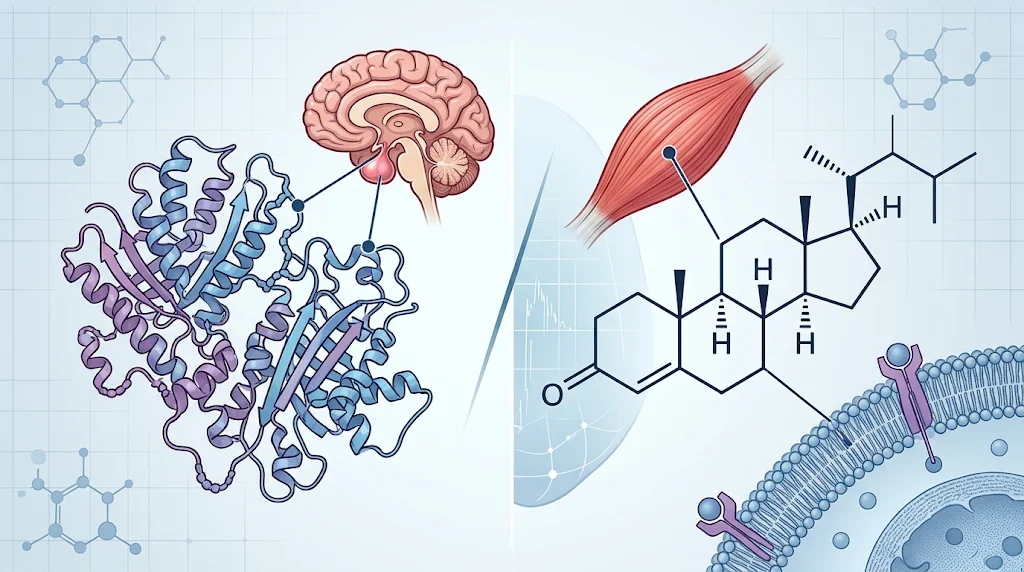
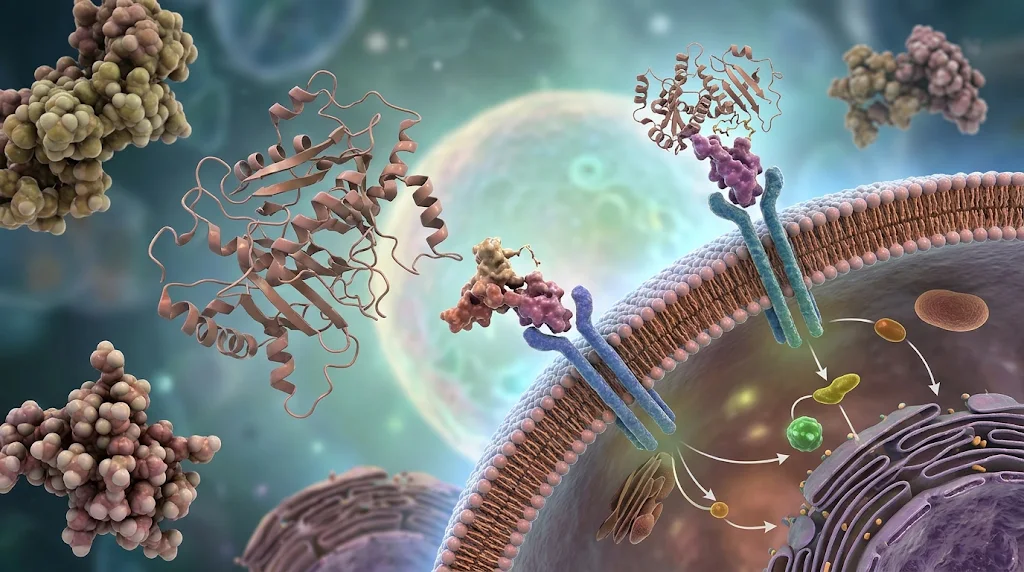
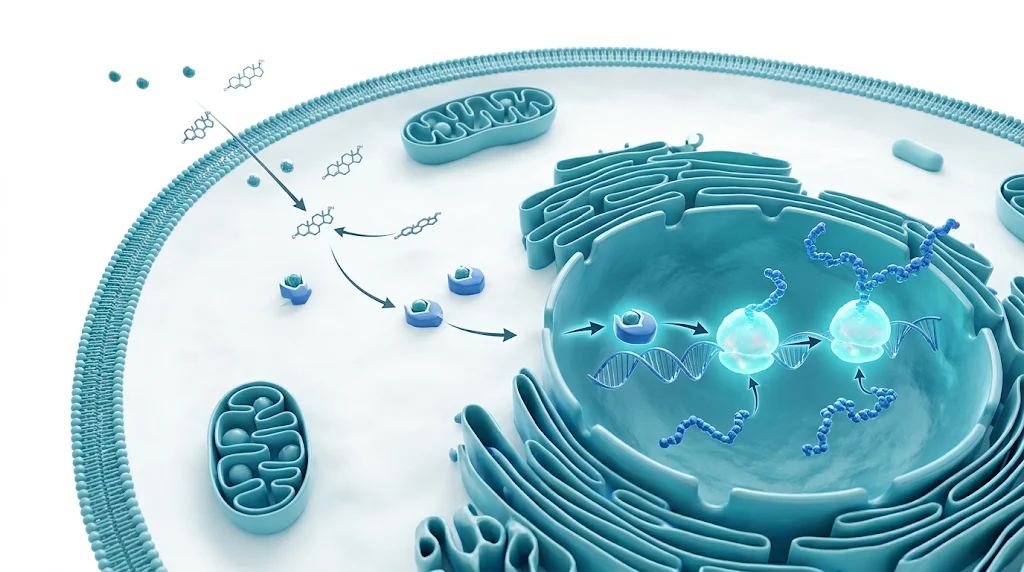
Anabolic steroids are synthetic derivatives of testosterone that influence protein metabolism and androgen-related biological activities. They interact with androgen receptors inside cells and affect the expression of particular genes involved in tissue development and maintenance. These interactions can increase protein synthesis and influence the body’s natural hormonal activity.
Their effects are not limited to skeletal muscles. Androgen receptors are present in the skin, liver, brain, reproductive organs, bones, and cardiovascular tissues. Consequently, anabolic steroid exposure can produce both intended biological effects and unwanted changes throughout the body.
How Anabolic Steroids Differ From Corticosteroids
Anabolic steroids and corticosteroids are different categories of medication, even though both contain the word steroids. Anabolic steroids are related to testosterone and influence muscle development and androgen activity. Corticosteroids are medications that resemble hormones produced by the adrenal glands and are commonly used to reduce inflammation and regulate immune responses.
These substances have different medical purposes and biological mechanisms. Corticosteroids can be prescribed for inflammatory conditions, allergic reactions, and certain immune-related diseases. Anabolic steroids may be prescribed for selected hormone deficiencies and other medical conditions. Understanding this distinction helps prevent confusion when discussing steroid medications and their potential effects.
Why Anabolic Steroids Affect Different Body Systems
Anabolic steroids affect multiple body systems because androgen receptors are distributed throughout the human body. When these substances interact with receptors, they can influence cellular activity, hormone regulation, protein production, and other physiological processes.
The endocrine system is particularly important because it regulates hormone production and communication between organs. Anabolic steroids can interfere with the body’s natural hormone signals, especially those responsible for reproductive functions. They can also influence cholesterol levels, blood pressure, and the production of certain proteins in the liver.
How Do Anabolic Steroids Affect the Body?
Anabolic steroids affect the body by changing how cells respond to androgen hormones. Their influence on protein synthesis can affect muscle tissue, while their interaction with hormonal pathways can disrupt normal endocrine functions. These changes may influence physical development, reproductive health, emotional well-being, and the function of vital organs.
The effects can be different depending on the type of steroid exposure and the person’s biological characteristics. Some changes involve visible physical characteristics, while others occur internally and may not produce noticeable symptoms during the early stages.
Effects on Muscle Growth and Protein Synthesis
One of the most recognized effects of anabolic steroids is their influence on muscle protein synthesis. Protein synthesis is the biological process through which cells create proteins needed for tissue maintenance, repair, and development. Testosterone and related hormones help regulate this process by interacting with androgen receptors in skeletal muscle cells.
Anabolic steroids can increase anabolic signaling and influence the balance between muscle protein synthesis and breakdown. This can contribute to changes in muscle size and composition. However, increased muscle development does not mean every part of the body becomes healthier or stronger.
Muscle tissue is only one component of the musculoskeletal system. Tendons, ligaments, joints, and other supporting structures may not adapt at the same rate as muscle tissue. This difference can contribute to physical problems and injuries, particularly when muscle strength changes faster than supporting tissues can accommodate.
Effects on Hormone Production
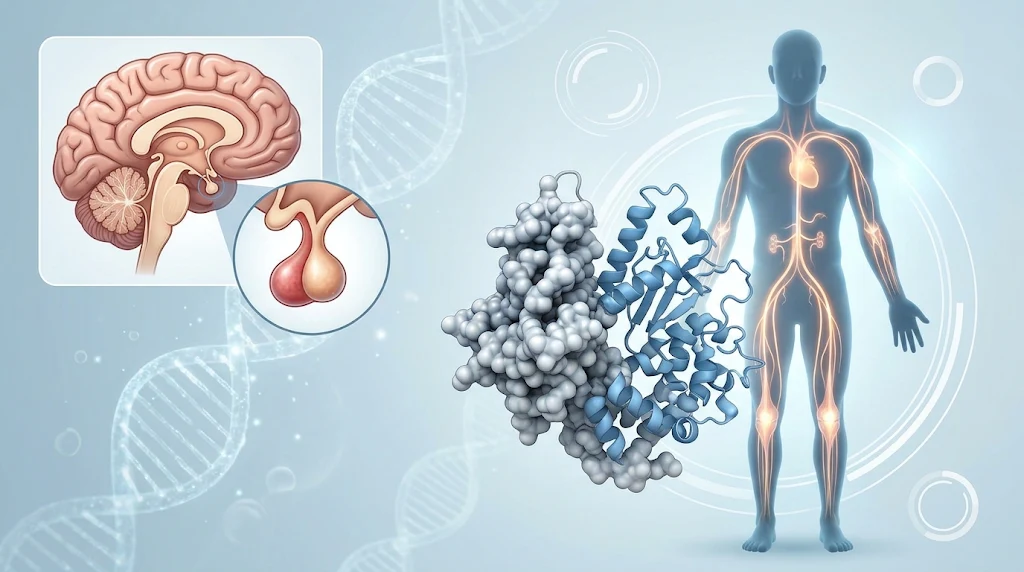
Anabolic steroids can significantly influence the endocrine system, which controls hormone production and regulation. Under normal circumstances, the hypothalamus and pituitary gland communicate with the reproductive organs to maintain balanced hormone levels.
When synthetic androgens enter the body, they can interfere with this communication system through negative feedback. The brain may reduce the signals that normally stimulate natural testosterone production. As a result, the body’s own hormone production can become suppressed.
This suppression can affect reproductive functions, sexual development, energy regulation, and other biological processes. Hormonal recovery after steroid exposure is not always immediate, and some individuals experience prolonged hormone imbalances that require medical evaluation.
Effects on Metabolism
Anabolic steroids can influence metabolic processes because hormones help regulate how the body uses nutrients and maintains different tissues. Androgen activity can affect protein metabolism, body composition, and certain aspects of energy regulation.
However, changes in muscle tissue do not automatically indicate improved metabolic health. Steroid exposure can also influence cholesterol levels, blood glucose regulation, and cardiovascular risk factors. These changes can vary between individuals and may develop without obvious physical symptoms.
The relationship between anabolic steroids and metabolism is complex because several hormonal and metabolic pathways interact. Therefore, physical changes alone cannot determine whether someone has developed a healthy metabolic profile.
Effects on the Brain and Nervous System
The brain contains androgen receptors that respond to testosterone and related hormones. These receptors are involved in several neurological processes, including mood regulation, motivation, behavior, and aspects of cognitive function.
Anabolic steroid exposure can influence the chemical signaling systems involved in emotional regulation. Some individuals may experience changes in irritability, anxiety, mood stability, or sleep patterns. These effects can vary considerably and may be influenced by existing mental health conditions and other individual factors.
Hormonal changes can also influence how people experience stress and emotional challenges. Because the brain and endocrine system communicate continuously, disruptions in hormone regulation can have effects beyond physical development.
Effects on the Reproductive System
The reproductive system is particularly sensitive to changes in androgen levels. Natural testosterone production is regulated through communication between the hypothalamus, pituitary gland, and reproductive organs. Anabolic steroids can interfere with this process and reduce the body’s natural production of reproductive hormones.
In males, suppressed natural testosterone production can contribute to reduced sperm production, testicular shrinkage, and fertility problems. In females, androgen exposure can interfere with normal menstrual cycles and reproductive hormone regulation.
The reproductive effects depend on individual circumstances and may not disappear immediately after exposure ends. Some people experience improvements over time, while others may require specialist medical care.
How Anabolic Steroids Affect Different Organs
Anabolic steroids can influence several organs because their biological activity is not restricted to skeletal muscle. Different organs respond to hormonal changes in different ways, and the resulting health effects can range from temporary changes to serious complications.
Understanding these organ-specific effects is important because some steroid-related problems develop internally without obvious warning signs.
Effects on the Heart and Cardiovascular System
The cardiovascular system is one of the major areas of concern associated with non-medical anabolic steroid use. These substances can negatively influence cholesterol levels by reducing high-density lipoprotein cholesterol and increasing low-density lipoprotein cholesterol.
These changes can contribute to the development of atherosclerosis, a condition in which fatty deposits accumulate inside artery walls. Over time, narrowed arteries can reduce blood flow and increase the risk of serious cardiovascular complications.
Anabolic steroids may also contribute to increased blood pressure and changes in heart structure and function. Long-term exposure has been associated with heart muscle abnormalities and an increased risk of heart-related problems.
The cardiovascular effects are particularly concerning because they may develop without obvious symptoms. Regular medical evaluation is important for individuals receiving prescribed treatment that could affect cardiovascular health.
Effects on the Liver
The liver is responsible for processing many substances, regulating metabolism, and producing proteins necessary for normal bodily functions. Certain anabolic steroids can place additional stress on the liver and interfere with its normal activity.
Some anabolic steroids, particularly certain orally active forms, are associated with liver toxicity. Potential complications include changes in liver enzyme levels, cholestasis, and other forms of liver injury. In more serious situations, prolonged exposure can be associated with significant liver damage.
Liver-related complications may not produce noticeable symptoms during their early stages. This is why medical professionals may recommend appropriate laboratory monitoring when prescribing medications with potential liver effects.
Effects on the Kidneys
The kidneys help remove waste products from the blood, regulate fluid balance, and maintain electrolyte levels. Although anabolic steroids are not primarily known as kidney medications, their effects on blood pressure, metabolism, and cardiovascular function can indirectly influence kidney health.
High blood pressure can place additional stress on the small blood vessels inside the kidneys. Over time, persistent cardiovascular problems may interfere with normal kidney function.
Some reports have also associated non-medical anabolic steroid use with kidney injury. The exact mechanisms can differ, and other health factors may contribute. Individuals experiencing unexplained changes in urination, swelling, or other concerning symptoms should seek medical assessment.
Effects on the Skin and Hair
Androgen hormones influence the activity of sebaceous glands, which produce natural oils that protect the skin. Increased androgen activity can stimulate these glands and contribute to excessive oil production.
As a result, anabolic steroid exposure may increase the likelihood of acne and other skin problems. These effects can occur on the face, chest, shoulders, and back. Existing skin conditions may also become more noticeable.
Hair growth patterns can change because androgen hormones influence hair follicles differently in different areas of the body. Individuals with a genetic predisposition to androgen-related hair loss may experience accelerated scalp hair thinning. Other changes in body hair may also occur.
Effects on the Bones and Muscles
Testosterone plays an important role in bone development and maintenance. It influences bone density and contributes to the normal development of the musculoskeletal system.
However, anabolic steroid exposure does not guarantee improved bone health. Hormonal disruption can affect normal growth and development, especially in adolescents and younger individuals whose bones are still developing.
Changes in muscle strength can also create problems when tendons and other connective tissues cannot adapt at the same rate. This may increase the risk of musculoskeletal injuries and interfere with normal physical function.
Short-Term Effects of Anabolic Steroids
Short-term effects are changes that may develop during or shortly after exposure to anabolic steroids. These effects can involve physical characteristics, hormone levels, emotional responses, and normal body functions.
Not everyone experiences the same symptoms, and the absence of immediate problems does not mean that steroid exposure is safe.
Physical Changes
Anabolic steroids can influence muscle tissue, skin activity, fluid balance, and other physical characteristics. Increased androgen activity may contribute to acne, oily skin, changes in hair growth, and fluid retention.
Some individuals may also experience increased blood pressure or changes in cholesterol levels. These internal changes can occur without noticeable symptoms, making medical assessment important.
Mood and Behavioral Changes
Hormonal changes can influence brain activity and emotional regulation. Some individuals experience increased irritability, anxiety, emotional instability, or changes in their usual behavior.
Sleep disturbances may also occur, which can affect concentration, emotional well-being, and daily activities. These effects can become more complicated when someone already has difficulties with anxiety, depression, or other mental health concerns.
Hormonal Changes
Anabolic steroids can suppress natural hormone production through feedback mechanisms involving the hypothalamus and pituitary gland. This can interfere with normal testosterone production and reproductive hormone regulation.
Hormonal suppression may contribute to changes in sexual function, fertility, and general well-being. The degree of suppression varies, and recovery can take time after exposure ends.
Sleep and Energy Changes
Hormones influence several processes associated with sleep and energy regulation. Changes in hormone balance can affect sleep quality, emotional stability, and daily energy levels.
Some individuals may experience difficulty sleeping or changes in their usual sleep patterns. Persistent sleep disturbances can affect physical recovery, concentration, and overall quality of life.
Long-Term Effects of Anabolic Steroids
Long-term anabolic steroid exposure can create more serious health concerns because prolonged hormonal disruption may affect several organs simultaneously. Some complications can develop gradually and remain unnoticed until they become more severe.
The long-term effects depend on the substances involved, individual health conditions, and other contributing factors.
Long-Term Hormonal Imbalances
Prolonged exposure to anabolic steroids can interfere with the body’s natural hormone regulation. Suppression of natural testosterone production may continue even after steroid use has stopped.
Some individuals experience persistent low testosterone levels, reduced reproductive function, and changes in sexual health. Hormonal recovery varies, and some people need specialist evaluation and treatment.
Cardiovascular Health Problems
Long-term steroid exposure may increase cardiovascular risk through changes in cholesterol, blood pressure, and heart structure. These changes can contribute to a higher likelihood of developing cardiovascular disease.
Atherosclerosis and abnormal heart function are particularly concerning because they can affect the body’s ability to circulate blood effectively. Serious cardiovascular complications can have lasting consequences for overall health.
Liver and Kidney Complications
Long-term exposure to certain anabolic steroids can increase the risk of liver injury. Some forms of liver damage may improve after exposure ends, but severe complications can require extensive medical care.
Kidney health may also be affected through changes in blood pressure and other metabolic processes. Existing kidney conditions can make these risks more complicated.
Reproductive Health Problems
Anabolic steroids can interfere with normal reproductive hormone production in both males and females. In males, prolonged suppression may affect sperm production and fertility. In females, androgen exposure may contribute to menstrual irregularities and other reproductive changes.
Some reproductive effects can improve after hormonal recovery, but recovery is not guaranteed. Medical assessment is important when reproductive problems continue after exposure.
Potential Mental Health Effects
Long-term hormonal disruption may influence emotional well-being and psychological health. Some individuals experience ongoing mood changes, anxiety, sleep disturbances, or depressive symptoms.
Stopping anabolic steroids after prolonged exposure can also be associated with withdrawal-related symptoms because the body’s natural hormone production may remain suppressed. These experiences vary and should be discussed with a qualified healthcare professional.
How Anabolic Steroids Affect Men and Women Differently
Anabolic steroids can produce different effects in males and females because their natural hormone levels, reproductive systems, and biological characteristics differ.
Although both sexes have androgen receptors throughout the body, the consequences of increased androgen activity are not identical.
Effects on the Male Body
In males, anabolic steroids can interfere with the natural hormone signals responsible for testosterone production and sperm development. Reduced stimulation of the testes can lead to lower natural testosterone production and decreased sperm production.
Other potential effects include testicular shrinkage, fertility problems, acne, and changes in scalp hair growth. Some individuals may also experience breast tissue development because steroid-related hormonal changes can influence the balance between testosterone and estrogen.
The severity and reversibility of these effects vary. Persistent reproductive or hormonal problems require medical evaluation.
Effects on the Female Body
Females naturally produce smaller amounts of testosterone, but this hormone still contributes to several important biological functions. Increased androgen exposure can disrupt the normal balance of reproductive hormones.
Potential effects include irregular menstrual cycles, increased facial or body hair, acne, and changes in scalp hair growth. Some individuals may also experience voice changes and other signs of increased androgen activity.
Certain androgen-related changes, particularly voice deepening, may be permanent. This makes non-medical anabolic steroid exposure especially concerning for female reproductive and hormonal health.
Hormonal Differences and Reproductive Effects
The reproductive systems of males and females respond differently to changes in androgen levels. In males, suppression of natural testosterone production can affect sperm development and testicular function.
In females, excessive androgen activity can interfere with ovarian hormone regulation and normal menstrual cycles. Both situations demonstrate why hormonal balance is essential for reproductive health.
How Anabolic Steroids Affect Teenagers and Young Adults
Adolescence and early adulthood are important periods of physical, hormonal, and neurological development. During these stages, the body undergoes changes that support normal growth, bone development, reproductive maturity, and brain development.
Anabolic steroid exposure during these years can interfere with these processes. Younger individuals may face additional risks because their bodies have not completed all stages of development.
Effects on Normal Growth and Development
Bones contain growth plates that allow them to increase in length during childhood and adolescence. These growth plates gradually close as individuals reach skeletal maturity.
Sex hormones play an important role in this process. Excessive androgen exposure can accelerate bone maturation and contribute to premature growth plate closure. This may interfere with normal height development.
Effects on Hormonal Development
The endocrine system is still developing during adolescence. Introducing synthetic androgen hormones can interfere with the normal communication between the brain and reproductive organs.
This disruption may affect natural testosterone production, reproductive development, and other hormone-related processes. The consequences can vary depending on the individual’s developmental stage and exposure.
Potential Effects on Brain Development
The brain continues developing during adolescence and early adulthood. Hormones interact with neurological systems involved in emotional regulation, decision-making, and behavior.
Changes in androgen activity may influence these systems and contribute to mood or behavioral disturbances. More research is needed to understand every possible long-term neurological consequence of adolescent exposure.
Why Younger People Face Additional Risks
Younger individuals may be more vulnerable because their bones, reproductive systems, and endocrine pathways are still developing. Hormonal disruption during these important stages can interfere with normal biological processes.
For this reason, non-medical anabolic steroid use is particularly concerning for adolescents. Medical treatment involving hormones should only occur when prescribed and monitored by qualified healthcare professionals.
Can the Effects of Anabolic Steroids Be Reversed?
Some anabolic steroid-related effects may improve after exposure ends, but recovery is not guaranteed. The outcome depends on the type of substance, duration of exposure, individual health, and whether permanent tissue changes have occurred.
Hormonal recovery can be particularly unpredictable because the endocrine system may need time to restore its natural signaling patterns.
Which Physical Effects May Improve?
Some physical changes associated with anabolic steroid exposure may gradually improve after stopping exposure. Acne, fluid retention, and certain temporary hormonal changes may become less noticeable as the body returns toward its previous physiological balance.
However, improvements depend on individual circumstances. Certain effects involving reproductive function, cardiovascular health, or permanent physical changes may not fully reverse.
Hormonal Recovery After Steroid Use
Natural hormone production may remain suppressed for a period after anabolic steroid exposure ends. The hypothalamus and pituitary gland may need time to resume normal signaling to the reproductive organs.
Recovery can vary significantly between individuals. Some people regain normal hormone function, while others experience prolonged suppression and require specialist care.
Effects That May Become Permanent
Certain effects of anabolic steroids can be difficult or impossible to reverse completely. These may include significant voice deepening in females, some forms of hair loss, and serious organ damage.
Permanent reproductive or cardiovascular complications may also occur in some circumstances. The possibility of lasting effects is one of the main reasons non-medical steroid exposure presents significant health concerns.
The Importance of Medical Supervision
Individuals experiencing health problems after anabolic steroid exposure should consult a qualified healthcare professional. Medical evaluation can help identify hormonal abnormalities, cardiovascular changes, liver problems, and other complications.
Healthcare professionals can determine which examinations or laboratory tests are appropriate based on the person’s medical history and symptoms. Self-treatment or attempting to correct hormone levels without professional guidance can create additional health risks.
How to Protect Your Health From Anabolic Steroid Risks
Understanding the potential effects of anabolic steroids is an important part of protecting long-term health. Although these substances have legitimate medical applications, non-prescribed use can expose individuals to unnecessary risks.
Health protection involves understanding the difference between medical treatment and non-medical use, recognizing potential complications, and seeking appropriate professional advice.
Understanding the Health Risks
Anabolic steroids can affect the cardiovascular system, liver, kidneys, reproductive organs, skin, and brain. Some complications may develop gradually without obvious symptoms.
Learning about these risks helps individuals make informed decisions about medications and hormonal treatments. It is important not to assume that a substance is safe simply because it is associated with muscle development or physical performance.
Avoiding Non-Prescribed Steroid Use
Using anabolic steroids without a legitimate medical reason can expose the body to hormonal and organ-related complications. Products obtained outside regulated medical channels may also contain inaccurate ingredients or unknown substances.
Avoiding non-prescribed steroid use is an important way to reduce preventable health risks. Individuals concerned about muscle development or physical health should discuss safe and medically appropriate options with qualified professionals.
Speaking With a Qualified Healthcare Professional
Healthcare professionals can explain the medical benefits, potential risks, and appropriate monitoring requirements associated with prescribed anabolic steroids.
Individuals who have already been exposed to these substances should be honest about their medical history during consultations. Accurate information helps healthcare professionals assess possible complications and recommend appropriate care.
Recognizing Possible Complications Early
Early medical evaluation can help identify health problems before they become more serious. Persistent hormonal changes, reproductive difficulties, unusual mood changes, and unexplained physical symptoms should not be ignored.
Chest pain, severe shortness of breath, or sudden neurological symptoms require urgent medical attention. Recognizing serious warning signs and seeking timely care can be important for protecting overall health.
FAQ
How Do Anabolic Steroids Affect the Body?
Anabolic steroids affect the body by interacting with androgen receptors and changing several biological processes. They can influence muscle protein synthesis, hormone production, reproductive function, cholesterol levels, and the activity of different organs. Their effects can be beneficial in selected medical situations but harmful when used without appropriate medical supervision.
Do Anabolic Steroids Change Your Hormones?
Yes. Anabolic steroids can interfere with the body’s natural hormone regulation. Synthetic androgens may suppress signals from the hypothalamus and pituitary gland, reducing natural testosterone production. This can affect reproductive health, hormone balance, and other physiological functions.
Can Anabolic Steroids Damage Your Heart?
Yes. Non-medical anabolic steroid use has been associated with increased blood pressure, unfavorable cholesterol changes, and abnormalities in heart structure and function. These changes can increase cardiovascular risk and contribute to serious long-term health complications.
Do Anabolic Steroids Affect the Brain?
Yes. The brain contains androgen receptors that respond to testosterone and related hormones. Anabolic steroid exposure may influence mood, emotional regulation, sleep, and behavior. Some individuals experience irritability, anxiety, or other psychological changes.
Can Anabolic Steroids Cause Infertility?
Anabolic steroids can interfere with reproductive hormone production and reduce sperm production in males. They can also disrupt menstrual cycles and reproductive hormone regulation in females. The degree of reproductive impairment varies, and recovery is not guaranteed in every case.
Are the Effects of Anabolic Steroids Permanent?
Some effects may improve after steroid exposure ends, while others can persist. Hormonal suppression, certain physical changes, and organ-related complications may require medical treatment. Permanent effects can include certain voice changes and significant hair loss.
How Long Do Anabolic Steroids Affect the Body?
The duration of their effects depends on the substance, individual metabolism, exposure history, and the biological system affected. Some effects may disappear relatively quickly, while hormonal suppression and other complications can continue for months or longer. Medical evaluation can help assess individual recovery.
Are Anabolic Steroids Safe for Medical Use?
Anabolic steroids can be appropriate for specific medical conditions when prescribed by qualified healthcare professionals. Medical use involves evaluating the potential benefits and risks and monitoring the patient’s response. This is different from using anabolic steroids without a medical indication or professional supervision.
Conclusion
Anabolic steroids affect much more than muscle development. They interact with hormone receptors throughout the body and can influence the endocrine system, cardiovascular health, liver function, kidney health, reproductive organs, skin, bones, and brain. Although they have legitimate medical applications, non-medical use can create serious short-term and long-term health complications.
One of the most important concerns is their ability to interfere with natural hormone production. This disruption can affect reproductive health, emotional well-being, and normal physiological functions. Other potential complications include cardiovascular disease, liver injury, kidney problems, and changes that may become permanent.
The effects of anabolic steroids vary between individuals, and recovery is not always predictable. Understanding these risks is essential when making decisions about medications and hormonal health. Anyone considering or experiencing anabolic steroid exposure should seek advice from a qualified healthcare professional. Protecting long-term health requires accurate medical information, appropriate treatment, and careful attention to the body’s natural hormonal balance.









One thought on “How Do Anabolic Steroids Affect the Body? Benefits & Risks”