Blog
Are Steroids Legal for Bodybuilding? Laws and Risks Explained


Bodybuilding has become increasingly popular as people seek ways to improve fitness, strength, and overall appearance. Building muscle requires consistency, proper nutrition, adequate recovery, and a well-structured exercise routine. However, some people become interested in anabolic steroids because of their association with increased muscle growth and athletic performance. This interest often raises an important question: are steroids legal for bodybuilding?
The legal status of anabolic steroids is not the same in every country. Some governments allow certain anabolic steroids to be prescribed for specific medical conditions, while restricting their possession, distribution, or use without appropriate authorization. In addition to national laws, professional sports organizations maintain their own anti-doping regulations that may prohibit anabolic steroid use even when a substance is legally prescribed under medical supervision.
Understanding the difference between medical authorization, personal possession, non-medical use, and sports regulations is essential before discussing the legality of these substances. Anabolic steroids are powerful hormonal medicines that can affect several body systems. Their non-medical use can also create significant health concerns, making it important to understand both their legal status and potential consequences.
Understanding Anabolic Steroids in Bodybuilding
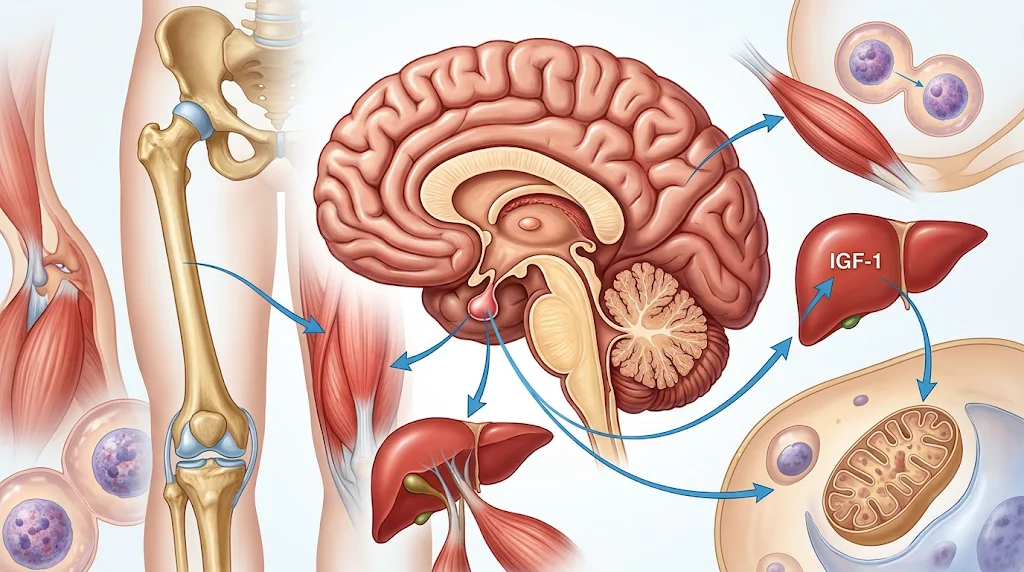
Anabolic steroids, scientifically known as anabolic-androgenic steroids, are synthetic substances related to testosterone. Testosterone is a naturally occurring hormone that contributes to several biological processes, including muscle development, bone health, and reproductive function. Anabolic steroids are designed to produce similar biological effects, although their individual properties and medical applications can differ.
In medicine, certain anabolic steroids may be prescribed when a healthcare professional identifies a legitimate medical need. Their use is subject to medical evaluation, appropriate authorization, and professional monitoring. However, using these medicines for bodybuilding purposes without a recognized medical indication is a different matter.
The popularity of anabolic steroids in bodybuilding is connected to their association with increased muscle development and changes in physical performance. Nevertheless, their potential effects should not be confused with ordinary fitness supplements. These substances interact with hormonal systems and can influence cardiovascular, reproductive, liver, and mental health.
Another important distinction is that anabolic steroids are not the same as corticosteroids. Corticosteroids are a separate group of medicines commonly prescribed to manage inflammation and certain immune-related conditions. Although both categories contain the word steroid, their medical purposes and biological effects are different.
Are Steroids Legal for Bodybuilding?
The answer to the question, are steroids legal for bodybuilding, depends on the country, the specific substance, and the circumstances surrounding its possession or use. There is no single worldwide law that determines the legal status of every anabolic steroid. Governments establish their own rules regarding medical authorization, pharmaceutical distribution, possession, importation, and non-medical use.
In many countries, anabolic steroids are regulated medicines rather than ordinary consumer products. This means that certain substances may be legally available for approved medical purposes but restricted when used without a prescription or other required authorization. A substance being manufactured as a pharmaceutical medicine does not automatically make every form of possession or use lawful.
The legal distinction between medical treatment and bodybuilding-related use is particularly important. A doctor may prescribe an approved medicine when it is medically necessary, but that authorization does not necessarily permit someone to use the same medicine for appearance-related or athletic purposes.
Some countries impose additional restrictions on supplying, selling, importing, or distributing anabolic steroids. Legal consequences may depend on the applicable legislation, the quantity involved, the person’s role, and whether the activity is considered unauthorized distribution.
Therefore, anyone researching steroid legality should avoid assuming that the laws of one country apply everywhere. The relevant national medicines authority and applicable legislation provide the most reliable information about local requirements.
Legal Status of Anabolic Steroids in Different Countries
Anabolic Steroid Laws in the United States
In the United States, anabolic steroids are controlled substances under federal law. Their legal medical use is subject to prescription requirements and applicable federal and state regulations. The Anabolic Steroid Control Act established important federal controls over anabolic steroids, reflecting concerns about their misuse and potential health consequences.
The United States Drug Enforcement Administration identifies anabolic steroids as controlled substances and explains that certain products have legitimate medical applications. However, possessing or distributing controlled anabolic steroids outside the applicable legal requirements can create criminal consequences.
The legal framework distinguishes between authorized medical treatment and non-medical activity. A medical prescription does not provide unrestricted permission to distribute or transfer controlled medicines to other people.
Anabolic Steroid Laws in the United Kingdom
In the United Kingdom, anabolic steroids are classified as Class C controlled drugs under the Misuse of Drugs Act. They are also prescription-only medicines. Their legal treatment depends on the circumstances, including whether an activity involves personal possession, supply, importation, or exportation.
The UK government and National Health Service provide information about the distinction between personal possession and activities involving supply or distribution. These distinctions are important because different legal rules can apply to different circumstances.
The NHS explains that anabolic steroids have limited medical uses and can cause serious health effects when misused. Therefore, their legal classification should not be interpreted as evidence that non-medical bodybuilding use is safe.
Anabolic Steroid Laws in Canada
Canada regulates anabolic steroids under the Controlled Drugs and Substances Act. These substances are subject to federal controls, and their legal status depends on the applicable authorization and circumstances.
Health Canada also warns that certain bodybuilding products marketed as dietary supplements may contain unauthorized pharmaceutical ingredients, including anabolic steroid substances. This creates additional concerns about product safety, quality, and regulatory compliance.
Consumers should understand that a product’s marketing description does not determine its legal classification. Products advertised for fitness purposes may still fall under pharmaceutical or controlled-substance regulations.
Anabolic Steroid Laws in Australia
In Australia, anabolic steroids are regulated medicines that generally require a valid prescription for lawful medical use. State and territory laws may also affect possession, supply, and other activities.
Australian health authorities explain that anabolic steroids should only be used under appropriate medical supervision. Their non-medical use can create health risks and may result in legal consequences depending on the circumstances.
Anabolic Steroid Regulations in Bangladesh
In Bangladesh, medicines are regulated through national pharmaceutical laws and the relevant regulatory authorities. The Directorate General of Drug Administration, commonly known as DGDA, is responsible for important aspects of medicine regulation, including pharmaceutical quality, registration, and regulatory oversight.
The legal position of a particular anabolic steroid should not be assumed from its availability in a pharmacy, fitness environment, or online advertisement. Different substances may be subject to different requirements, and rules concerning prescription medicines, unauthorized sales, and imports must be considered separately.
Anyone seeking a definitive answer about anabolic steroid legality in Bangladesh should consult the current laws, official DGDA guidance, and a qualified legal or medical professional. This is particularly important because international rules cannot automatically be applied to Bangladesh.
Are Anabolic Steroids Legal With a Medical Prescription?
Anabolic steroids may be legally prescribed in certain medical circumstances, depending on the medicine and the laws of the country. Medical authorization is intended to address a diagnosed health condition rather than provide unrestricted permission for bodybuilding or physical enhancement.
A prescription represents a medical decision based on an individual’s health needs. It does not mean that every anabolic steroid is approved for every medical condition. Healthcare professionals must consider the specific medicine, its approved indications, potential benefits, contraindications, and possible adverse effects.
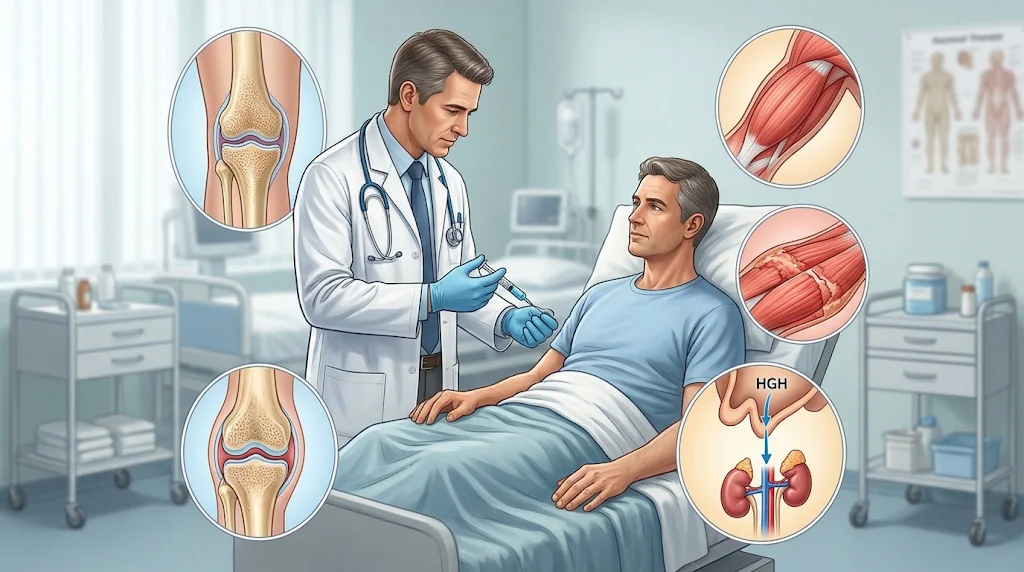
Medical supervision is also important because hormonal medicines can influence multiple body systems. A qualified healthcare professional can evaluate whether a particular treatment is appropriate and monitor relevant health concerns.
It is equally important to understand that prescription authorization may not automatically satisfy sports anti-doping regulations. An athlete receiving legitimate medical treatment may still need to follow additional procedures under the rules of their sporting organization.
The distinction between medical treatment and non-medical bodybuilding use should remain clear. A medicine prescribed for a genuine health condition should not be interpreted as a general authorization for performance enhancement.
Are Steroids Legal in Professional Bodybuilding?
The legal status of anabolic steroids under national law is different from their status under professional sports regulations. A substance may have an approved medical use in a particular country while remaining prohibited in a competitive sporting environment.
Professional bodybuilding organizations establish their own rules regarding performance-enhancing substances. Some organizations maintain drug-testing programs, while others operate under different competition policies. Consequently, the regulations applicable to one competition may not be identical to those of another organization.
The World Anti-Doping Agency, commonly known as WADA, publishes an international Prohibited List that identifies substances and methods prohibited under the World Anti-Doping Code. The 2026 Prohibited List includes anabolic agents in category S1 and identifies anabolic steroids among substances prohibited at all times under the applicable anti-doping framework.
These regulations are designed to protect athlete health, maintain fair competition, and support the integrity of sports. Athletes participating in organizations that follow the World Anti-Doping Code must understand the applicable rules and their responsibilities.
A violation of anti-doping regulations can result in disqualification, suspension, loss of competition results, and other disciplinary consequences. The precise outcome depends on the applicable rules and the circumstances of the case.
Therefore, the question of whether steroids are legal in bodybuilding competitions cannot be answered solely by examining national criminal law. Competition rules must also be considered.
Legal Risks Associated With Anabolic Steroids
The legal consequences associated with anabolic steroids vary considerably between jurisdictions. Some countries regulate these substances through prescription-medicine legislation, while others also apply controlled-substance laws. As a result, the same activity may be treated differently depending on where it takes place.
Unauthorized possession can create legal problems in jurisdictions where anabolic steroids are controlled substances. The seriousness of the consequences may depend on the specific substance, the applicable legislation, and the circumstances surrounding possession.
Unauthorized distribution and commercial supply can create additional legal exposure. Pharmaceutical regulations generally establish requirements for the lawful manufacture, supply, and distribution of medicines. Activities outside those requirements may violate national laws.
Importation and exportation can also involve separate regulatory requirements. A medicine that is legally prescribed in one country may not automatically be permitted for importation into another country. International movement of regulated medicines can involve pharmaceutical, customs, and controlled-substance legislation.
Online advertisements and commercial claims should not be interpreted as proof that a product is legal. A seller’s statements cannot replace official regulatory approval or applicable legal requirements.
Understanding these distinctions helps prevent confusion between the availability of a substance and its lawful status. Legal questions should always be evaluated using current official information rather than assumptions based on informal sources.
Health Risks Associated With Anabolic Steroid Use
Legal questions are only one part of the discussion surrounding anabolic steroids. Their effects on the human body are equally important because non-medical use can produce serious health consequences.
Anabolic steroids influence hormonal activity, and their effects are not limited to muscle tissue. The cardiovascular system, liver, reproductive system, skin, and mental health may all be affected. The nature and severity of these effects can vary depending on individual health and other circumstances.
Cardiovascular Health Risks
Anabolic steroid misuse has been associated with several cardiovascular concerns. These include changes in cholesterol levels, increased blood pressure, and potential damage to the heart and blood vessels.
Changes in cholesterol can affect the balance between different types of circulating lipoproteins. Unfavorable changes may contribute to the development of cardiovascular disease over time.
Blood pressure is another important consideration. Persistently elevated blood pressure can increase the strain placed on the cardiovascular system and contribute to other health complications.
The heart is particularly important because it supports blood circulation throughout the body. Hormonal disturbances and other physiological changes may increase cardiovascular concerns, making professional medical evaluation essential.
Hormonal and Reproductive Health Risks
Anabolic steroids can interfere with the body’s natural hormone regulation. The endocrine system maintains complex relationships between different hormones, and introducing synthetic androgenic substances can disrupt these processes.
Hormonal disruption may affect natural testosterone production and reproductive function. Depending on the individual, these effects may include changes in fertility, sexual health, and normal hormonal activity.
Some effects can continue even after exposure ends. Recovery of normal hormonal function may vary, and medical assessment can be important when someone experiences persistent symptoms.
Hormonal health is particularly important during adolescence because the body is still developing. Exposure to anabolic steroids during this period can interfere with normal development and create potentially lasting health concerns.
Liver Health Risks
The liver plays an essential role in processing medicines, maintaining metabolism, and removing certain substances from the bloodstream. Some anabolic steroids can place additional stress on this organ.
Certain oral anabolic steroids have been associated with liver-related complications. These may include abnormal liver enzyme levels and more serious forms of liver injury.
Liver health should not be evaluated only by the absence of obvious symptoms. Some medical problems may develop without immediately noticeable warning signs, which is why professional assessment is important.
Mental Health and Behavioral Changes
Anabolic steroids may also influence mood, emotional regulation, and psychological well-being. Some individuals experience changes in mood, irritability, anxiety, or other behavioral symptoms.
Hormonal changes can interact with several biological systems involved in emotional regulation. The relationship between anabolic steroid misuse and mental health is complex, and individual experiences can differ.
Psychological effects should not be dismissed simply because a substance is associated with physical performance. Mental health is an important part of overall well-being, and medical support may be necessary when concerning changes occur.
Skin and Hair-Related Effects
Anabolic steroids can influence the skin and hair because androgenic hormones affect several structures in the body. Some individuals may experience increased acne or changes in skin oil production.
Hair-related effects may also occur in people who are genetically susceptible to androgen-related hair loss. These changes can affect personal well-being and may continue to be a concern after steroid exposure.
The presence of these effects demonstrates that anabolic steroids influence more than muscle development. Their biological activity can affect several different tissues and organs.
Are Natural Bodybuilding Supplements a Legal Alternative?
Natural bodybuilding supplements are often discussed in conversations about fitness and muscle development. However, dietary supplements and anabolic steroids are not interchangeable categories. They have different regulatory requirements, biological effects, and potential health concerns.
Protein is an important nutrient involved in muscle repair and development. Adequate protein intake supports normal physiological processes, particularly when combined with appropriate physical activity and sufficient nutrition.
A balanced diet also provides carbohydrates, fats, vitamins, minerals, and other nutrients required for normal body function. Overall dietary quality is more important than relying on a single product to support fitness goals.
It is important to remember that supplements are not automatically safe simply because they are marketed as natural. Product quality, ingredient accuracy, contamination, and regulatory compliance can vary.
Health Canada has specifically warned that some bodybuilding products marketed as dietary supplements may contain hidden or unauthorized pharmaceutical ingredients. This highlights the importance of understanding the difference between marketing claims and verified product information.
A qualified healthcare professional can help evaluate nutritional concerns and determine whether a supplement is appropriate for an individual’s health circumstances.
How to Understand Steroid Laws in Your Country
Understanding the legal status of anabolic steroids requires attention to the laws and regulations that apply in the relevant country. Information published by foreign health agencies may explain general principles, but it cannot replace local legislation.
National medicines regulators are important sources of information because they oversee pharmaceutical products and related regulatory requirements. Their publications may explain medicine classifications, prescription requirements, approved products, and regulatory restrictions.
Controlled-substance legislation should also be considered when applicable. These laws may establish separate rules concerning possession, supply, distribution, and other activities involving regulated substances.
Professional sports regulations represent another important area. Athletes participating in organized competitions should understand the anti-doping rules established by their sporting organization. The WADA Prohibited List is updated regularly, so older information may not accurately reflect current requirements.
Legal interpretation can sometimes be complicated because different laws may apply to the same substance. When a specific legal decision is necessary, consulting a qualified legal professional is more reliable than depending on informal internet discussions.
FAQ
Are steroids legal for bodybuilding without a prescription?
The answer depends on the country’s laws and the specific anabolic steroid involved. In many jurisdictions, anabolic steroids are regulated medicines that require medical authorization. Non-medical possession or use may be restricted or unlawful. It is important to check the relevant national regulations rather than assume that all steroids have the same legal status.
Can bodybuilders legally use anabolic steroids?
Legal permission depends on national pharmaceutical and controlled-substance laws. A medicine may have an approved medical purpose without being legally available for non-medical bodybuilding use. Competitive athletes must also consider the anti-doping rules of their organizations.
Are anabolic steroids controlled substances?
Anabolic steroids are controlled substances in some countries, including the United States. Other countries regulate them through different pharmaceutical or medicines legislation. Their legal classification varies by jurisdiction and should be checked through official government information.
Can anabolic steroids be prescribed by doctors?
Certain anabolic steroids have recognized medical applications and may be prescribed by qualified healthcare professionals when medically appropriate. The availability and approved medical indications depend on the medicine and national regulations. A prescription is not a general authorization for non-medical performance enhancement.
Are steroids banned in professional bodybuilding?
The answer depends on the competition organization and its policies. Organizations following the World Anti-Doping Code apply WADA anti-doping regulations, which include anabolic agents among substances prohibited at all times. Other organizations may establish separate rules.
Are anabolic steroids legal in Bangladesh?
The legal position in Bangladesh should be evaluated according to current national pharmaceutical legislation and applicable regulatory requirements. The Directorate General of Drug Administration is an important official source for medicine-related regulatory information. Specific questions about possession, prescription requirements, or importation should be confirmed through current official guidance and qualified legal advice.
Are anabolic steroids the same as corticosteroids?
No. Anabolic steroids and corticosteroids are different categories of medicines. Anabolic steroids are related to testosterone and have anabolic and androgenic effects. Corticosteroids are commonly used to manage inflammation and certain immune-related conditions. Their medical purposes and biological effects are different.
Can anabolic steroids cause long-term health problems?
Yes. Non-medical anabolic steroid use has been associated with cardiovascular complications, hormonal disturbances, reproductive problems, liver injury, and mental health effects. Some complications may continue after exposure ends. The seriousness of potential effects varies between individuals.
Are natural bodybuilding supplements the same as anabolic steroids?
No. Dietary supplements and anabolic steroids are different categories of products. Supplements generally provide nutrients or other ingredients, while anabolic steroids are hormonally active pharmaceutical substances. However, some bodybuilding products may contain undeclared or unauthorized ingredients, so marketing claims should not be treated as proof of safety.
Conclusion
The question of whether steroids are legal for bodybuilding does not have one universal answer. Their legal status depends on national legislation, the specific substance, medical authorization, and the circumstances surrounding possession or distribution. Certain anabolic steroids have legitimate medical applications, but this does not automatically make non-medical bodybuilding use lawful.
Professional sports regulations introduce another important distinction. Anabolic agents are included in the 2026 WADA Prohibited List, meaning athletes participating under the World Anti-Doping Code must follow the relevant restrictions and medical exemption procedures where applicable.
Beyond legal considerations, anabolic steroids can affect cardiovascular health, hormonal function, liver health, reproductive systems, and mental well-being. These concerns make it important to approach information about anabolic steroids carefully and rely on qualified healthcare professionals.
Ultimately, understanding the difference between medical treatment, pharmaceutical regulation, and sports anti-doping policies is essential. Responsible fitness decisions should prioritize long-term health, accurate information, and compliance with applicable laws rather than relying on unverified claims about performance-enhancing substances.