Blog
What Is HGH Used For? Medical Uses, Benefits, and Risks

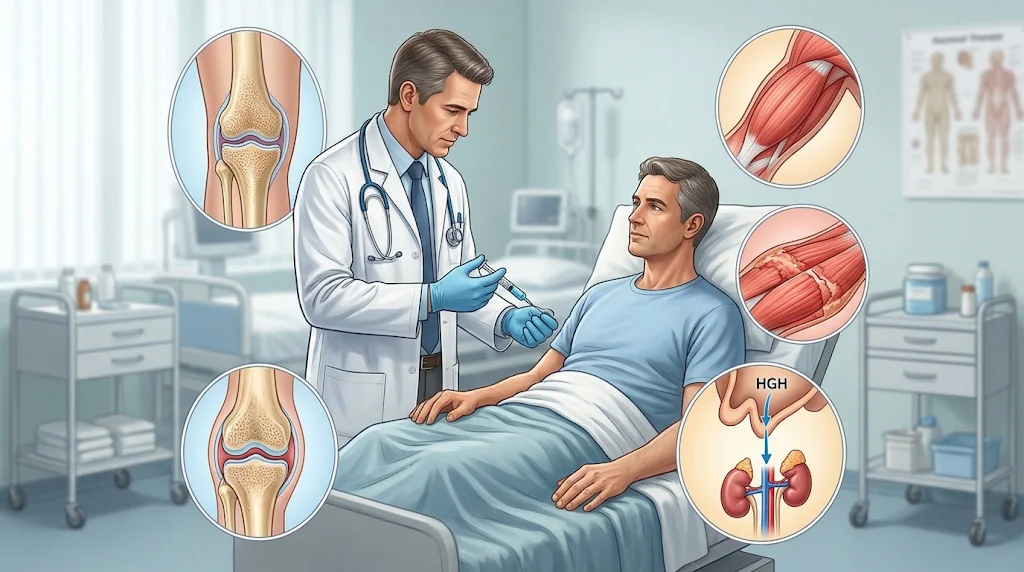
Human growth hormone (HGH) is an important hormone that plays a major role in normal growth, development, and metabolism. It is naturally produced by the pituitary gland, a small gland located at the base of the brain. This hormone helps regulate several biological processes, including bone growth, muscle development, protein production, and the body’s ability to use energy. Although HGH is commonly associated with childhood growth, it continues to perform important functions throughout adulthood.
Many people search for information about what HGH is used for because of its connection to growth, physical development, and certain medical treatments. However, its medical applications are more specific than many people realize. Healthcare professionals may prescribe synthetic human growth hormone to treat diagnosed growth hormone deficiency and certain other medical conditions. Treatment decisions depend on a person’s age, medical history, hormone levels, and overall health.
HGH has also received attention in discussions about bodybuilding, athletic performance, and anti-aging. However, these nonmedical uses are different from approved medical treatment and may involve significant health risks. Using growth hormone without an appropriate medical diagnosis and professional supervision can lead to unwanted complications.
Understanding what HGH does, why doctors prescribe it, and what risks are associated with treatment can help readers make informed decisions about hormone health. This article explains the medical uses of human growth hormone, how it works in the body, its potential benefits, possible side effects, and the importance of proper medical evaluation.
What Is Human Growth Hormone (HGH)?
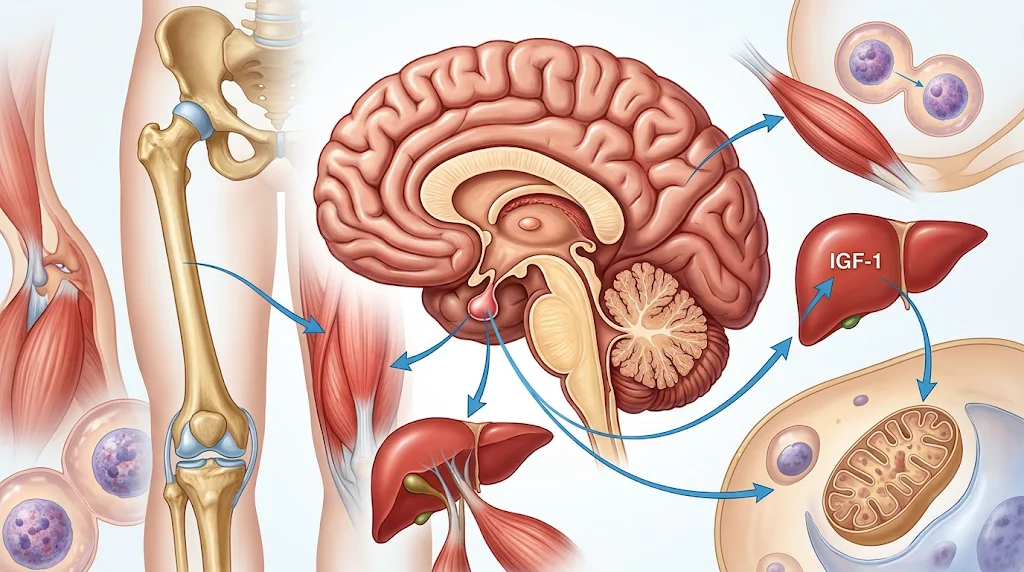
Human growth hormone is a naturally occurring peptide hormone produced by the pituitary gland. It is also known as somatotropin and is essential for normal physical development and several metabolic activities. The hormone influences how the body grows, repairs tissues, maintains bones, and processes nutrients. Its production is particularly important during childhood and adolescence, when the body experiences significant physical development.
The pituitary gland releases HGH into the bloodstream, allowing it to reach different tissues and organs. Its activity is regulated by signals from the hypothalamus, another important part of the brain. These signals help control when the body releases more or less growth hormone according to its physiological needs.
HGH production is not constant throughout the day. Levels naturally rise and fall, with significant releases often occurring during deep sleep. Physical activity, nutrition, age, and overall health can also influence hormone secretion. During childhood and adolescence, growth hormone supports increasing height and the development of bones and muscles. In adulthood, it continues to contribute to tissue maintenance, metabolism, and other essential functions.
Understanding Human Growth Hormone
Human growth hormone is essential for regulating normal growth and development. It affects different tissues throughout the body and helps coordinate biological activities involved in physical development. One of its major functions is stimulating the production of insulin-like growth factor 1 (IGF-1), a hormone primarily produced by the liver in response to HGH.
IGF-1 plays an important role in bone growth, tissue development, and cell activity. Together, HGH and IGF-1 help regulate the processes responsible for normal physical growth. Growth hormone also influences protein metabolism and how the body uses stored energy.
Although HGH is associated with growth, its functions do not stop when a person reaches adulthood. Adults continue to need normal growth hormone activity to support healthy body composition, bone maintenance, and metabolic regulation.
Where Is HGH Produced in the Body?
The pituitary gland is the primary source of human growth hormone production. It is a small endocrine gland situated beneath the brain and connected to the hypothalamus. Despite its small size, it controls several important hormonal activities that influence growth, reproduction, metabolism, and other bodily functions.
Specialized cells called somatotrophs produce and release HGH. The hormone enters the bloodstream and travels to different tissues, where it interacts with specific receptors. These interactions influence various biological processes, including protein synthesis, fat metabolism, and IGF-1 production.
The hypothalamus helps regulate HGH secretion through chemical signals. Growth hormone-releasing hormone stimulates its release, while somatostatin helps reduce secretion. This balance allows the body to maintain appropriate hormone levels according to its needs.
How Does the Pituitary Gland Control HGH Production?
The pituitary gland works closely with the hypothalamus to regulate growth hormone production. The hypothalamus releases signals that either encourage or limit HGH secretion. This process helps maintain a balance between hormone production and the body’s changing requirements.
Growth hormone secretion also follows a natural pattern. Levels often increase during deep sleep and may rise in response to physical activity and certain metabolic conditions. As people age, natural HGH production generally decreases.
The body also uses a feedback mechanism involving IGF-1. When IGF-1 levels increase, they can signal the brain and pituitary gland to reduce additional growth hormone secretion. This feedback system helps prevent excessive hormone activity and supports normal endocrine function.
What Is HGH Used For?
Human growth hormone has several established medical applications. Synthetic HGH, also known as recombinant human growth hormone, is prescribed for specific health conditions involving insufficient hormone production or particular growth-related disorders. It is manufactured to act similarly to the natural hormone produced by the human pituitary gland.
One of the most recognized uses of HGH is treating children who have growth hormone deficiency. When a child’s body does not produce enough natural growth hormone, normal physical development may be affected. Medical treatment can help support appropriate growth when a healthcare professional confirms the deficiency and determines that treatment is necessary.
HGH may also be prescribed to adults with confirmed growth hormone deficiency. In adults, insufficient growth hormone can affect body composition, bone health, energy metabolism, and quality of life. Treatment aims to address the effects of the diagnosed deficiency rather than provide general physical enhancement.
Certain other medical conditions may also require growth hormone treatment. These include specific cases of short bowel syndrome and growth failure associated with particular medical conditions. The approved uses depend on the medication, the patient’s age, and the regulations of the country where treatment is provided.
Treating Growth Hormone Deficiency in Children
Growth hormone deficiency occurs when the pituitary gland does not produce enough growth hormone to support normal development. Children with this condition may experience slower-than-expected growth compared with typical childhood growth patterns. Their height may increase more slowly, and their physical development may be affected.
Doctors evaluate several factors before diagnosing growth hormone deficiency. These may include growth history, physical development, family growth patterns, blood tests, and specialized hormone stimulation tests. A healthcare professional may also examine the pituitary gland when an underlying structural problem is suspected.
When growth hormone deficiency is confirmed, synthetic HGH may be prescribed as part of medical treatment. The purpose is to support normal growth and help the child develop appropriately. Treatment requires regular medical monitoring to evaluate growth progress, hormone response, and possible side effects.
Early diagnosis can be important because growth plates gradually close as children approach adulthood. Once these growth plates have closed, growth hormone treatment cannot increase a person’s height through normal bone lengthening.
Treating Growth Hormone Deficiency in Adults
Growth hormone deficiency is not limited to children. Adults can also develop this condition, sometimes because of problems involving the pituitary gland or hypothalamus. Certain medical conditions, injuries, surgeries, or treatments affecting these structures may interfere with normal hormone production.
Adults with growth hormone deficiency may experience changes in body composition, reduced bone density, altered cholesterol levels, and decreased physical well-being. However, these symptoms are not exclusive to growth hormone deficiency and can be associated with several other health conditions.
Synthetic HGH may be prescribed when medical testing confirms a deficiency and a healthcare professional determines that treatment is appropriate. The treatment aims to restore more normal hormone activity and address some of the metabolic effects associated with the condition.
Medical supervision is particularly important in adults because the appropriate treatment depends on individual health factors. Doctors may monitor IGF-1 levels, blood glucose, thyroid function, and other relevant measurements during treatment.
Managing Certain Medical Conditions
HGH has medical applications beyond traditional growth hormone deficiency. Depending on the specific product and regulatory approval, it may be prescribed for certain conditions that affect growth, nutrient absorption, or body composition.
Short bowel syndrome is one recognized medical condition for which certain growth hormone products have been approved in specific settings. This condition occurs when a substantial portion of the small intestine is missing or does not function properly, making it difficult for the body to absorb enough nutrients.
Growth hormone may also have a role in managing particular forms of growth failure associated with chronic medical conditions. However, the suitability of treatment varies considerably. Not every patient with a growth-related condition will benefit from HGH.
Supporting Normal Growth and Development
Growth hormone contributes to several biological processes that support normal physical development. During childhood and adolescence, it helps regulate bone growth and tissue development. It also influences the production of IGF-1, which plays an important role in the development of bones and other tissues.
In adults, HGH continues to support metabolic functions and tissue maintenance. It influences how the body uses fats and carbohydrates and contributes to the regulation of protein metabolism.
It is important to understand that normal hormone activity does not mean additional HGH is automatically beneficial. The body requires an appropriate hormonal balance, and excessive growth hormone can cause unwanted health effects.
What Are the Medical Uses of HGH?
The medical uses of human growth hormone depend on a patient’s diagnosis and the specific treatment approved by health authorities. Doctors generally consider HGH when a patient has a documented medical condition for which the benefits of treatment are supported by clinical evidence.
HGH Treatment for Children With Growth Disorders
Some children experience growth problems because of an underlying hormonal condition. Growth hormone deficiency is one important cause, but it is not the only reason a child may have a lower growth rate.
Doctors investigate the possible causes of growth problems before recommending treatment. They consider the child’s growth pattern, medical history, physical examination, and appropriate laboratory results.
When HGH treatment is medically indicated, it may help improve growth velocity and support development. Treatment is generally monitored over time to assess whether the child is responding appropriately.
HGH Treatment for Adults With Hormone Deficiency
Adults with confirmed growth hormone deficiency may receive synthetic HGH to address specific health effects associated with insufficient hormone production. Growth hormone influences the balance between fat and lean body tissue, bone metabolism, and several metabolic activities.
Treatment may improve certain aspects of body composition and metabolic health in appropriately diagnosed patients. However, the response differs between individuals, and treatment does not guarantee improvements in every symptom.
Doctors must evaluate potential benefits against possible risks. This is especially important for adults with diabetes, cardiovascular concerns, or other medical conditions that may affect treatment decisions.
Treatment for Short Bowel Syndrome
Short bowel syndrome is a digestive condition that can develop when a person has an insufficient amount of functioning small intestine. Since the small intestine absorbs most nutrients from food, reduced intestinal function can lead to serious nutritional difficulties.
Certain HGH products have been approved for use in adults with short bowel syndrome in specific medical settings. Growth hormone may influence intestinal adaptation and help improve nutrient absorption when used as part of a broader treatment plan.
Treatment is not a replacement for appropriate nutrition, medical monitoring, or other necessary therapies. Patients require professional care because short bowel syndrome can involve complex nutritional and digestive complications.
Medical Treatment for Muscle-Wasting Conditions
Growth hormone has also been studied in relation to muscle wasting and changes in body composition. Its biological effects include influencing protein metabolism and tissue development.
However, HGH is not a general treatment for every condition involving muscle loss. Its use depends on the specific diagnosis, available clinical evidence, and applicable medical approvals.
People experiencing unexplained muscle loss should receive a proper medical evaluation to identify the underlying cause. Treatment should focus on the diagnosed condition rather than using growth hormone without medical justification.
How Does HGH Work in the Human Body?
Human growth hormone works by interacting with receptors in different tissues and influencing several biological pathways. Some of its effects occur directly through growth hormone receptors, while others are mediated through IGF-1.
After entering the bloodstream, HGH travels to organs and tissues throughout the body. It influences the liver, muscles, bones, and other tissues. These interactions help regulate growth, metabolism, and tissue maintenance.
HGH and Cell Growth
One of the important functions of HGH is supporting normal cell growth and development. It influences cellular activities that contribute to tissue maintenance and physical development.
Growth hormone also stimulates IGF-1 production, which plays an important role in cell growth and tissue development. IGF-1 helps regulate the activity of cells involved in bone and muscle development.
These processes are particularly important during childhood and adolescence. In adulthood, they continue to contribute to normal tissue maintenance and metabolic activity.
HGH and Protein Production
Protein is essential for maintaining muscles, organs, skin, and other body tissues. Growth hormone influences protein metabolism and supports processes involved in protein synthesis.
This activity helps the body maintain and repair tissues. However, HGH does not work independently. Its effects depend on nutrition, other hormones, physical activity, and overall health.
Maintaining normal growth hormone activity is part of a larger biological system responsible for healthy tissue function.
HGH and Bone Development
Growth hormone plays an important role in bone development, particularly during childhood and adolescence. It stimulates the production of IGF-1, which influences the growth and activity of bone-related cells.
During the growing years, these processes help bones increase in length and develop normally. Growth plates located near the ends of long bones are particularly important for height development.
In adults, growth plates are normally closed. HGH continues to influence bone metabolism, but it cannot naturally make adult bones longer after growth plates have closed.
HGH and Metabolism
Growth hormone influences how the body uses carbohydrates, fats, and proteins. It encourages the use of stored fat as an energy source and affects how tissues respond to insulin.
It can also reduce insulin sensitivity, particularly when hormone levels become excessive. This is one reason why medically supervised treatment requires attention to blood glucose levels.
Normal growth hormone activity helps regulate metabolism, but excessive levels can disrupt the body’s metabolic balance.
The Role of IGF-1 in Growth Hormone Activity
Insulin-like growth factor 1 is an important hormone involved in many of the growth-promoting effects associated with HGH. The liver produces much of the circulating IGF-1 in response to growth hormone stimulation.
IGF-1 supports cell development, bone growth, and tissue maintenance. Its production is influenced by growth hormone, nutrition, age, and other physiological factors.
Doctors sometimes measure IGF-1 levels when evaluating possible growth hormone disorders. However, an IGF-1 test alone cannot confirm every case of growth hormone deficiency. Additional medical assessment may be necessary.
What Are the Potential Benefits of HGH?
The benefits of HGH treatment depend on whether a person has a medical condition that responds to growth hormone therapy. For patients with a confirmed deficiency, appropriate treatment may help improve certain aspects of physical development and metabolic function.
It is important to distinguish medically established benefits from claims associated with nonmedical HGH use.
Supporting Childhood Growth
One of the main benefits of HGH treatment is supporting normal growth in children with diagnosed growth hormone deficiency. When insufficient hormone production interferes with development, medically prescribed treatment can help improve growth patterns.
The effectiveness of treatment depends on several factors, including the child’s age, diagnosis, general health, and response to therapy. Regular medical monitoring helps doctors assess whether growth is progressing appropriately.
Maintaining Healthy Bone Development
Growth hormone and IGF-1 contribute to bone development and metabolism. In children, these hormones support the processes involved in increasing bone length and maintaining normal skeletal development.
In adults with confirmed growth hormone deficiency, treatment may improve certain aspects of bone metabolism over time. However, changes in bone density can take time and require ongoing medical evaluation.
Supporting Muscle and Tissue Growth
Growth hormone influences protein metabolism and tissue maintenance. In people with confirmed deficiency, treatment may help improve lean body mass and reduce certain unfavorable changes in body composition.
However, this does not mean HGH is a safe or appropriate muscle-building treatment for healthy individuals. Nonmedical use can expose people to significant risks without providing the benefits associated with treating a diagnosed deficiency.
Regulating Metabolic Functions
Growth hormone contributes to the regulation of fat metabolism, carbohydrate metabolism, and protein balance. Appropriate treatment in deficient patients may improve certain metabolic measurements.
Doctors monitor these effects because growth hormone can also influence blood glucose regulation. The goal is to maintain appropriate hormone activity without creating additional metabolic problems.
Who May Need HGH Treatment?
Not everyone needs human growth hormone treatment. Most people produce sufficient amounts of HGH naturally, and routine supplementation is not necessary for normal health.
HGH treatment is generally considered for people with specific medical diagnoses supported by appropriate clinical evaluation.
Children Diagnosed With Growth Hormone Deficiency
Children with confirmed growth hormone deficiency may benefit from medically supervised HGH treatment. Diagnosis usually involves evaluating growth patterns and conducting appropriate hormone testing.
A pediatric endocrinologist can determine whether growth hormone deficiency is responsible for delayed growth and whether treatment is suitable.
Adults With Confirmed Hormone Deficiency
Adults may need HGH treatment when the pituitary gland or hypothalamus cannot produce or regulate sufficient growth hormone. Diagnosis requires specialized medical testing because symptoms can overlap with other conditions.
Treatment may be considered when a deficiency is confirmed and the expected benefits outweigh the potential risks.
People With Certain Medical Conditions
Some people with specific medical conditions may qualify for growth hormone treatment even when their situation differs from traditional growth hormone deficiency.
Eligibility depends on the medical diagnosis, approved medication indications, and professional assessment.
How Doctors Determine Whether HGH Treatment Is Necessary
Doctors use medical history, physical examination, laboratory tests, and specialized investigations to determine whether HGH treatment is necessary.
They may assess IGF-1 levels and perform growth hormone stimulation testing when appropriate. Imaging studies may also be recommended if a pituitary gland problem is suspected.
The final decision depends on the complete medical picture rather than one symptom or laboratory result.
What Are the Side Effects of HGH Treatment?
Although HGH can provide medical benefits for certain patients, treatment may also cause side effects. The likelihood and severity of these effects depend on individual health, treatment response, and other medical factors.
Common Side Effects
Some people receiving HGH treatment may experience swelling, joint discomfort, muscle pain, or headaches. These effects can vary in severity and may require medical assessment.
Patients should inform their healthcare providers about new or worsening symptoms during treatment. Doctors can evaluate whether the symptoms are related to HGH or another health condition.
Joint and Muscle Discomfort
Growth hormone treatment may cause joint pain and muscle discomfort in some patients. These symptoms can affect everyday activities and physical comfort.
Persistent discomfort should not be ignored. A healthcare professional can determine whether treatment-related effects or another medical issue may be responsible.
Swelling and Fluid Retention
Fluid retention is another possible side effect of HGH treatment. It can cause swelling in different parts of the body and may be associated with discomfort.
People receiving treatment should report unusual swelling to their healthcare providers. Medical evaluation is important to determine the cause and decide whether treatment adjustments are necessary.
Changes in Blood Sugar Levels
HGH can influence insulin sensitivity and blood glucose regulation. In some people, treatment may increase blood sugar levels or contribute to insulin resistance.
This is particularly important for patients with diabetes or an increased risk of developing blood sugar problems. Doctors may monitor glucose levels throughout treatment to identify potential complications.
Potential Long-Term Health Risks
Long-term HGH treatment requires careful medical supervision. Excessive growth hormone activity may contribute to complications involving blood sugar regulation, fluid retention, and joint health.
The risks of inappropriate or excessive use can be more serious than those associated with carefully monitored medical treatment. Patients should never increase or change prescribed treatment without consulting their healthcare providers.
Is HGH Used for Anti-Aging or Muscle Growth?
HGH is frequently discussed in connection with anti-aging and bodybuilding. However, these discussions often confuse the hormone’s natural biological functions with the medical benefits established for specific diagnosed conditions.
HGH and Claims About Anti-Aging
Growth hormone production naturally decreases with age. This change has led to interest in HGH as a possible anti-aging treatment.
However, a natural decrease in hormone production does not automatically mean that older adults need growth hormone replacement. Current medical evidence does not support using HGH as a general treatment to reverse aging in otherwise healthy adults.
Nonmedical use may also increase the risk of unwanted health effects.
HGH Use in Bodybuilding
HGH is sometimes discussed in bodybuilding because of its influence on protein metabolism, tissue development, and body composition.
However, using growth hormone for bodybuilding without a medical indication is not an established safe approach to improving physical performance. Excessive hormone activity may cause metabolic problems, fluid retention, joint discomfort, and other complications.
Medical treatment for a diagnosed deficiency should not be confused with nonmedical performance enhancement.
Medical Uses Versus Nonmedical Uses
Medical HGH treatment is intended for specific conditions where the hormone has an established therapeutic role. It involves professional diagnosis, appropriate prescribing, and ongoing monitoring.
Nonmedical use focuses on goals such as muscle development, appearance, or athletic performance without a recognized medical need. These uses may involve unnecessary exposure to hormone-related risks.
Understanding this distinction is important when evaluating information about HGH online.
Why HGH Should Not Be Used Without Medical Supervision
Human growth hormone affects several important systems throughout the body. Using it without medical supervision can interfere with normal hormonal balance and increase the risk of complications.
A healthcare professional can determine whether a person has a genuine growth hormone disorder and whether treatment is appropriate. Medical evaluation also helps identify conditions that may make HGH treatment unsuitable.
Prescription hormone treatment should always be based on a legitimate medical need.
Is HGH Safe for Everyone?
HGH is not appropriate for every person. Although it can be beneficial when prescribed for an approved medical condition, certain health problems may increase the risks associated with treatment.
Who Should Avoid HGH Treatment?
People with certain medical conditions should not receive HGH unless a qualified healthcare professional has carefully evaluated their situation. Active cancer and certain serious acute illnesses are important contraindications for growth hormone treatment.
The safety of treatment also depends on the patient’s medical history and current health status.
Medical Conditions That Require Extra Caution
People with diabetes, previous cancer, certain respiratory conditions, or other significant medical problems may require additional evaluation before HGH treatment.
Growth hormone can influence blood glucose regulation and other physiological processes. Therefore, doctors must consider the potential impact on existing health conditions.
Why Medical Monitoring Is Important
Medical monitoring helps healthcare professionals evaluate whether treatment is effective and whether side effects are developing.
Depending on the patient, monitoring may include IGF-1 measurements, blood glucose testing, thyroid evaluation, and physical examinations.
Regular follow-up also allows doctors to review treatment goals and determine whether continued therapy remains appropriate.
Understanding the Risks of Unsupervised HGH Use
Unsupervised HGH use can expose individuals to unnecessary health risks. Without a proper diagnosis, there may be no medical reason to alter normal growth hormone activity.
Excessive growth hormone can affect several organs and metabolic processes. It may also make certain existing health conditions more difficult to manage.
Reliable medical guidance is essential before considering any hormone-related treatment.
How Is HGH Deficiency Diagnosed?
Growth hormone deficiency can be difficult to identify because its symptoms may overlap with other medical conditions. A proper diagnosis requires more than simply noticing changes in height, energy, or body composition.
Recognizing Possible Symptoms
Children with growth hormone deficiency may experience slower growth and delayed physical development. Their growth pattern may differ from expected age-related development.
Adults may experience changes in body composition, reduced bone density, and other metabolic effects. However, these symptoms are not enough to confirm a deficiency.
A healthcare professional must investigate the possible causes before recommending treatment.
Blood Tests and IGF-1 Measurements
Blood testing is an important part of evaluating possible growth hormone disorders. Doctors may measure IGF-1 because it provides useful information about growth hormone activity.
IGF-1 levels can vary with age, nutritional status, and other medical factors. Therefore, test results must be interpreted alongside the patient’s clinical history and other findings.
Growth Hormone Stimulation Testing
Growth hormone levels naturally fluctuate throughout the day, making a single blood measurement unreliable for diagnosing many cases of deficiency.
A stimulation test evaluates whether the pituitary gland can release an appropriate amount of growth hormone in response to a medical stimulus.
This test is performed under professional supervision, and the results help doctors determine whether growth hormone production is insufficient.
Medical Evaluation and Diagnosis
A complete medical evaluation may involve reviewing symptoms, growth records, hormone test results, and medical history.
Doctors may also recommend imaging studies to examine the pituitary gland when necessary. These investigations can help identify underlying conditions that affect hormone production.
An accurate diagnosis is essential because treatment decisions should be based on the actual cause of the patient’s symptoms.
Frequently Asked Questions About HGH
What Is HGH Mainly Used For?
HGH is mainly used as a prescription treatment for certain medical conditions involving growth hormone deficiency and specific growth-related disorders. It may also be approved for particular conditions, such as short bowel syndrome, depending on the medication and applicable regulations. Treatment requires professional diagnosis and monitoring.
Is HGH a Steroid?
No, human growth hormone is not an anabolic steroid. HGH is a peptide hormone produced naturally by the pituitary gland, while anabolic steroids are synthetic substances related to testosterone. Although both can influence growth and tissue development, they work through different biological pathways.
Does HGH Help Children Grow Taller?
HGH treatment can support increased growth in children with certain diagnosed growth disorders, including growth hormone deficiency. Its effectiveness depends on the underlying condition, the child’s age, and whether growth plates remain open. Treatment should always be recommended and monitored by a qualified medical professional.
Can Adults Use HGH?
Yes, adults may receive prescription HGH treatment when they have confirmed growth hormone deficiency or another approved medical indication. However, healthy adults should not use HGH simply to improve appearance, increase muscle mass, or reverse normal aging.
Does HGH Increase Muscle Mass?
Growth hormone influences protein metabolism and body composition. In people with confirmed growth hormone deficiency, medically supervised treatment may improve lean body mass. However, using HGH without a medical indication is not a safe or established method of building muscle.
Is HGH Available With a Prescription?
Yes, synthetic human growth hormone is available as a prescription medication for specific medical conditions. It should be obtained and used under appropriate medical supervision. Availability and approved indications may vary between countries.
What Happens When the Body Produces Too Little HGH?
Insufficient HGH production can affect normal growth in children and metabolic health in adults. Children may experience slower growth, while adults may develop changes in body composition and bone metabolism. Diagnosis requires appropriate medical testing.
Can HGH Cause Health Problems?
Yes, HGH treatment can cause side effects, including fluid retention, joint discomfort, muscle pain, headaches, and changes in blood glucose regulation. The risk depends on individual health and treatment circumstances. Unsupervised use can increase the possibility of complications.
Conclusion
Human growth hormone is an important hormone that supports normal growth, development, and metabolic function throughout life. It is naturally produced by the pituitary gland and influences several biological processes, including bone development, protein metabolism, tissue maintenance, and IGF-1 production.
Understanding what HGH is used for helps distinguish its legitimate medical applications from unsupported claims about bodybuilding and anti-aging. Prescription HGH may benefit children with certain growth disorders, adults with confirmed growth hormone deficiency, and patients with specific approved medical conditions.
However, HGH treatment is not suitable for everyone. It can cause side effects and may create additional health risks when used without a medical reason or appropriate supervision. Proper diagnosis, professional guidance, and regular monitoring are essential for safe treatment.
Anyone concerned about growth hormone levels or possible deficiency should consult a qualified healthcare professional. The safest approach is to understand the underlying medical condition and consider treatment only when there is a clear clinical need.