Blog
What Are Anabolic Steroids? Uses, Effects, Risks, and Health Concerns


Anabolic steroids are synthetic substances designed to resemble testosterone, a natural hormone that plays an important role in muscle development, bone health, and several other bodily functions. They are commonly discussed in medical research, sports, fitness, and bodybuilding because of their effects on muscle tissue and hormone activity. Although these substances have legitimate medical applications, their nonmedical use can create serious health concerns.
Understanding what anabolic steroids are requires looking beyond their association with muscle growth. These substances influence several systems throughout the body, including the reproductive system, cardiovascular system, liver, and brain. Their effects can vary depending on individual health, the specific substance involved, and whether treatment is medically supervised.
Anabolic steroids are sometimes prescribed by healthcare professionals to treat particular medical conditions. However, using them without an appropriate medical reason can expose individuals to unnecessary health risks. Understanding their medical applications, biological effects, possible complications, and legal considerations can help readers make informed decisions about steroid-related health information.
What Are Anabolic Steroids?
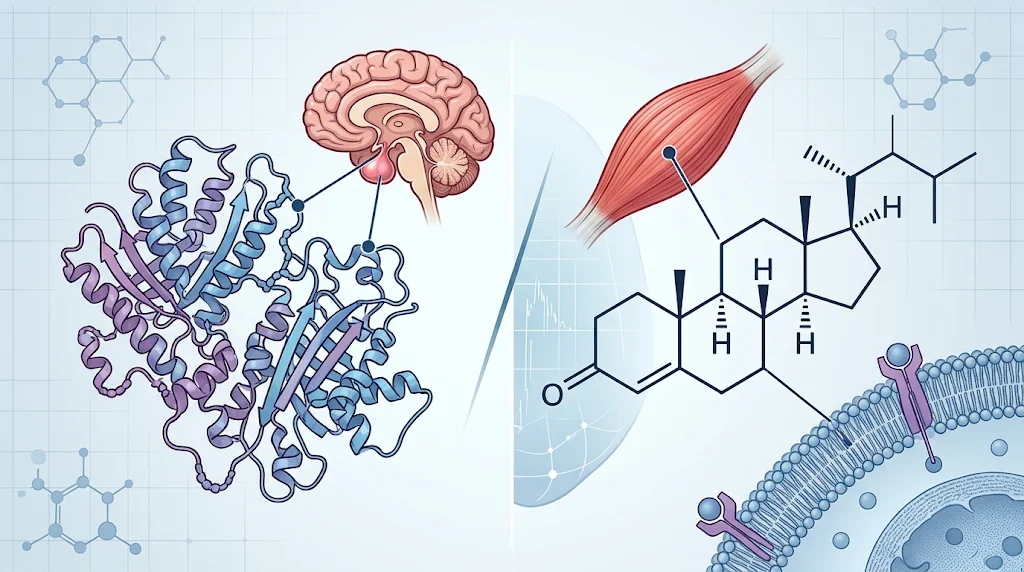
Anabolic steroids, medically known as anabolic-androgenic steroids, are synthetic derivatives of testosterone. Testosterone is an androgen hormone naturally produced by the body, primarily in the testes and in smaller amounts by the ovaries and adrenal glands. It contributes to the development of reproductive characteristics, muscle tissue, bone density, and other important physiological processes.
The term anabolic refers to processes involved in building and maintaining body tissues. Androgenic refers to the development and maintenance of male reproductive characteristics. Anabolic steroids are designed to produce effects related to both of these biological activities, although different substances can have different properties.
These compounds interact with androgen receptors located in various tissues. Once activated, these receptors influence gene activity and protein production. This process can affect muscle development, red blood cell production, bone metabolism, and reproductive functions.
Although anabolic steroids resemble testosterone, they are not identical to the body’s natural hormone. Their chemical structures and biological characteristics may differ, which can influence how they behave inside the body. Some are used in carefully controlled medical treatments, while nonmedical use can interfere with normal hormonal regulation.
Definition of Anabolic Steroids
Anabolic steroids are prescription medications or synthetic hormone-related compounds that produce testosterone-like biological effects. Their primary characteristic is their ability to interact with androgen receptors and influence processes associated with tissue development.
In medical settings, certain anabolic steroids may be prescribed for specific conditions involving hormone deficiencies or significant tissue loss. Their use depends on the patient’s medical history, diagnosis, and individual treatment requirements.
The term is also frequently used in discussions about performance-enhancing substances. However, medical treatment and nonmedical performance enhancement are different situations. A prescribed medication used under professional supervision should not be confused with unsupervised steroid use.
How Anabolic Steroids Work in the Body
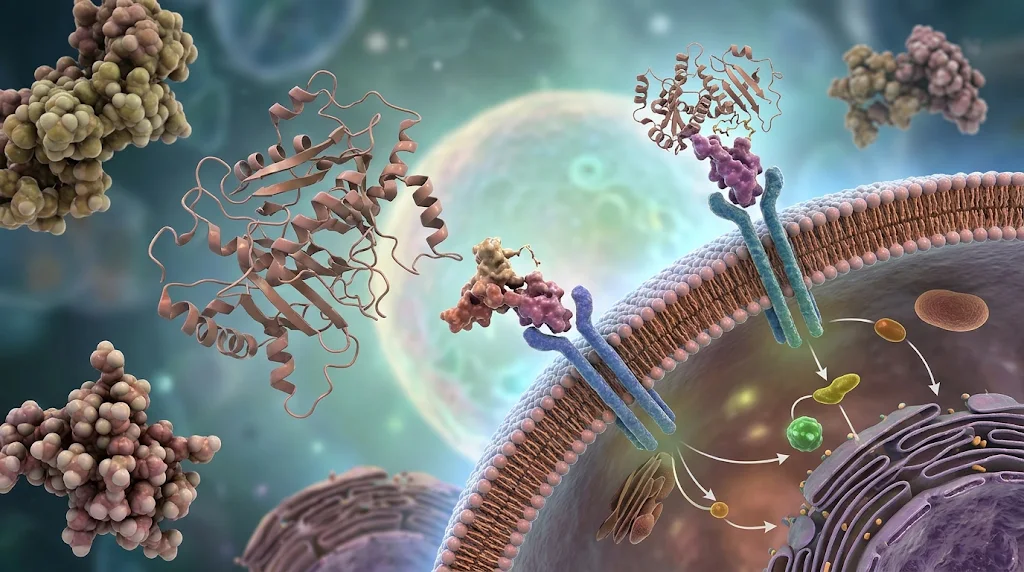
Anabolic steroids influence the body by interacting with androgen receptors inside cells. These receptors are involved in regulating the activity of specific genes. When a steroid compound binds to an androgen receptor, it can change cellular processes related to protein production and tissue maintenance.
Skeletal muscles contain androgen receptors that respond to testosterone and related compounds. Their activation can influence muscle protein metabolism and other processes associated with muscle tissue. However, the body’s response is not determined by one hormone alone. Genetics, nutrition, physical activity, overall health, and other hormonal signals also contribute to muscle development.
Anabolic steroids can also influence tissues outside the muscles. Their biological activity may affect the liver, reproductive organs, skin, bones, and cardiovascular system. This explains why their effects can extend far beyond changes in muscle size or strength.
What Is the Difference Between Anabolic and Androgenic Effects?
Anabolic and androgenic effects describe two broad categories of testosterone-related biological activity. Anabolic effects involve tissue-building processes, including the development and maintenance of skeletal muscle and bone tissue. Androgenic effects relate to male reproductive development and characteristics.
These two activities are closely connected because both are associated with androgen receptor signaling. Although some synthetic compounds are developed to emphasize particular biological properties, completely separating anabolic and androgenic effects is difficult.
This distinction is important because people sometimes assume that a substance associated with muscle development will only affect muscle tissue. In reality, androgen-related compounds can influence several organs and biological systems.
What Are Anabolic Steroids Made Of?
Anabolic steroids are manufactured chemical compounds derived from the structure of testosterone or designed to produce similar biological activity. Their molecular structures are modified to influence their medical properties, stability, and behavior inside the body.
Testosterone itself is a naturally occurring steroid hormone. Pharmaceutical manufacturers can produce synthetic compounds that resemble its structure while introducing chemical modifications. These changes can influence how a substance is absorbed, processed, and eliminated.
The differences between individual anabolic steroids are important because not every compound produces identical effects. Some substances have different metabolic characteristics, while others may create particular concerns involving liver function or hormonal regulation.
The Relationship Between Anabolic Steroids and Testosterone
Testosterone is one of the primary hormones responsible for male reproductive development and several other physiological processes. It also contributes to maintaining muscle mass, bone density, red blood cell production, and sexual function.
Anabolic steroids are chemically related to testosterone and can activate similar biological pathways. However, their effects may differ because of variations in molecular structure and how the body processes them.
Natural testosterone production is controlled through a complex hormonal feedback system involving the brain and reproductive organs. Introducing external androgenic substances can interfere with this system and reduce the body’s own hormone production.
Synthetic Forms of Testosterone
Synthetic testosterone-related compounds are developed for particular pharmaceutical purposes. Their chemical characteristics determine how they interact with androgen receptors and how the body metabolizes them.
Some formulations are designed for specific medical treatment needs, while others have been developed to provide different pharmaceutical properties. Regardless of their formulation, these compounds require careful medical consideration because they can influence normal hormone balance.
The availability of a synthetic steroid does not automatically mean that it is appropriate for every individual. Medical decisions must consider the reason for treatment, potential benefits, possible complications, and available alternatives.
What Are the Medical Uses of Anabolic Steroids?
Anabolic steroids have legitimate medical applications in certain circumstances. Healthcare professionals may prescribe specific medications from this category when a patient has a diagnosed condition that requires hormone-related treatment or when particular medical circumstances justify their use.
Their medical role has changed over time as research has improved understanding of their benefits and risks. Some historical uses have become less common because safer or more effective treatment options are now available.
The decision to use an anabolic steroid in healthcare depends on the patient’s condition and established clinical guidance. Treatment should involve appropriate evaluation and monitoring rather than assumptions based on physical appearance or athletic performance.
Treatment of Certain Hormonal Conditions
Certain anabolic steroid-related medications may be used in treating specific hormonal conditions. Testosterone replacement therapy, for instance, can be considered for individuals with medically confirmed testosterone deficiency when clinical criteria are met.
Low testosterone can have several possible causes, including problems affecting the testes or the hormonal systems that regulate testosterone production. A healthcare professional evaluates symptoms, medical history, and appropriate laboratory findings before determining whether treatment is necessary.
It is important to distinguish medically supervised hormone replacement from the nonmedical use of anabolic steroids. These approaches have different purposes, medical requirements, and potential risks.
Medical Treatment for Muscle Loss
Some anabolic steroid medications have been used in selected medical situations involving severe muscle wasting or tissue loss. Certain illnesses and prolonged periods of poor health can contribute to significant reductions in muscle mass.
Maintaining muscle tissue is important for physical function, mobility, and general well-being. However, treating muscle loss requires identifying its underlying cause. Medical professionals may consider nutrition, rehabilitation, treatment of the underlying disease, and other appropriate interventions.
Anabolic steroid-related treatment is not suitable for every person experiencing muscle loss. Its potential benefits must be carefully balanced against possible adverse effects.
Other Approved Medical Applications
The approved medical applications of anabolic steroid-related medications vary depending on the specific substance and country. Some compounds have been used in specialized treatment settings, although their current role may be limited.
Medical approvals are based on scientific evidence, regulatory evaluation, and the intended treatment purpose. A substance approved for one medical condition should not automatically be considered appropriate for another condition.
Patients should always follow the advice of qualified healthcare professionals when discussing hormone-related treatment.
How Do Anabolic Steroids Affect the Body?
Anabolic steroids can influence multiple biological systems because androgen receptors are distributed throughout different tissues. Their effects are not limited to skeletal muscles. Hormonal regulation, reproductive health, cardiovascular function, liver activity, and psychological well-being can all be affected.
The nature and severity of these effects vary according to individual circumstances and the substance involved. Some complications may develop gradually, while others may become noticeable after changes in normal hormonal activity.
Effects on Muscle Tissue
Anabolic steroids interact with androgen receptors in skeletal muscle tissue. This interaction influences cellular signaling and processes involved in muscle protein metabolism. As a result, these substances can affect the body’s ability to maintain and develop muscle tissue.
Muscle development is a complex biological process that depends on several factors. Hormones contribute to this process, but they do not work independently. Nutrition, physical activity, genetics, recovery, and general health all play important roles.
It is also important to understand that changes in muscle tissue do not necessarily indicate improved overall health. A substance may influence muscle-related processes while simultaneously creating complications in other organs.
Effects on Hormone Production
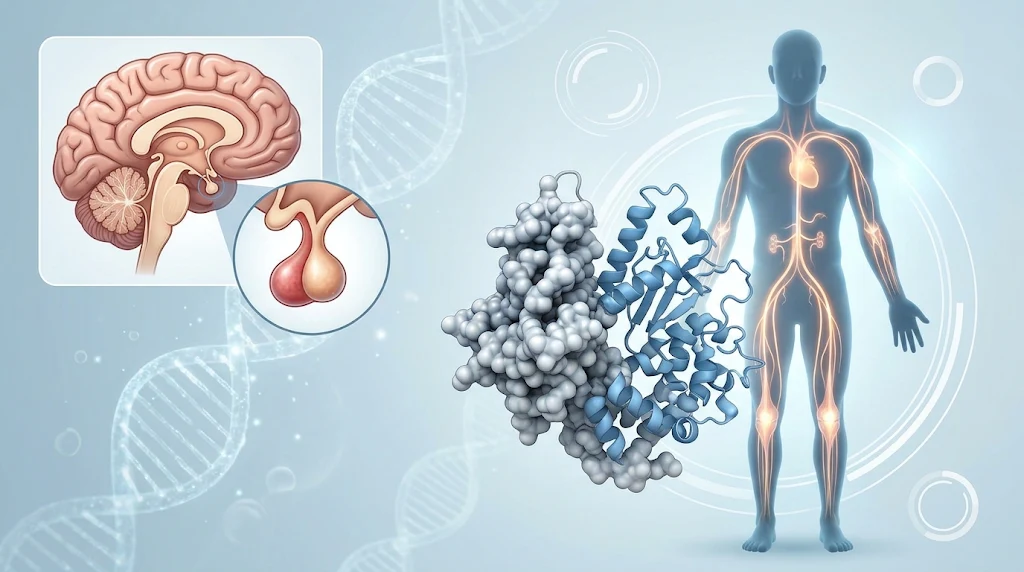
The body maintains hormonal balance through feedback mechanisms involving the hypothalamus, pituitary gland, and reproductive organs. This system regulates the production and release of several important hormones.
External anabolic steroids can disrupt this natural regulation. When the body detects increased androgen activity, it may reduce signals responsible for stimulating its own testosterone production.
This disruption can contribute to hormonal imbalances and changes in reproductive function. Depending on individual circumstances, normal hormone regulation may take time to recover after exposure ends, and some complications may require medical treatment.
Effects on the Liver and Cardiovascular System
The liver is responsible for processing many substances that enter the body, including medications and hormones. Certain anabolic steroid compounds can place additional stress on liver function and may contribute to serious liver-related complications.
Cardiovascular health can also be affected. Anabolic steroid exposure has been associated with changes in cholesterol levels, blood pressure, and other factors related to heart health.
These changes are important because cardiovascular complications can develop without obvious early symptoms. Regular medical assessment is essential when a person has been exposed to substances that may affect these systems.
Effects on the Brain and Mood
Hormones influence several processes within the brain, including mood regulation, motivation, and emotional responses. Changes in androgen activity may therefore affect psychological well-being.
Some individuals exposed to anabolic steroids experience mood changes, irritability, anxiety, or other emotional difficulties. The nature of these effects can vary, and they may be influenced by existing mental health conditions and individual sensitivity.
Hormonal disruption can also contribute to changes in sleep, energy levels, and general emotional stability. Persistent psychological symptoms deserve professional attention.
What Are the Different Types of Anabolic Steroids?
Anabolic steroids include several pharmaceutical compounds that share testosterone-related biological activity. They differ in chemical structure, formulation, metabolism, and medical applications.
Understanding these categories helps explain why the effects and health risks associated with anabolic steroids are not always identical. The distinction between formulations is particularly important in medical research and pharmaceutical regulation.
Testosterone-Based Steroids
Testosterone-based medications contain testosterone or compounds closely related to it. They are used in certain medical situations involving confirmed hormone deficiency.
Testosterone plays an important role in reproductive health, bone maintenance, muscle function, and other physiological activities. However, treatment requires an appropriate diagnosis and ongoing medical assessment.
Injectable Anabolic Steroids
Some anabolic steroid medications are available in injectable pharmaceutical formulations. These preparations are designed for specific medical purposes and must be administered according to professional medical instructions.
An injectable formulation does not eliminate the risks associated with androgenic substances. Hormonal disruption, cardiovascular concerns, and other adverse effects may still occur.
Oral Anabolic Steroids
Certain anabolic steroid compounds are available in oral formulations. Some orally administered substances undergo significant processing in the liver, which can create particular concerns involving liver health.
The effects of oral formulations depend on their chemical structure and the way they are metabolized. Their availability should never be interpreted as evidence that they are harmless or appropriate for nonmedical use.
Prescription Anabolic Steroids
Prescription anabolic steroids are medications that can only be used according to applicable medical and regulatory requirements. Their prescription status depends on the specific substance and the laws of the country.
A legitimate prescription reflects a healthcare decision based on an individual’s medical needs. It does not mean that the medication is suitable for bodybuilding, athletic performance enhancement, or unsupervised hormone manipulation.
What Are the Side Effects of Anabolic Steroids?
Anabolic steroids can produce a range of side effects, particularly when used without appropriate medical supervision. Some effects are related to changes in natural hormone production, while others involve the cardiovascular system, liver, reproductive organs, and mental health.
The likelihood and severity of complications depend on several factors, including the substance, duration of exposure, individual health, and other medications involved.
Short-Term Side Effects
Some side effects may become noticeable during or shortly after exposure to anabolic steroids. These can include changes in skin condition, fluid retention, mood, sleep, and normal hormonal activity.
Changes in cholesterol levels and blood pressure may also occur. Although these changes are not always immediately noticeable, they can contribute to longer-term health concerns.
The absence of obvious symptoms does not guarantee that a person’s body is responding safely.
Long-Term Health Complications
Long-term exposure to anabolic steroids may contribute to persistent health problems. Cardiovascular complications are among the major concerns because changes in cholesterol, blood pressure, and heart function can increase overall medical risk.
Liver complications are another important concern, particularly with certain compounds. Hormonal disruption may also affect reproductive health and normal endocrine function.
Some adverse effects may improve after exposure ends, while others can persist and require ongoing medical attention.
Hormonal Imbalances
External androgenic substances can interfere with the body’s natural hormone production. This may lead to reduced testosterone production, changes in reproductive hormone levels, and disruption of normal endocrine activity.
Hormonal imbalance can affect energy, mood, sexual function, and reproductive health. Medical evaluation may be necessary to determine the nature and extent of these changes.
Cardiovascular and Liver-Related Risks
Anabolic steroid exposure can affect important cardiovascular risk factors. Changes in cholesterol levels may influence the development of cardiovascular disease, while elevated blood pressure can place additional stress on the heart and blood vessels.
Certain compounds can also cause liver-related complications. Medical professionals may evaluate liver function and cardiovascular health when there is a history of exposure.
Psychological and Emotional Effects
Psychological side effects can include changes in mood, irritability, anxiety, and difficulties with emotional regulation. Some individuals may experience significant psychological distress when hormonal levels change.
These effects should not be dismissed as ordinary mood fluctuations. Persistent or severe symptoms require appropriate medical and mental health support.
What Are the Risks of Anabolic Steroid Abuse?
Anabolic steroid abuse refers to using these substances outside appropriate medical guidelines. Nonmedical use is particularly concerning because it can involve unnecessary exposure to compounds that influence several major biological systems.
The risks extend beyond physical appearance and athletic performance. Unsupervised use can affect long-term health, reproductive function, emotional well-being, and the body’s natural hormonal regulation.
Physical Health Risks
Physical complications may involve the heart, liver, reproductive organs, skin, and other tissues. Changes in cardiovascular risk factors are particularly important because they may contribute to serious health problems over time.
The effects are not always immediately noticeable. Someone may feel physically well while underlying changes are occurring in important biological systems.
Mental Health Concerns
Anabolic steroid exposure can affect mood and psychological functioning. Some individuals may experience anxiety, emotional instability, or other mental health difficulties.
People who already have psychological health concerns may require additional medical attention. Support from qualified professionals can help address symptoms and identify appropriate treatment options.
Hormonal Changes and Fertility Problems
One of the major concerns associated with nonmedical anabolic steroid use is disruption of reproductive hormone production. External androgen exposure can interfere with signals that regulate normal reproductive function.
In males, this may contribute to reduced sperm production and fertility problems. In females, androgen exposure can cause changes in menstrual function and other hormone-related effects.
The possibility of persistent reproductive complications makes medical guidance particularly important.
Potential for Dependence
Some individuals develop patterns of continued anabolic steroid use despite experiencing negative consequences. Psychological dependence can involve concerns about physical appearance, perceived performance changes, or difficulty stopping use.
Discontinuing prolonged exposure may also be associated with hormonal changes and emotional difficulties. Professional medical support can help individuals address these concerns safely.
Are Anabolic Steroids Legal?
The legal status of anabolic steroids varies between countries and depends on the particular substance, its medical approval, and the circumstances of possession or use.
In many jurisdictions, certain anabolic steroids are controlled medications that require a valid prescription. Nonmedical possession, distribution, or sale may be subject to legal restrictions.
Sports organizations also maintain rules regarding performance-enhancing substances. Their regulations are separate from national pharmaceutical laws and may prohibit substances even when they have legitimate medical applications.
Prescription Requirements
Prescription requirements exist to ensure that certain hormone-related medications are used for appropriate medical purposes. Healthcare professionals evaluate whether a medication is necessary and whether its potential benefits justify the associated risks.
Buying or using prescription substances without proper authorization can create both health and legal concerns.
Anabolic Steroids in Professional Sports
Many professional sports organizations prohibit the nonmedical use of anabolic steroids because they can provide an unfair competitive advantage and create health concerns.
Anti-doping organizations maintain prohibited-substance lists and testing policies. Athletes must follow the regulations established by their particular sport and governing organization.
Legal Concerns About Nonmedical Use
Nonmedical steroid use may violate pharmaceutical or controlled-substance regulations, depending on the country. Laws can also apply to manufacturing, distribution, importation, and unauthorized sales.
Individuals should consult reliable government or regulatory information to understand the laws that apply in their location.
Differences in Steroid Regulations Between Countries
Steroid regulations are not identical worldwide. A substance may have different prescription requirements, approval status, or legal restrictions depending on the country.
For this reason, information about legality should always be checked against current local regulations rather than relying on general online statements.
What Is the Difference Between Anabolic Steroids and Corticosteroids?
Anabolic steroids and corticosteroids are both members of the broader steroid family, but they have different biological functions and medical applications.
Anabolic steroids are primarily associated with testosterone-like activity and androgen receptor signaling. Corticosteroids are related to hormones produced by the adrenal cortex and are commonly used to manage inflammation and certain immune-related conditions.
Confusing these two categories can create misunderstandings about medication effects and medical treatment.
How Anabolic Steroids Work
Anabolic steroids interact with androgen receptors and influence biological processes associated with testosterone. Their activity can affect muscle tissue, reproductive function, and other hormone-sensitive systems.
Their medical applications depend on the particular compound and the condition being treated.
What Corticosteroids Are Used For
Corticosteroids are medications used to reduce inflammation and regulate immune-system activity. They may be prescribed for certain allergic reactions, inflammatory disorders, and autoimmune conditions.
Their effects are different from those of anabolic steroids. They do not function as testosterone substitutes and are not primarily intended to increase muscle tissue.
Key Differences in Medical Applications and Effects
The main difference is their biological activity. Anabolic steroids produce androgen-related effects, whereas corticosteroids influence inflammatory and immune responses.
Both categories can cause side effects, and their medical use requires appropriate professional guidance. Understanding their differences helps prevent confusion when researching medications or discussing treatment options with healthcare professionals.
Who Should Avoid Anabolic Steroids?
Anabolic steroids are not appropriate for everyone. Their use requires careful consideration of medical history, existing health conditions, potential interactions, and the reason treatment is being considered.
People without a medically established reason should not use prescription anabolic steroids for physical enhancement. The potential complications may outweigh any perceived benefits.
Health Conditions That May Increase Risks
Certain existing health conditions may increase the potential complications associated with androgenic medications. These include some cardiovascular, liver, reproductive, and hormone-related disorders.
A healthcare professional must consider these conditions before recommending any relevant treatment. Medication decisions should be based on individual medical evaluation rather than general fitness advice.
Risks for Adolescents and Young Adults
Anabolic steroid exposure can be particularly concerning during adolescence and early adulthood because the body is still undergoing important developmental changes.
Hormonal systems, reproductive development, and bone growth can be affected by abnormal androgen exposure. Unsupervised use may interfere with normal development and create lasting health concerns.
Young people should avoid nonmedical steroid use and seek qualified healthcare advice for concerns involving growth, hormones, or physical development.
Importance of Professional Medical Advice
Professional medical guidance is essential whenever anabolic steroid-related treatment is being considered. Healthcare professionals can determine whether a particular medication is medically appropriate and explain its potential risks.
Individuals who have already used these substances should not attempt to manage hormonal complications independently. Medical assessment can help identify possible problems and determine whether further testing or treatment is necessary.
Frequently Asked Questions About Anabolic Steroids
What Are Anabolic Steroids Used For?
Anabolic steroids are synthetic substances related to testosterone. Certain medications in this category have legitimate medical applications involving specific hormone-related conditions and selected cases of tissue loss. Their use requires an appropriate medical reason and professional supervision.
Are Anabolic Steroids the Same as Testosterone?
No. Anabolic steroids are synthetic compounds designed to produce testosterone-like biological effects, but they are not necessarily identical to natural testosterone. Their chemical structures, metabolism, and biological characteristics can differ.
Are Anabolic Steroids Dangerous?
Anabolic steroids can create serious health risks, particularly when used without medical supervision. Potential complications include hormonal disruption, cardiovascular problems, liver-related concerns, reproductive difficulties, and psychological effects.
Can Anabolic Steroids Cause Hormonal Problems?
Yes. External androgenic substances can interfere with the body’s natural hormone-regulation system. This may reduce normal testosterone production and affect reproductive function, energy levels, and other hormonal processes.
Do Anabolic Steroids Have Medical Benefits?
Certain anabolic steroid medications have recognized medical applications. Their potential benefits depend on the specific medication and the condition being treated. Medical professionals evaluate whether treatment is appropriate for an individual patient.
Are Anabolic Steroids Legal for Bodybuilding?
The legal status depends on the country and the specific substance. In many places, certain anabolic steroids require a valid prescription. Using prescription medications for nonmedical bodybuilding purposes may violate applicable regulations.
Can Anabolic Steroid Side Effects Be Permanent?
Some side effects may improve after exposure ends, but others can persist. The outcome depends on the substance involved, individual health, and the nature of the complication. Medical evaluation is important when symptoms continue after exposure.
Conclusion
Anabolic steroids are synthetic compounds related to testosterone that influence muscle tissue, hormone activity, and several other biological processes. Although certain medications in this category have legitimate medical applications, their effects extend far beyond muscle development.
Understanding what anabolic steroids are involves recognizing both their potential medical benefits and their possible health complications. Unsupervised use can affect cardiovascular health, liver function, reproductive systems, hormonal balance, and psychological well-being.
The distinction between medically supervised treatment and nonmedical performance enhancement is particularly important. A medication that has an approved medical purpose is not automatically safe or appropriate for general physical enhancement.
Anyone considering hormone-related treatment or experiencing complications after steroid exposure should consult a qualified healthcare professional. Reliable medical information, appropriate diagnosis, and professional supervision are essential for protecting long-term health.