
Blog
What Does HGH Mean? Understanding Human Growth Hormone

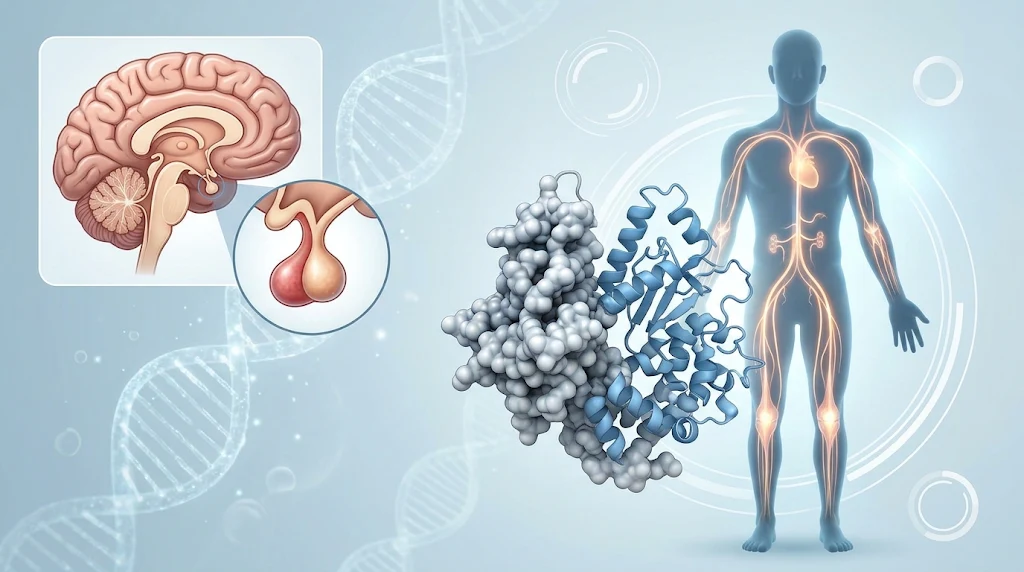
Understanding hormones is an important part of learning how the human body develops, functions, and maintains overall health. One hormone that receives considerable attention in medical research and general health discussions is human growth hormone, commonly known as HGH. People often encounter this term when reading about physical development, muscle growth, metabolism, and hormonal health. However, many do not fully understand what HGH means or why the body needs it.
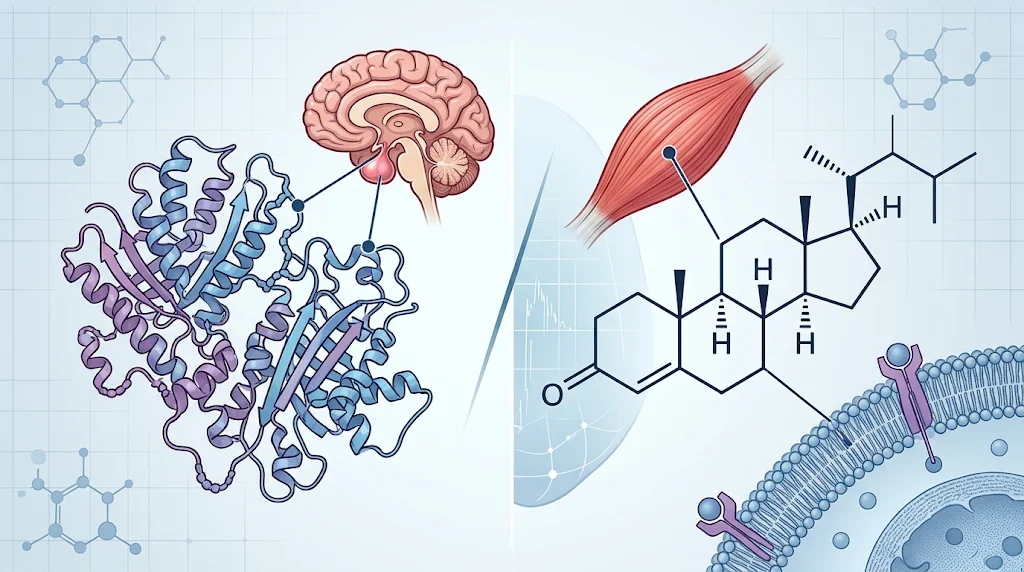
HGH stands for human growth hormone. It is a naturally occurring hormone produced by the pituitary gland, a small gland located at the base of the brain. This hormone plays an important role in childhood growth, bone development, tissue maintenance, and several metabolic processes. Although its name suggests that it is mainly responsible for increasing height, its functions extend beyond physical growth.
Human growth hormone remains important throughout life, even after a person reaches their adult height. It helps regulate how the body uses nutrients, supports the maintenance of different tissues, and influences the production of another hormone called insulin-like growth factor 1, or IGF-1. Together, these hormonal processes contribute to normal development and metabolic health.
Understanding what HGH means requires looking at how the hormone is produced, how it works, what affects its natural production, and what happens when hormone levels become unusually low or high. This article explains the meaning of HGH, its biological functions, medical uses, and potential health considerations.
What Does HGH Mean?
HGH means human growth hormone. It is a peptide hormone naturally produced and released by the anterior pituitary gland. The hormone is also called somatotropin and plays a significant role in regulating growth, development, metabolism, and tissue maintenance.
The human body produces HGH throughout life, although the amount released changes with age and other biological factors. Production is generally higher during childhood and adolescence because these stages involve rapid physical development. During adulthood, HGH continues to perform important functions, but its natural secretion gradually changes.
Human growth hormone is essential for normal skeletal development, particularly while the bones are still growing. It also influences protein metabolism, fat metabolism, and the activity of several tissues throughout the body. These functions explain why HGH is associated with more than simply increasing height.
The hormone is released into the bloodstream in a controlled pattern rather than at a constant rate. Its secretion is influenced by several biological signals, including sleep patterns, physical activity, nutrition, and other hormones. The hypothalamus, which is located in the brain, helps regulate this process by sending signals that influence pituitary gland activity.
The meaning of HGH is therefore closely connected to the body’s natural growth and metabolic regulation. It is not simply a hormone associated with childhood development but an important part of normal human physiology at different stages of life.
What Is Human Growth Hormone?
Human growth hormone is a naturally occurring protein-based hormone that regulates several processes involved in human development and normal body function. It is produced by specialized cells in the anterior portion of the pituitary gland and released into circulation when the body receives appropriate hormonal signals.
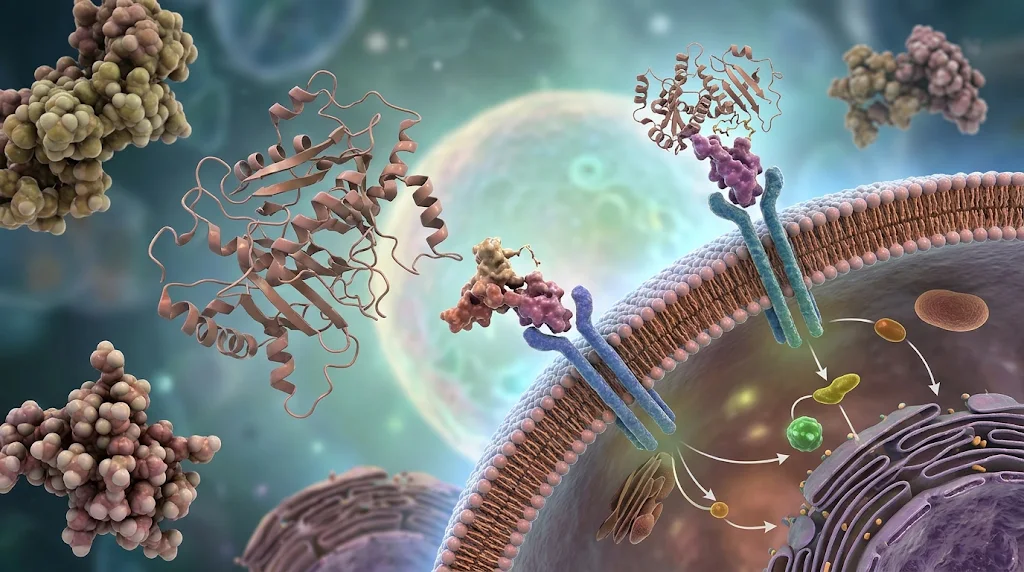
The hormone belongs to a group of substances known as peptide hormones. These hormones are made from chains of amino acids and communicate with cells through specific receptors. When HGH reaches target tissues, it interacts with growth hormone receptors and activates biological pathways that influence cellular activity.
One of its most important functions is regulating the production of insulin-like growth factor 1. Much of the IGF-1 associated with growth hormone activity is produced by the liver, although other tissues can also produce it. IGF-1 contributes to bone growth, tissue development, and cellular processes.
HGH also has direct effects on different tissues. It influences protein synthesis, supports fat metabolism, and affects how the body uses energy. These activities help maintain normal physiological functions beyond the years of active growth.
The production and release of human growth hormone are carefully regulated because both insufficient and excessive amounts can affect health. The body uses a complex hormonal feedback system to maintain appropriate levels according to its developmental and metabolic needs.
Where Is HGH Produced in the Body?
Human growth hormone is primarily produced in the anterior pituitary gland. The pituitary is a small endocrine gland located near the base of the brain. Despite its small size, it plays a major role in controlling several hormonal activities throughout the body.
The pituitary gland contains specialized cells called somatotrophs. These cells produce and release growth hormone into the bloodstream. Once released, HGH travels through circulation and reaches different tissues that contain growth hormone receptors.
The hypothalamus regulates the activity of the pituitary gland. It produces growth hormone-releasing hormone, which stimulates HGH secretion, and somatostatin, which suppresses its release. This relationship helps the body control hormone production according to its changing needs.
The liver is another important organ involved in growth hormone activity. After HGH enters circulation, it stimulates the production of IGF-1, which contributes to many of the hormone’s growth-related effects.
Although the pituitary gland is the primary source of circulating HGH, growth hormone-related signaling also occurs in other tissues. This demonstrates that hormonal regulation is a coordinated process involving several organs rather than the activity of one gland alone.
What Does HGH Do in the Body?
Human growth hormone performs several important biological functions. Its activities involve physical development, tissue maintenance, metabolism, and the regulation of different cellular processes.
HGH and Physical Growth
One of the best-known functions of HGH is supporting physical growth during childhood and adolescence. It contributes to the development of bones and other tissues by influencing cellular activity and stimulating IGF-1 production.
During childhood, growth hormone helps regulate the activity of growth plates, which are areas of developing cartilage located near the ends of certain bones. These growth plates allow long bones to increase in length while a person is still developing.
As adolescence progresses, hormonal changes eventually cause the growth plates to mature and close. After this process is complete, HGH can no longer increase the length of the long bones. However, the hormone continues to influence other biological functions during adulthood.
HGH and Bone Development
Human growth hormone contributes to healthy skeletal development and bone metabolism. It works through direct hormonal signals and IGF-1 activity to influence the growth and maintenance of bone tissue.
Bone is living tissue that constantly undergoes a process of breakdown and rebuilding. Growth hormone and related signaling pathways participate in this process by affecting the cells responsible for bone formation and remodeling.
During childhood and adolescence, these functions are particularly important because the skeleton is still developing. In adults, HGH continues to contribute to bone maintenance, although its effects depend on age, overall health, and other hormonal factors.
HGH and Muscle Tissue
HGH is also involved in protein metabolism and the regulation of muscle tissue. It influences how cells use amino acids and supports processes associated with protein synthesis and tissue maintenance.
However, human growth hormone should not be confused with anabolic steroids. Although both can influence aspects of body composition and metabolism, they are biologically different substances that act through different mechanisms.
Normal growth hormone activity is one part of a much larger system responsible for maintaining muscle and other tissues. Healthy muscle function also depends on nutrition, physical activity, genetics, and several additional hormones.
HGH and Metabolism
Another important function of HGH is regulating metabolism. Metabolism refers to the chemical processes through which the body converts nutrients into energy and maintains normal cellular activity.
Growth hormone influences the way the body processes carbohydrates, fats, and proteins. It can promote the use of stored fat as an energy source and influence how tissues respond to insulin.
HGH also has effects on blood glucose regulation. Its activity can reduce insulin sensitivity in certain tissues, which means excessive growth hormone activity may contribute to elevated blood glucose levels.
These metabolic functions help explain why growth hormone is important even after physical growth has stopped.
HGH and Cell Repair
Human growth hormone participates in biological processes associated with tissue development, cellular activity, and maintenance. Its influence on IGF-1 signaling contributes to cell growth and the regulation of different tissues.
The hormone is not a universal repair solution, and its presence does not mean that every tissue automatically heals faster. Cellular repair involves many different biological pathways, immune responses, and environmental factors.
Nevertheless, normal growth hormone activity remains part of the body’s broader system for maintaining healthy tissues and supporting normal physiological function.
How Does Human Growth Hormone Work?
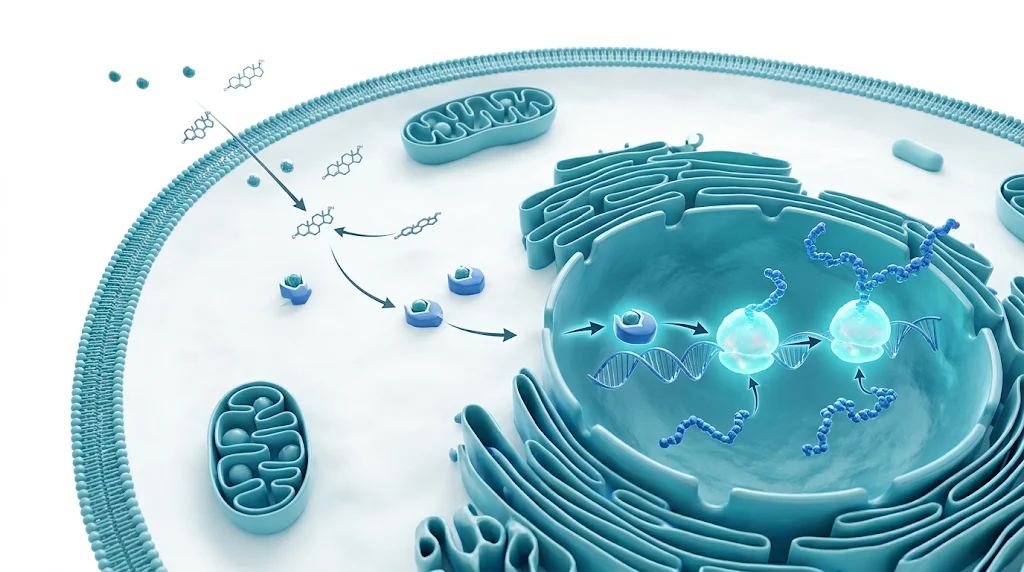
Human growth hormone works by interacting with specific receptors located on the surface of target cells. These receptors recognize HGH and activate internal signaling pathways that influence cellular behavior.
After the pituitary gland releases HGH, the hormone travels through the bloodstream. It reaches different organs and tissues, where it can bind to growth hormone receptors. This interaction activates biological signals involved in metabolism, growth, and tissue regulation.
One major part of this process involves the production of IGF-1. Growth hormone stimulates the liver and other tissues to produce this hormone, which helps regulate many growth-related activities.
The relationship between HGH and IGF-1 is important because the two hormones work together in several biological processes. HGH influences the production of IGF-1, while IGF-1 contributes to the growth and development of bones and other tissues.
The body also uses a feedback mechanism to regulate growth hormone secretion. When hormone levels and related signals reach appropriate levels, feedback systems help reduce additional secretion. This prevents the endocrine system from producing uncontrolled amounts of growth hormone.
The Relationship Between HGH and IGF-1
Insulin-like growth factor 1, commonly known as IGF-1, is a hormone closely connected to human growth hormone. It plays an important role in several biological activities associated with growth and development.
The liver produces much of the circulating IGF-1 in response to HGH. Other tissues can also produce IGF-1 for local biological functions. Once produced, IGF-1 interacts with specific receptors and activates pathways involved in cell growth and development.
During childhood and adolescence, IGF-1 is particularly important for normal skeletal development. It contributes to the activity of growth plates and supports the development of different tissues.
IGF-1 also remains relevant during adulthood. It participates in tissue maintenance, cellular regulation, and metabolic processes. However, its concentration is influenced by several factors, including age, nutritional status, liver function, and growth hormone activity.
Doctors may evaluate IGF-1 levels when investigating possible growth hormone disorders. Because IGF-1 remains in circulation longer than HGH, it can provide useful information about growth hormone activity over time.
Why Is HGH Important for Human Growth?
Human growth hormone is essential for normal development because it influences the biological processes responsible for physical growth and tissue formation. Its importance is especially noticeable during childhood and adolescence.
HGH During Childhood
During childhood, growth hormone supports the development of bones, muscles, and other tissues. It contributes to normal height development and helps regulate the body’s growth-related activities.
Children naturally experience changes in growth hormone secretion as they develop. These changes are part of the normal endocrine system and help coordinate physical development with other biological processes.
Insufficient growth hormone production during childhood can interfere with normal growth. When a child has a genuine growth hormone deficiency, medical evaluation can help identify the underlying cause and determine whether treatment is appropriate.
HGH During Adolescence
Adolescence is a period of significant hormonal activity and physical development. Growth hormone works alongside other hormones to support skeletal growth and changes in body composition.
During this stage, growth plates remain active for a limited period. Growth hormone and IGF-1 contribute to the processes that allow bones to increase in length.
As puberty progresses, the growth plates gradually mature and eventually close. Once they have closed, additional growth hormone cannot reopen them or increase adult height.
HGH During Adulthood
Human growth hormone continues to perform important functions after a person reaches adult height. Although its growth-related effects change, the hormone remains involved in metabolism, tissue maintenance, and other biological processes.
Adult HGH secretion is generally lower than during childhood and adolescence. This is a normal part of human development rather than automatically indicating a medical problem.
Maintaining a healthy endocrine system is important throughout adulthood. Growth hormone is only one part of this system, and its activity interacts with several other hormones and metabolic processes.
What Affects Natural HGH Production?
Natural HGH production is influenced by several internal and external factors. The body regulates its release through a combination of hormonal signals, metabolic conditions, and biological rhythms.
Sleep and HGH Release
Sleep is closely associated with natural growth hormone secretion. The body releases growth hormone in pulses, and one of the major secretion periods is commonly associated with deep sleep.
Healthy sleep patterns support normal endocrine function. Poor sleep quality and insufficient sleep can affect several hormonal processes, including those involved in growth hormone regulation.
The relationship between sleep and HGH demonstrates why consistent sleep habits are important for general health. However, sleep should not be considered a treatment for a diagnosed growth hormone disorder.
Physical Activity and Hormone Regulation
Physical activity can influence growth hormone secretion. Exercise produces several temporary hormonal changes as the body responds to increased energy demands.
The degree of hormonal response depends on exercise intensity, duration, individual fitness, and other physiological factors. These temporary changes are part of the body’s normal response to physical activity.
Regular physical activity also supports cardiovascular health, metabolic function, bone health, and overall well-being. Its benefits extend far beyond any individual hormone.
Nutrition and Metabolic Health
Nutrition plays an important role in maintaining normal hormonal activity. The body requires adequate energy, protein, vitamins, minerals, and other nutrients to support the endocrine system.
Poor nutritional status can affect hormone production and the body’s ability to maintain normal growth and metabolic functions. Severe nutritional deficiencies may interfere with several hormonal pathways.
A balanced dietary pattern supports general health and provides the nutrients needed for normal physiological activity. However, no particular food should be considered a guaranteed way to increase HGH levels.
Age-Related Hormonal Changes
Growth hormone production naturally changes throughout life. Secretion is generally higher during childhood and adolescence and gradually decreases during adulthood.
This change is part of normal aging and does not automatically indicate growth hormone deficiency. Hormonal levels also vary between individuals depending on their health and biological circumstances.
What Happens When HGH Levels Are Too Low?
Low growth hormone levels can affect normal development and certain metabolic processes. The effects depend on the person’s age, the severity of the deficiency, and whether other hormonal systems are also affected.
Growth Hormone Deficiency in Children
Growth hormone deficiency in children occurs when the body does not produce enough growth hormone to support normal development. It may result from problems involving the pituitary gland, hypothalamus, genetic conditions, or other medical factors.
One of the main signs can be slower-than-expected growth compared with normal childhood growth patterns. A healthcare professional may evaluate growth history, physical development, medical history, and relevant laboratory findings.
Early diagnosis is important because untreated growth hormone deficiency can affect normal skeletal development. However, slow growth does not always mean a child has a growth hormone disorder.
Growth Hormone Deficiency in Adults
Adults can also experience growth hormone deficiency. This condition may develop because of pituitary gland disorders, previous medical treatments, or other conditions affecting the hypothalamus and pituitary system.
Growth hormone deficiency in adults can influence body composition, bone health, energy levels, and metabolic function. Some people may experience changes in physical well-being, although these symptoms can also be associated with other health conditions.
Medical testing is necessary to determine whether an adult has a genuine deficiency. A doctor may assess IGF-1 levels and recommend additional testing when appropriate.
Potential Health Effects of Low HGH
Insufficient growth hormone activity can influence several areas of health. In children, the most important concern is impaired physical growth. In adults, possible effects may involve changes in body composition, bone density, and metabolic health.
The severity of these effects varies between individuals. Some people may have additional pituitary hormone deficiencies that require separate medical evaluation.
A proper diagnosis helps healthcare professionals identify the cause and determine whether treatment is medically necessary.
What Happens When HGH Levels Are Too High?
Excessive growth hormone production can also create health problems. The effects depend largely on the person’s age and whether the growth plates have closed.
Gigantism in Children
Gigantism is a rare condition associated with excessive growth hormone production before the growth plates close. The condition can cause unusually rapid and excessive linear growth.
It is often associated with a growth hormone-producing pituitary tumor. Excessive hormone activity stimulates abnormal skeletal growth and can affect several other body systems.
Medical evaluation is essential when unusual growth patterns or other concerning symptoms appear. Treatment depends on the underlying cause and may involve specialized medical care.
Acromegaly in Adults
Acromegaly occurs when the body produces excessive growth hormone after the growth plates have closed. Because the bones can no longer increase in length normally, excess HGH affects other tissues and structures.
The condition may cause gradual changes in bone structure, soft tissues, and certain internal organs. It can also affect blood glucose regulation and cardiovascular health.
Acromegaly usually develops slowly, so diagnosis may be delayed. Medical testing can help identify excessive growth hormone activity and determine the underlying cause.
Health Complications Associated With Excess HGH
Long-term excessive growth hormone activity can affect several organ systems. Potential complications include insulin resistance, type 2 diabetes, cardiovascular problems, joint discomfort, and sleep-related breathing disorders.
The risks depend on the duration and severity of excessive hormone production. Early medical evaluation can help identify the condition and reduce the likelihood of complications.
Is HGH a Steroid?
Human growth hormone is not an anabolic steroid. Although both substances are discussed in conversations about muscle development and body composition, they belong to different biological categories.
HGH is a peptide hormone made from amino acids. It is naturally produced by the pituitary gland and influences growth, metabolism, and tissue-related processes.
Anabolic steroids are synthetic substances related to testosterone. They interact with androgen receptors and influence biological processes associated with male sex hormones, protein metabolism, and muscle development.
The differences between HGH and anabolic steroids are important from a medical perspective. They have different mechanisms of action, potential side effects, and approved medical applications.
Neither substance should be used without an appropriate medical reason and professional supervision. Non-prescribed hormone use can expose people to unnecessary health risks.
What Is HGH Used for Medically?
Prescription human growth hormone has specific medical applications. Healthcare professionals may prescribe it for certain conditions involving inadequate growth hormone production or other approved medical indications.
Growth Hormone Deficiency Treatment
One established medical use of prescription HGH is treating confirmed growth hormone deficiency. In children, treatment may support normal growth when a deficiency has been properly diagnosed.
Adults with confirmed growth hormone deficiency may also receive treatment when a specialist determines that it is appropriate.
Treatment decisions depend on medical history, diagnostic findings, age, and individual health circumstances. The goal is to address a genuine medical condition rather than increase hormone levels unnecessarily.
Certain Approved Medical Conditions
Depending on the country and specific product, prescription growth hormone may be approved for additional medical conditions involving impaired growth or particular endocrine and metabolic problems.
The approved indications are not identical everywhere. Doctors must consider the relevant medical guidelines and prescribing information before recommending treatment.
Prescription HGH is not a general treatment for ordinary aging, athletic performance, or cosmetic body changes.
Why Medical Supervision Is Necessary
Growth hormone treatment requires medical supervision because it can affect multiple biological systems. Healthcare professionals evaluate the underlying condition, monitor treatment response, and assess possible side effects.
The appropriate medical approach depends on individual circumstances. Self-diagnosis and unsupervised hormone use can lead to unnecessary complications.
Are There Risks Associated With HGH?
Although HGH has legitimate medical applications, treatment is not appropriate for everyone. Prescription growth hormone can produce side effects, particularly when used without a suitable medical indication or proper monitoring.
Potential side effects include fluid retention, joint discomfort, muscle pain, headaches, and changes in blood glucose regulation. Some people may also experience swelling in the hands or feet.
Growth hormone can affect insulin sensitivity, which is important for maintaining normal blood sugar levels. This means people receiving treatment may require appropriate metabolic monitoring.
Excessive growth hormone activity over an extended period can contribute to serious health complications. The risks associated with non-prescribed products may be particularly concerning because their quality, contents, and safety cannot always be established.
People should not assume that increasing HGH levels will automatically improve health, physical performance, or appearance. Hormonal systems require balance, and unnecessary intervention can disrupt normal biological functions.
Anyone concerned about growth hormone levels should discuss their symptoms and medical history with a qualified healthcare professional.
How Are HGH Levels Tested?
Doctors may recommend hormone testing when symptoms or medical findings suggest a possible growth hormone disorder. Testing is generally performed as part of a broader medical evaluation.
A single HGH blood test is not always sufficient to diagnose a deficiency because the hormone is released in pulses. Its concentration can change considerably throughout the day and night.
IGF-1 testing is commonly used because IGF-1 levels are more stable than growth hormone levels. The result can provide useful information about growth hormone activity when interpreted alongside age and other medical factors.
When necessary, doctors may recommend specialized stimulation or suppression tests. These tests evaluate how the body responds to particular medical signals and can help identify abnormal hormone production.
The results must be interpreted in the context of symptoms, medical history, physical development, and other laboratory findings. No single result should be used independently to make a diagnosis.
Frequently Asked Questions About HGH
What Does HGH Stand For?
HGH stands for human growth hormone. It is a naturally occurring peptide hormone produced by the anterior pituitary gland. It supports normal growth, metabolism, tissue development, and several other biological processes.
What Does HGH Mean in Medical Terms?
In medical terminology, HGH refers to human growth hormone, also known as somatotropin. It is an endocrine hormone involved in skeletal development, protein metabolism, fat metabolism, and the regulation of IGF-1 production.
Is HGH the Same as Human Growth Hormone?
Yes. HGH is simply the abbreviation for human growth hormone. Both terms describe the same hormone produced naturally by the pituitary gland.
Is HGH Naturally Produced by the Body?
Yes. The human body naturally produces growth hormone through specialized cells in the anterior pituitary gland. Its release is regulated by signals from the hypothalamus and other biological factors.
Is HGH a Steroid or a Hormone?
HGH is a hormone, not an anabolic steroid. It is a peptide hormone made from amino acids, whereas anabolic steroids are substances related to testosterone that act through androgen receptors.
What Gland Produces HGH?
The anterior pituitary gland produces and releases human growth hormone. The hypothalamus regulates this activity through hormones that stimulate or suppress growth hormone secretion.
Does HGH Production Decrease With Age?
Yes. Natural growth hormone secretion generally decreases as people move from childhood and adolescence into adulthood. This is a normal biological change and does not automatically indicate a medical deficiency.
Why Is Human Growth Hormone Important?
Human growth hormone is important because it supports normal physical development, bone growth, tissue maintenance, and metabolic regulation. It remains biologically active throughout adulthood, even after height development is complete.
Can Adults Have Growth Hormone Deficiency?
Yes. Adults can develop growth hormone deficiency because of problems affecting the pituitary gland or hypothalamus. Medical testing is necessary to confirm the condition and determine whether treatment is appropriate.
Is Prescription HGH Safe?
Prescription HGH can be appropriate for people with certain diagnosed medical conditions when used under professional supervision. However, it can cause side effects and is not suitable for everyone.
Conclusion
HGH means human growth hormone, a naturally occurring peptide hormone produced by the anterior pituitary gland. It plays an important role in normal human development, bone growth, tissue maintenance, and metabolic regulation.
Although HGH is commonly associated with increasing height, its biological functions extend throughout adulthood. It influences protein metabolism, fat utilization, IGF-1 production, and several processes that help maintain normal body functions.
The body’s natural growth hormone production changes with age and is regulated by a complex hormonal system. Both insufficient and excessive HGH activity can lead to medical problems, making hormonal balance important for overall health.
Understanding what HGH means also requires recognizing the difference between natural hormone production and prescription growth hormone treatment. Medical HGH has specific approved uses, but it is not a general solution for improving appearance, increasing athletic performance, or preventing normal aging.
Anyone concerned about growth hormone levels should seek professional medical advice rather than attempting to change hormone levels independently. A proper diagnosis and evidence-based medical guidance are essential for maintaining healthy endocrine function.