Blog
What Is the HGH Hormone? Functions, Benefits, and Health Effects

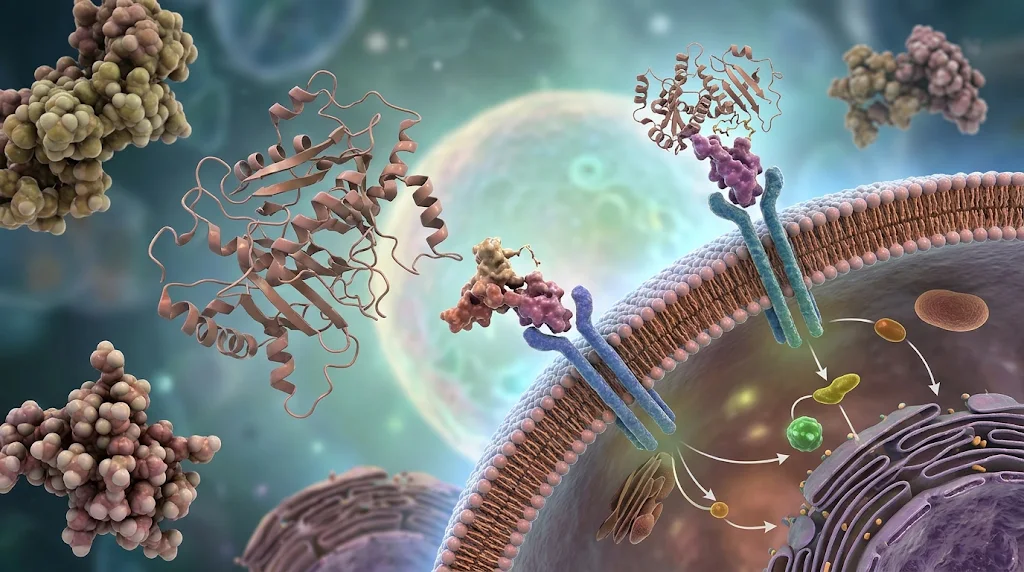
Human growth hormone, commonly known as HGH, is an important hormone that plays a major role in human growth, development, and normal body functions. It is naturally produced by the body and helps regulate several biological processes throughout life. Although growth hormone is especially important during childhood and adolescence, it continues to perform essential functions during adulthood. Its influence extends beyond physical growth because it also contributes to metabolism, protein production, bone health, and tissue maintenance.
The HGH hormone is often discussed in connection with muscle development, physical performance, aging, and overall health. However, many people do not fully understand what this hormone actually does or how the body regulates its production. Growth hormone works through several biological pathways and interacts with other hormones to support normal development. Its production is carefully controlled by the brain and endocrine system, allowing the body to maintain an appropriate hormonal balance.
Understanding what the HGH hormone is can help explain why balanced hormone production is important for long-term health. Both insufficient and excessive growth hormone levels can affect the body in different ways. Medical professionals use specialized tests to evaluate growth hormone function and identify possible hormonal disorders. This article explains how human growth hormone is produced, how it works, why it matters, and what happens when its levels become abnormal.
What Is the HGH Hormone?
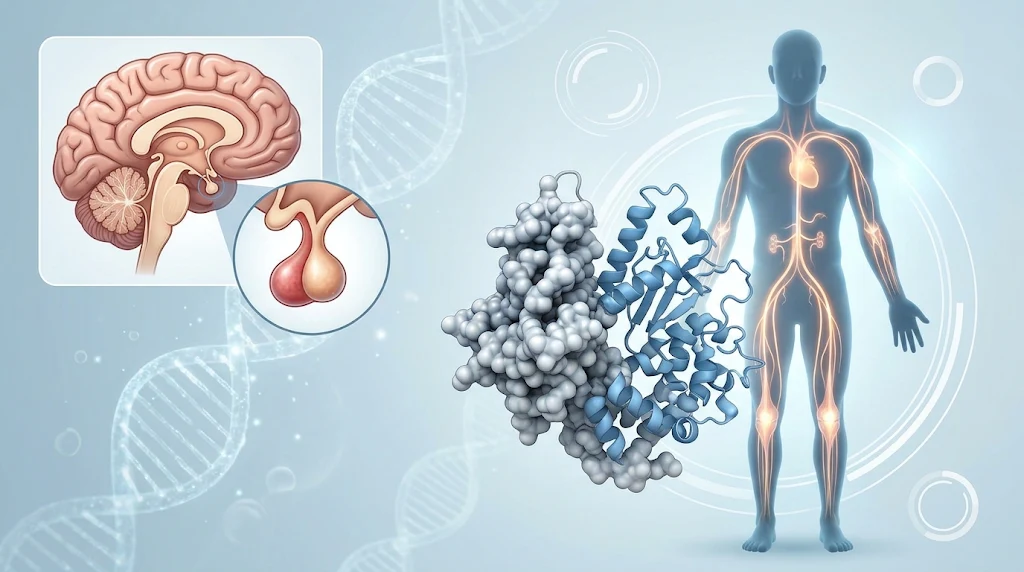
Human growth hormone is a naturally occurring peptide hormone produced by the pituitary gland, a small endocrine gland located at the base of the brain. It is also called somatotropin and is primarily responsible for supporting normal physical growth and regulating several metabolic processes. The hormone travels through the bloodstream and communicates with different tissues throughout the body, influencing how cells grow, develop, and use nutrients.
HGH is particularly important during childhood and adolescence because it supports the development of bones, muscles, and other body tissues. During these stages, the body requires coordinated hormonal activity to support normal physical development. Growth hormone contributes to this process by influencing protein synthesis, bone development, and the production of insulin-like growth factor 1, commonly known as IGF-1.
However, HGH does not stop functioning when a person reaches adulthood. Although natural production generally decreases with age, the hormone continues to contribute to metabolism, tissue maintenance, and other important biological activities. Its functions are connected to the body’s ability to regulate energy, maintain healthy tissues, and support normal physiological processes.
Definition of Human Growth Hormone
Human growth hormone is a protein-based hormone made up of amino acids. It belongs to a group of hormones that regulate growth and metabolism through communication between endocrine glands and body tissues. Its primary function is to influence physical development, but its biological effects extend to several other systems.
Growth hormone affects how the body processes carbohydrates, fats, and proteins. It also influences the production of IGF-1, which plays an important role in tissue growth and development. These connected processes allow HGH to contribute to normal growth and metabolic regulation.
The body produces growth hormone naturally according to its developmental needs and internal biological signals. Its release is not constant throughout the day. Instead, it occurs in pulses that are influenced by sleep, age, nutrition, physical activity, and other physiological conditions.
Why Is HGH Also Called Somatotropin?
HGH is also known as somatotropin because of its relationship with somatic growth, which refers to the development and growth of the body’s tissues. The name describes its major biological role in supporting physical development and regulating cellular activity.
Somatotropin is the scientific term commonly used for growth hormone in medical and biological discussions. It is particularly relevant in endocrinology, where specialists study hormone production, regulation, and related disorders.
Although the names HGH and somatotropin are often used interchangeably, both refer to the same naturally occurring hormone. Understanding this terminology makes it easier to follow medical information about growth hormone and its effects on the human body.
Is HGH a Natural Hormone?
Yes, human growth hormone is a natural hormone produced by the human body. The pituitary gland releases it into the bloodstream as part of the endocrine system’s normal activity. Its production is regulated by signals from the hypothalamus and other biological factors.
The body naturally adjusts growth hormone release according to age, sleep patterns, physical condition, and metabolic requirements. This regulation helps maintain normal hormonal activity without requiring external hormone products.
Synthetic human growth hormone is also available as a prescription medication. It is manufactured for specific medical conditions and is different from the natural hormone produced inside the body. Prescription HGH requires professional medical supervision because inappropriate use can create significant health risks.
Where Is the HGH Hormone Produced?
Human growth hormone is produced in the anterior pituitary gland, which forms part of the endocrine system. The pituitary gland is often called the master gland because it releases hormones that influence several other endocrine organs. Although it is relatively small, it has an important role in controlling growth, metabolism, reproduction, and other physiological activities.
The anterior pituitary contains specialized cells called somatotrophs. These cells produce and release growth hormone into the bloodstream. Their activity is controlled by signals received from the hypothalamus, a region of the brain responsible for regulating several essential body functions.
The production and release of HGH follow a complex biological process. The brain continuously monitors internal conditions and sends signals that influence how much growth hormone the pituitary gland releases. This communication helps the body maintain appropriate hormone levels throughout different stages of life.
The Role of the Pituitary Gland
The pituitary gland is located beneath the hypothalamus and is connected to it through a small structure called the pituitary stalk. Its anterior section produces several important hormones, including growth hormone. These hormones travel through the bloodstream and influence different organs and tissues.
Somatotroph cells in the anterior pituitary are responsible for producing HGH. When the appropriate signals reach these cells, they release the hormone into circulation. Once released, growth hormone travels throughout the body and interacts with specific receptors on target cells.
The pituitary gland does not work independently. Its activity depends on communication with the hypothalamus and feedback from other hormones. This interconnected system allows growth hormone production to respond to changing physiological requirements.
How the Brain Controls HGH Production
The hypothalamus plays an important role in regulating growth hormone secretion. It produces growth hormone-releasing hormone, commonly called GHRH, which stimulates the anterior pituitary to release HGH. It also produces somatostatin, a hormone that suppresses growth hormone secretion.
The balance between these two regulatory signals helps determine when and how much growth hormone enters the bloodstream. Other hormones and metabolic signals can also influence this process.
Insulin-like growth factor 1 participates in a feedback mechanism that helps regulate growth hormone production. When IGF-1 levels increase, they can signal the hypothalamus and pituitary gland to reduce further growth hormone release. This feedback system helps maintain hormonal balance.
When Does the Body Release HGH?
Growth hormone is released throughout the day in pulses rather than at a constant rate. These pulses vary depending on age, sleep, physical activity, and individual biological conditions. The largest secretion pulses often occur during deep sleep, making healthy sleep patterns important for normal hormonal regulation.
Growth hormone release can also increase during physical activity and certain metabolic conditions. However, its secretion is influenced by multiple factors, so the amount released varies from person to person.
During childhood and adolescence, growth hormone secretion generally supports rapid physical development. In adulthood, secretion continues but usually becomes lower over time. These natural changes are part of the normal aging process.
What Does the HGH Hormone Do in the Body?
Human growth hormone performs several important functions throughout the body. Although its name emphasizes growth, its influence is not limited to increasing physical size. It also helps regulate metabolism, supports tissue development, influences protein production, and contributes to the maintenance of healthy bones and muscles.
Many of its growth-related effects occur through IGF-1, which is produced mainly in the liver and also in other tissues. HGH stimulates IGF-1 production, and this hormone helps regulate cell growth and development.
Growth hormone also affects how the body uses stored energy. It influences fat metabolism and can reduce the body’s sensitivity to insulin under certain conditions. These metabolic effects demonstrate why balanced growth hormone levels are important for normal physiological function.
HGH and Bone Growth
Bone growth is one of the most important functions of human growth hormone, especially during childhood and adolescence. HGH influences the development of bones by stimulating the production of IGF-1 and supporting the activity of cells involved in bone formation.
During the years when growth plates remain open, growth hormone contributes to the lengthening of long bones. This process is essential for normal increases in height during development. The hormone works alongside other factors, including thyroid hormones, sex hormones, nutrition, and genetics.
After growth plates close, generally toward the end of adolescence, bones can no longer increase in length through the same growth process. However, growth hormone continues to influence bone metabolism and tissue maintenance during adulthood.
HGH and Muscle Development
Human growth hormone contributes to normal muscle development by influencing protein metabolism and tissue growth. It supports processes involved in protein synthesis and interacts with IGF-1 to regulate cellular growth.
Muscle tissue constantly undergoes maintenance and repair. Growth hormone is one of several hormones involved in regulating these processes. However, muscle development depends on many factors, including physical activity, nutrition, genetics, and other hormones.
It is important to understand that naturally produced HGH does not guarantee increased muscle size or physical performance. Hormonal balance supports normal body functions, but excessive growth hormone does not necessarily produce healthier muscles.
HGH and Protein Production
Protein is essential for the structure and function of nearly every tissue in the human body. Human growth hormone influences protein metabolism by supporting the processes involved in building and maintaining body tissues.
HGH promotes amino acid uptake and protein synthesis in certain tissues. Amino acids are the building blocks of proteins, which are necessary for cellular development, tissue maintenance, and many biological activities.
This function becomes particularly important during periods of growth and development. Adequate hormonal activity helps coordinate protein metabolism with the body’s changing physiological requirements.
HGH and Fat Metabolism
Growth hormone also plays an important role in fat metabolism. It influences lipolysis, which is the process through which stored fat is broken down into fatty acids. These fatty acids can then be used by the body as an energy source.
This metabolic function helps regulate how the body manages stored energy. However, HGH is not a simple fat-loss hormone, and its effects depend on the overall hormonal environment and metabolic condition of the individual.
Growth hormone can also affect insulin sensitivity and blood glucose regulation. Excessive growth hormone activity may increase insulin resistance, which can interfere with normal glucose metabolism.
HGH and Cell Repair
Human growth hormone contributes to cellular growth and tissue maintenance through its direct effects and its relationship with IGF-1. These processes help regulate how cells develop, maintain their structure, and respond to normal physiological demands.
The hormone influences several tissues, including muscles, bones, and connective tissues. Its activity is part of a larger biological network responsible for maintaining the body’s normal structure and function.
Although growth hormone is involved in tissue-related processes, it should not be described as a guaranteed treatment for injuries or a general solution for aging. Its medical use is limited to specific conditions where qualified healthcare professionals determine that treatment is appropriate.
How Does the HGH Hormone Work?
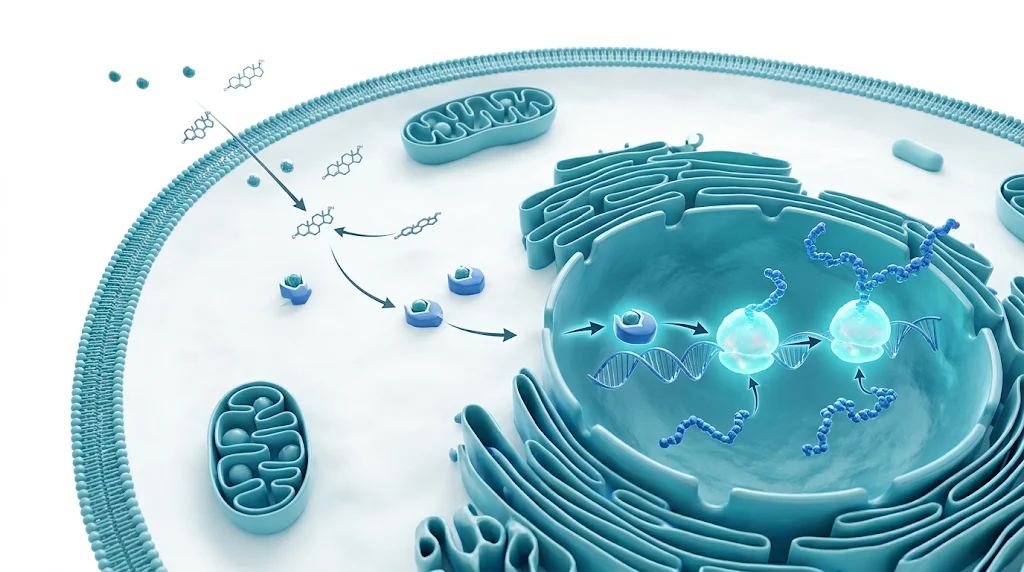
Human growth hormone works through communication between the endocrine system and different body tissues. After being released by the anterior pituitary gland, HGH enters the bloodstream and travels to tissues containing growth hormone receptors.
When HGH attaches to these receptors, it activates signaling pathways inside cells. These pathways influence gene activity, protein production, metabolism, and the production of IGF-1. The resulting effects vary depending on the type of tissue and the body’s physiological condition.
Some effects of HGH occur directly through its receptors, while others happen indirectly through IGF-1. This combination allows growth hormone to influence multiple biological processes.
How HGH Travels Through the Bloodstream
After production in the pituitary gland, growth hormone is released into circulation. Blood carries the hormone throughout the body, allowing it to reach different organs and tissues.
HGH interacts with specific receptors located on the surface of target cells. These receptors recognize the hormone and activate internal signaling processes. This communication allows growth hormone to influence cellular functions.
The hormone’s effects depend on the concentration of HGH, receptor activity, tissue sensitivity, and other metabolic signals. Therefore, its biological activity is more complex than simply measuring how much hormone is present in the bloodstream.
The Relationship Between HGH and IGF-1
IGF-1 is one of the most important hormones associated with growth hormone activity. It is produced mainly by the liver in response to HGH, although several other tissues can also produce it.
IGF-1 supports cell growth, tissue development, and bone formation. It is particularly important during childhood and adolescence, when the body undergoes significant physical development.
HGH and IGF-1 work together through a coordinated biological system. Growth hormone stimulates IGF-1 production, while IGF-1 helps regulate further growth hormone secretion through feedback mechanisms. This relationship supports normal growth and hormonal balance.
How HGH Influences Different Body Tissues
Growth hormone affects multiple tissues because its receptors are present in different parts of the body. Its biological effects include changes in protein metabolism, fat utilization, and cellular activity.
In the liver, HGH stimulates IGF-1 production. In muscle and other tissues, it influences metabolic processes and cellular growth. In bone tissue, its activity contributes to development and maintenance.
The overall effect depends on the interaction between HGH, IGF-1, nutrition, age, and other hormones. This is why growth hormone function cannot be understood by looking at only one biological process.
Why Is the HGH Hormone Important?
Human growth hormone is important because it supports several essential functions that help the body develop and maintain normal physiological activity. Its influence begins before adulthood and continues throughout life, although production changes with age.
During childhood, HGH is necessary for normal physical development. During adolescence, it works alongside other hormones to support changes in bone and tissue growth. In adulthood, its role shifts more toward metabolic regulation and tissue maintenance.
Healthy growth hormone activity depends on a balanced endocrine system. Both deficiency and excessive production can interfere with normal body functions, making proper hormonal regulation important for overall health.
Supporting Childhood and Adolescent Growth
Childhood and adolescence are important stages for physical development. During these periods, growth hormone contributes to the development of bones, muscles, and other body tissues.
Its interaction with IGF-1 supports normal bone growth and the development of the body’s structural tissues. Other hormones, including thyroid hormones and sex hormones, also contribute to these processes.
Insufficient growth hormone production during childhood can interfere with normal height development. Early medical evaluation can help identify growth-related conditions and determine whether treatment is necessary.
Maintaining Healthy Body Composition
Growth hormone influences body composition by affecting fat metabolism and protein balance. It contributes to the regulation of muscle and fat tissues, although its effects are influenced by many other biological factors.
Body composition is also affected by nutrition, physical activity, genetics, sleep, and overall health. HGH is only one part of this complex system.
Maintaining balanced hormone levels supports normal metabolism, but artificially increasing growth hormone levels is not a safe or reliable approach to changing body composition.
Supporting Normal Metabolic Functions
Metabolism includes all the chemical processes that allow the body to produce and use energy. Growth hormone contributes to these processes by influencing how carbohydrates, proteins, and fats are handled.
Its effects on fat metabolism and glucose regulation help explain its importance beyond physical growth. However, excessive growth hormone can negatively affect insulin sensitivity and blood glucose control.
A properly regulated endocrine system helps maintain coordination between growth hormone and other metabolic hormones.
Maintaining Bone and Tissue Health
Growth hormone continues to influence bone and tissue metabolism after physical growth is complete. It contributes to the maintenance of normal tissue activity and interacts with IGF-1 in several biological processes.
Bone health depends on multiple factors, including calcium, vitamin D, nutrition, physical activity, and hormonal balance. HGH contributes to this system but cannot replace the other requirements for healthy bones.
What Regulates HGH Hormone Levels?
Growth hormone production is regulated by several internal and external factors. The hypothalamus, pituitary gland, liver, and other tissues participate in maintaining appropriate hormone activity.
The body’s requirements change throughout life, so HGH secretion is not always the same. Age, sleep, nutrition, physical activity, and metabolic conditions can influence how much growth hormone is released.
This regulation is necessary because both insufficient and excessive hormone activity can affect normal biological functions.
The Role of Sleep
Sleep is closely connected to growth hormone secretion. Important growth hormone pulses commonly occur during deep sleep, particularly during the early part of the main sleep period.
The body’s natural sleep-wake cycle influences several hormonal processes. Poor sleep patterns can interfere with normal physiological regulation and may affect the timing of growth hormone release.
Consistent, sufficient sleep supports general health and normal endocrine activity. However, sleep alone cannot correct a medical growth hormone deficiency.
Physical Activity and HGH Release
Physical activity can temporarily influence growth hormone secretion. The response depends on the intensity and duration of activity, individual fitness, and other physiological conditions.
Exercise also supports metabolic health, cardiovascular function, muscle development, and bone strength. These benefits do not depend on artificially increasing growth hormone levels.
Regular physical activity is an important part of maintaining general health, but excessive exercise is not necessary to support normal hormone function.
Nutrition and Hormone Regulation
Nutrition contributes to normal endocrine activity because the body requires adequate energy and nutrients to support biological processes. Protein, carbohydrates, fats, vitamins, and minerals all have important roles in maintaining general health.
Nutritional status can influence growth hormone secretion and the body’s response to it. Severe nutritional deficiencies and prolonged inadequate energy intake may interfere with normal growth and metabolic functions.
A balanced diet supports healthy development, but no particular food can guarantee a specific increase in HGH production.
Age-Related Changes in HGH Production
Growth hormone secretion is generally higher during childhood and adolescence than during adulthood. This difference reflects the body’s changing developmental requirements.
As people grow older, average growth hormone secretion gradually decreases. This natural process is associated with changes in body composition and other aspects of metabolism.
However, lower growth hormone production with age does not automatically indicate a medical deficiency. Hormone levels must be evaluated in the context of symptoms, medical history, and appropriate laboratory testing.
Other Factors That Influence HGH Levels
Several additional factors can influence growth hormone secretion. Metabolic conditions, stress, certain medications, illness, and changes in endocrine function may affect the body’s hormonal regulation.
Blood glucose levels can also influence growth hormone secretion. The relationship between insulin, glucose, and HGH is complex because these hormones interact through different metabolic pathways.
For this reason, growth hormone levels should not be interpreted without considering the individual’s overall health and medical condition.
What Happens When HGH Levels Are Low?
Low human growth hormone levels occur when the pituitary gland does not produce or release enough growth hormone to meet the body’s physiological requirements. This condition is known as growth hormone deficiency.
The effects depend on the age at which the deficiency develops and how severe it is. In children, insufficient growth hormone can interfere with normal height development. In adults, deficiency may affect body composition, bone health, energy levels, and metabolism.
Growth hormone deficiency can have several causes, including problems affecting the pituitary gland, hypothalamus, or structures responsible for regulating hormone production.
Growth Hormone Deficiency in Children
Children require sufficient growth hormone for normal physical development. When the body produces too little HGH, the normal process of height development may be affected.
One important sign is a slower-than-expected growth rate compared with typical developmental patterns. Other possible findings depend on the underlying cause and the child’s overall health.
Medical professionals evaluate growth patterns over time rather than relying on a single measurement. They may also consider family growth history, nutritional status, thyroid function, and other medical factors.
Growth Hormone Deficiency in Adults
Growth hormone deficiency can also develop during adulthood. It may occur because of pituitary disorders, previous medical conditions, or damage affecting the hypothalamus or pituitary gland.
Adults with confirmed deficiency may experience changes in body composition, reduced bone density, altered lipid levels, and reduced physical well-being. However, these symptoms are not specific to growth hormone deficiency and can occur for many other reasons.
A qualified endocrinologist can determine whether hormonal testing and further medical evaluation are appropriate.
Common Signs of Low HGH Levels
The signs of growth hormone deficiency vary depending on age and individual health. In children, reduced growth velocity is an important clinical feature. In adults, changes in body composition and certain metabolic indicators may be associated with the condition.
Other symptoms may include reduced energy, changes in physical capacity, and decreased bone density. However, these findings alone cannot confirm a growth hormone disorder.
Proper diagnosis requires a detailed medical assessment. Healthcare professionals consider symptoms alongside medical history, examination findings, and appropriate laboratory tests.
Potential Causes of Growth Hormone Deficiency
Growth hormone deficiency can develop when the pituitary gland or hypothalamus cannot regulate hormone production properly. Some cases are present from birth, while others develop later in life.
Possible causes include pituitary tumors, certain genetic conditions, previous surgery, radiation treatment, and injuries or disorders affecting the brain. In some individuals, the underlying cause may remain unknown.
Identifying the cause is important because treatment decisions depend on the nature of the deficiency and the person’s overall medical condition.
What Happens When HGH Levels Are Too High?
Excessive growth hormone production occurs when the body releases more HGH than is appropriate. This condition can interfere with normal physical development and metabolic regulation.
The effects depend on whether excessive growth hormone occurs before or after the growth plates in the bones have closed. In children, excess hormone activity can lead to abnormal increases in height. In adults, it can cause changes in bone and soft tissue growth.
Persistent excessive growth hormone production is commonly associated with disorders involving the pituitary gland. Medical assessment is important because untreated conditions can affect several body systems.
Excess Growth Hormone During Childhood
When excessive growth hormone occurs before the growth plates close, it can cause a condition known as gigantism. This condition is characterized by unusually rapid and excessive linear growth.
The condition is rare and generally results from abnormal growth hormone production, often associated with a pituitary tumor. It can also affect other aspects of physical development and overall health.
Early diagnosis is important because treatment can help control excessive hormone production and reduce the risk of complications.
Acromegaly in Adults
Acromegaly develops when the body produces excessive growth hormone after the growth plates have closed. Because the long bones cannot continue increasing in length, the condition causes changes in bone thickness and soft tissue growth instead.
These changes can affect the hands, feet, facial structures, and other parts of the body. The condition may develop gradually, meaning that its physical changes can be difficult to recognize during the early stages.
Most cases of acromegaly are associated with a benign pituitary tumor that produces excessive growth hormone. Medical specialists use laboratory tests and imaging studies to investigate the condition.
Health Effects of Excessive HGH Production
Persistently high growth hormone levels can affect several body systems. They may contribute to insulin resistance, abnormal blood glucose regulation, joint problems, and cardiovascular complications.
Excessive hormone activity can also influence soft tissues and internal organs. The severity of these effects depends on the duration of the condition and individual health factors.
Early medical evaluation and appropriate treatment are important for managing excessive growth hormone production.
Why Hormone Imbalances Require Medical Attention
Growth hormone levels are carefully regulated because the hormone influences many biological systems. A significant imbalance can interfere with normal growth, metabolism, and tissue function.
Attempting to change HGH levels without medical supervision can create additional health risks. Prescription growth hormone is not appropriate for general fitness, cosmetic purposes, or unsupervised physical development.
People with concerns about abnormal growth or possible hormonal problems should seek evaluation from a qualified healthcare professional.
How Is HGH Hormone Deficiency Diagnosed?
Diagnosing growth hormone deficiency requires a combination of medical history, physical examination, laboratory testing, and sometimes imaging studies. A single random blood test is generally not enough to confirm the condition because growth hormone secretion naturally changes throughout the day.
Healthcare professionals evaluate the individual’s symptoms and developmental history before deciding which tests are necessary. The diagnostic approach may differ between children and adults.
An endocrinologist is usually responsible for evaluating suspected growth hormone disorders and interpreting the results.
Medical History and Physical Examination
The diagnostic process generally begins with a detailed medical history. Healthcare professionals review growth patterns, previous illnesses, medications, family history, and other factors that may influence hormone production.
For children, doctors often examine growth charts to understand changes in height over time. For adults, the assessment may focus on symptoms, previous pituitary conditions, and related medical history.
A physical examination helps identify findings that may suggest an endocrine disorder. These findings are considered alongside laboratory results rather than used as the only basis for diagnosis.
Growth Hormone Blood Tests
Growth hormone blood testing measures the concentration of HGH in the bloodstream. However, because secretion occurs in pulses, a random measurement may not accurately represent overall hormone production.
For this reason, doctors generally use additional testing methods when growth hormone deficiency is suspected. The results must be interpreted carefully because hormone concentrations can change significantly depending on timing and physiological conditions.
IGF-1 Testing
IGF-1 testing is commonly used when evaluating growth hormone disorders. Unlike HGH, IGF-1 levels are generally more stable throughout the day.
Because growth hormone stimulates IGF-1 production, its concentration can provide useful information about the body’s growth hormone activity. However, age, nutrition, liver function, and other health conditions can also influence IGF-1 levels.
Doctors interpret IGF-1 results using appropriate reference ranges and the patient’s clinical history.
Growth Hormone Stimulation Tests
Growth hormone stimulation testing may be recommended when initial investigations suggest a possible deficiency. These tests evaluate whether the pituitary gland can release an appropriate amount of HGH in response to a medically supervised stimulus.
The procedure takes place under professional supervision, and blood samples are collected at specific intervals. Healthcare professionals interpret the results using established medical criteria.
These tests help distinguish genuine growth hormone deficiency from naturally low hormone measurements.
The Role of Medical Specialists
Endocrinologists specialize in hormonal disorders and the endocrine system. They evaluate growth hormone conditions by considering symptoms, laboratory findings, medical history, and imaging results.
If a pituitary abnormality is suspected, additional investigations may be necessary to identify the underlying cause. Treatment decisions are based on the diagnosis, the person’s age, and overall health.
What Is the Difference Between Natural HGH and Synthetic HGH?
Natural human growth hormone is produced by the pituitary gland, while synthetic HGH is manufactured for medical use. Both contain the same type of growth hormone, but they differ in how they enter the body and the circumstances in which they are used.
Natural HGH is released through the body’s own regulatory system. Its production changes according to developmental needs, sleep, metabolism, and other biological signals.
Synthetic HGH is a prescription medication used to treat specific medical conditions involving growth hormone deficiency and certain other approved indications. Its use requires proper diagnosis and ongoing medical monitoring.
How the Body Naturally Produces HGH
The human body produces growth hormone through specialized cells in the anterior pituitary gland. The hypothalamus regulates this activity by releasing hormones that stimulate or suppress HGH secretion.
This natural process allows growth hormone levels to change according to the body’s needs. Its release occurs in pulses and is influenced by age, sleep, nutrition, and metabolic activity.
Natural production is an essential part of normal endocrine function. It works together with other hormones to support healthy development and metabolism.
What Is Synthetic Human Growth Hormone?
Synthetic human growth hormone is a laboratory-produced version of human growth hormone. It is manufactured using biotechnology and is designed to reproduce the biological activity of naturally occurring HGH.
Prescription forms are used in specific medical situations under professional supervision. They are not general-purpose products for improving appearance, increasing athletic performance, or changing normal body composition.
Because synthetic HGH affects multiple biological systems, inappropriate use can lead to complications. Medical evaluation is necessary before any treatment involving growth hormone is considered.
Medical Uses of Prescription HGH
Prescription growth hormone may be used to treat confirmed growth hormone deficiency in children and adults. Depending on the product and applicable medical approval, it may also be prescribed for certain other conditions.
Treatment decisions depend on the patient’s diagnosis and individual medical needs. Doctors consider possible benefits, risks, and monitoring requirements before recommending therapy.
Prescription HGH should only be used under the direction of an appropriately qualified healthcare professional. Unsupervised use can interfere with normal hormonal and metabolic regulation.
Important Safety Considerations
Synthetic growth hormone can cause side effects, particularly when used without an appropriate medical indication. Potential problems include fluid retention, joint discomfort, swelling, and changes in blood glucose regulation.
Long-term inappropriate exposure to excessive growth hormone may create additional health risks. People with certain medical conditions may require special precautions or may not be suitable candidates for treatment.
Medical supervision helps ensure that treatment is appropriate and that possible complications are identified.
Is HGH a Steroid?
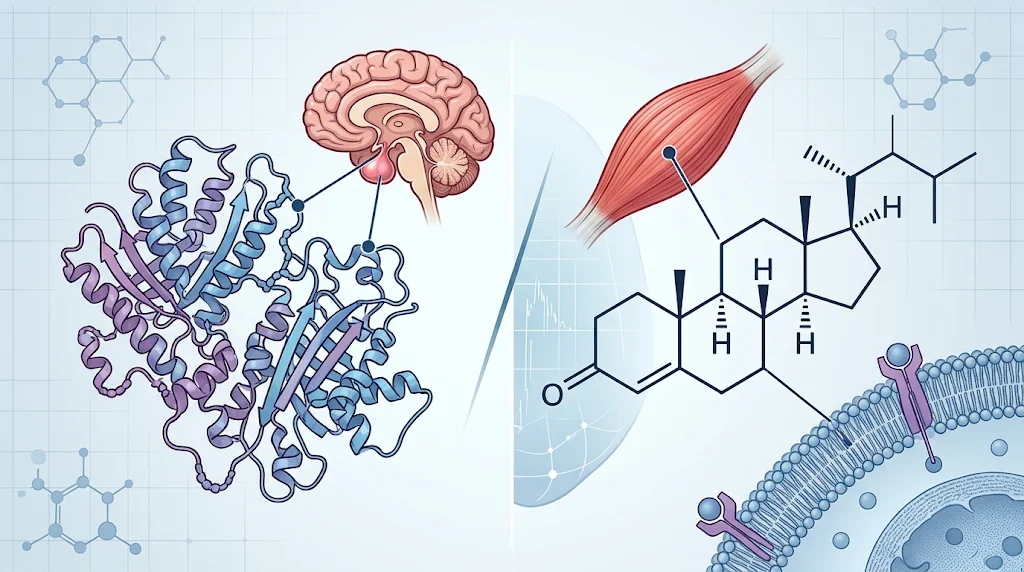
Human growth hormone is not an anabolic steroid. Although both HGH and anabolic steroids can influence tissue growth and metabolism, they are different substances with different chemical structures and biological mechanisms.
HGH is a peptide hormone produced by the pituitary gland. Anabolic steroids are synthetic or naturally occurring substances related to testosterone and other androgen hormones.
The confusion often comes from discussions about muscle development and physical performance. However, the two hormone groups do not work in the same way.
Understanding the Difference Between HGH and Steroids
Growth hormone is made from amino acids and works by interacting with specific growth hormone receptors. Its effects include regulating IGF-1 production, protein metabolism, fat utilization, and tissue development.
Anabolic steroids are related to androgen hormones and act through androgen receptors. They influence gene activity and can affect muscle development and other androgen-dependent processes.
Their chemical structures, medical uses, and potential side effects are different. Understanding these distinctions is important when reading about hormonal health.
How Growth Hormones Differ From Anabolic Steroids
Growth hormone primarily supports normal growth and metabolic regulation through its own signaling system and its relationship with IGF-1. Anabolic steroids act through androgen pathways associated with testosterone.
Both substances can influence body tissues, but they have different mechanisms and medical indications. Their risks also differ, and neither should be used without an appropriate medical reason and professional guidance.
Why HGH and Steroids Are Often Confused
The confusion between HGH and steroids is largely related to their discussion in bodybuilding and sports. Both are sometimes mentioned in conversations about muscle development, but that does not make them chemically or medically equivalent.
Growth hormone is a peptide hormone, whereas anabolic steroids belong to a different class of substances. Accurate information helps prevent misunderstandings about their biological functions and health effects.
Frequently Asked Questions About the HGH Hormone
What Does HGH Stand For?
HGH stands for human growth hormone. It is a naturally occurring peptide hormone produced by the anterior pituitary gland. It supports physical growth, influences metabolism, and contributes to several important biological processes throughout life.
What Is the Main Function of HGH?
The main function of HGH is to support normal physical growth and development, particularly during childhood and adolescence. It also influences protein synthesis, fat metabolism, bone development, and tissue maintenance.
Is HGH Naturally Produced by the Body?
Yes, the body naturally produces HGH through specialized cells in the anterior pituitary gland. Its release is regulated by the hypothalamus and influenced by factors such as age, sleep, physical activity, and metabolic conditions.
Which Gland Produces HGH?
The anterior pituitary gland produces and releases human growth hormone. The hypothalamus regulates this process through growth hormone-releasing hormone and somatostatin.
Does HGH Affect Muscle Growth?
Yes, HGH contributes to normal muscle development by influencing protein metabolism and IGF-1 activity. However, muscle development depends on several factors, including physical activity, nutrition, genetics, and overall hormonal health.
Does HGH Production Decrease With Age?
Yes, average growth hormone secretion generally decreases as people get older. This is a natural biological change, although the degree of reduction varies between individuals.
What Is the Difference Between HGH and IGF-1?
HGH is produced by the anterior pituitary gland, while IGF-1 is produced mainly by the liver in response to growth hormone. HGH stimulates IGF-1 production, and IGF-1 contributes to cell growth, tissue development, and bone formation.
Is HGH a Steroid Hormone?
No, HGH is not a steroid hormone. It is a peptide hormone made from amino acids, while anabolic steroids are related to testosterone and other androgen hormones.
Conclusion
Human growth hormone is an essential hormone that supports normal physical development, metabolic regulation, and tissue maintenance. Produced by the anterior pituitary gland, HGH influences several biological processes directly and through its relationship with IGF-1. Although it is especially important during childhood and adolescence, it continues to contribute to normal body functions throughout adulthood.
Understanding what the HGH hormone is also means understanding how carefully the body regulates its production. Sleep, age, nutrition, physical activity, and other hormonal signals influence growth hormone secretion. Both insufficient and excessive production can affect health, making balanced endocrine activity important.
Growth hormone deficiency and excessive growth hormone production are medical conditions that require proper evaluation. Modern diagnostic methods allow healthcare professionals to investigate hormonal abnormalities and determine whether treatment is necessary. Prescription HGH has legitimate medical applications, but it is not a general-purpose treatment for muscle development, athletic performance, or aging.