

Blog
What Is the Medical Use of Anabolic Steroids? Uses, Benefits, and Risks


Anabolic steroids are synthetic substances designed to act similarly to testosterone, a natural hormone that plays an important role in muscle development, protein production, and several other functions in the human body. Although anabolic steroids are widely discussed in connection with bodybuilding and athletic performance, they also have legitimate medical applications. Doctors may prescribe certain anabolic steroids to manage specific health conditions when the expected medical benefits outweigh the potential risks.
Understanding what is the medical use of anabolic steroids requires looking beyond their association with muscle growth. These medications affect several biological processes, including protein synthesis, red blood cell production, and the development of certain body tissues. Their medical applications depend on the specific medication, the patient’s health condition, and the treatment objectives established by a qualified healthcare professional.
Anabolic steroids are not appropriate for everyone, and their medical use requires careful consideration. Unsupervised use can create significant health complications, particularly when individuals take these substances without a confirmed medical need. Understanding their approved applications, potential benefits, limitations, and side effects helps readers develop a more accurate understanding of their role in healthcare.
What Are Anabolic Steroids?
Anabolic steroids, medically known as anabolic-androgenic steroids, are synthetic derivatives of testosterone. They are designed to produce anabolic effects, which involve building and maintaining body tissues, while also producing varying degrees of androgenic effects associated with male sexual development and reproductive functions.
The word anabolic refers to the body’s tissue-building processes. These processes involve creating proteins and supporting the development and maintenance of muscle tissue. The androgenic component relates to characteristics influenced by male sex hormones, including certain reproductive and physical development processes.
Although the effects of different anabolic steroids can vary, they generally interact with androgen receptors throughout the body. These receptors influence how cells respond to hormonal signals. This explains why anabolic steroids can affect multiple organs and biological systems rather than influencing muscle tissue alone.
Understanding Anabolic-Androgenic Steroids
Anabolic-androgenic steroids belong to a broader group of hormone-related medications. Their chemical structures are related to testosterone, but different formulations may produce different biological effects. Some medications are used for specific medical conditions, while others have limited or no accepted medical applications.
The anabolic properties of these substances involve supporting protein metabolism and tissue maintenance. Their androgenic properties influence reproductive development and other hormone-dependent functions. Both effects are important when healthcare professionals evaluate whether a particular medication is suitable for a patient.
How Anabolic Steroids Work in the Body
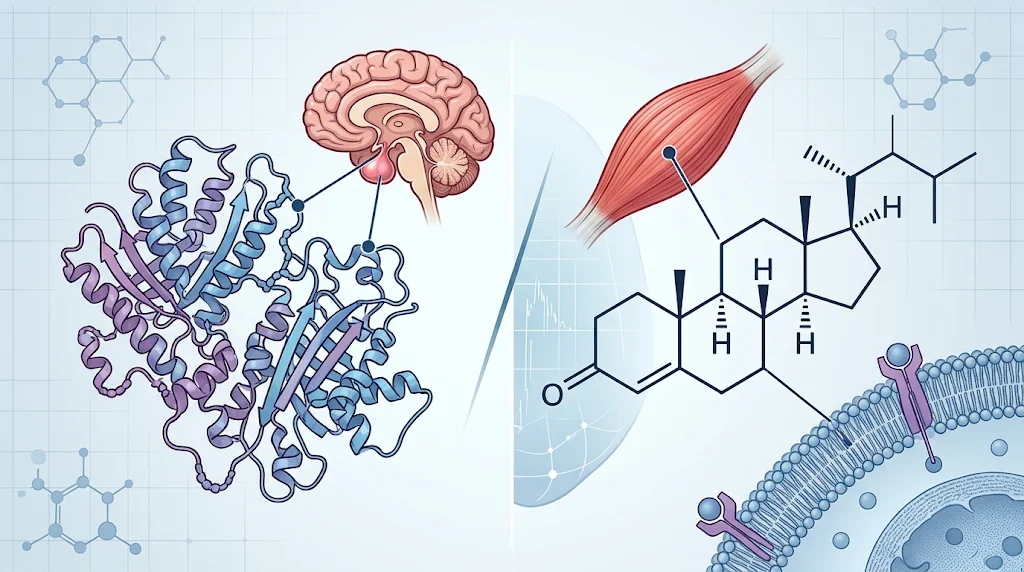
Anabolic steroids interact with androgen receptors located in different tissues. After connecting with these receptors, they influence gene activity and cellular processes involved in protein production and tissue development. These changes can affect muscle metabolism, bone development, and other physiological functions.
Their effects are not limited to one part of the body. Depending on the medication and individual response, anabolic steroids may influence the liver, cardiovascular system, reproductive organs, skin, and hormonal regulation. This wide range of biological activity explains why medical supervision is important.
The Relationship Between Anabolic Steroids and Testosterone
Testosterone is a naturally occurring hormone produced primarily by the testes in males, with smaller amounts produced by the ovaries and adrenal glands in females. It contributes to reproductive health, bone strength, muscle maintenance, and several metabolic processes.
Anabolic steroids are chemically related to testosterone and can produce similar biological effects. However, they are not identical to natural testosterone in their activity, medical applications, or potential risks. Different substances may have different effects on hormone regulation, making accurate diagnosis and appropriate treatment selection essential.
What Is the Medical Use of Anabolic Steroids?
The medical use of anabolic steroids involves treating selected health conditions where their effects on tissue development, hormone activity, or blood cell production may provide a therapeutic benefit. Their applications have changed over time as medical research has developed and treatment guidelines have evolved.
One important consideration is that not every anabolic steroid has the same approved medical indications. A medication that has been used for one medical condition should not automatically be considered suitable for another. Doctors must consider the patient’s diagnosis, medical history, age, existing medications, and potential complications before recommending treatment.
Treatment of Certain Hormonal Disorders
Certain hormonal disorders involve inadequate production or activity of important hormones. Testosterone deficiency is one condition that may require hormone replacement therapy when supported by appropriate clinical evaluation. Depending on the diagnosis, doctors may prescribe testosterone-based medication to restore hormone levels and address related symptoms.
Testosterone therapy is not appropriate for every person experiencing tiredness, reduced muscle strength, or other nonspecific symptoms. A proper medical assessment is necessary to identify the underlying cause. Treatment decisions also depend on the patient’s overall health and individual risk factors.
Treatment of Delayed Puberty in Some Patients
Hormones play an essential role in physical development during puberty. Delayed puberty can occur when the body does not begin normal developmental changes within the expected age range. Several factors may contribute to this condition, including hormonal problems, genetic conditions, and underlying medical disorders.
In selected cases, healthcare professionals may consider hormone-related treatment to support appropriate development. Testosterone is sometimes prescribed under specialist supervision when a medical assessment identifies a suitable indication.
Treatment requires careful evaluation because hormones can influence growth, bone development, and reproductive functions. Medical professionals must consider the patient’s developmental stage and monitor the response to treatment.
Management of Muscle-Wasting Conditions
Muscle wasting refers to the loss of muscle tissue that can occur because of illness, inadequate nutrition, prolonged inactivity, or certain medical conditions. Severe muscle loss may reduce physical strength, mobility, and overall quality of life.
Anabolic steroids have historically been investigated and used in selected clinical situations to support muscle tissue maintenance. Their effects on protein metabolism provide the scientific basis for this medical interest. However, their role is limited, and they are not considered a universal treatment for muscle wasting.
Modern medical management focuses on identifying the underlying cause of muscle loss. Treatment may involve nutritional support, rehabilitation, physical therapy, and appropriate management of the primary disease. Any medication must be selected according to current clinical evidence and professional guidance.
Treatment of Certain Types of Anemia
Anemia occurs when the blood does not contain enough healthy red blood cells or hemoglobin to transport oxygen effectively throughout the body. Different forms of anemia have different causes, and treatment depends on identifying the specific underlying problem.
Some anabolic steroids have historically been used in particular blood disorders because certain substances can influence red blood cell production. However, their use for anemia is limited and has largely been replaced by more targeted treatments in many clinical settings.
Modern anemia treatment may involve addressing nutritional deficiencies, chronic diseases, blood loss, or problems affecting bone marrow function. The appropriate approach depends on the patient’s diagnosis and medical condition.
Support for Specific Medical Conditions That Cause Muscle Loss
Some long-term illnesses can contribute to reduced muscle mass and changes in protein metabolism. These conditions may affect the body’s ability to maintain healthy tissues and preserve physical function.
Anabolic steroids have been studied for their potential effects on tissue maintenance in selected medical circumstances. Nevertheless, their use is not routinely recommended for every condition associated with muscle loss. Medical professionals must evaluate the available evidence and consider safer or more effective alternatives.
How Do Anabolic Steroids Help Patients Medically?
The medical effects of anabolic steroids depend on how they interact with hormone receptors and influence different biological processes. Their potential therapeutic value is associated with changes in protein metabolism, tissue maintenance, and certain hormone-dependent functions.
However, these effects must be understood within the context of a specific medical diagnosis. A biological effect does not automatically mean that a medication provides a meaningful clinical benefit for every patient.
Supporting Protein Synthesis
Protein synthesis is the biological process through which cells create proteins needed for growth, repair, and normal functioning. Proteins are essential components of muscles, organs, enzymes, and many other body structures.
Anabolic steroids can influence protein metabolism by activating androgen receptors and affecting cellular processes involved in tissue development. This activity helps explain their historical medical use in selected conditions associated with tissue loss.
Helping Maintain Muscle Tissue
Muscle tissue is important for movement, balance, strength, and metabolic health. Serious illnesses and certain medical conditions can interfere with the body’s ability to maintain normal muscle mass.
Because anabolic steroids influence protein metabolism, some have been investigated for their potential to support muscle maintenance. Their effectiveness depends on the medical condition, individual response, and overall treatment approach.
Supporting Red Blood Cell Production
Red blood cells transport oxygen from the lungs to different tissues throughout the body. Certain hormones and biological signals influence the production of these cells in the bone marrow.
Some anabolic steroids can affect red blood cell production, which explains their historical use in selected blood-related conditions. However, their risks and limitations mean they are not standard treatments for most forms of anemia today.
Effects on Hormonal Functions
Anabolic steroids interact with the body’s hormonal system. They may influence hormone production, reproductive functions, and the activity of tissues that respond to testosterone.
These effects can sometimes be therapeutically useful when a specific hormonal condition has been diagnosed. However, introducing synthetic hormones can also interfere with natural hormone regulation, which makes medical assessment essential.
Types of Anabolic Steroids Used in Medicine
Different anabolic steroids have different chemical structures, medical histories, and clinical applications. Some have been used in particular medical settings, while others have restricted indications or are no longer routinely recommended.
Testosterone
Testosterone is an important natural androgen hormone and is also available as a prescription medication. Medical testosterone therapy may be considered for individuals with confirmed testosterone deficiency when clinical evaluation supports treatment.
It can help address certain symptoms associated with low testosterone and support normal hormone-dependent functions. However, testosterone treatment requires medical monitoring because it may affect fertility, blood cell levels, cardiovascular health, and other aspects of the body’s hormonal balance.
Oxandrolone
Oxandrolone is a synthetic anabolic steroid that has been used medically in selected situations involving weight loss associated with certain illnesses or medical conditions. Its clinical role is limited, and its use requires consideration of potential complications.
Like other anabolic steroids, oxandrolone can influence liver function, cholesterol levels, and hormonal activity. Its suitability must be evaluated by a healthcare professional rather than determined through personal experimentation.
Nandrolone
Nandrolone is a synthetic anabolic-androgenic steroid that has been used historically for certain medical conditions. Its clinical applications have varied across countries and medical guidelines.
It can influence protein metabolism and other hormone-dependent processes. However, it also carries potential risks involving reproductive health, cardiovascular function, and hormonal regulation. Its availability and accepted indications differ depending on local medical regulations.
Oxymetholone
Oxymetholone is an anabolic steroid historically associated with the treatment of certain forms of anemia. Its effects on blood cell production contributed to its medical use in selected circumstances.
However, oxymetholone can cause significant adverse effects, particularly involving the liver and cardiovascular system. Its use requires careful specialist evaluation and is not appropriate for general muscle development.
Medical Benefits of Anabolic Steroids
The potential medical benefits of anabolic steroids depend on the specific drug and the health condition being treated. These medications may provide therapeutic value in carefully selected circumstances, but their benefits should never be separated from their possible complications.
Supporting Healthy Muscle Development
Anabolic steroids influence biological processes involved in protein synthesis and tissue maintenance. These properties have contributed to their investigation in medical conditions associated with reduced muscle mass.
However, supporting healthy muscle development is not a sufficient reason for medical steroid treatment by itself. Muscle health is usually managed through appropriate nutrition, rehabilitation, physical activity, and treatment of underlying health conditions.
Managing Muscle Loss Associated With Illness
Some medical conditions interfere with normal muscle maintenance and contribute to progressive tissue loss. In selected circumstances, anabolic medications have been considered as part of a broader treatment strategy.
The potential benefit must be assessed against the risks and the availability of other treatments. Managing the underlying illness remains a central part of effective care.
Addressing Certain Hormonal Imbalances
Hormonal problems can affect physical development, reproductive health, bone strength, and other body functions. Testosterone-based medical treatment may be appropriate when a specific deficiency has been confirmed.
The goal of treatment is to address the underlying hormonal problem rather than create hormone levels beyond the normal physiological range. Regular evaluation helps healthcare professionals assess whether treatment remains appropriate.
Supporting Treatment for Specific Blood Disorders
Certain anabolic steroids have been used historically in selected blood disorders because of their influence on red blood cell production. Their role has become more limited as targeted therapies and improved medical approaches have developed.
Treatment decisions must consider the type of blood disorder, the patient’s health, and current clinical recommendations.
What Are the Risks and Side Effects of Medical Anabolic Steroids?
Although anabolic steroids have legitimate medical applications, they can cause side effects. The severity of these effects depends on the medication, the individual’s health, and other clinical factors.
Medical supervision reduces the risk of inappropriate treatment but does not eliminate every possible complication. Patients should understand the potential risks before beginning any hormone-related medication.
Hormonal Side Effects
Anabolic steroids can interfere with the body’s natural hormone production. Changes in hormonal regulation may affect reproductive functions, fertility, and sexual health.
Some individuals may experience changes in natural testosterone production, while others may develop additional hormone-related complications. These effects require medical assessment because hormonal disturbances can sometimes continue after treatment has ended.
Liver-Related Health Risks
Certain oral anabolic steroids can place stress on the liver. Potential complications include abnormal liver enzyme levels, liver injury, and other serious liver-related problems.
The risk varies depending on the specific medication. Healthcare professionals may evaluate liver function when clinically appropriate and reconsider treatment if concerning changes develop.
Cardiovascular Health Concerns
Anabolic steroids can affect cholesterol levels and other factors associated with cardiovascular health. Some substances may reduce beneficial HDL cholesterol or increase LDL cholesterol.
These changes can contribute to an increased risk of cardiovascular complications, particularly when other risk factors are present. Medical monitoring helps identify concerning changes and supports appropriate treatment decisions.
Skin and Hair-Related Side Effects
Hormonal changes may influence the skin and hair. Some individuals experience increased oil production, acne, or changes in hair growth patterns.
The likelihood and severity of these effects vary between individuals and medications. Patients should discuss unexpected skin or hair changes with their healthcare provider.
Mood and Behavioral Changes
Anabolic steroids can influence the nervous system and may affect mood in some individuals. Reported concerns include irritability, changes in emotional well-being, and sleep-related difficulties.
These effects are not identical for everyone. Any significant changes in mood or behavior should be discussed with a healthcare professional.
Medical Use vs. Nonmedical Use of Anabolic Steroids
The distinction between medical and nonmedical anabolic steroid use is important for understanding their health implications. Although both involve substances that affect androgen receptors, the reasons for using them and the medical oversight involved can be very different.
Differences in Medical Supervision
Medical treatment begins with an appropriate diagnosis and an assessment of whether a particular medication is necessary. Healthcare professionals consider the patient’s health history, current symptoms, laboratory findings, and potential treatment risks.
Nonmedical use generally does not involve the same level of clinical assessment or ongoing monitoring. This can increase the likelihood of inappropriate medication use and unexpected complications.
Differences in Treatment Goals
The goal of medical treatment is to address a diagnosed health condition and improve the patient’s health. Treatment decisions are based on clinical needs rather than cosmetic or athletic objectives.
Nonmedical use often focuses on changing physical appearance or improving athletic performance. These goals do not establish a medical need for anabolic steroids and may expose individuals to unnecessary health risks.
Health Risks of Nonmedical Steroid Use
Using anabolic steroids without medical supervision can create several health concerns. These may include hormonal disruption, reproductive complications, liver injury, cardiovascular problems, and psychological changes.
The risks can be difficult to predict because individual responses vary. Products obtained outside regulated medical channels may also contain incorrect ingredients or unreliable concentrations.
Why Prescribed Treatment Requires Monitoring
Even when anabolic steroids are prescribed for legitimate medical reasons, patients need appropriate follow-up. Monitoring allows healthcare professionals to evaluate treatment effectiveness and identify potential adverse effects.
Medical supervision also helps determine whether the original treatment remains necessary. If the risks become greater than the expected benefits, a doctor may recommend changing the treatment plan.
Who May Need Medical Treatment With Anabolic Steroids?
Not everyone experiencing reduced muscle mass, fatigue, or hormonal symptoms needs anabolic steroid treatment. A medical evaluation is necessary to identify the cause of these problems and determine the most appropriate approach.
Patients With Certain Hormonal Conditions
Individuals with confirmed hormonal deficiencies may require specialist evaluation and appropriate hormone-related treatment. The decision depends on laboratory findings, symptoms, medical history, and established clinical guidelines.
Individuals Experiencing Disease-Related Muscle Loss
Some patients experience muscle loss because of serious or long-term illnesses. Treatment generally focuses on the underlying condition, nutritional health, and physical rehabilitation.
Anabolic medications may have a limited role in selected circumstances, but they are not routinely appropriate for all patients with reduced muscle mass.
Patients With Specific Blood Disorders
Certain blood disorders may require specialized treatment based on their underlying causes. Although anabolic steroids have historically been used in selected cases, modern treatment decisions depend on current medical evidence and specialist recommendations.
Importance of Individual Medical Assessment
Every patient has different medical needs and risk factors. A treatment that may be appropriate in one clinical situation could be unsuitable in another.
A qualified healthcare professional should evaluate symptoms, medical history, laboratory results, and possible treatment alternatives before recommending anabolic steroid medication.
How Doctors Monitor Patients Receiving Anabolic Steroids
Monitoring is an important part of safe medical treatment. It allows healthcare professionals to assess whether a medication is providing the expected benefits and whether the patient is experiencing unwanted effects.
Reviewing Medical History
Before prescribing treatment, doctors review the patient’s medical history and current health conditions. They may consider existing liver disease, cardiovascular problems, reproductive concerns, hormonal disorders, and other factors that could influence treatment safety.
Blood Tests and Hormone Monitoring
Laboratory testing may help evaluate hormone levels and other important health indicators. The specific tests depend on the medication and the condition being treated.
Blood test results provide information that can help doctors assess treatment response and identify potential complications.
Monitoring Liver and Heart Health
Some anabolic steroids can affect liver function and cardiovascular risk factors. Healthcare professionals may monitor relevant laboratory values and evaluate cardiovascular health when appropriate.
The monitoring plan depends on the individual patient’s condition and the potential risks associated with the prescribed medication.
Evaluating Treatment Benefits and Side Effects
Regular follow-up appointments allow doctors to determine whether treatment is achieving its intended purpose. They also provide an opportunity to discuss new symptoms and reconsider the treatment plan.
If a medication does not provide sufficient benefits or causes concerning side effects, healthcare professionals may recommend alternative approaches.
Are Anabolic Steroids Safe When Used Medically?
Anabolic steroids can have legitimate medical uses, but they are not completely risk-free. Their safety depends on the specific medication, the patient’s medical condition, and the quality of clinical supervision.
When a doctor identifies an appropriate medical indication, the potential benefits may justify treatment in selected patients. However, this does not mean that every anabolic steroid is suitable for every condition or that medical use eliminates the possibility of serious side effects.
Importance of Proper Medical Diagnosis
Accurate diagnosis helps determine whether anabolic steroid treatment is medically necessary. Symptoms such as fatigue, weakness, and reduced physical performance can have many possible causes.
Treating these symptoms without identifying the underlying problem may delay appropriate care and expose patients to unnecessary medication risks.
Understanding Potential Complications
Patients should understand the possible effects of anabolic steroids on hormonal health, liver function, cardiovascular health, and reproductive systems.
Discussing these concerns with a healthcare professional allows patients to make informed decisions about treatment and follow-up care.
Why Medical Supervision Is Essential
Medical supervision ensures that treatment decisions are based on professional evaluation rather than assumptions. Doctors can assess whether the medication is appropriate, monitor relevant health indicators, and respond to potential complications.
Patients should follow their prescribed treatment plan and avoid making independent changes to hormone-related medication.
Avoiding Unprescribed Steroid Use
Anabolic steroids should not be used without a legitimate medical reason and appropriate professional guidance. Nonmedical use can create unnecessary health risks, especially when products have uncertain quality or contents.
Individuals interested in improving muscle health should seek guidance about appropriate nutrition, physical activity, recovery, and other evidence-based approaches.
Frequently Asked Questions About the Medical Use of Anabolic Steroids
What Is the Main Medical Use of Anabolic Steroids?
The medical use of anabolic steroids involves treating selected conditions associated with hormonal deficiencies, certain blood disorders, and specific situations involving tissue loss. Their applications depend on the medication and the patient’s diagnosis. They are not general-purpose treatments for increasing muscle size.
Are Anabolic Steroids Prescribed by Doctors?
Yes, certain anabolic steroids and testosterone-based medications can be prescribed for legitimate medical conditions. However, their use depends on approved indications, local regulations, and professional medical judgment. A prescription requires an appropriate clinical assessment.
Can Anabolic Steroids Treat Muscle-Wasting Conditions?
Some anabolic steroids have been investigated or used in selected medical circumstances involving muscle loss. However, they are not standard treatments for every muscle-wasting condition. Medical care generally focuses on the underlying illness, nutrition, rehabilitation, and appropriate supportive treatment.
Are Anabolic Steroids Used to Treat Anemia?
Certain anabolic steroids have historically been used for particular types of anemia because of their effects on red blood cell production. Their current medical role is limited, and many patients receive other targeted treatments depending on the cause of their anemia.
What Is the Difference Between Anabolic Steroids and Corticosteroids?
Anabolic steroids are related to testosterone and influence androgen receptors, protein metabolism, and tissue development. Corticosteroids are a different class of medications that influence inflammation, immune activity, and other physiological processes. They have different medical purposes and should not be confused.
Can Medical Anabolic Steroids Cause Side Effects?
Yes. Medical anabolic steroid treatment can cause hormonal changes, liver-related complications, cardiovascular concerns, and other adverse effects. The risks vary depending on the medication and individual health factors. Medical monitoring helps identify potential problems.
Are Anabolic Steroids Safe for Long-Term Medical Use?
Long-term safety depends on the specific medication, medical indication, and patient’s health. Some treatments may require ongoing monitoring because of potential hormonal, liver, cardiovascular, and reproductive complications. Patients should regularly review their treatment with a qualified healthcare professional.
Conclusion
Understanding what is the medical use of anabolic steroids requires recognizing that these substances have specific medical applications beyond their association with bodybuilding and athletic performance. Certain medications in this category have been used to manage selected hormonal conditions, specific blood disorders, and particular situations involving muscle or tissue loss.
Their biological effects on protein metabolism, hormone activity, and red blood cell production explain why they have attracted medical interest. However, these potential benefits must always be considered alongside their possible risks, including hormonal disruption, liver complications, and cardiovascular concerns.
Anabolic steroids are not suitable for everyone, and their medical applications depend on accurate diagnosis and professional judgment. Medical supervision, appropriate monitoring, and careful evaluation of treatment alternatives are essential for reducing unnecessary risks. Ultimately, these medications should be considered medical treatments rather than general solutions for muscle growth or physical performance.











One thought on “What Is the Medical Use of Anabolic Steroids? Uses, Benefits, and Risks”