Blog
What Are Illegal Steroids? Risks, Laws, and Health Effects


Illegal steroids are a widely discussed topic in fitness, bodybuilding, professional sports, and healthcare. Many people hear about anabolic steroids when learning about muscle development, physical performance, and hormonal health. However, not everyone understands what makes certain steroids illegal, how they affect the human body, or why governments regulate their production and distribution. Understanding these issues is important because steroid misuse can create serious health problems and legal complications.
Anabolic steroids are synthetic substances related to testosterone, a hormone responsible for several important functions in the human body. These substances can influence muscle development, protein production, and other biological processes. Although some anabolic steroids have legitimate medical applications, their use without appropriate medical supervision can create significant risks. Products that are unapproved, illegally distributed, counterfeit, or used in violation of applicable laws may fall into different categories of illegal steroid activity.
The legal status of anabolic steroids varies depending on the country, the specific substance, and the circumstances surrounding its use. Some substances are classified as controlled medications, while others may be prohibited because they have not received regulatory approval. Understanding the difference between medical treatment and non-medical misuse helps explain why steroid regulations exist.
This article explores what illegal steroids are, why certain anabolic substances are restricted, how they affect the body, their potential health consequences, and the legal issues associated with unauthorized possession and distribution. It also explains the importance of medical guidance and responsible decisions regarding hormonal health.
What Are Illegal Steroids?
Illegal steroids generally refer to anabolic steroid substances or products that are manufactured, distributed, possessed, or used in violation of applicable laws and regulations. The term does not describe one specific chemical or medication. Instead, it covers different situations involving controlled substances, unauthorized products, counterfeit medications, and substances that are prohibited under particular regulatory systems.
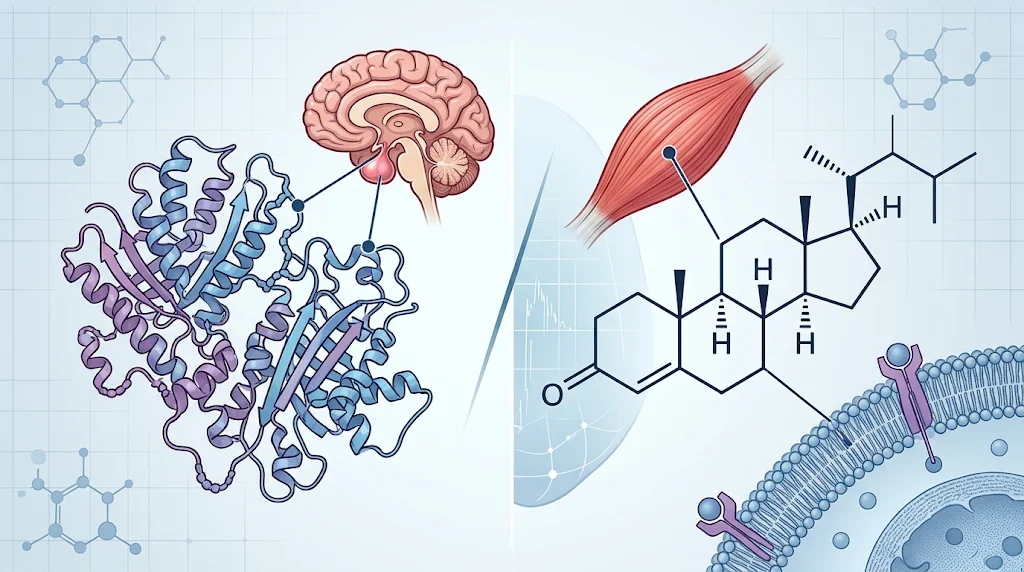
Anabolic steroids are synthetic versions or derivatives of testosterone. Testosterone naturally occurs in the human body and contributes to muscle development, bone health, reproductive functions, and other physiological processes. Synthetic anabolic substances can influence similar biological pathways, which is why some have been developed for specific medical purposes.
However, the existence of legitimate medical applications does not mean every anabolic steroid product is legal. Pharmaceutical approval, prescription requirements, manufacturing standards, and possession laws determine whether a particular substance can legally be supplied or used in a specific location.
Illegal steroid products may come from unregulated manufacturing facilities or unauthorized distribution networks. Such products can contain incorrect ingredients, unexpected substances, or inconsistent concentrations. This creates additional uncertainty because consumers may not know what a product actually contains.
Understanding the meaning of illegal steroids requires separating the substance itself from the circumstances surrounding its production, distribution, possession, and use.
Definition of Illegal Steroids
Illegal steroids are anabolic substances or steroid-related products involved in activities that violate relevant laws. These activities may include unauthorized manufacturing, selling controlled substances without permission, importing restricted medications, or possessing substances without legally required authorization.
The definition can differ between countries because pharmaceutical regulations are not identical worldwide. A substance that requires a prescription in one country may be regulated differently elsewhere. Some substances may also be completely prohibited because they have not received approval for human medical use.
Another important distinction involves counterfeit steroid products. Counterfeit medications may imitate legitimate pharmaceutical products without meeting the required manufacturing, quality, or safety standards. Their contents may not match the information printed on their packaging.
Therefore, the term illegal steroids can refer to several different regulatory and safety situations rather than one universal category.
How Illegal Steroids Differ From Prescription Steroids
Prescription steroids are medications supplied under appropriate medical authorization for specific healthcare purposes. Certain anabolic steroids have been used in medical treatment when patients experience particular hormonal conditions or other medically recognized problems.
Medical professionals evaluate whether a treatment is appropriate by considering the patient’s health history, symptoms, laboratory findings, and potential risks. Prescription medications are also expected to meet established pharmaceutical manufacturing and quality requirements.
Illegal or unauthorized steroid products do not necessarily meet these standards. Their manufacturing conditions, ingredient quality, and actual contents may be uncertain. Products obtained outside legitimate medical channels may also lack proper medical assessment and monitoring.
The most important difference is not simply whether a product is called a steroid. Its regulatory approval, intended medical purpose, quality standards, and legal distribution status all matter.
Why Certain Anabolic Steroids Are Illegal
Certain anabolic steroids are restricted because of concerns about their misuse, potential health consequences, and effects on public safety. Their ability to influence hormonal activity can create significant complications when they are used without appropriate medical oversight.
Governments establish regulations to control access to substances that may create health risks when misused. These regulations can include prescription requirements, manufacturing restrictions, import controls, and penalties for unauthorized distribution.
Sports organizations also restrict many anabolic substances because their use may create unfair competitive advantages and undermine the principles of athletic competition.
These restrictions are intended to reduce unauthorized use, protect public health, and maintain standards within regulated medical and sporting environments.
Why Are Some Steroids Illegal?
The regulation of anabolic steroids is connected to several public health, medical, and legal concerns. Although certain substances have legitimate medical applications, their non-medical use can create risks that require government oversight.
Anabolic steroids influence the endocrine system, which regulates hormone production and communication throughout the body. When external synthetic hormones are introduced without appropriate medical supervision, the body’s natural hormonal balance may become disrupted.
Another concern is the production and distribution of unapproved substances. Products manufactured outside regulated pharmaceutical facilities may not meet established quality requirements. This can expose consumers to substances with uncertain ingredients and potentially dangerous contaminants.
Health and Safety Concerns
Health and safety concerns are among the primary reasons certain anabolic steroids are regulated. These substances can influence several organs and biological systems, including the cardiovascular system, liver, reproductive system, and endocrine system.
The severity of potential complications depends on several factors, including the substance involved, individual health conditions, duration of exposure, and whether medical monitoring is available.
Some complications may develop gradually and remain unnoticed until they become more serious. This makes unsupervised steroid use particularly concerning because individuals may not recognize changes in their health.
Medical supervision helps healthcare professionals identify potential problems and determine whether a treatment remains appropriate.
Risks Associated With Non-Medical Steroid Use
Non-medical steroid use involves taking anabolic substances for purposes that are not supported by an appropriate healthcare assessment. This can create problems because the substances may interfere with normal hormone regulation.
The endocrine system relies on communication between different glands and organs. Introducing external hormones can affect this communication and influence the body’s natural production of testosterone and other hormones.
Long-term misuse may also affect cholesterol levels, blood pressure, liver function, and reproductive health. Psychological changes can occur as well, making steroid misuse a concern beyond physical health.
Without appropriate medical guidance, it can be difficult to identify complications early or understand whether symptoms are connected to steroid exposure.
Government Regulations and Controlled Substances
Governments regulate anabolic steroids through pharmaceutical laws, controlled-substance legislation, and other public health regulations. These legal systems establish requirements for manufacturing, prescribing, selling, importing, and possessing specific substances.
In some countries, anabolic steroids are classified as controlled medications. This means access may be restricted to authorized medical situations and legitimate pharmaceutical distribution channels.
Other substances may be prohibited because they have not been approved for human medical use or do not meet required safety standards.
Legal restrictions can also apply to commercial activities. Manufacturing, advertising, selling, or distributing certain steroid products without authorization may result in legal penalties.
Common Types of Illegal Anabolic Steroids
Illegal anabolic steroid products can involve different chemical substances and pharmaceutical formulations. Their legal classification depends on the substance, country, regulatory approval, and circumstances of distribution.
Some anabolic substances have been developed for medical applications, while others have no accepted medical use in particular jurisdictions. Products sold through unauthorized markets may also contain substances that are not accurately identified.
Testosterone-Based Anabolic Steroids
Testosterone is a naturally occurring hormone that plays an important role in male reproductive development, muscle maintenance, bone health, and several other biological functions.
Medical testosterone treatment may be prescribed when a qualified healthcare professional identifies an appropriate medical condition. Such treatment requires proper evaluation because testosterone affects several body systems.
However, testosterone products can become part of illegal steroid activity when they are manufactured, distributed, or possessed in violation of applicable regulations.
Unauthorized testosterone products may also create quality and safety concerns. Without reliable manufacturing standards and medical supervision, users may face unpredictable health consequences.
Synthetic Anabolic Steroids
Synthetic anabolic steroids are substances designed to produce effects related to testosterone activity. They can influence protein metabolism, muscle development, and hormonal signaling.
Some synthetic anabolic steroids have been investigated or approved for particular medical applications. Others may be restricted or prohibited depending on their safety profile and regulatory status.
The misuse of synthetic anabolic substances can affect cardiovascular health, liver function, reproductive hormones, and psychological well-being.
Their classification as legal or illegal depends on the specific compound and the laws governing its use.
Designer Steroids
Designer steroids are substances developed or modified to produce anabolic effects while attempting to avoid existing drug regulations or detection systems.
Some designer substances have not undergone adequate clinical testing to establish their safety in humans. This creates significant uncertainty about their effects on different organs and biological systems.
Because these compounds may not be approved medications, their manufacturing quality and actual contents can also be difficult to verify.
The lack of reliable medical research makes unauthorized designer steroid products particularly concerning.
Unapproved and Counterfeit Steroid Products
Unapproved steroid products are substances that have not received the necessary regulatory authorization for the intended medical use in a particular jurisdiction.
Counterfeit steroid products are different because they may falsely present themselves as legitimate pharmaceutical medications. Their packaging, labels, or ingredient information may be misleading.
Such products can contain unexpected ingredients or fail to contain the substances advertised on their labels. This makes their effects unpredictable.
Regulatory approval is important because legitimate pharmaceutical manufacturing involves quality controls, ingredient verification, and established safety requirements.
How Are Illegal Steroids Distributed?
Illegal steroid distribution can occur through unauthorized commercial networks, counterfeit pharmaceutical markets, and unregulated online channels.
These distribution systems operate outside the quality and oversight requirements established for legitimate pharmaceutical products. As a result, consumers may have little reliable information about the origin, composition, or safety of the substances being sold.
The internet has also made it easier for unauthorized sellers to advertise products across different regions. However, the availability of a product online does not establish that its sale or possession is legal.
Unregulated Online Markets
Online markets can create opportunities for unauthorized sellers to advertise steroid-related products. Some websites may present these substances as fitness products, hormonal treatments, or performance-enhancing medications.
However, online advertising does not guarantee that products are genuine or legally approved. Sellers may provide inaccurate descriptions, misleading ingredient information, or unsupported health claims.
Consumers may also have difficulty identifying the actual manufacturer or determining whether a product meets pharmaceutical quality standards.
Purchasing medication through unauthorized online channels can therefore create medical, financial, and legal risks.
Underground Steroid Laboratories
Underground steroid laboratories refer to unauthorized facilities involved in producing or preparing steroid-related substances outside regulated pharmaceutical manufacturing systems.
Such facilities may lack the equipment, quality-control procedures, and regulatory oversight required for legitimate medication production.
The resulting products may contain inconsistent ingredients or contaminants. Their labels may also fail to provide accurate information about their actual composition.
Because these products are not necessarily manufactured according to established pharmaceutical standards, their safety cannot be assumed.
Counterfeit and Unverified Products
Counterfeit and unverified steroid products are a major concern because their contents may not match their advertised descriptions.
The packaging of a counterfeit medication may look similar to that of a legitimate product. However, appearance alone cannot establish authenticity or quality.
Unverified products may contain unexpected substances, incorrect ingredient concentrations, or contaminants that create additional health concerns.
This uncertainty makes it important to obtain medications through legitimate healthcare and pharmaceutical channels.
Risks of Purchasing Steroids Without Medical Supervision
Purchasing anabolic steroids without medical supervision can expose individuals to substances that may be unsuitable for their health conditions.
A qualified healthcare professional evaluates the potential benefits and risks of medication before recommending treatment. This process may involve reviewing medical history, checking hormone levels, and assessing existing health problems.
Without this evaluation, individuals may overlook important contraindications or experience complications without understanding their cause.
Unauthorized purchases may also violate local laws, depending on the substance and circumstances.
What Are the Health Risks of Illegal Steroids?
Illegal steroid use can affect multiple organs and biological systems. Although the exact effects vary between individuals, unsupervised anabolic steroid exposure is associated with several important medical concerns.
The risks may involve cardiovascular complications, liver problems, hormonal disruption, reproductive difficulties, and psychological changes. Some complications may improve after stopping exposure, while others can have longer-lasting consequences.
The possibility of serious health effects is one reason medical authorities emphasize appropriate supervision and caution regarding non-medical anabolic steroid use.
Cardiovascular Health Risks
Anabolic steroid misuse can negatively influence cardiovascular health. These substances may affect cholesterol levels, blood pressure, and other factors associated with heart and blood vessel function.
Changes in cholesterol levels may increase cardiovascular risk by affecting the balance between different types of blood lipids. Elevated blood pressure can also place additional strain on the cardiovascular system.
Long-term exposure has been associated with an increased risk of heart-related complications. The severity of these effects can depend on individual health conditions and the nature of steroid exposure.
Cardiovascular health is particularly important because some changes may develop without noticeable symptoms during their early stages.
Liver and Kidney Complications
The liver plays an essential role in processing substances, regulating metabolism, and supporting many important bodily functions.
Certain anabolic steroids, particularly some orally administered compounds, can place significant stress on the liver. Potential complications include abnormal liver enzyme levels, liver injury, and other serious conditions.
Kidney health may also be affected indirectly through changes in blood pressure, cardiovascular function, and other physiological processes.
Individuals with existing liver or kidney conditions may face additional concerns when exposed to substances that affect these organs.
Hormonal Imbalances
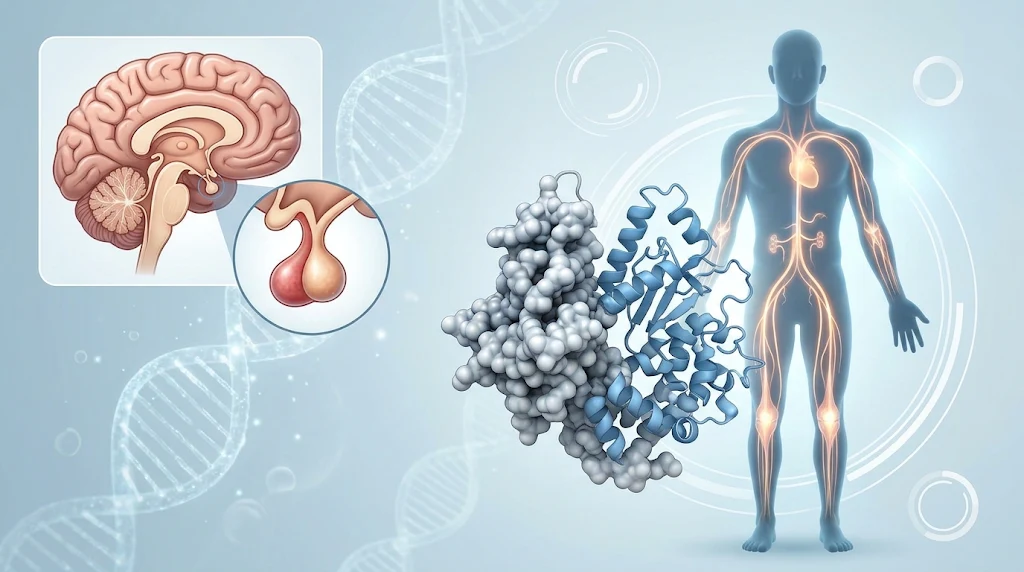
Hormonal imbalance is one of the major concerns associated with anabolic steroid misuse. The body normally regulates hormone production through a complex communication system involving the brain, pituitary gland, and reproductive organs.
Introducing external anabolic hormones can interfere with this system. The body may reduce its natural hormone production in response to the presence of synthetic substances.
This disruption can contribute to changes in reproductive function, energy levels, mood, and other aspects of health.
Hormonal recovery after steroid discontinuation can vary considerably. Some individuals may require medical evaluation and ongoing support.
Mental and Emotional Health Effects
Anabolic steroid misuse may influence mood, emotional regulation, and psychological well-being.
Some individuals experience increased irritability, anxiety, mood changes, or difficulty managing emotions. Other psychological effects may include sleep disturbances and changes in motivation.
Dependence can also become a concern when individuals continue using steroids despite experiencing negative consequences.
Mental health effects can differ between individuals and may be influenced by existing psychological conditions, substance exposure, and personal circumstances.
Skin and Hair-Related Side Effects
Anabolic steroids influence hormone activity, which can affect the skin and hair.
Increased androgen activity may contribute to acne and changes in skin oil production. Some individuals may also experience accelerated hair loss if they have a genetic tendency toward androgen-related hair thinning.
These effects vary depending on individual sensitivity, hormone levels, and the substances involved.
Although skin and hair changes may appear less serious than internal medical complications, they can still indicate changes in hormonal activity.
How Do Illegal Steroids Affect the Body?
Anabolic steroids influence the body through interactions with androgen receptors and other biological processes related to hormone activity.
These interactions can affect protein metabolism, muscle tissue, reproductive functions, and the regulation of natural hormones.
The body depends on a carefully regulated hormonal environment. When external anabolic substances interfere with this environment, several physiological systems may experience changes.
Effects on the Endocrine System
The endocrine system consists of glands and organs that produce hormones responsible for regulating essential bodily functions.
Anabolic steroids can interfere with the normal communication between the hypothalamus, pituitary gland, and reproductive organs.
This disruption may reduce the body’s natural production of certain hormones. It can also affect reproductive function and the regulation of testosterone.
The extent of hormonal disruption depends on individual factors and the nature of exposure.
Effects on Muscle and Bone Development
Testosterone and related hormones contribute to muscle maintenance, protein metabolism, and bone development.
Anabolic steroids can influence these processes by interacting with androgen receptors in different tissues.
However, changes in muscle development do not necessarily indicate improved overall health. Steroid misuse may create a situation in which certain physical changes occur alongside harmful effects on internal organs.
Bone health and normal development also depend on balanced hormonal activity. Disruption of this balance may create additional concerns, particularly during adolescence.
Effects on Reproductive Health
Anabolic steroid misuse can interfere with reproductive hormone regulation in both males and females.
In males, reduced natural testosterone production may contribute to changes in sperm production, fertility, and testicular function.
In females, increased androgen activity may contribute to menstrual irregularities and other hormonal changes.
Some reproductive effects may improve after exposure ends, but recovery is not guaranteed. Persistent symptoms require professional medical assessment.
Long-Term Changes in Body Function
Long-term anabolic steroid misuse can affect several aspects of normal body function.
Potential consequences include cardiovascular abnormalities, persistent hormonal disruption, reproductive difficulties, liver complications, and psychological problems.
The long-term effects depend on individual circumstances, including the person’s age, existing health conditions, and exposure history.
Some complications may not become apparent immediately. This makes ongoing medical assessment important for individuals who have previously used unauthorized anabolic substances.
Are Illegal Steroids Different From Legal Medical Steroids?
The difference between illegal steroids and legal medical steroids involves regulatory approval, manufacturing standards, medical authorization, and intended use.
Anabolic substances are not automatically illegal simply because they influence testosterone-related biological processes. Some are recognized medications used in specific healthcare situations.
However, medical approval does not authorize unrestricted use. Prescription requirements and other legal restrictions may apply even when a medication has legitimate medical applications.
Medically Prescribed Anabolic Steroids
Medically prescribed anabolic steroids are medications used under professional healthcare supervision for specific medical conditions.
A healthcare professional determines whether treatment is appropriate by evaluating symptoms, medical history, laboratory findings, and possible complications.
Prescription treatment may also require regular monitoring to assess effectiveness and identify unwanted effects.
The purpose of medical treatment is to address a recognized healthcare need rather than provide an unrestricted method of changing physical appearance or athletic performance.
Non-Medical Steroid Use
Non-medical steroid use generally refers to taking anabolic substances for purposes that are not supported by an appropriate medical indication.
This may involve attempting to change muscle development, physical appearance, or athletic performance without professional supervision.
Such use can interfere with normal hormone regulation and expose individuals to avoidable medical risks.
It may also violate sports regulations or national laws, depending on the circumstances.
Medical Supervision and Safety Monitoring
Medical supervision is important whenever anabolic medications are considered for treatment.
Healthcare professionals evaluate whether a particular medication is appropriate and consider potential interactions with existing conditions or other medications.
Monitoring may include laboratory testing and assessments of cardiovascular, reproductive, liver, and hormonal health.
This approach helps identify complications and supports informed medical decisions.
Are Illegal Steroids Against the Law?
The legal status of anabolic steroids depends on the country and the specific substance involved.
Some governments classify anabolic steroids as controlled substances, while others regulate them through prescription medication laws. Certain compounds may also be prohibited because they lack authorization for human medical use.
It is important to understand that the legality of a substance and the legality of a particular activity are not always identical. Manufacturing, selling, importing, possessing, and using a medication may be subject to different legal requirements.
Legal Status of Anabolic Steroids in Different Countries
Countries establish their own pharmaceutical and controlled-substance regulations. These rules determine which anabolic steroids are approved, which require prescriptions, and which activities are prohibited.
In some jurisdictions, possession of certain anabolic steroids without valid authorization may result in legal consequences.
International trade can introduce additional complications because importing a medication may be subject to rules that differ from domestic possession requirements.
Therefore, individuals should consult official government and pharmaceutical regulatory information rather than relying on general online claims about steroid legality.
Laws Regarding Possession and Distribution
Possession and distribution laws can differ significantly depending on the substance and jurisdiction.
Some countries permit specific anabolic medications when prescribed by an authorized healthcare professional. Unauthorized possession or distribution may violate applicable laws.
Commercial activities can face additional restrictions. Selling controlled medications without the necessary authorization may result in fines, product seizures, or criminal penalties.
The legal consequences depend on the relevant legislation and circumstances of the activity.
Potential Legal Consequences
Violations involving controlled anabolic substances may lead to different legal consequences.
These can include financial penalties, confiscation of unauthorized products, restrictions on commercial activities, and criminal prosecution in serious cases.
The seriousness of the consequences may depend on whether the activity involves personal possession, unauthorized importation, manufacturing, or large-scale distribution.
Anyone concerned about the legal status of a medication should consult a qualified legal professional or relevant government authority.
Steroid Regulations in Sports and Competitions
Many sports organizations prohibit anabolic steroids because they can influence physical performance and create unfair competitive conditions.
Anti-doping authorities maintain lists of prohibited substances and establish testing procedures to support fair competition.
Athletes may face disciplinary action if they violate applicable anti-doping regulations.
Some medical circumstances may qualify for specific therapeutic-use procedures, but these require formal approval under the relevant sporting rules.
Signs of Steroid Misuse
Steroid misuse can involve physical, hormonal, and psychological changes. However, no single symptom can reliably establish that someone is using anabolic steroids.
Many possible side effects can also occur because of unrelated medical conditions. Therefore, professional assessment is necessary before drawing conclusions about the cause of symptoms.
Physical Changes Associated With Steroid Misuse
Physical changes associated with anabolic steroid misuse may include acne, unusual changes in skin oil production, hair thinning, and changes in reproductive health.
Some individuals may also experience fluid retention or changes in blood pressure.
These symptoms are not specific to steroid use and should not be used to diagnose another person’s behavior or medical condition.
A healthcare professional can investigate possible causes through appropriate medical assessment.
Hormonal and Behavioral Changes
Hormonal disruption can influence energy levels, mood, sleep, and reproductive function.
Some individuals may experience changes in emotional regulation or increased irritability. Others may notice changes in sexual health or normal reproductive processes.
The connection between these symptoms and steroid exposure depends on individual circumstances.
Medical evaluation can help determine whether hormone levels or other physiological factors are contributing to the changes.
Possible Warning Signs of Dependence
Dependence may become a concern when someone feels unable to stop using a substance despite experiencing negative consequences.
Anabolic steroid misuse can sometimes involve psychological patterns that make discontinuation difficult.
Individuals may also experience physical or emotional changes after stopping use because the body’s natural hormone production has been affected.
Professional healthcare support can help assess these concerns and determine appropriate treatment options.
What Happens When Someone Stops Using Illegal Steroids?
Stopping anabolic steroid use can lead to changes in hormone levels and other bodily functions, particularly when natural hormone production has been suppressed.
The recovery process varies between individuals. Some people may experience a gradual return toward normal hormonal activity, while others may experience persistent symptoms that require medical evaluation.
The effects depend on several factors, including the substances involved, individual health conditions, and the duration of exposure.
Hormonal Changes After Discontinuation
When external anabolic hormones are discontinued, the body may need time to restore its normal hormonal regulation.
If natural testosterone production has been suppressed, hormone levels may remain below normal for a period of time.
This can influence energy, mood, reproductive function, and general well-being.
The duration of recovery is not identical for everyone. Some individuals may require additional medical assessment to understand whether normal hormone production has recovered.
Possible Withdrawal Symptoms
Discontinuing anabolic steroids may be associated with physical and psychological symptoms.
Possible concerns include fatigue, low mood, reduced sexual interest, sleep difficulties, and changes in energy levels.
These symptoms may be connected to hormonal disruption and other factors associated with steroid misuse.
Persistent or severe symptoms should be discussed with a qualified healthcare professional. Medical guidance is particularly important when someone has used anabolic substances without supervision.
Why Medical Support Is Important
Medical support helps individuals understand the possible consequences of previous steroid exposure.
A healthcare professional may review medical history, evaluate symptoms, and recommend appropriate laboratory investigations.
This assessment can help identify hormonal problems and other complications that may require treatment.
Individuals should avoid attempting to manage suspected steroid-related hormonal problems through unverified products or unsupervised medication.
How Can Illegal Steroid Use Be Prevented?
Preventing illegal steroid misuse requires reliable health information, responsible fitness practices, and awareness of pharmaceutical regulations.
People should understand that products advertised for rapid physical transformation may carry significant risks, particularly when their ingredients and manufacturing standards cannot be verified.
Public education can also help reduce misleading claims about anabolic substances.
Understanding the Health Risks
Education is one of the most important ways to prevent steroid misuse.
People should understand that anabolic steroids influence more than muscle development. Their effects can extend to cardiovascular function, hormonal regulation, reproductive health, and psychological well-being.
Reliable medical information helps individuals make informed decisions rather than relying on unsupported claims from advertisements or unverified online sources.
Understanding the difference between legitimate medical treatment and non-medical steroid use is also essential.
Promoting Safe Fitness Practices
Healthy physical development depends on several factors, including regular physical activity, appropriate nutrition, adequate sleep, and recovery.
Fitness goals should be approached through sustainable habits rather than unverified performance-enhancing substances.
Qualified fitness professionals can help individuals develop appropriate exercise routines based on their age, health status, and physical abilities.
Medical advice is also important when physical performance concerns are connected to an underlying health condition.
Avoiding Unverified Steroid Products
Unverified steroid products can create risks because their ingredients and manufacturing quality may be uncertain.
Products sold without appropriate regulatory authorization should not be assumed to be safe simply because they have professional-looking packaging or positive online reviews.
Consumers should obtain prescribed medications through legitimate healthcare providers and authorized pharmaceutical channels.
This helps reduce exposure to counterfeit, contaminated, or incorrectly labeled products.
Seeking Professional Medical Advice
Professional medical advice is important for anyone who has concerns about anabolic steroids or possible hormonal complications.
Healthcare professionals can explain the potential risks, review individual health conditions, and determine whether a medical treatment is appropriate.
People experiencing symptoms after steroid exposure should seek an assessment rather than relying on online self-diagnosis.
Early medical attention may help identify complications and support appropriate care.
Frequently Asked Questions About Illegal Steroids
What Are Illegal Steroids Used For?
Illegal steroids are often associated with non-medical attempts to influence muscle development and physical performance. However, their use, possession, or distribution may violate applicable laws. Some unauthorized products may also be sold with misleading claims about their effects on the body.
Are All Anabolic Steroids Illegal?
No. Some anabolic steroids have legitimate medical applications and may be legally prescribed for specific health conditions. However, their legal status depends on the substance, country, regulatory approval, and circumstances of use.
Can You Legally Buy Anabolic Steroids?
The answer depends on the medication and the laws of the country where the purchase occurs. Some anabolic steroids require a valid prescription, while others may be prohibited or unavailable for human medical use. Purchasing products through unauthorized sellers can create legal and health risks.
Why Are Steroids Banned in Professional Sports?
Many sports organizations prohibit anabolic steroids because they can influence physical performance and undermine fair competition. Anti-doping regulations are designed to protect athlete health and maintain consistent competitive standards.
Are Prescription Steroids Legal?
Certain anabolic steroids are legally available as prescription medications when they have received the necessary regulatory approval. Their use must follow applicable prescription requirements and medical guidelines.
What Are the Long-Term Effects of Illegal Steroids?
Long-term steroid misuse may contribute to cardiovascular problems, hormonal disruption, reproductive difficulties, liver complications, and psychological changes. The effects vary depending on individual health conditions and the substances involved.
Can Illegal Steroid Use Cause Hormonal Problems?
Yes. Anabolic steroid misuse can interfere with the body’s natural hormone production. This disruption may affect reproductive function, energy levels, mood, and other biological processes. Medical evaluation may be necessary when symptoms persist.
Conclusion
Understanding what illegal steroids are requires looking beyond their association with bodybuilding and athletic performance. These substances involve important medical, legal, and public health considerations. Although certain anabolic steroids have legitimate medical applications, unauthorized manufacturing, distribution, possession, and non-medical misuse may violate applicable regulations.
The health consequences of steroid misuse can affect several parts of the body, including the cardiovascular system, liver, kidneys, endocrine system, and reproductive organs. Psychological effects and hormonal disruption can also create additional challenges. Furthermore, counterfeit and unapproved products introduce uncertainty about ingredient quality and safety.
The legal status of anabolic steroids varies between countries, making it important to understand local pharmaceutical regulations and controlled-substance laws. Medical authorization, appropriate manufacturing standards, and professional supervision are essential considerations when these substances are used for legitimate healthcare purposes.
Ultimately, informed health decisions should be based on reliable medical information rather than misleading advertising or unsupported performance claims. Anyone concerned about steroid exposure, hormonal changes, or related health problems should consult a qualified healthcare professional for appropriate guidance.