

Blog
Anabolic Steroid Withdrawal Symptoms: Signs and Effects


Anabolic steroid withdrawal symptoms can affect both physical and mental health after a person stops using anabolic-androgenic steroids. These substances are sometimes used medically under professional supervision, but they are also misused to increase muscle size, strength, and athletic performance. When someone has used anabolic steroids for an extended period, the body’s natural hormone production may become suppressed. As a result, stopping their use can lead to several changes that affect energy levels, mood, sleep, sexual health, and overall well-being.
Understanding anabolic steroid withdrawal symptoms is important because the effects are not limited to physical changes. Hormonal disturbances can also influence emotional health and daily activities. Some people experience tiredness, reduced motivation, anxiety, or low mood, while others may develop more persistent health concerns that require medical attention. The severity and duration of symptoms can differ depending on individual health, the substances involved, and the history of steroid exposure.
This article explains the common symptoms of anabolic steroid withdrawal, why they happen, how they may affect the body, and why professional medical support is important during recovery.
What Are Anabolic Steroid Withdrawal Symptoms?
Anabolic steroid withdrawal symptoms are physical, hormonal, and psychological changes that may occur when a person who has been using anabolic-androgenic steroids stops taking them. These substances affect the body’s hormone system, particularly the production and regulation of testosterone. During prolonged exposure, the body’s natural hormone production can become reduced because the brain and reproductive system respond to the additional hormones.
When steroid use stops, the body may need time to restore its natural hormonal balance. During this period, testosterone levels may remain lower than normal, potentially causing several uncomfortable symptoms. The experience is different for everyone, and not every person develops the same symptoms or level of difficulty.
Withdrawal can also involve psychological changes. Hormonal fluctuations and changes in brain chemistry may influence mood, motivation, and emotional stability. Some individuals experience depression, anxiety, irritability, or difficulty concentrating. These symptoms can interfere with work, education, relationships, and other everyday responsibilities.
It is important to understand that withdrawal is not simply a temporary feeling of tiredness. It can involve changes across multiple body systems, which is why medical assessment and appropriate support are important.
What Causes Anabolic Steroid Withdrawal?
Anabolic steroid withdrawal occurs partly because external steroid exposure can interfere with the body’s normal hormone regulation. The endocrine system controls the production and release of hormones that influence growth, metabolism, reproduction, and other essential functions. When this system is affected by prolonged steroid exposure, natural hormone production may become suppressed.
Changes in Natural Hormone Production
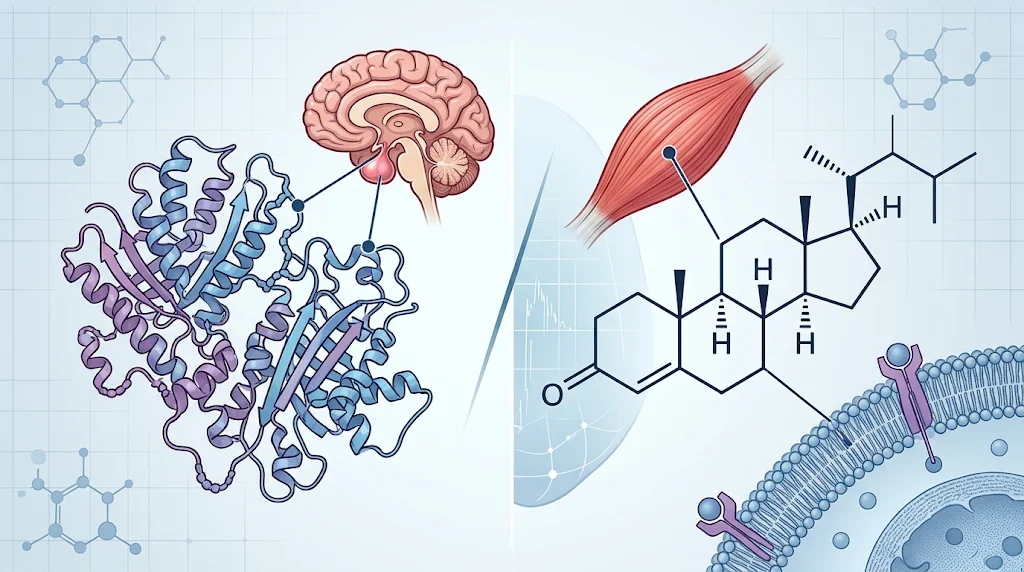
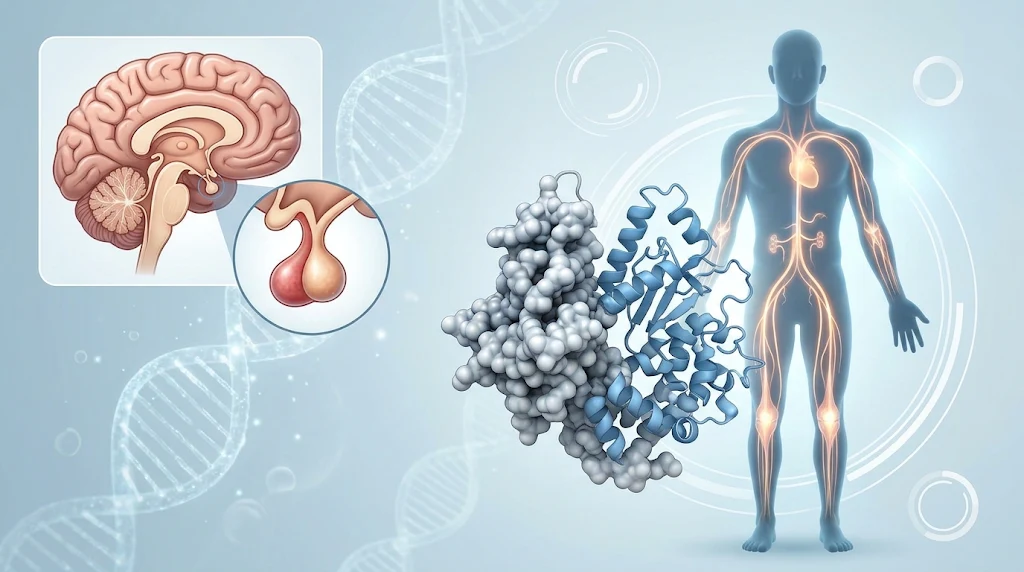
The human body normally regulates testosterone through a communication system involving the hypothalamus, pituitary gland, and testes. This is commonly known as the hypothalamic-pituitary-gonadal axis. The system helps maintain appropriate hormone levels through a process of hormonal feedback.
When anabolic steroids introduce additional androgenic hormones into the body, the brain may reduce the signals responsible for stimulating natural testosterone production. Over time, this suppression can affect normal hormonal activity.
After steroid use stops, the body may not immediately return to its previous hormone production levels. The recovery process can vary considerably. Some individuals experience temporary hormonal changes, while others may have prolonged suppression that requires medical evaluation.
Hormonal Imbalance After Steroid Use
Hormonal imbalance is one of the major factors associated with anabolic steroid withdrawal symptoms. Testosterone influences several functions, including sexual health, muscle maintenance, energy levels, bone health, and emotional well-being.
When natural testosterone production becomes suppressed, the body may experience changes in these functions. Low testosterone can contribute to fatigue, reduced sexual interest, changes in mood, and difficulties maintaining normal physical performance.
Other hormones may also be affected by steroid exposure. The overall hormonal picture depends on the substances involved and individual health conditions. This is why laboratory testing and professional interpretation are important when someone experiences persistent symptoms after stopping anabolic steroids.
Physical Dependence on Anabolic Steroids
Some individuals who use anabolic steroids over an extended period may develop physical dependence. This means that the body has adapted to the presence of these substances, and stopping them can lead to uncomfortable physical or psychological changes.
Dependence does not affect everyone in the same way. It may involve concerns about losing muscle size, reduced physical performance, or difficulty accepting changes in appearance. These concerns can contribute to continued steroid use even when health problems are developing.
Psychological dependence may also occur when individuals associate steroid use with confidence, strength, or personal identity. Professional support can help address these concerns and encourage healthier long-term decisions.
Changes in Brain Chemistry and Mood Regulation
Anabolic steroids can influence brain systems involved in mood, motivation, and emotional responses. Changes in hormone levels may affect neurotransmitter activity and the way the brain regulates emotions.
After stopping steroid use, some individuals experience changes in mood and mental well-being. These may include irritability, anxiety, emotional sensitivity, or depressive symptoms. The relationship between hormones and mental health is complex, and withdrawal-related emotional changes should not be ignored.
Common Anabolic Steroid Withdrawal Symptoms
Anabolic steroid withdrawal symptoms can involve several physical and psychological changes. Their severity depends on individual circumstances, including the person’s health, previous steroid exposure, and natural hormone production. Some symptoms may improve over time, while others can continue and require medical attention.
Physical Withdrawal Symptoms
Fatigue is one of the commonly reported physical symptoms associated with anabolic steroid withdrawal. Individuals may experience reduced energy, tiredness, and difficulty maintaining their usual daily activities. These changes may be related to hormonal disturbances and the body’s adjustment after steroid exposure.
Reduced sexual interest can also occur when testosterone levels are low. Testosterone plays an important role in sexual function, and changes in its production may affect libido. Some individuals may also experience difficulties related to reproductive health, which should be assessed by a qualified healthcare professional.
Sleep disturbances are another possible concern. Hormonal changes and emotional stress may affect sleep quality, making it difficult to maintain a regular sleeping pattern. Poor sleep can further contribute to fatigue, reduced concentration, and emotional difficulties.
Changes in appetite may also occur during withdrawal. Some individuals notice differences in hunger, eating habits, or general interest in food. These changes can be influenced by physical discomfort, emotional well-being, and changes in daily routines.
Physical weakness and changes in muscle maintenance may also be experienced. Anabolic steroids can influence muscle development, so stopping their use may be associated with changes in physical performance and body composition. These changes can be emotionally challenging, particularly for individuals who strongly associate their appearance with confidence or personal achievement.
Psychological Withdrawal Symptoms
Psychological symptoms are an important part of anabolic steroid withdrawal. Depression and low mood can occur when hormone levels change after prolonged steroid exposure. Some individuals experience reduced interest in activities, emotional difficulty, and a general loss of motivation.
Anxiety and irritability may also develop. Hormonal changes, concerns about physical changes, and uncertainty about recovery can contribute to emotional stress. These feelings may affect personal relationships and everyday responsibilities.
Mood swings can make emotional regulation more difficult. Some individuals experience changes in their emotional responses, while others report feeling unusually sensitive or frustrated. Persistent mood changes should be discussed with a healthcare professional.
Difficulty concentrating is another possible symptom. Emotional distress, poor sleep, and hormonal changes can interfere with attention and mental clarity. This may affect educational activities, professional responsibilities, and other tasks that require sustained concentration.
Reduced motivation may also occur. Individuals who previously associated steroid use with physical progress may find it difficult to adjust to changes in energy, performance, and self-confidence. Psychological support can help individuals develop healthier ways to manage these changes.
How Long Do Anabolic Steroid Withdrawal Symptoms Last?
The duration of anabolic steroid withdrawal symptoms varies between individuals. There is no single recovery timeline that applies to everyone. The process depends on several factors, including previous steroid exposure, individual hormone function, general health, and whether other medical conditions are present.
Early Withdrawal Period
During the early period after stopping anabolic steroids, some individuals begin noticing changes in energy, mood, sleep, and sexual interest. These symptoms may appear as the body’s hormone regulation responds to the absence of external steroid exposure.
The timing and severity of these changes are not identical for everyone. Some individuals experience noticeable symptoms, while others may have fewer immediate difficulties.
Short-Term Withdrawal Effects
Short-term withdrawal effects may include fatigue, reduced motivation, mood changes, and sleep disturbances. These symptoms can affect daily routines and make normal responsibilities more difficult.
The body may gradually adjust as natural hormonal activity changes. However, improvement should not be assumed without considering the individual’s medical condition. Persistent or worsening symptoms require professional assessment.
Long-Term Hormonal Changes
In some cases, hormonal suppression may continue for an extended period after steroid use stops. Natural testosterone production does not always recover quickly, and some individuals may experience prolonged reproductive or hormonal problems.
Long-term symptoms can include persistent low energy, reduced libido, mood disturbances, and other concerns associated with low hormone levels. Medical evaluation can help determine whether these symptoms are related to steroid exposure or another health condition.
Factors That Affect Recovery Time
Several factors can influence the recovery process. The duration of previous steroid exposure, individual hormonal function, overall health, and the presence of other medical conditions can all play a role.
Age and reproductive health may also be relevant when evaluating hormonal recovery. Additionally, mental health, sleep quality, and access to appropriate medical care can influence how individuals experience the withdrawal period.
Because recovery is highly individual, people should avoid relying on fixed timelines or comparing their symptoms with someone else’s experience.
Physical and Mental Health Effects of Steroid Withdrawal
Anabolic steroid withdrawal can affect multiple aspects of health. Hormonal changes may influence physical functioning, while emotional symptoms can affect mental well-being and everyday activities.
Effects on Hormonal Health
Testosterone plays an important role in several biological processes. It contributes to reproductive function, muscle maintenance, bone health, and other aspects of physical development.
When natural testosterone production becomes suppressed, individuals may experience symptoms associated with low testosterone. These can include fatigue, reduced sexual interest, and changes in physical well-being.
Medical testing can help identify hormonal abnormalities and determine whether further assessment is necessary.
Effects on Sexual Health
Sexual health may be affected by changes in testosterone production. Some individuals experience reduced libido or other difficulties related to reproductive function after stopping anabolic steroids.
These symptoms can cause emotional stress and affect personal relationships. It is important to discuss persistent sexual health concerns with a qualified healthcare professional rather than assuming they will resolve without assessment.
Effects on Emotional Well-Being
Emotional well-being can be affected by hormonal fluctuations and psychological adjustment. Depression, anxiety, irritability, and reduced motivation may interfere with normal activities.
Individuals who experience significant emotional changes should seek professional support. Mental health care can help identify underlying concerns and provide appropriate treatment.
Effects on Sleep and Daily Activities
Sleep problems can make withdrawal symptoms more difficult to manage. Insufficient sleep may increase fatigue, affect concentration, and contribute to emotional instability.
When these difficulties continue, they may interfere with education, work, exercise, and social activities. Maintaining a regular routine and discussing persistent sleep problems with a healthcare professional can support overall well-being.
Can Anabolic Steroid Withdrawal Cause Depression?
Yes, anabolic steroid withdrawal can be associated with depression and other psychological symptoms. Changes in testosterone levels and other hormonal processes may influence mood regulation. Additionally, emotional adjustment after stopping steroid use can contribute to psychological distress.
The Connection Between Hormones and Mood
Hormones influence several processes in the brain, including emotional regulation, motivation, and general psychological functioning. Testosterone is one of the hormones associated with these processes.
When hormone levels change after prolonged steroid exposure, some individuals may experience depressive symptoms. However, depression is a complex medical condition, and its causes cannot always be explained by hormonal changes alone.
Emotional Changes During Withdrawal
Emotional changes may include sadness, irritability, anxiety, reduced motivation, and difficulty enjoying normal activities. These symptoms can become particularly challenging when individuals are also concerned about physical changes or reduced athletic performance.
Psychological distress should be taken seriously. It is important to understand that emotional difficulties are not a personal failure and that appropriate professional support is available.
When Mental Health Support Is Important
Professional mental health support is important when depressive symptoms persist, become severe, or interfere with everyday life. A healthcare professional can evaluate emotional symptoms and recommend appropriate care.
If someone experiences thoughts of suicide or feels unable to remain safe, they should seek immediate help from local emergency services and a trusted person.
Who Is at Risk of Anabolic Steroid Withdrawal?
Not everyone who stops using anabolic steroids experiences withdrawal symptoms. However, certain factors may increase the likelihood of hormonal or psychological difficulties.
People With Long-Term Steroid Exposure
Individuals with prolonged exposure may experience greater suppression of natural hormone production. The body’s hormonal system may require additional time and medical monitoring to recover.
Individuals With Repeated Steroid Use
Repeated exposure may affect normal hormone regulation and increase the possibility of persistent hormonal disturbances. Individual responses differ, so medical assessment is important when symptoms develop.
People Experiencing Hormonal Suppression
Individuals whose natural testosterone production has become suppressed may experience symptoms associated with low testosterone after stopping steroid use. Laboratory evaluation can help identify these changes.
Individuals With Previous Mental Health Concerns
People with a history of depression, anxiety, or other mental health concerns may need additional psychological support during withdrawal. Hormonal changes and emotional stress can make existing difficulties more challenging.
How Is Anabolic Steroid Withdrawal Diagnosed?
There is no single test that independently confirms every case of anabolic steroid withdrawal. Healthcare professionals generally consider the person’s medical history, previous steroid exposure, current symptoms, physical health, and laboratory findings.
Medical History and Symptom Assessment
A healthcare professional may ask about previous steroid exposure, the duration of use, current symptoms, and any other medications or substances involved. This information helps identify possible connections between steroid exposure and health changes.
An assessment may also include questions about sleep, mood, energy levels, sexual health, and everyday functioning.
Hormone Level Testing
Blood tests may be recommended to evaluate testosterone and other relevant hormones. Depending on the person’s symptoms, healthcare professionals may assess additional markers related to reproductive and endocrine function.
Test results should always be interpreted in the context of the individual’s health and medical history. A single laboratory result may not provide a complete understanding of hormonal recovery.
Physical and Mental Health Evaluation
A physical assessment can help identify health concerns that may be associated with previous steroid exposure. Mental health screening may also be appropriate when an individual reports depression, anxiety, or significant emotional changes.
A comprehensive assessment helps healthcare professionals identify possible complications and determine appropriate treatment options.
Treatment and Medical Support for Anabolic Steroid Withdrawal
Treatment for anabolic steroid withdrawal depends on the symptoms, hormonal findings, and overall health of the individual. There is no universal treatment plan suitable for everyone. Medical supervision is important because unsupervised hormone use or self-directed treatment can create additional health risks.
Medical Supervision and Professional Guidance
Healthcare professionals can assess withdrawal symptoms, monitor physical health, and determine whether additional treatment is needed. They can also help distinguish steroid-related symptoms from other medical conditions.
Individuals should provide accurate information about previous steroid exposure so that medical decisions are based on a clear understanding of their health history.
Hormonal Health Monitoring
Hormonal monitoring may be necessary when symptoms suggest suppressed testosterone production or other endocrine disturbances. Healthcare professionals can recommend appropriate testing and follow-up assessments.
Treatment decisions should be based on medical findings rather than assumptions about hormone levels. Taking additional hormones without professional supervision may interfere with natural hormone regulation and create further complications.
Mental Health Counseling
Counseling can help individuals manage emotional difficulties associated with steroid withdrawal. Psychological support may be useful for addressing anxiety, low mood, body-image concerns, and dependence-related behaviors.
Mental health professionals can help individuals develop healthier coping strategies and improve emotional well-being during recovery.
Support for Sleep and Emotional Well-Being
Healthy daily routines can contribute to general well-being during recovery. Regular sleep habits, balanced nutrition, and appropriate physical activity may support overall health.
However, lifestyle changes should not be considered a replacement for medical treatment when significant hormonal or psychological symptoms are present.
Follow-Up Medical Assessments
Follow-up appointments help healthcare professionals monitor symptoms and evaluate changes in hormone levels over time. These assessments can identify whether recovery is progressing and whether additional support is necessary.
Consistent medical monitoring is particularly important when symptoms continue or become more difficult to manage.
When Should You Seek Medical Help?
Anyone experiencing persistent or concerning symptoms after stopping anabolic steroids should consider speaking with a healthcare professional. Early assessment can help identify hormonal disturbances and other health concerns before they become more difficult to manage.
Persistent Physical Symptoms
Ongoing fatigue, reduced sexual interest, sleep disturbances, and unexplained physical changes should be discussed with a healthcare professional. These symptoms may be associated with hormonal changes, but other medical conditions can produce similar effects.
Severe Mood Changes
Persistent depression, severe anxiety, unusual irritability, or significant changes in emotional well-being require professional attention. Mental health symptoms should not be dismissed as an unavoidable part of withdrawal.
Symptoms That Affect Daily Life
Medical support may be necessary when symptoms interfere with education, employment, relationships, sleep, or normal daily responsibilities. A professional assessment can help identify the underlying causes and appropriate care options.
Warning Signs That Require Urgent Attention
Severe psychological distress, thoughts of suicide, or feeling unable to stay safe require immediate support. Serious physical symptoms, including chest pain or difficulty breathing, also require urgent medical assessment.
Individuals should not attempt to manage serious symptoms independently or delay seeking appropriate care.
Frequently Asked Questions About Anabolic Steroid Withdrawal Symptoms
What Are the First Signs of Anabolic Steroid Withdrawal?
Early signs may include fatigue, reduced energy, changes in mood, sleep disturbances, and reduced sexual interest. However, symptoms vary between individuals depending on their health and previous steroid exposure.
How Long Do Anabolic Steroid Withdrawal Symptoms Last?
There is no universal withdrawal timeline. Some symptoms may improve as the body’s hormonal system adjusts, while hormonal suppression and psychological difficulties can persist for longer periods. Medical evaluation is important when symptoms continue.
Can Steroid Withdrawal Cause Depression?
Yes, some individuals experience depressive symptoms after stopping anabolic steroids. Changes in hormone levels and psychological adjustment may contribute to low mood and reduced motivation. Persistent depression requires professional assessment and support.
Can Natural Testosterone Production Recover?
Natural testosterone production may recover after steroid use stops, but recovery differs between individuals. Some people experience prolonged hormonal suppression and may require medical evaluation and monitoring.
Are Anabolic Steroid Withdrawal Symptoms Dangerous?
Some withdrawal symptoms may be manageable, but others can become serious. Persistent hormonal problems and severe psychological symptoms require medical attention. Depression and suicidal thoughts should always be treated as important warning signs.
Can Steroid Withdrawal Affect Sleep?
Yes, some individuals experience sleep disturbances during withdrawal. Hormonal changes, emotional stress, and other health factors may influence sleep quality. Persistent sleep problems should be discussed with a healthcare professional.
Should Steroid Withdrawal Be Managed by a Doctor?
Medical supervision is strongly recommended, particularly when someone has experienced prolonged steroid exposure or develops significant physical or psychological symptoms. A healthcare professional can assess hormone levels, monitor recovery, and recommend appropriate support.
Conclusion
Anabolic steroid withdrawal symptoms can involve a combination of physical, hormonal, and psychological changes. Fatigue, reduced sexual interest, sleep disturbances, depression, anxiety, and changes in motivation are among the possible concerns individuals may experience after stopping anabolic steroids.
The recovery process is different for everyone. Natural hormone production may take time to recover, and some individuals experience persistent symptoms that require medical evaluation. Understanding the connection between steroid exposure, hormonal regulation, and mental health can help individuals recognize potential complications and make informed decisions about their well-being.
Professional medical supervision is an important part of managing withdrawal-related concerns. Individuals should avoid self-prescribing hormones or attempting unsupervised treatments. With appropriate medical assessment, mental health support, and continued monitoring, people can receive guidance that addresses their individual health needs.









3 thoughts on “Anabolic Steroid Withdrawal Symptoms: Signs and Effects”