Blog
What Is Ketamine Infusion? Uses, Risks & Treatment Guide

If you have recently heard about ketamine treatment and are wondering what is ketamine infusion, you are not alone. Ketamine has been used in medicine for many years, particularly as an anesthetic, and more recently there has been growing clinical and research interest in its use at lower doses for certain pain and psychiatric conditions. However, ketamine infusion is not the same thing as ordinary medication taken at home, and it should not be viewed as a universal treatment for depression, pain, anxiety, or other health conditions.
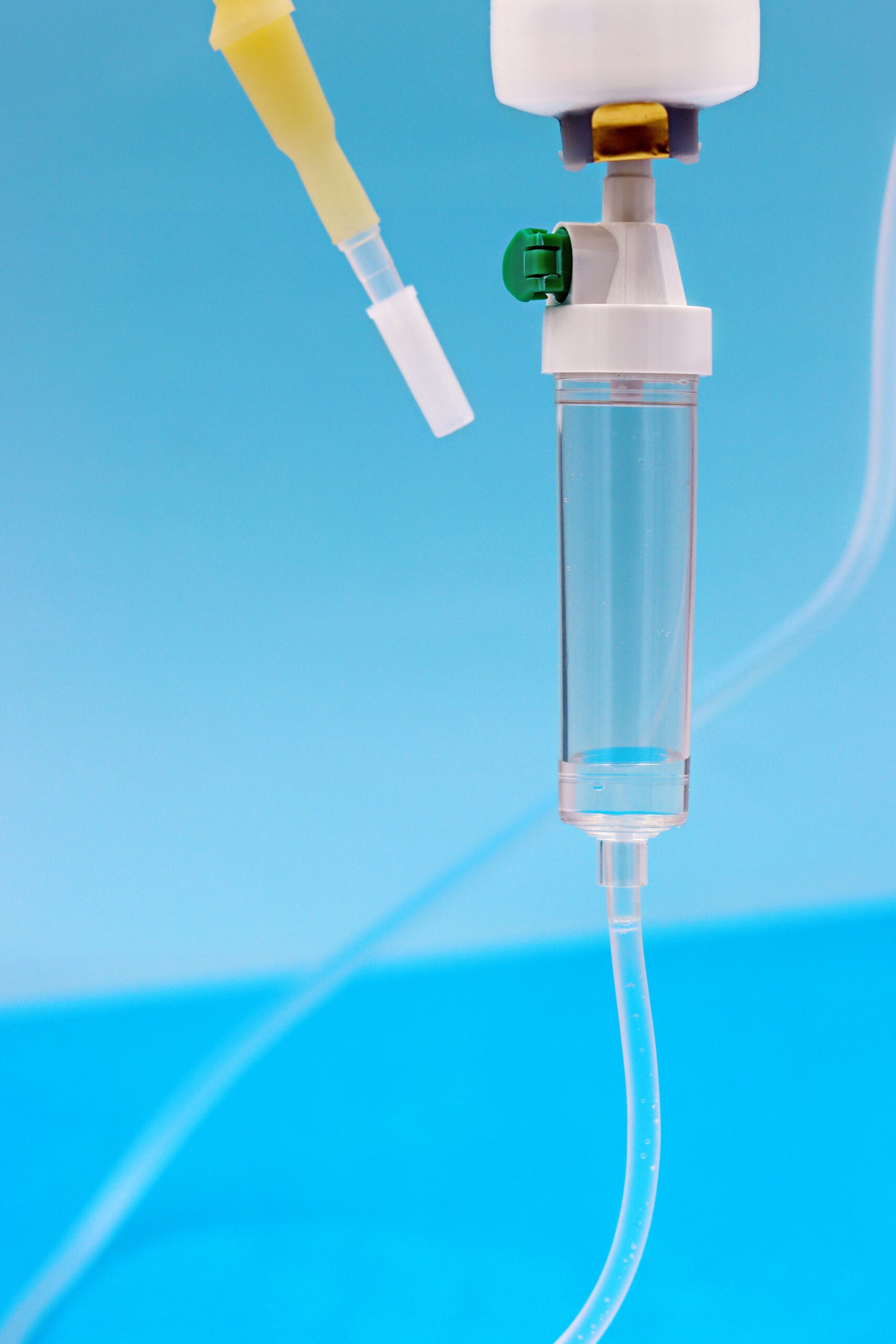
So, what is ketamine infusion? In simple terms, a ketamine infusion is a method of giving ketamine slowly through an intravenous line, usually while the patient is monitored by trained healthcare professionals. The amount, duration, setting, and purpose of the infusion can vary considerably depending on why ketamine is being administered.
In the United States, FDA-approved ketamine injection is indicated as a general anesthetic. Ketamine itself is not FDA-approved for treating psychiatric disorders, although clinicians may use it off-label in certain circumstances. Esketamine, a related medicine marketed as Spravato, is FDA-approved as a nasal spray for specific depression indications and is administered under a restricted monitoring program.
That distinction is important when researching what is ketamine infusion, because online articles and advertisements sometimes use the terms ketamine, ketamine infusion, and esketamine interchangeably even though they are not identical treatments.
This Health2Organ guide explains what is ketamine infusion, how it is administered, why ketamine is used in medicine, how ketamine may affect the nervous system, what a treatment session can feel like, potential benefits and risks, monitoring requirements, questions to ask before treatment, and why professional medical supervision matters.
What Is Ketamine Infusion?
The most straightforward answer to what is ketamine infusion is that it is the intravenous administration of ketamine over a controlled period of time.
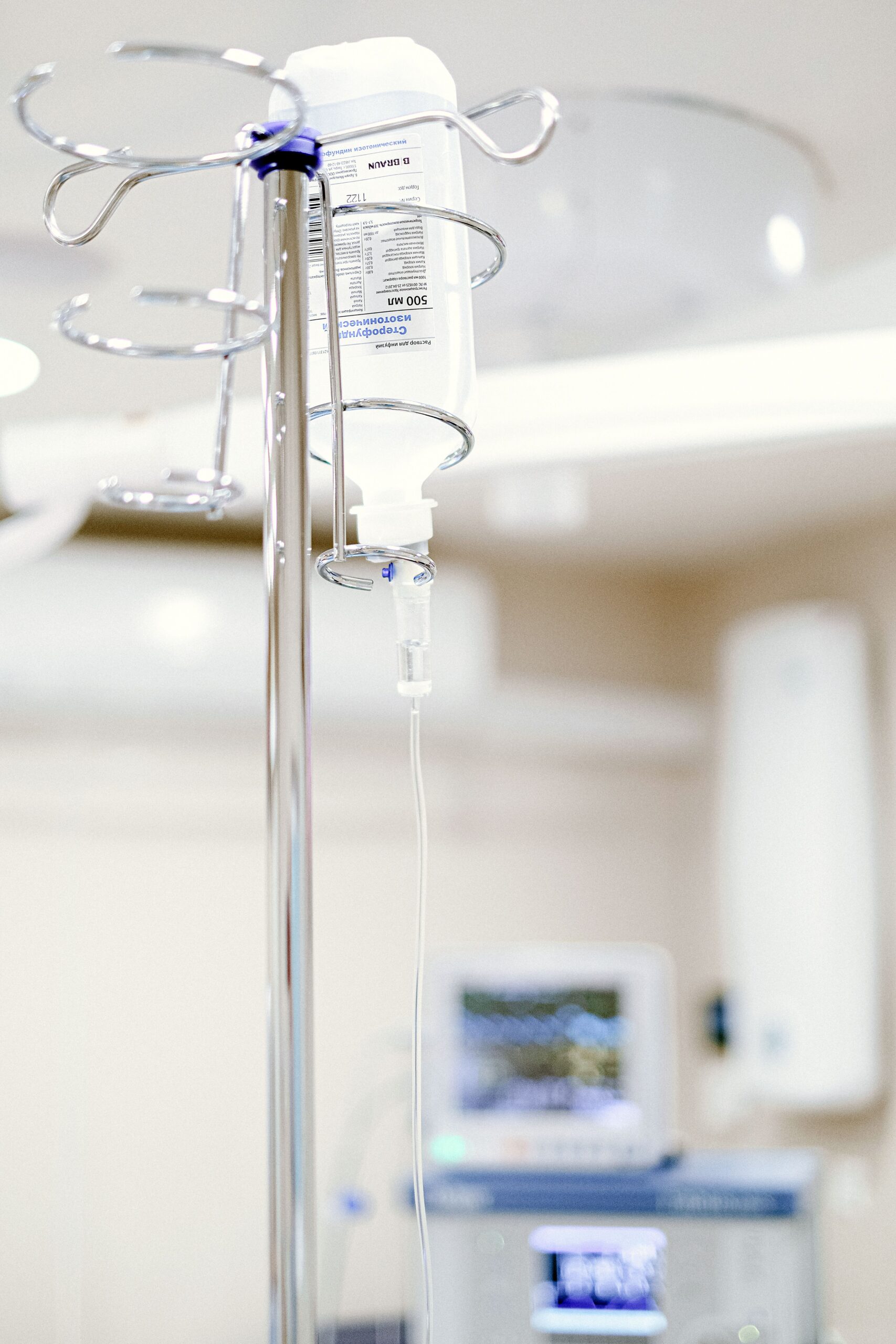
During an infusion, a healthcare professional places an intravenous line into a vein and delivers a carefully determined amount of ketamine through that line. The medication enters the bloodstream directly, allowing clinicians to control how it is administered.
The experience can vary depending on the dose and reason for treatment. Ketamine can produce changes in perception, awareness, blood pressure, heart rate, and consciousness. At anesthetic doses, it is used to produce anesthesia. At lower doses studied or used in some clinical settings, patients may remain conscious but experience temporary perceptual or dissociative effects.
Therefore, when someone asks what is ketamine infusion, it is important to understand that the phrase describes a method of administration rather than one specific treatment for one specific disease.
The same medicine can be used in very different clinical circumstances, and the dose and monitoring requirements can differ substantially.
What Is Ketamine?
Before understanding what is ketamine infusion, it helps to understand ketamine itself.
Ketamine is a medication that has a long history in anesthesia. FDA-approved ketamine injection is used as a general anesthetic for certain diagnostic and surgical procedures. It belongs to a group of medicines with effects on the central nervous system and is classified as a Schedule III controlled substance in the United States.
Ketamine is sometimes described as an NMDA receptor antagonist. NMDA receptors are involved in glutamate signaling in the nervous system. By influencing this signaling pathway, ketamine can produce effects that are different from many traditional anesthetic or psychiatric medicines.
Ketamine also exists as a mixture of two mirror-image molecules called enantiomers, R-ketamine and S-ketamine. Esketamine refers to the S-enantiomer.
This distinction becomes important when discussing what is ketamine infusion, because an intravenous ketamine infusion generally refers to ketamine itself, whereas esketamine is a related medicine with an FDA-approved nasal-spray formulation for specific indications.
What Is Ketamine Infusion Used For?
A major reason people search what is ketamine infusion is because they have heard that ketamine may be used for conditions other than anesthesia.
Ketamine has been studied and used in some medical settings for pain and psychiatric conditions, including treatment-resistant depression. However, the regulatory status of ketamine differs from its research and off-label clinical use.
The FDA states that ketamine is approved as an anesthetic but is not FDA-approved for the treatment of psychiatric disorders. Nevertheless, there is substantial clinical research into lower-dose ketamine for depression and other conditions.
For depression, intravenous ketamine has been studied particularly in people whose depression has not responded adequately to standard treatments. Clinical recommendations have emphasized careful patient selection, informed consent, monitoring, and appropriate follow-up.
Ketamine has also been studied for various pain conditions. Clinical consensus guidelines describe intravenous ketamine infusions as a treatment that may be considered in selected chronic pain situations, but they emphasize appropriate monitoring and trained clinical personnel.
Because evidence and regulatory approvals vary by indication and country, what is ketamine infusion should always be answered in the context of the specific medical condition being treated.
What Is Ketamine Infusion for Depression?
One of the most frequently searched questions is what is ketamine infusion for depression.
Intravenous ketamine has been studied as an intervention for people with major depressive disorder, particularly treatment-resistant depression. Research has reported relatively rapid changes in depressive symptoms in some patients, although individual responses vary and ketamine is not a guaranteed treatment.
The term treatment-resistant depression generally refers to depression that has not responded adequately to one or more standard treatments. A healthcare professional should make this assessment rather than a patient deciding independently that conventional treatment has failed.
It is also important to distinguish intravenous ketamine from FDA-approved esketamine nasal spray. FDA-approved esketamine is indicated for specific adult depression-related situations and is administered in certified healthcare settings under a restricted program.
Therefore, when researching what is ketamine infusion for depression, readers should not assume that information about esketamine automatically applies to intravenous ketamine.
What Is Ketamine Infusion for Pain?
Another important answer to what is ketamine infusion involves pain management.
Ketamine has analgesic effects and has been investigated for different types of acute and chronic pain. It can influence nervous-system pathways involved in pain processing, which is one reason researchers and pain specialists have studied it.
Clinical consensus guidelines have discussed intravenous ketamine for selected chronic pain conditions and emphasize that administration should occur in an appropriately equipped setting with trained personnel capable of monitoring cardiovascular, respiratory, and neurological effects.
The evidence is not identical for every pain condition. A treatment that may be considered for one type of pain may not be appropriate for another.
For that reason, what is ketamine infusion should not automatically be interpreted as “ketamine is a treatment for all chronic pain.” Medical assessment is necessary to determine whether it has a reasonable role in an individual case.
How Does a Ketamine Infusion Work?
To better understand what is ketamine infusion, it is useful to understand how ketamine affects the nervous system.
Ketamine is primarily known for blocking NMDA receptors, which are involved in glutamate signaling. Glutamate is one of the major neurotransmitters in the brain and plays an important role in learning, memory, perception, and communication between nerve cells.
Ketamine’s effects are complex and involve more than one biological pathway. Research into its antidepressant effects has focused heavily on changes in glutamate-related signaling and downstream processes associated with neural plasticity.
At the same time, ketamine can produce temporary changes in perception and awareness. These may include dissociation, unusual sensory experiences, altered time perception, or a feeling of being detached from the surrounding environment. Such effects are among the reasons medical supervision is important during an infusion.
Therefore, what is ketamine infusion is not simply a question about receiving a medicine through an IV. It is a controlled clinical intervention that can temporarily affect several systems in the body and brain.
What Happens During a Ketamine Infusion?
People researching what is ketamine infusion often want to know what an actual session looks like.
Before treatment, healthcare professionals may review the patient’s medical history, current medications, relevant health conditions, vital signs, and the reason ketamine is being considered. Clinical guidance for psychiatric ketamine infusions has emphasized baseline assessment and monitoring of vital signs and dissociative effects.
If the treatment proceeds, an intravenous line is placed and the ketamine is administered gradually. The patient remains in a monitored environment while healthcare staff observe vital signs and the patient’s level of consciousness and behavior.
During the infusion, some people may experience relaxation, drowsiness, changes in visual or auditory perception, altered time awareness, or dissociation. Others may experience anxiety, dizziness, nausea, or other temporary effects.
After the infusion ends, the patient is usually observed until the immediate effects have sufficiently resolved. The exact recovery process depends on the dose, treatment purpose, individual response, and clinical protocol.
What Does Ketamine Infusion Feel Like?
The experience of what is ketamine infusion can be difficult to describe because people can respond differently to the medicine.
Some patients report a feeling of being detached from their body or surroundings. Others describe dream-like experiences, changes in visual perception, altered awareness, or a sense that time is moving differently.
Dissociation is a recognized effect of ketamine. It can be temporary, but it may be uncomfortable or frightening for some individuals.
Other possible short-term effects include dizziness, nausea, vomiting, headache, increased blood pressure, increased heart rate, and changes in perception.
Because these effects can occur during treatment, a properly supervised infusion allows healthcare professionals to monitor the patient and respond if concerning symptoms develop.
How Long Does a Ketamine Infusion Take?
The duration of what is ketamine infusion treatment depends on the clinical purpose and protocol.
For example, clinical studies of intravenous ketamine for depression have commonly used a relatively slow infusion rather than giving the medication as a rapid injection. One FDA review document describing a studied intravenous ketamine regimen for treatment-resistant depression references 0.5 mg/kg administered over 40 minutes.
However, readers should not interpret a study protocol as a universal prescription. Ketamine dosing and infusion duration can vary according to indication, patient characteristics, medical setting, and clinician judgment.
The infusion itself is only part of the visit. Preparation, monitoring, recovery, and discharge assessment can make the overall appointment considerably longer.
Why Is Monitoring Important During Ketamine Infusion?
Monitoring is a central part of understanding what is ketamine infusion safely.
Ketamine can temporarily affect blood pressure and heart rate. It can also produce changes in consciousness, perception, and behavior. Depending on the dose, respiratory effects can also become clinically important.
Clinical guidance for intravenous ketamine emphasizes monitoring of cardiovascular and respiratory status and observation for changes in consciousness or dissociation.
The clinical environment should have appropriately trained personnel and equipment for responding to adverse events. Pain-management consensus guidance specifically recommends administration in settings with appropriate monitoring and resuscitation capabilities.
This is why what is ketamine infusion should never be reduced to the idea of receiving ketamine in an ordinary environment without medical supervision.
What Are the Common Side Effects of Ketamine Infusion?
Understanding possible side effects is essential when researching what is ketamine infusion.
Short-term side effects reported with ketamine can include dizziness, nausea, vomiting, headache, increased blood pressure, increased heart rate, sedation, and dissociation. Some patients may experience changes in perception or hallucination-like experiences.
These effects are often temporary, but their intensity varies from person to person.
Some individuals may also experience anxiety or distress during the altered state. A clinical team should be prepared to monitor these effects and determine whether additional intervention is needed.
A person should tell the treatment team about any unusual or severe symptoms rather than assuming that every reaction is expected.
What Are the Risks of Ketamine Infusion?
The risks associated with what is ketamine infusion depend on factors such as dose, frequency, individual health, concurrent medications, and the clinical setting.
One important short-term concern is cardiovascular stimulation, which can raise blood pressure and heart rate. Ketamine can also cause dissociation and changes in perception. At higher doses or in certain circumstances, sedation and respiratory problems can occur.
Repeated ketamine exposure also requires careful consideration. Research has raised concerns about misuse, dependence, cognitive effects, and other possible long-term consequences, although the evidence varies depending on the population and pattern of use.
Because ketamine is a controlled substance, appropriate prescribing, storage, administration, and monitoring are important.
Is Ketamine Infusion FDA Approved for Depression?
This is one of the most important points when asking what is ketamine infusion.
In the United States, ketamine itself is FDA-approved as an anesthetic. The FDA has specifically stated that ketamine is not FDA-approved for the treatment of psychiatric disorders such as depression.
However, healthcare professionals may use approved medicines off-label when clinically appropriate. Intravenous ketamine has been investigated extensively for depression, particularly treatment-resistant depression.
Esketamine is different. The FDA-approved product Spravato is a nasal spray containing esketamine and has specific approved indications for adults with treatment-resistant depression and certain depressive symptoms associated with major depressive disorder with acute suicidal ideation or behavior, used with an oral antidepressant.
Therefore, an article explaining what is ketamine infusion should clearly distinguish ketamine infusion from FDA-approved esketamine nasal treatment.
What Is the Difference Between Ketamine and Esketamine?
The difference between ketamine and esketamine is important for anyone searching what is ketamine infusion.
Ketamine contains two mirror-image molecules, R-ketamine and S-ketamine. Esketamine refers to the S-ketamine component.
Ketamine injection is FDA-approved as an anesthetic, while esketamine nasal spray has separate FDA-approved indications for certain depression-related conditions.
These medicines may have overlapping biological effects, but they are not interchangeable products.
Esketamine treatment also has specific safety requirements in the United States. FDA information states that Spravato must be administered in a certified healthcare setting and patients must be monitored because of risks including sedation and dissociation.
This distinction prevents a common misunderstanding in online searches about what is ketamine infusion.
Is Ketamine Infusion the Same as Anesthesia?
No. A ketamine infusion can be used in different ways, and anesthesia generally involves different doses and clinical goals from lower-dose infusions studied for depression or pain.
FDA-approved ketamine injection is a general anesthetic, and ketamine has long been used in surgical and diagnostic settings.
In some psychiatric research and pain settings, much lower doses may be administered without producing full general anesthesia.
Therefore, what is ketamine infusion cannot be answered simply by saying “it puts you to sleep.” Depending on the clinical context and dose, the patient may remain conscious while experiencing temporary changes in perception and awareness.
How Is a Patient Prepared for Ketamine Infusion?
Preparation is another important part of understanding what is ketamine infusion.
Before treatment, clinicians may review medical history, medications, allergies, cardiovascular health, psychiatric history, and other factors that could influence risk.
Clinical recommendations for ketamine infusions in depression include baseline assessment, informed consent, vital-sign monitoring, and evaluation of relevant psychiatric and physical factors.
Patients may also receive instructions concerning food, drink, transportation, and medications before treatment. These instructions vary according to the clinical setting and treatment protocol.
A patient should always follow the specific instructions given by the healthcare team rather than relying on generalized online advice.
Who May Not Be a Good Candidate for Ketamine Infusion?
Not everyone is an appropriate candidate for ketamine treatment.
Certain cardiovascular, neurological, psychiatric, or substance-use circumstances may require additional evaluation before treatment. The decision should be based on an individualized assessment rather than an online checklist.
Because ketamine can temporarily increase blood pressure and alter consciousness, clinicians need to consider whether these effects could pose a particular risk for an individual patient. Clinical guidelines emphasize pretreatment assessment and appropriate monitoring.
Pregnancy, medication interactions, uncontrolled medical conditions, and a history of substance misuse may also require special consideration.
For anyone asking what is ketamine infusion and whether it is appropriate for them, a qualified healthcare professional is the right person to assess individual eligibility.
What Medications Should Be Discussed Before Ketamine Infusion?
Anyone considering what is ketamine infusion should provide the treatment team with a complete list of medications and substances they use.
This includes prescription medicines, over-the-counter products, supplements, alcohol, and recreational substances.
Some medicines can affect blood pressure, sedation, consciousness, or other aspects of ketamine treatment. The clinical team needs this information to assess potential interactions and determine an appropriate treatment plan.
Patients should never stop a prescribed medication simply because they are preparing for ketamine treatment unless the prescribing clinician specifically tells them to do so.
Can Ketamine Infusion Help Depression Quickly?
Rapid changes in depressive symptoms are one of the reasons what is ketamine infusion has become such a widely searched topic.
Clinical studies have found that intravenous ketamine can produce relatively rapid antidepressant effects in some people with treatment-resistant depression. This differs from many traditional antidepressants, which often take longer to produce noticeable effects.
However, rapid response does not mean universal response, and the duration of benefit varies.
Some patients may require repeated treatments, while others may not respond sufficiently. Research continues to investigate optimal dosing schedules, long-term effectiveness, patient selection, and safety.
Therefore, ketamine should not be presented as a guaranteed rapid cure for depression.
How Long Do the Effects of Ketamine Infusion Last?
The duration of effects is another complicated part of what is ketamine infusion.
The immediate perceptual and physiological effects of ketamine generally occur around the time of administration and then diminish as the drug leaves the body.
The duration of antidepressant or analgesic effects is a separate question. Some patients may experience symptom improvement that lasts longer than the immediate drug effects, while others may experience a shorter benefit.
Research into repeated ketamine treatment suggests that maintenance strategies may be necessary for some patients, but the ideal long-term treatment schedule remains an area of ongoing research.
A healthcare professional should therefore explain expected benefits and follow-up rather than promising a fixed duration of improvement.
Can Ketamine Infusion Be Used for Anxiety?
People often search what is ketamine infusion after hearing that ketamine may help anxiety.
Research has explored ketamine in several psychiatric conditions, including anxiety symptoms, but the evidence and regulatory status vary.
Ketamine should not automatically be considered a standard first-line treatment for every anxiety disorder. The appropriate treatment depends on the diagnosis, severity, previous treatments, other health conditions, and individual circumstances.
The FDA specifically states that ketamine itself is not approved for psychiatric disorders in the United States.
Therefore, claims that ketamine infusion is a universally approved treatment for anxiety should be treated cautiously.
Can Ketamine Infusion Be Used for Chronic Pain?
Ketamine has been investigated for chronic pain, and some specialist pain programs use intravenous ketamine in selected circumstances.
Clinical consensus guidelines recognize potential roles for ketamine infusion in particular chronic pain conditions but emphasize careful monitoring because ketamine can cause cardiovascular, neurological, psychological, and gastrointestinal effects.
The evidence varies by condition. A treatment approach that may be considered in complex regional pain syndrome, for example, should not automatically be assumed to have the same evidence for every other chronic pain condition.
For this reason, anyone researching what is ketamine infusion for pain should discuss the specific diagnosis and evidence with a pain specialist.
Is Ketamine Infusion Addictive?
Ketamine has recognized potential for misuse and abuse, which is one reason it is regulated as a controlled substance in the United States.
Research reviews have identified concerns about tolerance, dependence, and misuse, particularly with repeated or nonmedical exposure.
This does not mean that every medically supervised infusion leads to addiction. Rather, it means that clinicians need to consider a person’s history of substance use and monitor treatment appropriately.
Anyone receiving ketamine should use it only as directed by a qualified healthcare professional and should never obtain or administer it independently.
Can Ketamine Infusion Cause Dissociation?
Yes. Dissociation is one of the best-known effects associated with ketamine and is particularly relevant to understanding what is ketamine infusion.
Dissociation can involve feeling detached from one’s body, surroundings, thoughts, or normal sense of time. Some people may describe it as dream-like or unreal.
The intensity of dissociation can vary according to dose and individual sensitivity. Clinical guidance recommends monitoring for dissociative and other perceptual effects during ketamine treatment.
Because dissociation can temporarily affect judgment and awareness, patients should not drive or make important decisions immediately after treatment unless a healthcare professional confirms that it is safe.
What Happens After a Ketamine Infusion?
The recovery period is an important part of what is ketamine infusion.
After the infusion ends, healthcare staff may continue monitoring the patient’s blood pressure, heart rate, oxygenation, consciousness, and symptoms until the acute effects have sufficiently resolved.
Clinical recommendations for ketamine treatment emphasize observation after administration because dissociation and other effects may continue beyond the end of the infusion.
Patients may feel tired, dizzy, or mentally altered for a period afterward. The exact recovery time varies.
For safety, patients may need someone else to transport them home, depending on the treatment protocol and clinical advice.
What Should You Avoid After Ketamine Infusion?
Anyone receiving what is ketamine infusion treatment should follow the clinic’s post-treatment instructions carefully.
Because ketamine can temporarily affect attention, judgment, coordination, and perception, driving or operating machinery immediately afterward may be unsafe.
Alcohol and other sedating substances may also create additional risks when combined with medications that affect the central nervous system.
Patients should ask their healthcare provider when it is appropriate to drive, return to work, exercise, drink alcohol, or resume normal activities.
How Often Are Ketamine Infusions Given?
There is no single universal schedule for what is ketamine infusion treatment.
For research into treatment-resistant depression, repeated infusions have often been studied during an initial treatment phase followed by individualized maintenance strategies. However, schedules vary between studies and clinical programs.
Pain treatment schedules can be different again.
Because long-term repeated ketamine use raises safety questions, clinicians should regularly reassess whether continuing treatment is appropriate.
A responsible treatment program should evaluate both benefits and adverse effects over time rather than automatically continuing infusions indefinitely.
What Does a Ketamine Infusion Clinic Monitor?
A professional ketamine treatment setting should have appropriate medical monitoring.
Depending on the treatment, clinicians may monitor blood pressure, heart rate, oxygen saturation, respiratory status, level of consciousness, and behavioral or perceptual changes.
Consensus guidance for ketamine infusions emphasizes cardiovascular and respiratory monitoring and access to personnel trained in managing emergencies.
Psychiatric ketamine recommendations similarly describe monitoring vital signs and dissociative symptoms during and after infusion.
This is one of the most important practical lessons when researching what is ketamine infusion: the clinical environment matters.
What Questions Should You Ask Before Ketamine Infusion?
Before beginning treatment, patients should understand why ketamine is being recommended and what evidence supports its use for their particular condition.
It is reasonable to ask whether the treatment is FDA-approved or being used off-label in the relevant country, what alternatives are available, what risks apply to the individual, how the patient will be monitored, what happens if side effects occur, and how treatment success will be measured.
Patients should also ask about the total cost, number of planned sessions, follow-up arrangements, transportation requirements, and what happens if the treatment does not help.
These questions can help turn the general search what is ketamine infusion into a more useful conversation with a qualified healthcare professional.
How Is Ketamine Infusion Different From Standard Antidepressants?
Traditional antidepressants and ketamine work through different biological mechanisms and are used in different ways.
Many conventional antidepressants are taken daily and may require several weeks before their full effects become apparent. Ketamine can produce relatively rapid changes in depressive symptoms in some patients, which is one reason it has attracted significant research interest.
However, rapid action does not automatically make ketamine a better treatment for everyone.
Standard antidepressants have much longer histories of use for many depressive disorders, while long-term ketamine treatment requires ongoing evaluation because the evidence base and safety considerations differ.
Treatment decisions should therefore be individualized.
What Is the Future of Ketamine Infusion Research?
Research into what is ketamine infusion continues to evolve.
Scientists are studying which patients are most likely to benefit, how long treatment effects last, whether different dosing strategies can improve outcomes, and how repeated exposure affects long-term safety.
Researchers are also investigating ketamine’s biological mechanisms and how its effects may relate to neural plasticity and glutamate signaling.
At the same time, researchers and regulators continue to pay attention to misuse, dependence, cardiovascular effects, cognitive effects, and other safety concerns.
The future of ketamine treatment will depend on evidence from well-designed studies, appropriate clinical monitoring, and careful assessment of benefits and risks.
Why Medical Supervision Matters With Ketamine
The most important safety message in any explanation of what is ketamine infusion is that ketamine is a powerful medicine that can significantly affect consciousness and cardiovascular function.
Ketamine should not be treated like an ordinary supplement or wellness product.
FDA information identifies ketamine as a controlled substance and warns against unapproved ketamine products marketed for psychiatric conditions. Recent FDA enforcement actions have also highlighted concerns about online sales of unapproved ketamine products.
A legitimate clinical program should involve appropriately trained healthcare professionals, appropriate monitoring, informed consent, and a clear plan for managing adverse effects.
FAQs
What is ketamine infusion?
What is ketamine infusion? A ketamine infusion is a controlled method of administering ketamine intravenously through an IV line, usually over a specified period while the patient is monitored. Ketamine is FDA-approved in the United States as a general anesthetic, while intravenous use for conditions such as depression may be off-label.
What is ketamine infusion used for?
What is ketamine infusion used for? Ketamine infusions are used medically as part of anesthesia and have also been studied or used off-label in selected pain and psychiatric treatment settings. Intravenous ketamine has been researched particularly for treatment-resistant depression and certain pain conditions. The appropriateness of treatment depends on the individual and the clinical indication.
Is ketamine infusion the same as Spravato?
No. Ketamine infusion generally refers to intravenous administration of ketamine, while Spravato is the brand name for an FDA-approved esketamine nasal spray. Spravato has specific approved indications and must be administered under a restricted monitoring program in the United States.
What does a ketamine infusion feel like?
The experience varies. Some people may feel relaxed or sleepy, while others can experience dissociation, altered perception, dizziness, nausea, or dream-like sensations. These effects are among the reasons ketamine infusions should be administered in a medically appropriate environment with monitoring.
Is ketamine infusion safe?
Ketamine infusion can be administered safely in appropriately selected patients when suitable medical monitoring and trained personnel are available, but it is not risk-free. Possible effects include increased blood pressure and heart rate, nausea, dizziness, sedation, and dissociation. Repeated use also requires consideration of misuse and other longer-term risks.
Final Thoughts on What Is Ketamine Infusion
Understanding what is ketamine infusion starts with a simple definition: it is a controlled intravenous method of administering ketamine under medical supervision. But the full answer is more complex because ketamine has several medical roles and its regulatory status differs depending on the formulation and indication.
Ketamine has a well-established role as a general anesthetic. At lower doses, intravenous ketamine has also been studied extensively for treatment-resistant depression and certain pain conditions. However, in the United States, ketamine itself is not FDA-approved for psychiatric disorders, even though clinicians may use it off-label in selected circumstances.
It is also important to distinguish ketamine from esketamine. Esketamine is a related medicine and is available as an FDA-approved nasal spray for specific depression indications under a restricted monitoring program.
The potential benefits of ketamine should always be considered alongside its risks. Temporary increases in blood pressure and heart rate, nausea, dizziness, sedation, dissociation, and perceptual changes can occur. Repeated use also requires careful consideration because ketamine has recognized potential for misuse and dependence.
This is why what is ketamine infusion should never be answered simply by saying that ketamine is a fast treatment for depression or pain. A responsible explanation must include the reason for treatment, the evidence supporting its use, the regulatory status, patient selection, monitoring, potential adverse effects, and appropriate follow-up.
If you are considering ketamine treatment, discuss your medical history, current medications, treatment goals, possible alternatives, and individual risks with a qualified healthcare professional. Do not purchase or administer ketamine independently from unverified online sources.
Ultimately, learning what is ketamine infusion can help patients have a more informed conversation with their healthcare team. Accurate information does not replace personalized medical advice, but it can make it easier to understand what the treatment involves, why it may be considered, what questions to ask, and what safety measures should be expected from a responsible clinical setting.