
Blog
What Is Fentanyl Patch Used For? Safety & Uses Guide

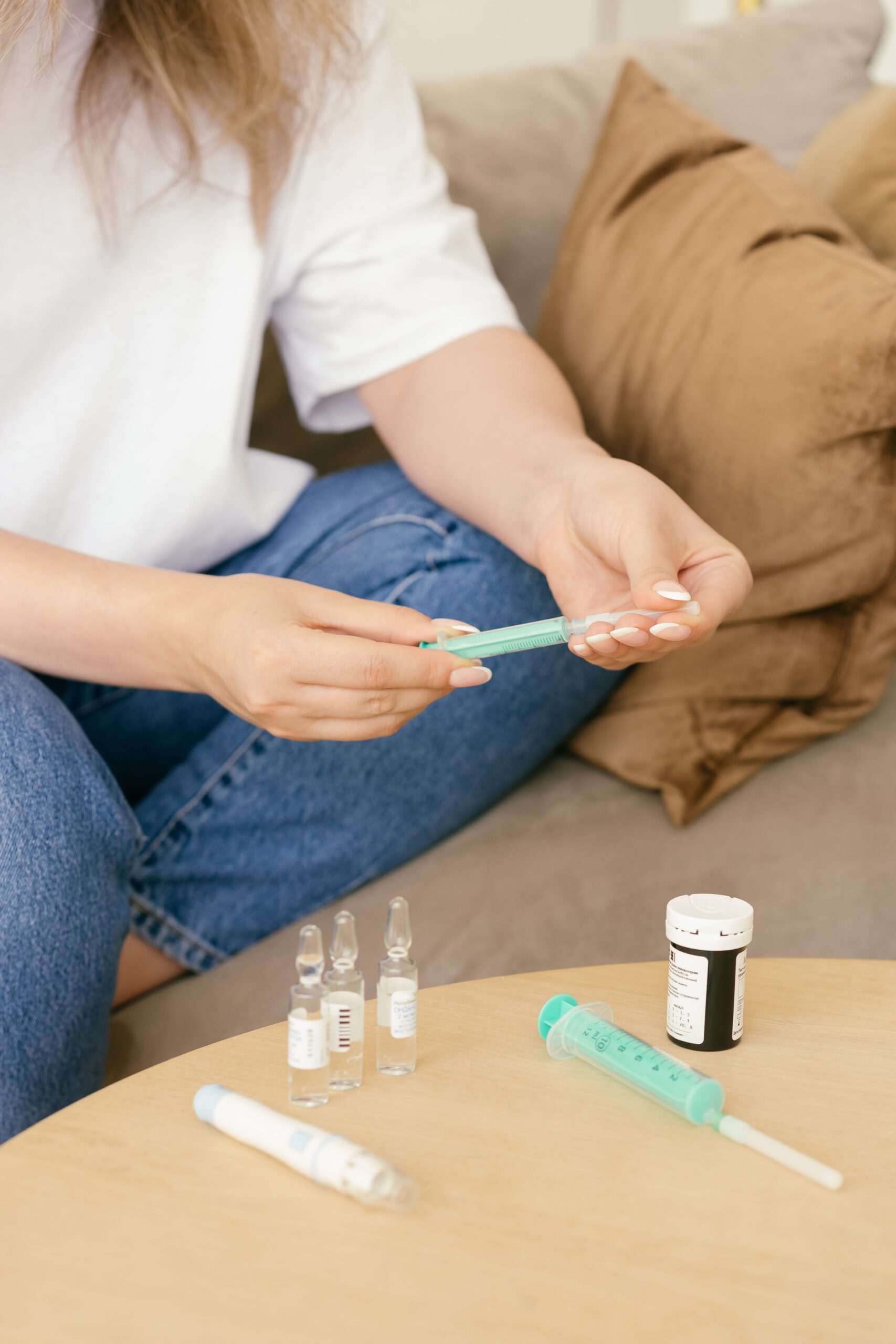
If you are searching what is fentanyl patch used for, you are probably looking for a clear explanation of why this medicine is prescribed, how it works, who may receive it, and what safety precautions are important. A fentanyl patch is a prescription opioid medicine designed to deliver fentanyl through the skin over an extended period. It is used to manage severe, persistent pain in specific patients who require continuous opioid treatment.
The answer to what is fentanyl patch used for is more specific than simply saying that it is a painkiller. Fentanyl patches are not intended for ordinary headaches, occasional aches, minor injuries, or short-term pain. Because fentanyl is a very potent opioid, transdermal fentanyl is generally reserved for people who already have opioid tolerance and have severe, persistent pain requiring around-the-clock opioid treatment when alternative treatment options are inadequate.
Understanding what is fentanyl patch used for is especially important because fentanyl patches work differently from many common pain medicines. The medicine is absorbed through the skin and enters the bloodstream gradually. This creates a sustained opioid effect rather than the quick, short-term effect associated with many immediate-release pain medicines.
This Health2Organ guide explains what is fentanyl patch used for, how fentanyl patches work, why they are prescribed for certain types of severe pain, who may be considered for this treatment, important safety concerns, common side effects, heat-related risks, medication interactions, dependence and withdrawal, safe storage and disposal, overdose warning signs, and frequently asked questions.
What Is Fentanyl Patch Used For?
The most important answer to what is fentanyl patch used for is that it is used to manage severe and persistent pain that requires continuous opioid treatment. The FDA-approved transdermal fentanyl system is indicated for the management of severe and persistent pain in opioid-tolerant patients when the pain requires an extended treatment period with a daily opioid analgesic and alternative treatment options are inadequate.
MedlinePlus similarly explains that fentanyl patches are prescribed to relieve severe pain. Fentanyl belongs to the opioid or narcotic analgesic class and changes how the brain and nervous system respond to pain.
This means what is fentanyl patch used for should not be interpreted as “a patch for any type of pain.” The medicine is intended for carefully selected patients whose pain requires strong, continuous opioid treatment.
Because fentanyl is powerful, healthcare professionals consider several factors before prescribing a fentanyl patch. These can include the severity and persistence of pain, previous opioid use, the patient’s medical history, other medicines being taken, and whether alternative treatments are adequate.
The patch is therefore a specialized prescription pain treatment rather than a general-purpose pain reliever.
What Is Fentanyl?
To fully understand what is fentanyl patch used for, it helps to understand fentanyl itself.
Fentanyl is a synthetic opioid. Pharmaceutical fentanyl can be used medically for surgery and for severe pain, including certain types of cancer-related pain. The CDC describes pharmaceutical fentanyl as a powerful synthetic opioid and notes that it is prescribed in forms including transdermal patches.
Fentanyl works by interacting with opioid receptors in the nervous system. These receptors influence how the body experiences and responds to pain.
The strength of fentanyl is one reason why medical supervision is so important. A fentanyl patch is not equivalent to an ordinary over-the-counter pain reliever.
When considering what is fentanyl patch used for, it is therefore important to remember both sides of the answer: it can provide significant pain relief for appropriate patients, but it also carries serious risks when used incorrectly.
What Is Fentanyl Patch Used For in Severe Pain?
Severe persistent pain can interfere with sleep, movement, daily activities, and overall quality of life. In some situations, ordinary pain medicines may not provide adequate relief.
This is one context in which people may ask what is fentanyl patch used for.
A transdermal fentanyl patch provides a continuous delivery of fentanyl through the skin. This can be useful when a patient requires ongoing opioid analgesia rather than occasional doses for temporary pain.
The FDA describes the transdermal system as being intended for severe and persistent pain requiring an extended treatment period with a daily opioid analgesic in opioid-tolerant patients.
The term “persistent” is important. The patch is not designed simply for a sudden episode of pain. It provides a prolonged effect and therefore must be used in circumstances where sustained opioid treatment is medically appropriate.
What Is Fentanyl Patch Used For in Cancer Pain?
Fentanyl is particularly associated with treatment of severe cancer-related pain, although the exact indication depends on the product, country, patient, and prescribing information.
Cancer can cause pain through the disease itself, treatment-related effects, inflammation, nerve involvement, or other mechanisms. Some patients require continuous opioid therapy when pain remains severe.
In an appropriate opioid-tolerant patient, a fentanyl patch may be considered as part of a broader pain-management plan.
When asking what is fentanyl patch used for, it is therefore reasonable to encounter cancer pain among the situations associated with pharmaceutical fentanyl. However, the patch should only be used when prescribed and monitored by a healthcare professional.
Fentanyl is not a treatment for cancer itself. Its purpose is pain management. It changes the body’s perception and response to pain rather than removing the underlying cause of the disease.
What Is Fentanyl Patch Used For Compared With Other Pain Medicines?
Another important part of understanding what is fentanyl patch used for is knowing that it belongs to a different category from many commonly used pain medicines.
Some pain medicines are designed for mild or moderate pain and can be taken intermittently. Others are stronger opioids intended for severe pain.
A fentanyl patch provides continuous transdermal delivery rather than requiring the patient to swallow an immediate-release tablet every few hours.
This delivery method can be convenient in some clinical circumstances, but it also creates additional safety considerations. Because fentanyl continues to be delivered through the skin, the effects do not simply disappear immediately when the patch is removed.
The CDC notes that transdermal fentanyl has complex absorption and pharmacokinetic characteristics, including gradually increasing serum concentrations during part of the dosing interval and absorption that can be affected by external heat.
For this reason, a fentanyl patch should be considered a specialized medication rather than simply a stronger version of a regular painkiller.
How Does a Fentanyl Patch Work?
Understanding what is fentanyl patch used for becomes easier when you understand how the patch works.
The patch is applied to the skin. Fentanyl passes through the skin and enters the bloodstream gradually. The medicine then reaches the central nervous system and interacts with opioid receptors involved in pain perception.
Instead of producing only a brief effect, the transdermal system is designed to provide sustained delivery over the prescribed application period.
MedlinePlus explains that transdermal fentanyl is applied to the skin and is generally changed according to the prescribed schedule, commonly every 72 hours for the referenced product information.
The exact application schedule should always be based on the specific prescription and product instructions. Patients should not change the frequency or number of patches without medical direction.
Why Does Fentanyl Need to Be Delivered Through a Patch?
The transdermal route allows fentanyl to enter the bloodstream gradually through the skin.
For some patients with persistent severe pain, continuous medication delivery may be useful because it avoids having to take an immediate-release medicine repeatedly throughout the day.
This helps explain what is fentanyl patch used for and why a patch may be selected instead of another opioid formulation.
However, the same sustained-delivery characteristic means that fentanyl patches require careful handling. A person should never assume that applying an additional patch will simply provide temporary extra pain relief.
Using more fentanyl than prescribed can cause dangerous opioid toxicity, including life-threatening respiratory depression.
Who Is Usually Considered for a Fentanyl Patch?
A critical part of understanding what is fentanyl patch used for is understanding who may be appropriate for it.
Transdermal fentanyl is generally reserved for opioid-tolerant patients with severe and persistent pain who require continuous opioid therapy. The FDA specifically identifies opioid tolerance as part of the indication for transdermal fentanyl.
Opioid tolerance means the person’s body has become accustomed to ongoing opioid exposure at a medically significant level. This is different from simply having taken a painkiller once or twice.
Because fentanyl can cause serious breathing problems in people who are not opioid tolerant, the patch is not generally appropriate as a first opioid treatment for someone who has never been regularly treated with opioids.
This is one of the most important safety distinctions when explaining what is fentanyl patch used for.
Why Is Opioid Tolerance Important?
Fentanyl is a potent opioid, and the risk of respiratory depression is particularly concerning in people who are not accustomed to opioids.
The FDA warns that transdermal fentanyl is intended for opioid-tolerant patients and that inappropriate use can lead to serious or fatal respiratory depression.
Opioid tolerance does not mean that a person is immune to overdose or side effects. It simply means that the person’s body has developed a certain level of tolerance through ongoing opioid exposure.
This is why healthcare professionals carefully review previous opioid use before prescribing a fentanyl patch.
Anyone wondering what is fentanyl patch used for should understand that its use is based not only on pain intensity but also on the patient’s opioid history and clinical circumstances.
What Is Fentanyl Patch Used For When Other Treatments Are Not Enough?
Healthcare professionals generally consider multiple pain-management options before selecting a potent opioid.
The FDA indication for transdermal fentanyl specifically refers to situations where alternative treatment options are inadequate.
This means that a fentanyl patch is not automatically the first choice simply because someone has severe pain.
Depending on the underlying condition, treatment may involve non-opioid medicines, other opioid formulations, physical therapies, procedures, treatment of the underlying disease, or combinations of approaches.
The appropriate strategy depends on the cause and characteristics of the pain.
Therefore, what is fentanyl patch used for should always be answered in the context of an individual’s complete pain-management plan.
What Is Fentanyl Patch Used For in Chronic Pain?
Chronic pain is pain that persists over an extended period and can have many causes.
Not every person with chronic pain is a candidate for transdermal fentanyl. The medicine is specifically associated with severe, persistent pain requiring continuous opioid treatment in opioid-tolerant patients.
This distinction matters because “chronic pain” by itself does not automatically mean that a fentanyl patch is appropriate.
Healthcare professionals may evaluate the underlying diagnosis, previous treatments, current opioid use, functional goals, risks, and potential alternatives before prescribing.
When researching what is fentanyl patch used for, readers should therefore avoid interpreting “chronic pain” as a blanket indication.
What Are the Main Benefits of a Fentanyl Patch?
The primary intended benefit of a fentanyl patch is sustained pain relief for appropriately selected patients.
Because fentanyl is delivered continuously through the skin, the patch can provide an extended opioid effect. This can be useful for patients whose pain is severe and persistent and who require continuous opioid therapy.
The patch may also reduce the need for repeated administration of certain short-acting medicines during the dosing interval.
However, benefits must always be weighed against risks. Fentanyl is a potent opioid with potentially serious adverse effects.
Therefore, when explaining what is fentanyl patch used for, it is more accurate to discuss it as a specialized pain-management option rather than describing it simply as a convenient painkiller.
What Are Common Side Effects of Fentanyl Patches?
Fentanyl patches can cause opioid-related side effects.
Possible effects include sleepiness, dizziness, nausea, vomiting, constipation, weakness, or other symptoms. Individual responses vary.
MedlinePlus also warns about serious effects including slowed breathing, extreme drowsiness, seizures, difficulty swallowing, allergic reactions, and other concerning symptoms.
A person using a fentanyl patch should follow the prescribed instructions and report unusual or concerning symptoms to their healthcare professional.
The presence of a side effect does not necessarily mean that the medicine is inappropriate, but severe symptoms require prompt attention.
Why Can Fentanyl Patch Cause Breathing Problems?
One of the most serious risks associated with what is fentanyl patch used for is respiratory depression.
Opioids can suppress the brain’s drive to breathe. In severe cases, breathing can become dangerously slow or stop.
MedlinePlus warns that fentanyl patches can cause serious or life-threatening breathing problems, particularly during the first 24 to 72 hours of treatment and after dose increases.
This is why people should never use a fentanyl patch that was not prescribed to them, apply more patches than prescribed, or change the prescribed application schedule without medical guidance.
Extreme sleepiness, slow or shallow breathing, long pauses between breaths, unusual snoring, or difficulty waking should be treated as potentially serious symptoms.
What Is Fentanyl Patch Used For and Why Is Heat a Concern?
Heat is an especially important safety issue with transdermal fentanyl.
External heat can increase fentanyl absorption through the skin. The CDC notes that transdermal fentanyl absorption can be affected by external heat.
For this reason, patients should follow the product instructions regarding heat exposure and avoid situations that can significantly heat the patch or the body.
Examples of potentially concerning heat exposure can include heating pads, electric blankets, hot tubs, saunas, or other sources of significant external heat, depending on the product instructions.
Fever can also be relevant because increased body temperature may affect drug absorption.
This is an important part of understanding what is fentanyl patch used for because the patch does not simply behave like a conventional adhesive medicine.
Can You Cut a Fentanyl Patch?
A fentanyl patch should not be cut, altered, damaged, or manipulated unless the specific manufacturer instructions and a healthcare professional explicitly indicate otherwise.
The patch is designed as a controlled drug-delivery system. Altering it may affect how fentanyl is released.
Because fentanyl is potent, changes to the delivery system can create serious safety risks.
Anyone who has a damaged patch or a patch that is not sticking correctly should contact a pharmacist or prescribing healthcare professional rather than attempting to modify it.
What Should You Do If a Fentanyl Patch Falls Off?
If a fentanyl patch becomes loose or falls off, the correct response depends on the product instructions and circumstances.
A person should not automatically replace it with multiple patches or apply another patch without checking the instructions.
Because fentanyl continues to pose a risk even after use, the fallen patch should be kept away from children, pets, and other people.
Patients should contact their pharmacist or healthcare provider if they are uncertain about what to do.
The safest approach to what is fentanyl patch used for is always to follow the specific prescription and product instructions rather than improvising.
Can Fentanyl Patches Be Used With Alcohol?
Combining fentanyl with alcohol can increase the risk of dangerous central nervous system and respiratory depression.
Alcohol can make a person more sleepy and can compound the sedating effects of opioids.
Because fentanyl is potent, patients should discuss alcohol use with their healthcare professional and follow the specific medication guidance they receive.
The same principle applies to other substances that can cause sedation.
When learning what is fentanyl patch used for, it is important to remember that the medicine’s effects can be influenced by other substances taken at the same time.
Can Fentanyl Patch Be Taken With Other Medicines?
Fentanyl can interact with other medicines.
Particular concern exists with other central nervous system depressants, including certain sedatives and other opioids. Combining multiple medicines that suppress breathing can increase the risk of severe respiratory depression.
Certain medicines can also affect how fentanyl is metabolized, potentially changing fentanyl levels in the body.
Patients should provide their healthcare professional with a complete list of prescription medicines, over-the-counter products, supplements, and other substances they use.
Do not assume that a medicine is safe to combine with fentanyl simply because it is available without a prescription.
What Is Fentanyl Patch Used For in Relation to Opioid Dependence?
Fentanyl patches can lead to physical dependence and may be habit-forming.
Physical dependence means that the body adapts to regular exposure to the medicine. If a person who has been using fentanyl regularly suddenly stops, withdrawal symptoms may occur.
MedlinePlus specifically advises patients not to stop using fentanyl patches suddenly without talking to their doctor.
Dependence is not exactly the same as addiction. Addiction involves problematic patterns of use, such as loss of control or continued use despite harm.
However, fentanyl has significant misuse potential, which is why it is a controlled prescription opioid in the United States.
What Happens If Someone Stops Fentanyl Suddenly?
Stopping fentanyl suddenly after regular use can cause withdrawal symptoms.
Possible withdrawal symptoms include restlessness, anxiety, sweating, chills, muscle aches, runny nose, yawning, nausea, vomiting, diarrhea, sleep problems, and rapid heartbeat. MedlinePlus lists a range of possible withdrawal symptoms and advises patients not to stop suddenly without medical guidance.
The appropriate discontinuation process depends on the individual and should be managed by a healthcare professional.
This is another reason why what is fentanyl patch used for should be considered alongside questions about how long it is prescribed and how treatment will eventually be reduced or changed.
What Are the Signs of Fentanyl Overdose?
Recognizing opioid overdose symptoms can be lifesaving.
Possible signs include very slow or shallow breathing, long pauses between breaths, extreme sleepiness, inability to wake, limpness, cold or clammy skin, and changes in pupil size. MedlinePlus lists breathing difficulty, unusual snoring, extreme sleepiness, and inability to respond among overdose warning signs.
If an overdose is suspected, emergency medical assistance should be obtained immediately.
Naloxone is an opioid antagonist that can reverse opioid overdose. MedlinePlus advises patients using fentanyl patches to discuss access to rescue medicines such as naloxone with their healthcare professional or pharmacist.
Emergency care remains essential even if naloxone is administered because its effect can wear off and further treatment may be necessary.
What Should You Do During a Suspected Fentanyl Overdose?
A suspected opioid overdose is a medical emergency.
Emergency services should be contacted immediately. If naloxone is available and the person is suspected of having an opioid overdose, it can be administered according to its instructions.
For a person wearing a fentanyl patch, MedlinePlus advises removing the patch in the event of an overdose while emergency medical help is obtained.
The person should not be left alone.
The goal is to restore breathing and obtain professional medical treatment as quickly as possible.
What Is Fentanyl Patch Used For and Why Is Safe Storage Important?
Fentanyl patches must be stored securely.
Because fentanyl is potent, accidental exposure can be extremely dangerous, especially for children and people who were not prescribed the medicine.
MedlinePlus warns that fentanyl patches can cause serious harm or death if accidentally used by a child or by someone who has not been prescribed the medicine.
Keep patches in their original packaging until they are needed and store them according to the product instructions.
Do not leave patches where children, visitors, or pets can reach them.
Used patches can still contain fentanyl, so disposal is also an important safety issue.
How Should Used Fentanyl Patches Be Disposed Of?
Used fentanyl patches require careful disposal because they may still contain significant amounts of medicine.
MedlinePlus advises following specific disposal instructions for used patches and notes that used patches can contain enough fentanyl to cause serious harm.
The exact disposal process can vary depending on local regulations and product instructions.
People should not simply leave used patches in an accessible household trash container.
If you are uncertain about disposal, ask a pharmacist or healthcare professional about the appropriate method in your area.
Can Children Be Exposed to Fentanyl Patches?
Yes, accidental exposure to fentanyl patches can be extremely dangerous for children.
A child may touch, pick up, or accidentally apply a patch. Even used patches may contain residual fentanyl.
This is why secure storage and proper disposal are essential.
Parents and caregivers should be especially careful when removing and replacing patches.
If a child may have been exposed to fentanyl, emergency medical assistance should be sought immediately.
What Is Fentanyl Patch Used For and Is It Safe for Everyone?
No medication is appropriate for everyone.
Fentanyl patches have specific indications and important contraindications and precautions.
People with certain respiratory conditions, previous breathing problems, head injuries, liver or kidney concerns, or other medical conditions may require particular evaluation.
MedlinePlus advises patients to tell their doctor about breathing problems, asthma, lung disease, head injuries, and other relevant health conditions before using fentanyl.
Age can also matter. Older adults may be more sensitive to opioid effects.
The safest approach is to have a healthcare professional evaluate the individual’s medical history before treatment.
What Is Fentanyl Patch Used For During Pregnancy?
Pregnancy is an important consideration when using opioid medicines.
Anyone who is pregnant, planning pregnancy, or breastfeeding should discuss fentanyl use with a healthcare professional.
Opioid exposure during pregnancy can involve important considerations for both the pregnant person and the newborn.
The decision to continue, change, or discontinue a prescription should not be made independently because sudden opioid withdrawal can also create medical concerns.
A healthcare professional can weigh pain-management needs against potential risks and determine an appropriate treatment strategy.
Can Fentanyl Patch Affect Breastfeeding?
Fentanyl can pass into breast milk, and opioid exposure can be important for breastfeeding infants.
Anyone using a fentanyl patch while breastfeeding should discuss the medicine with a healthcare professional.
The risks depend on factors such as dose, duration, the mother’s opioid exposure, the infant’s age, and the clinical situation.
Parents should seek medical advice if a breastfeeding infant appears unusually sleepy, has difficulty feeding, or has breathing problems.
What Is Fentanyl Patch Used For if Pain Suddenly Gets Worse?
A fentanyl patch is designed to provide continuous pain management rather than act as a rapid rescue medicine for sudden pain.
If pain suddenly becomes much worse while using a fentanyl patch, the person should not automatically apply another patch.
Sudden worsening pain can have many causes and may require medical evaluation.
A healthcare professional may prescribe a separate rescue medication in some circumstances, but that decision must be individualized.
This distinction is important when understanding what is fentanyl patch used for because the patch is not simply an “extra-strength” medicine to apply whenever pain increases.
What Is Fentanyl Patch Used For Compared With Immediate-Release Fentanyl?
Different fentanyl formulations are designed for different clinical purposes.
Transdermal fentanyl is a long-acting delivery system used for continuous pain management in appropriate opioid-tolerant patients.
Other fentanyl formulations can be designed for specific circumstances, such as breakthrough cancer pain, and have separate prescribing requirements.
MedlinePlus notes that certain immediate-release fentanyl products are specifically restricted to opioid-tolerant patients with breakthrough cancer pain.
Therefore, fentanyl products should never be treated as interchangeable.
The formulation, route of administration, indication, and patient eligibility all matter.
What Is Fentanyl Patch Used For and Why Is It Not for Short-Term Pain?
The transdermal patch is designed for sustained delivery.
That makes it fundamentally different from medicines intended for occasional or short-term pain.
The FDA’s indication emphasizes severe, persistent pain requiring extended treatment with a daily opioid analgesic in opioid-tolerant patients.
For short-term pain after an injury or procedure, a clinician may consider other treatment options.
Using a long-acting opioid patch for a temporary pain problem can expose someone to unnecessary risk.
This is why what is fentanyl patch used for should always be answered according to its specific medical indication rather than simply describing fentanyl as a strong painkiller.
How Does Fentanyl Patch Differ From a Regular Pain Patch?
The word “patch” can make fentanyl patches sound similar to common topical pain-relief products.
They are not the same.
A fentanyl patch is a transdermal systemic medicine. Fentanyl passes through the skin into the bloodstream and produces effects throughout the body.
Some topical pain patches, by contrast, are designed to act primarily in the area where they are applied.
This distinction is important because a fentanyl patch contains a potent opioid and carries risks that ordinary topical pain-relief products may not have.
Why Should Patients Follow the Exact Prescription?
Fentanyl patches have a narrow margin for error compared with many ordinary medicines.
Changing the number of patches, applying them more frequently, altering them, or using someone else’s patch can result in excessive fentanyl exposure.
MedlinePlus specifically instructs patients to use fentanyl patches exactly as directed and not to apply more or less than prescribed or change the frequency without medical guidance.
Following the prescription is therefore not simply a routine medication rule. It is a major safety measure.
What Is Fentanyl Patch Used For and What Should You Tell Your Doctor?
Before using a fentanyl patch, patients should provide their healthcare professional with relevant information about their health and medication history.
Important information can include current and previous opioid use, breathing problems, lung conditions, head injuries, other medicines, alcohol use, pregnancy or breastfeeding, and previous problems with opioid medicines.
MedlinePlus specifically advises patients to tell their doctor about certain breathing and lung conditions and other relevant health factors.
A complete medication list can help reduce the risk of dangerous interactions.
What Should You Know About Fentanyl Patch and Other Opioids?
Fentanyl is itself an opioid, so combining it with other opioids can increase opioid exposure.
In some carefully managed treatment plans, healthcare professionals may prescribe more than one opioid formulation for specific reasons. However, patients should never add another opioid independently.
The combination can increase sedation and respiratory depression.
Anyone using a fentanyl patch should make sure every healthcare professional involved in their care knows they are using it.
What Is Fentanyl Patch Used For in Modern Pain Management?
Modern pain management often focuses on balancing pain relief, function, quality of life, and medication-related risks.
Opioids can be appropriate for some patients, particularly when severe pain persists and other options are inadequate.
However, opioid therapy should be individualized and monitored.
The CDC notes that transdermal fentanyl has complex pharmacokinetic characteristics and can involve serious overdose risks, particularly when prescribed or used inappropriately.
Therefore, the role of a fentanyl patch is not simply “stronger pain relief.” It is one specialized tool that may be appropriate in carefully selected clinical circumstances.
FAQs
What is fentanyl patch used for?
The answer to what is fentanyl patch used for is that it is a prescription opioid medicine used to manage severe and persistent pain in appropriate patients who require continuous opioid treatment. Transdermal fentanyl is specifically indicated for opioid-tolerant patients whose pain requires extended treatment with a daily opioid analgesic when alternative options are inadequate.
Is a fentanyl patch used for ordinary pain?
Generally, no. A fentanyl patch is not intended as a routine treatment for mild pain, occasional headaches, minor injuries, or ordinary short-term discomfort. It is intended for severe, persistent pain requiring continuous opioid treatment in appropriately selected patients.
How long does a fentanyl patch work?
The exact duration depends on the product and prescription. MedlinePlus information for transdermal fentanyl describes application according to a prescribed schedule, commonly once every 72 hours for the referenced product. Patients should follow the instructions for their specific prescription rather than changing the schedule themselves.
Can anyone use a fentanyl patch?
No. Fentanyl patches are potent prescription opioids and are not appropriate for everyone. Transdermal fentanyl is specifically indicated for opioid-tolerant patients with severe and persistent pain requiring extended opioid treatment. Medical history, other medicines, respiratory health, and other factors must be considered by a healthcare professional.
What should I do if someone using a fentanyl patch has very slow breathing?
Very slow or shallow breathing, long pauses between breaths, extreme sleepiness, or inability to wake can indicate an opioid overdose and require emergency medical attention. Call emergency services immediately. If naloxone is available, it should be used according to its instructions. For an overdose involving a fentanyl patch, MedlinePlus advises removing the patch while emergency help is obtained.
Final Thoughts on What Is Fentanyl Patch Used For
Understanding what is fentanyl patch used for is important because fentanyl patches are very different from ordinary pain-relief products.
A fentanyl patch is a prescription transdermal opioid used to manage severe and persistent pain in carefully selected patients, particularly opioid-tolerant patients who require continuous opioid treatment and for whom alternative treatment options are inadequate.
The patch delivers fentanyl through the skin over an extended period. This can provide sustained pain relief, but it also means that careful use is essential. Fentanyl can cause serious respiratory depression, excessive sedation, dependence, and overdose, particularly when it is used incorrectly or combined with other substances that suppress breathing.
One of the most important points to remember when researching what is fentanyl patch used for is that the patch is not intended for every type of pain. It is not an ordinary painkiller for occasional discomfort and should never be used simply because someone has access to it.
Heat exposure is another important safety consideration because external heat can increase fentanyl absorption. Patients should follow the specific product instructions and avoid making changes to the patch or prescribed schedule without professional advice.
Safe storage and disposal also matter because both new and used patches can contain enough fentanyl to cause serious harm to someone who was not prescribed the medicine, particularly children.
If you or someone you know has been prescribed a fentanyl patch, the safest approach is to use it exactly as directed, keep it away from other people, tell healthcare professionals about all medicines and substances being used, and seek urgent medical assistance if signs of overdose or severe breathing problems occur.
Ultimately, what is fentanyl patch used for can be summarized simply: it is a specialized prescription opioid treatment for severe, persistent pain when continuous opioid therapy is medically appropriate. Because fentanyl is powerful, its benefits and risks should always be assessed and monitored by a qualified healthcare professional.