

Blog
How Does Fentanyl Patches Work? A Complete Guide

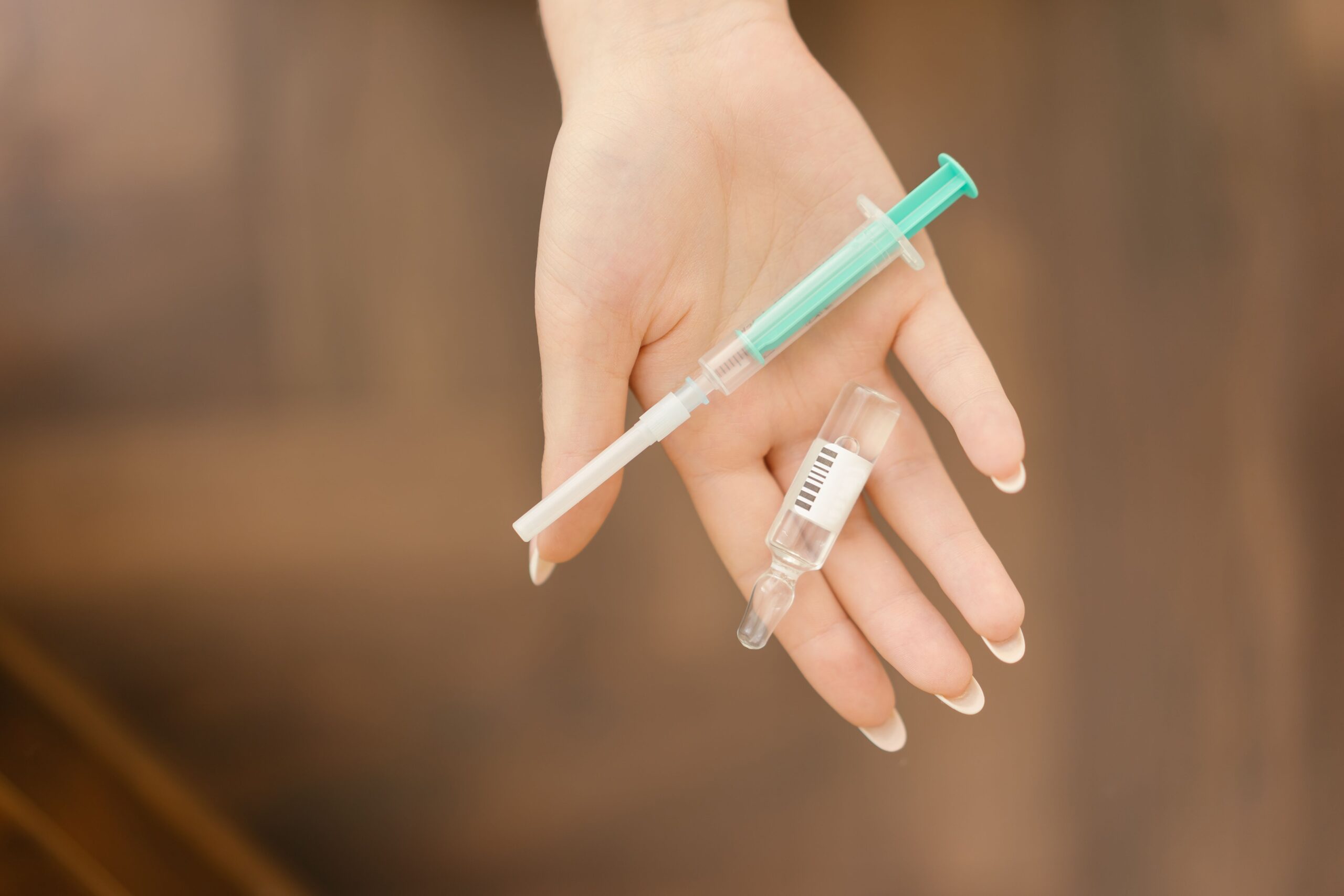
If you have searched for how does fentanyl patches work, you may already know that fentanyl patches are different from ordinary pain medicines. Instead of swallowing a tablet, the medicine is delivered through the skin and gradually enters the bloodstream. This allows fentanyl to provide continuous opioid pain relief over an extended period.
The question how does fentanyl patches work is important because fentanyl is a very powerful opioid medicine. Fentanyl transdermal patches are prescription medicines intended for specific patients with severe and persistent pain who require continuous opioid treatment. Current U.S. prescribing information specifies that fentanyl transdermal systems are for opioid-tolerant patients whose pain cannot be adequately treated with alternative options.
A fentanyl patch does not work like an ordinary adhesive pain-relief patch. The patch contains fentanyl, a potent opioid analgesic, and delivers the medicine systemically through the skin. Fentanyl then acts primarily on opioid receptors in the central nervous system, changing how the body and brain perceive and respond to pain.
Understanding how does fentanyl patches work also means understanding important safety issues. Heat can increase fentanyl release from the patch and potentially cause a dangerous overdose. Accidental exposure can also be extremely dangerous, particularly for children.
This Health2Organ guide explains how does fentanyl patches work, why fentanyl is delivered through the skin, how the medicine affects pain signals, who fentanyl patches are intended for, how long a patch generally works, common side effects, important safety precautions, and why these patches should only be used exactly as prescribed.
How Does Fentanyl Patches Work?
The simplest explanation of how does fentanyl patches work is that the patch continuously delivers fentanyl through the skin into the body. Once fentanyl reaches the bloodstream and central nervous system, it binds primarily to mu-opioid receptors. This changes the way the nervous system processes pain and produces analgesia, or pain relief.
Unlike a conventional tablet that is swallowed and absorbed through the digestive system, a transdermal fentanyl patch uses the skin as the route of administration. The medicine moves from the patch through the skin and into the bloodstream.
Current prescribing information describes fentanyl transdermal systems as providing continuous systemic delivery of fentanyl for up to 72 hours.
This continuous delivery is one of the main reasons fentanyl patches are used differently from short-acting pain medicines. They are intended for patients who require around-the-clock opioid analgesia rather than occasional treatment for pain.
When discussing how does fentanyl patches work, it is therefore useful to think about three connected stages. The patch releases fentanyl, fentanyl enters the bloodstream through the skin, and fentanyl acts on opioid receptors in the nervous system to reduce the perception of pain.
What Is a Fentanyl Transdermal Patch?
A fentanyl transdermal patch is a prescription medicine designed to deliver fentanyl through the skin.
The term “transdermal” simply means that the medicine is delivered across the skin. Fentanyl transdermal systems are designed to provide a controlled delivery of fentanyl rather than requiring repeated swallowing of a medicine throughout the day.
Fentanyl is a synthetic opioid analgesic. MedlinePlus describes fentanyl as an opioid pain medicine that changes the way the brain and nervous system respond to pain.
The patch is therefore not simply covering the skin while the medicine works somewhere else. The patch itself is the delivery system.
This distinction is important when explaining how does fentanyl patches work because people sometimes assume that a patch only treats pain directly underneath the area where it is placed. That is not how fentanyl transdermal therapy works. The medicine enters systemic circulation and affects pain processing throughout the body.
How Does Fentanyl Patches Work Through the Skin?
To understand how does fentanyl patches work through the skin, it helps to understand the idea of transdermal drug delivery.
The patch contains fentanyl in a formulation designed to allow the medicine to pass through intact skin at a controlled rate. After the patch is applied, fentanyl moves from the patch through the skin and into the bloodstream.
Once absorbed, fentanyl circulates throughout the body. It reaches the central nervous system and interacts primarily with mu-opioid receptors.
This is different from a topical pain medicine that is intended to act mainly near the site of application.
The transdermal route also means that factors affecting the skin or patch can affect fentanyl exposure. This is why official prescribing information gives specific warnings about heat, damaged patches, application sites, and accidental exposure.
Understanding how does fentanyl patches work therefore requires understanding that the patch is a controlled drug-delivery system rather than simply an adhesive covering.
How Does Fentanyl Patches Work on Pain Receptors?
Another important part of how does fentanyl patches work is fentanyl’s effect on opioid receptors.
Fentanyl primarily interacts with mu-opioid receptors found in the brain, spinal cord, and other tissues. Activation of these receptors changes the transmission and perception of pain signals in the nervous system.
Pain is not simply a signal traveling from an injured body part directly to the brain. The nervous system processes and modulates pain signals through several pathways. Opioid medicines such as fentanyl alter this processing.
This produces analgesia, meaning reduced perception of pain.
However, the same opioid receptor activity that produces pain relief can also cause unwanted effects. Fentanyl can cause drowsiness and respiratory depression, which is one of the reasons fentanyl patches require careful medical supervision.
Therefore, when asking how does fentanyl patches work, it is important to understand both the intended pain-relieving effect and the potential effects on the nervous and respiratory systems.
Why Is Fentanyl Used in a Patch?
Fentanyl is particularly potent, making it suitable for controlled transdermal delivery in selected patients who require continuous opioid treatment.
A transdermal system can maintain a relatively continuous supply of medicine over an extended period. Current labeling states that fentanyl transdermal systems are intended for severe and persistent pain requiring an opioid analgesic when alternative treatments are not adequate, and they are intended for opioid-tolerant patients.
This does not mean fentanyl patches are appropriate for every type of pain.
They are not intended as a general-purpose pain patch for mild pain, occasional pain, or routine short-term pain. Current labeling specifically warns against use for pain that could be treated with immediate-release opioids or non-opioid analgesics and against use in people who are not opioid tolerant.
This is an important part of understanding how does fentanyl patches work because the delivery method and strength make these patches very different from ordinary over-the-counter pain products.
Who Are Fentanyl Patches Intended For?
When discussing how does fentanyl patches work, it is equally important to understand who they are intended for.
Current U.S. prescribing information indicates that fentanyl transdermal systems are indicated for severe and persistent pain in opioid-tolerant patients who require continuous opioid analgesia and whose pain cannot be adequately managed with alternative options.
“Opioid tolerant” has a specific medical meaning. The current prescribing information defines opioid tolerance using established exposure to specified opioid doses for at least one week.
This requirement exists because fentanyl can cause serious or life-threatening respiratory depression, especially in people without opioid tolerance.
Therefore, a person should never assume that a fentanyl patch is appropriate simply because they have severe pain.
The decision to prescribe fentanyl depends on the individual’s pain, previous opioid exposure, medical history, other medicines, and risk factors.
How Does Fentanyl Patches Work for Persistent Pain?
Fentanyl patches are designed for pain that requires continuous opioid treatment rather than occasional treatment.
Persistent pain can require a consistent approach when other appropriate treatments are insufficient. The transdermal system provides ongoing fentanyl delivery rather than requiring the patient to take a short-acting opioid every few hours.
The goal is sustained pain management under medical supervision.
The current prescribing information emphasizes that fentanyl patch therapy should be individualized according to the underlying cause and severity of pain, previous analgesic treatment, response to treatment, and risks associated with addiction, abuse, and misuse.
This individualized approach is essential because fentanyl exposure can vary between patients.
Understanding how does fentanyl patches work therefore involves more than understanding the patch itself. The patient’s opioid history and clinical situation are also important.
How Long Does a Fentanyl Patch Work?
A common question related to how does fentanyl patches work is how long one patch lasts.
Current fentanyl transdermal labeling states that each system is intended to be worn continuously for up to 72 hours.
The patch is normally replaced according to the schedule prescribed by the healthcare professional.
Importantly, the medicine does not disappear from the body immediately when a patch is removed. Fentanyl levels decline gradually after removal because fentanyl remains in the skin and continues to enter the bloodstream for a period of time.
This is one reason patients should never apply additional patches or change the prescribed schedule without medical direction.
The extended delivery of fentanyl is a central feature of how does fentanyl patches work, but it also means that mistakes can have prolonged consequences.
Does a Fentanyl Patch Work Immediately?
Another important question about how does fentanyl patches work is whether pain relief begins instantly.
A transdermal fentanyl patch is designed to deliver medicine gradually. It is not intended to provide the same type of immediate pain relief as a short-acting medicine.
Current prescribing information notes that fentanyl concentrations increase during the early period after initial application and that the maximum analgesic effect should not be assessed immediately.
Because of this delayed and sustained pharmacological profile, patients should follow the treatment plan provided by their prescriber rather than applying extra patches because pain has not improved quickly.
Changing the dose without professional direction can increase the risk of dangerous fentanyl exposure.
How Does Fentanyl Patches Work Compared With Pain Pills?
The main difference is the route and pattern of delivery.
A pain tablet is swallowed and absorbed through the gastrointestinal system. A fentanyl transdermal patch delivers fentanyl through the skin into systemic circulation.
A tablet may be designed for immediate or extended release depending on the medicine. A fentanyl patch is specifically designed for continuous transdermal delivery.
This means that how does fentanyl patches work is fundamentally different from how many ordinary pain tablets work.
The patch is not simply a slower version of a tablet. It is a different drug-delivery system with specific indications, precautions, and risks.
Why Is Heat Dangerous With Fentanyl Patches?
Heat is one of the most important safety issues when learning how does fentanyl patches work.
External heat can increase the amount of fentanyl released from the patch and potentially increase fentanyl absorption. Current prescribing information warns that exposure of the patch and surrounding area to external heat can cause dangerous or fatal overdose.
Patients using fentanyl patches are therefore instructed to avoid direct external heat sources such as heating pads, electric blankets, heat lamps, tanning lamps, saunas, hot tubs, hot baths, and heated waterbeds.
High body temperature can also be a concern. The prescribing information advises that patients who develop fever or increased body temperature from strenuous exertion while wearing the patch should be monitored for opioid adverse effects.
This is one of the clearest examples of why knowing how does fentanyl patches work matters for safety. Because the patch continuously delivers medicine, anything that substantially changes delivery can affect fentanyl exposure.
What Happens if a Fentanyl Patch Is Cut or Damaged?
A fentanyl patch should not be cut, damaged, or altered.
The delivery system is designed to release fentanyl in a specific way. Damaging the patch can interfere with its intended delivery system and may increase the risk of inappropriate fentanyl exposure.
Current product information instructs patients not to use a fentanyl transdermal system if the pouch seal is broken or if the patch is cut, damaged, or changed.
This is another reason how does fentanyl patches work should be understood as a drug-delivery question rather than simply a question about where to place an adhesive.
The patch should be used exactly as supplied and prescribed.
Where Are Fentanyl Patches Applied?
Fentanyl transdermal systems are intended for application to intact skin.
Current labeling describes application to flat areas such as the chest, back, flank, or upper arm and recommends avoiding irritated or damaged skin.
The exact application instructions should come from the specific product’s Medication Guide and prescribing information.
The patch should not be placed on skin that is damaged, irritated, or otherwise unsuitable for transdermal administration.
Because how does fentanyl patches work depends on medicine passing through the skin, the condition of the skin matters.
Patients should not improvise application sites or modify the patch in an attempt to change how much fentanyl is absorbed.
How Does Fentanyl Patches Work if the Patch Falls Off?
A fentanyl patch that becomes detached requires special attention because fentanyl is a powerful opioid.
Current instructions state that if the patch falls off before the intended replacement time, it should be disposed of appropriately and a new patch should be applied to a different skin site according to the product’s instructions.
Patients should also inform their healthcare professional if this happens, particularly because replacement timing and ongoing exposure need to be considered.
A person should not automatically apply an additional patch simply because the previous one detached.
Understanding how does fentanyl patches work helps explain why this matters. Even after a patch is removed, fentanyl exposure does not necessarily stop immediately.
What Are Common Side Effects of Fentanyl Patches?
People searching how does fentanyl patches work often also want to know what effects they might notice.
Fentanyl is an opioid, so possible effects include drowsiness, dizziness, nausea, vomiting, constipation, and other opioid-related effects. MedlinePlus lists several common opioid effects and warns that opioids can also cause slowed breathing.
Not everyone experiences the same effects.
Some people may become sleepy or less alert, which can affect driving and other activities requiring attention. Opioid-related side effects can be particularly concerning when combined with other medicines or substances that also depress the central nervous system.
Patients should follow the instructions of their healthcare professional and seek medical advice if side effects are severe, unexpected, or worsening.
How Does Fentanyl Patches Work on Breathing?
Understanding respiratory effects is one of the most important aspects of how does fentanyl patches work.
Fentanyl acts on the central nervous system and can reduce the responsiveness of respiratory centers in the brain. This can slow breathing.
Respiratory depression can occur even at therapeutic concentrations, and the risk can be particularly important when treatment is initiated or the dose is increased. Current prescribing information specifically highlights respiratory depression as a serious risk.
This is why fentanyl patches are not suitable for casual or unsupervised use.
If someone wearing a fentanyl patch becomes extremely sleepy, difficult to wake, has very slow or shallow breathing, or loses consciousness, emergency medical help is required.
Can Fentanyl Patches Cause Overdose?
Yes. Fentanyl patches can cause opioid overdose if they are misused, used incorrectly, exposed to excessive heat, accidentally transferred to another person, or used in ways not prescribed.
The risk is particularly serious because fentanyl is a potent opioid and the patch is designed to deliver medicine continuously.
FDA warns that accidental exposure to fentanyl patches can cause serious illness or death in children.
Signs of opioid overdose can include extreme sleepiness, inability to wake, very slow or difficult breathing, and loss of consciousness.
Naloxone is an opioid overdose reversal medicine. FDA advises patients and caregivers to discuss having naloxone available when appropriate.
When discussing how does fentanyl patches work, overdose prevention should always be part of the conversation.
How Does Fentanyl Patches Work With Other Medicines?
Fentanyl can interact dangerously with other medicines and substances that affect the central nervous system.
Combining fentanyl with other sedating substances can increase the risk of excessive sedation and respiratory depression.
People should tell their doctor and pharmacist about all prescription medicines, non-prescription medicines, supplements, and other substances they use.
This is particularly important with medicines that can cause sedation.
A healthcare professional can review the medication list and determine whether combinations create additional risks.
The question how does fentanyl patches work therefore cannot be separated completely from questions about other medicines because interactions can change the overall safety profile.
Can Alcohol Be Used With a Fentanyl Patch?
People using fentanyl should discuss alcohol use with their healthcare professional.
Alcohol can depress the central nervous system, and combining it with opioids can increase sedation and respiratory risks.
Because fentanyl already has the potential to cause respiratory depression, adding other central nervous system depressants can be dangerous.
Patients should follow the specific instructions provided by their prescriber and pharmacist rather than assuming that small amounts of alcohol are automatically safe.
How Does Fentanyl Patches Work in Older Adults?
Older adults may have increased sensitivity to medicines and may have medical conditions or take other medicines that affect opioid safety.
For this reason, healthcare professionals consider factors such as age, kidney and liver function, respiratory health, other medications, and previous opioid exposure when prescribing fentanyl.
The goal is to balance pain control with the risk of adverse effects.
This individualized approach is important because how does fentanyl patches work pharmacologically is only one part of determining how an individual patient will respond.
Fentanyl Patches and Children
Fentanyl patches present a particularly serious accidental-exposure risk to children.
FDA has warned that children can become severely ill or die after exposure to fentanyl patches. A child may mistake a patch for a sticker or another harmless object.
A patch can also transfer from an adult to a child through direct skin contact.
For households where fentanyl patches are prescribed, the medication should be stored securely and kept out of children’s sight and reach.
This is one of the most important safety considerations connected to how does fentanyl patches work because even a used patch can contain enough fentanyl to pose a serious danger.
How Does Fentanyl Patches Work During Pregnancy?
Pregnancy and breastfeeding require specific medical discussion when fentanyl is being considered.
The appropriate decision depends on the person’s medical situation, pain condition, pregnancy status, and other factors.
Patients should tell their healthcare professional if they are pregnant, planning pregnancy, or breastfeeding before using fentanyl transdermal therapy.
The medication information for fentanyl transdermal systems specifically advises patients to discuss pregnancy and breastfeeding with their doctor.
People should never start or stop fentanyl treatment during pregnancy without medical guidance.
Can Fentanyl Patches Be Stopped Suddenly?
Long-term opioid treatment can lead to physical dependence.
Current prescribing information warns against rapidly reducing or abruptly discontinuing fentanyl transdermal therapy in a physically dependent patient because sudden reduction can result in serious withdrawal symptoms, uncontrolled pain, and other complications.
This does not mean that someone must remain on fentanyl indefinitely.
It means that changes to long-term fentanyl treatment should be planned with a healthcare professional.
Understanding how does fentanyl patches work therefore includes understanding that the body can adapt to regular opioid exposure.
How Does Fentanyl Patches Work Compared With Other Opioids?
Fentanyl is one of several opioid medicines used for pain management.
Other opioids include morphine, oxycodone, hydromorphone, hydrocodone, and others.
Fentanyl is particularly potent, and its transdermal formulation provides continuous systemic delivery.
This does not mean that fentanyl is automatically better or worse than another opioid. The appropriate medicine depends on the individual’s condition, previous opioid exposure, treatment goals, risks, and response.
A healthcare professional determines opioid selection and dosing.
Therefore, how does fentanyl patches work should be understood as an explanation of one specific opioid delivery system rather than a recommendation that fentanyl should be used for a particular type of pain.
Why Fentanyl Patches Are Not Ordinary Pain Patches
The word “patch” can make fentanyl transdermal therapy sound similar to topical pain products.
That comparison can be misleading.
Some pain patches are designed to act primarily on the skin or nearby tissues. Fentanyl patches are designed to deliver a potent opioid into systemic circulation.
This difference explains why fentanyl patches have strict prescribing requirements and serious safety warnings.
They should never be treated like an ordinary over-the-counter adhesive pain product.
Understanding how does fentanyl patches work makes this distinction clear: the patch is a powerful systemic medicine delivery system.
How Does Fentanyl Patches Work and Why Is Consistency Important?
Fentanyl patches are designed to provide continuous delivery over a defined period.
The current labeling generally specifies up to 72 hours of continuous wear for each system.
Patients should follow their prescribed replacement schedule and should not independently change how frequently patches are applied.
Because fentanyl remains in the body after the patch is removed, changing the schedule can potentially result in excessive opioid exposure.
Consistency and careful monitoring are therefore important parts of safe fentanyl therapy.
Safe Storage of Fentanyl Patches
Safe storage is especially important because fentanyl patches can be dangerous to people for whom they were not prescribed.
FDA recommends keeping fentanyl patches securely stored and away from children and others who could accidentally access them.
Patients should keep patches in their original packaging until they are ready to use them and follow the storage instructions supplied with the product.
Used patches also require careful handling.
A used patch should never be left where a child, pet, visitor, or another person could touch it.
How Does Fentanyl Patches Work and Why Does Disposal Matter?
Disposal is another important part of how does fentanyl patches work from a safety perspective.
A patch that has already been worn can still contain fentanyl. The medicine does not instantly disappear when the patch is removed.
Current U.S. instructions provide specific disposal procedures for fentanyl transdermal systems, including folding the used patch so the adhesive sides stick together and following the product’s approved disposal instructions.
The exact disposal rules can vary by jurisdiction and product, so patients should follow their specific Medication Guide and local disposal guidance.
The key point is that used patches should never be left accessible to children, pets, or other people.
What Should You Do if Someone Is Exposed to a Fentanyl Patch?
Accidental exposure to a fentanyl patch can be a medical emergency.
If a child or another person who was not prescribed fentanyl comes into contact with a patch, immediate medical advice should be obtained.
FDA specifically warns that accidental exposure can cause life-threatening opioid effects in children.
If someone shows signs of opioid overdose, such as extreme difficulty waking, very slow or abnormal breathing, or unconsciousness, emergency medical services should be contacted immediately.
Naloxone may reverse opioid overdose and can be lifesaving when administered promptly.
How Does Fentanyl Patches Work in the Context of Pain Management?
Pain management is often more complex than simply choosing one medicine.
Healthcare professionals may consider the underlying cause of pain, its severity and duration, previous treatments, other medical conditions, and the patient’s response to medications.
Fentanyl patches are one option for a specific group of patients with severe and persistent pain requiring continuous opioid therapy.
They are not appropriate for every patient with chronic pain.
Current prescribing information emphasizes reassessment of patients receiving fentanyl transdermal therapy to evaluate continued need, adverse reactions, and signs of addiction, abuse, or misuse.
This approach helps explain why the answer to how does fentanyl patches work should always be connected with professional medical supervision.
What Are the Main Safety Lessons About Fentanyl Patches?
The most important lesson is that fentanyl patches are powerful prescription opioid medicines, not ordinary pain-relief patches.
They should be used only by the person for whom they were prescribed and exactly according to medical instructions.
Patients should avoid external heat around the patch, never cut or modify it, keep it away from children, follow the prescribed replacement schedule, and dispose of used patches safely. Current labeling specifically highlights these precautions.
People should also be aware of respiratory depression and overdose risk.
These safety considerations are not separate from how does fentanyl patches work. They are directly related to how the transdermal delivery system continuously supplies a potent opioid to the body.
FAQs
How does fentanyl patches work?
The answer to how does fentanyl patches work is that a fentanyl transdermal patch gradually delivers fentanyl through intact skin into the bloodstream. Fentanyl then reaches the central nervous system and primarily activates mu-opioid receptors, changing how pain is processed and perceived.
How long does a fentanyl patch work?
A fentanyl transdermal system is generally designed to be worn continuously for up to 72 hours. The exact replacement schedule should follow the prescription and the specific product information. Fentanyl can continue to remain in the body after the patch is removed, so patients should not independently change the schedule.
Can anyone use a fentanyl patch for severe pain?
No. Current U.S. prescribing information limits fentanyl transdermal systems to opioid-tolerant patients with severe and persistent pain requiring continuous opioid analgesia when alternative options are inadequate.
Why should heat be avoided with a fentanyl patch?
Heat can increase fentanyl release and absorption, potentially causing dangerously high fentanyl exposure and overdose. Patients are instructed to avoid heating pads, electric blankets, hot tubs, saunas, hot baths, tanning lamps, and other direct heat sources around the patch.
What happens if someone is accidentally exposed to a fentanyl patch?
Accidental exposure can be extremely dangerous, particularly for children. FDA warns that exposure can cause serious illness or death because fentanyl can severely slow breathing. Emergency medical assistance should be sought immediately if an accidental exposure or possible overdose occurs. Naloxone can reverse opioid overdose and may be lifesaving.
Final Thoughts on How Does Fentanyl Patches Work
Understanding how does fentanyl patches work starts with recognizing that a fentanyl patch is a specialized transdermal drug-delivery system rather than an ordinary pain patch.
The patch continuously delivers fentanyl through the skin. After entering the bloodstream, fentanyl reaches the central nervous system and acts primarily on mu-opioid receptors, changing the way the body processes and perceives pain.
Because fentanyl is a powerful opioid, the medicine is reserved for specific situations. Current prescribing information indicates that fentanyl transdermal systems are intended for severe and persistent pain in opioid-tolerant patients who require continuous opioid treatment and whose pain is not adequately managed with alternative options.
The continuous nature of the patch explains both its usefulness and its risks. Each system is generally intended for up to 72 hours of use, but fentanyl can remain in the body after removal. Heat can increase drug release and absorption, damaged patches can be unsafe, and accidental exposure can cause life-threatening opioid effects.
Anyone using a fentanyl patch should therefore follow the prescription and product instructions carefully. It should never be shared with another person, altered, cut, used for a different type of pain, or combined with other medicines or substances without professional advice.
If you or someone you know is prescribed a fentanyl patch and has questions about how does fentanyl patches work, application, side effects, interactions, missed or detached patches, or stopping treatment, a doctor or pharmacist can provide advice based on the specific product and medical circumstances.
Reliable information is an important part of reproductive and general health education, but fentanyl treatment requires individualized medical supervision because the risks can be serious. When used only for appropriate patients and according to professional instructions, the fentanyl transdermal system can provide controlled, continuous opioid analgesia for selected patients with severe persistent pain.




7 thoughts on “How Does Fentanyl Patches Work? A Complete Guide”