
Blog
Ketamine Injection Uses: Medical Uses, Risks & Safety Guide

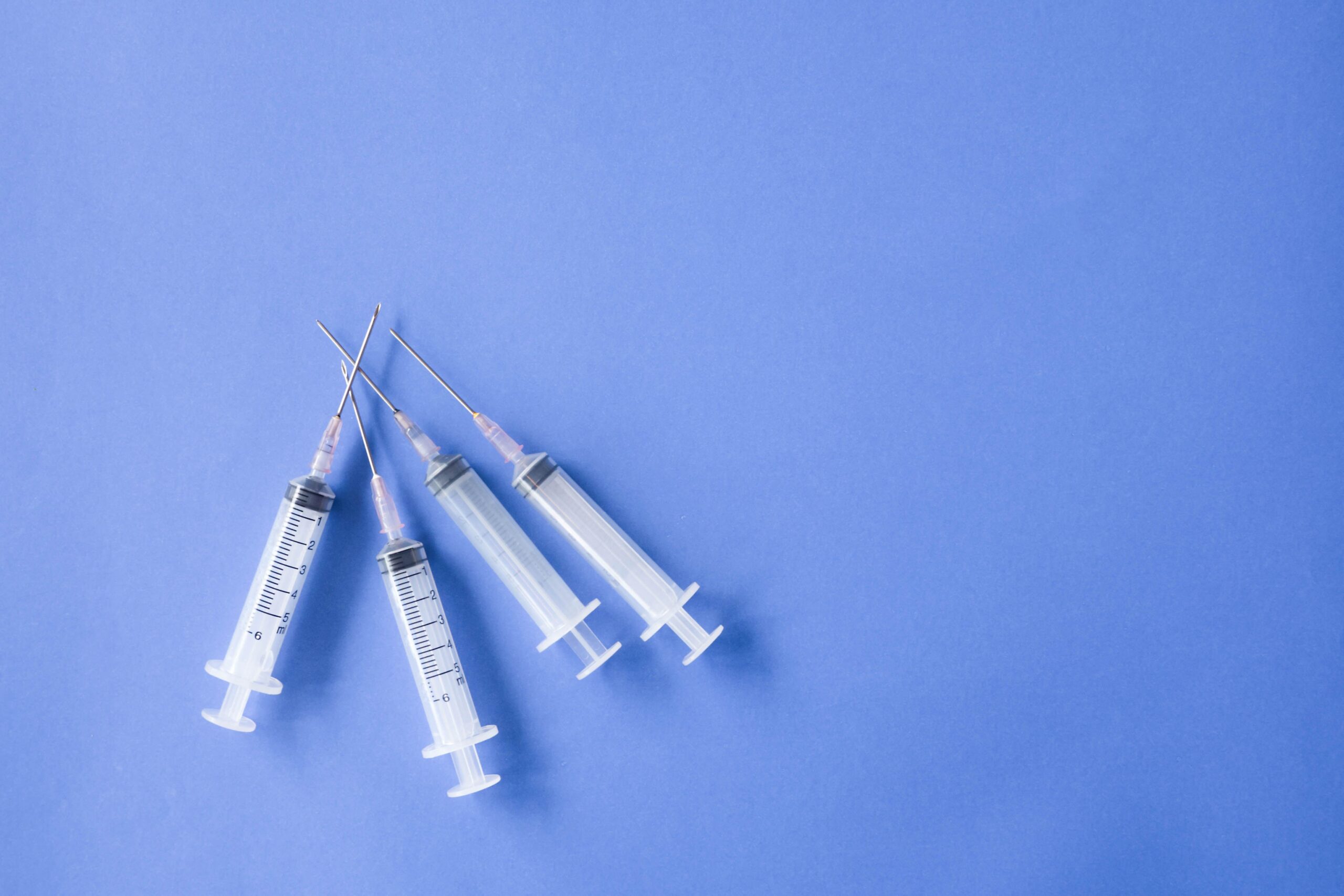
Understanding ketamine injection uses is important because ketamine is a powerful medicine with established medical applications as an anesthetic and additional uses that require careful clinical judgment. Many people know ketamine primarily as an anesthetic, while others have heard about its use in pain management or emerging mental health treatment. However, these uses are not all the same, and the medical setting, formulation, route of administration, patient condition, and level of monitoring can make a major difference.
When people search for ketamine injection uses, they may be trying to understand why a healthcare professional would administer ketamine through an intravenous or intramuscular injection. Ketamine injection is an anesthetic medicine that changes activity in the brain and can produce unconsciousness, reduced awareness, analgesia, and other effects depending on how it is used. Medically administered ketamine injection requires appropriate training and monitoring because it can affect consciousness, blood pressure, heart rate, breathing, and perception.
The most established use of ketamine injection is anesthesia for surgical and diagnostic procedures. It may be used as a sole anesthetic for certain procedures or as part of a broader anesthetic plan. Ketamine can be particularly useful when a clinician needs an anesthetic that provides strong analgesic effects while maintaining certain physiological reflexes better than some other anesthetic approaches.
The topic of ketamine injection uses has also become more complicated because ketamine has received attention for depression, chronic pain, and other conditions. Some of these uses may be considered off-label depending on the country, formulation, and clinical situation. Ketamine should therefore not be described as a universally approved treatment for every condition for which it has been studied.
This Health2Organ guide explains ketamine injection uses, how ketamine injection works in general, why it is used in anesthesia, how it differs from other ketamine formulations, possible medical applications, common side effects, important precautions, monitoring requirements, and why professional supervision is essential.
What Are Ketamine Injection Uses?
The most established answer to ketamine injection uses is anesthesia. Ketamine injection is used by trained healthcare professionals to produce anesthesia during certain surgical and diagnostic procedures. MedlinePlus describes ketamine injection as an anesthetic medicine used during surgery, while the FDA-approved labeling for ketamine injection describes its use for induction and maintenance of general anesthesia and for certain diagnostic or surgical procedures.
Ketamine injection may be administered intravenously or intramuscularly. The route chosen depends on the medical situation, the procedure, the patient’s condition, and the healthcare professional’s judgment. Because ketamine can significantly affect consciousness and perception, administration requires appropriate clinical monitoring.
When discussing ketamine injection uses, it is also important to distinguish between approved uses and uses that may be considered off-label. Ketamine has been studied and used in some settings for pain and depression, but the regulatory status of these applications varies. In the United States, for example, the FDA states that ketamine itself is approved as an anesthetic, while it is not FDA-approved for treating psychiatric disorders.
The fact that a medicine has been studied for a particular condition does not automatically mean that every formulation or route is officially approved for that condition.
Why Is Ketamine Used as an Anesthetic?
One of the most important ketamine injection uses is anesthesia because ketamine can produce a distinctive combination of anesthetic and analgesic effects.
Ketamine belongs to a group of medicines called anesthetic agents. It changes activity in the central nervous system and can produce a state in which a patient becomes unaware of the procedure. It also has significant analgesic properties, meaning it can reduce the perception of pain.
Ketamine is different from some conventional anesthetics because it can produce what is sometimes called dissociative anesthesia. During this state, the patient’s awareness of the environment and response to painful stimulation can be substantially altered. The appearance of anesthesia can therefore look different from the effects produced by some other anesthetic medicines.
The specific anesthetic plan is always determined by the healthcare professional. Ketamine may be used alone for certain procedures or together with other medicines when clinically appropriate.
This is why ketamine injection uses in anesthesia should be understood as part of professional medical care rather than as a medicine that individuals can safely administer themselves.
How Does Ketamine Injection Work?
Understanding how ketamine works helps explain many of the ketamine injection uses seen in modern medicine.
Ketamine primarily affects glutamate signaling in the brain by interacting with NMDA receptors. These receptors are involved in communication between nerve cells and in processes related to pain perception, learning, memory, and consciousness.
By altering NMDA receptor activity, ketamine can produce profound changes in perception and consciousness. At anesthetic doses, these effects can be strong enough to produce a state suitable for certain surgical and diagnostic procedures.
Ketamine also has analgesic effects. This is one reason it has attracted attention in pain medicine and emergency care. However, the appropriate dose, route, indication, and monitoring requirements vary considerably depending on the clinical objective.
Therefore, understanding ketamine injection uses requires more than knowing that ketamine affects the brain. Its effects depend strongly on the amount administered, the route, the patient’s health, other medicines being used, and the purpose of treatment.
Ketamine Injection Uses in Surgical Anesthesia
Surgical anesthesia remains one of the best-established ketamine injection uses.
During surgery, anesthesia is used to prevent awareness and reduce responses to painful stimulation. Ketamine can be used for induction of anesthesia and, in appropriate circumstances, for maintenance of anesthesia.
The FDA-approved labeling for ketamine injection describes its use as a general anesthetic for diagnostic and surgical procedures that do not require skeletal muscle relaxation. It can also be used for induction before other general anesthetic agents are administered.
The anesthetic team considers many factors before choosing ketamine, including the type of procedure, expected pain level, patient’s medical history, other medications, cardiovascular status, airway considerations, and whether muscle relaxation is required.
This makes ketamine injection uses in surgery highly individualized. Ketamine is not automatically the best anesthetic for every operation.
Ketamine Injection Uses in Diagnostic Procedures
Another established area of ketamine injection uses involves certain diagnostic procedures.
Some medical procedures can be uncomfortable or painful and may require a patient to remain still. In selected situations, ketamine can provide anesthesia or sedation that allows a healthcare professional to perform the procedure safely.
The suitability of ketamine depends on the procedure and patient. A clinician must consider whether the patient can safely receive the medicine and whether additional medications or airway support may be necessary.
Ketamine injection should therefore be administered in a setting equipped to monitor the patient and respond to unexpected changes.
Ketamine Injection Uses in Emergency Medicine
Ketamine can also have important applications in emergency medicine. Its anesthetic and analgesic properties may make it useful in selected urgent situations.
Emergency clinicians may consider ketamine when a patient requires a painful procedure, needs rapid sedation, or requires anesthesia under circumstances where other options may not be suitable.
The specific use depends on local protocols, clinical judgment, patient characteristics, and the nature of the emergency. Emergency medicine is also one of the settings where rapid changes in a patient’s condition can occur, making appropriate monitoring particularly important.
When discussing ketamine injection uses in emergency medicine, it is important to recognize that emergency administration is performed by trained professionals rather than being a general-purpose home treatment.
Ketamine Injection Uses for Pain Management
Pain management is another area associated with ketamine injection uses.
Ketamine has analgesic properties that are different from those of traditional opioid pain medicines. Because ketamine affects NMDA receptors and other pathways involved in pain processing, clinicians have investigated and used it in selected pain-management situations.
Ketamine may be considered in certain acute pain circumstances, particularly when conventional treatments are insufficient or when specific clinical factors make an NMDA antagonist useful. However, pain treatment with ketamine requires careful assessment because the risks and benefits can differ significantly between patients.
Ketamine injection is not a simple replacement for ordinary painkillers. The decision to use it depends on the type of pain, severity, medical history, other treatments, and clinical setting.
People researching ketamine injection uses for pain should therefore understand that evidence and medical practice can differ according to the specific pain condition.
Ketamine Injection Uses for Chronic Pain
Ketamine has also been investigated and used in some specialist settings for chronic pain.
Chronic pain can involve complex changes in the nervous system, and NMDA receptor activity has been studied as one component of pain sensitization. Ketamine’s effects on NMDA receptors have therefore generated interest among pain specialists.
However, evidence for chronic pain is not uniform across all conditions. Some patients may receive ketamine-based treatment under specialist supervision, while others may not be appropriate candidates.
The fact that ketamine has analgesic effects does not mean that ketamine injection is suitable for every person with chronic pain.
When evaluating ketamine injection uses for chronic pain, healthcare professionals consider the diagnosis, previous treatments, potential benefits, possible adverse effects, and the availability of safer or better-established alternatives.
Ketamine Injection Uses and Depression
Depression is one of the most widely discussed non-anesthetic areas of ketamine research.
Ketamine has attracted significant scientific interest because some studies have found rapid antidepressant effects in certain patients. However, this does not mean that standard ketamine injection is universally approved as a treatment for depression.
The FDA has specifically stated that ketamine is not FDA-approved for the treatment of psychiatric disorders. An FDA-approved ketamine-related medicine, esketamine, has a different formulation and route of administration and is regulated separately.
This distinction is extremely important when discussing ketamine injection uses and mental health.
A person should not assume that because ketamine is used in anesthesia, a ketamine injection is automatically an approved treatment for depression. Mental health treatment involving ketamine should be conducted by appropriately qualified clinicians using an evidence-based protocol and appropriate monitoring.
Ketamine and Esketamine Are Not the Same Thing
Another important issue when discussing ketamine injection uses is the difference between ketamine and esketamine.
Ketamine is a mixture of two mirror-image molecules known as enantiomers. Esketamine is one of these components and is used in a specific FDA-approved nasal spray product for certain depressive conditions.
Esketamine is therefore not simply another name for ketamine injection.
The route of administration, regulatory status, dosing framework, monitoring requirements, and approved indications can differ significantly.
People searching online may see ketamine and esketamine discussed together because they are chemically related. However, medical information should not treat them as interchangeable products.
Ketamine Injection Uses and Mental Health Treatment
Interest in ketamine-based mental health treatment has grown substantially in recent years.
Research has investigated ketamine for treatment-resistant depression and other psychiatric conditions. However, the evidence, regulatory approvals, clinical protocols, and long-term safety considerations differ depending on the condition and formulation.
The FDA has emphasized that ketamine injection itself is approved as an anesthetic and not as an FDA-approved psychiatric treatment.
This means that anyone considering ketamine for a mental health condition should speak with a qualified mental health professional or physician who can explain the evidence and distinguish approved treatments from off-label use.
A careful discussion of ketamine injection uses should therefore never imply that ketamine injection is a universal treatment for depression, anxiety, PTSD, or other psychiatric conditions.
Ketamine Injection Uses for Sedation
Sedation is another context in which ketamine may be used by medical professionals.
Sedation reduces awareness and can make certain procedures easier to tolerate. Ketamine’s ability to produce analgesia and altered consciousness can make it useful for selected procedures.
However, sedation is not the same as full general anesthesia. The depth of sedation can vary, and patients still require appropriate monitoring.
The medical team must be prepared to manage changes in breathing, cardiovascular function, consciousness, or other unexpected responses.
Because of these considerations, ketamine injection uses for sedation belong within a controlled medical environment.
Ketamine Injection Uses in Pediatric Medicine
Ketamine has been used in pediatric medical settings for selected procedures, particularly when a child requires sedation or anesthesia.
Children require special consideration because their airways, medication responses, and physiological characteristics differ from those of adults.
The healthcare team considers age, weight, medical history, procedure type, fasting status, airway risk, and other factors before administering ketamine.
MedlinePlus also notes specific concerns regarding ketamine exposure in very young children, highlighting the importance of professional assessment.
Parents and caregivers should never attempt to obtain or administer ketamine injection for a child without direct medical supervision.
Understanding ketamine injection uses in children requires recognizing that pediatric anesthesia is a specialized area of medicine.
How Is Ketamine Injection Administered?
Ketamine injection is generally administered intravenously or intramuscularly by a trained healthcare professional.
An intravenous route allows the medicine to enter the bloodstream directly, while an intramuscular injection delivers the medicine into muscle tissue.
The route depends on the clinical situation. Healthcare professionals also determine the appropriate amount based on factors such as the patient’s age, health, procedure, response to the medicine, and other medications.
Because ketamine can cause substantial changes in consciousness, patients are monitored during administration and for an appropriate period afterward.
This professional monitoring is a central safety component of ketamine injection uses.
Why Monitoring Is Important With Ketamine Injection
Monitoring is essential because ketamine can affect several body systems.
During ketamine administration, healthcare professionals may monitor consciousness, breathing, oxygen levels, heart rate, blood pressure, and other relevant clinical parameters.
The level of monitoring depends on the purpose of administration and the patient’s condition.
Ketamine can cause changes in perception, confusion, hallucinations, agitation, nausea, vomiting, and cardiovascular effects. Serious reactions are uncommon in appropriately managed settings but can occur.
For this reason, ketamine injection uses should always be considered within the context of trained medical administration and monitoring.
Common Side Effects of Ketamine Injection
Like other medicines, ketamine injection can cause side effects.
MedlinePlus lists injection-site pain, nausea, and vomiting among possible side effects. Ketamine can also cause changes in perception, confusion, excitement, hallucinations, agitation, involuntary muscle movements, and changes in heart rhythm.
Some patients may experience temporary changes in blood pressure or heart rate.
The type and severity of side effects can vary depending on the amount administered, route, medical condition, other medicines, and individual response.
People who receive ketamine should report unusual or severe symptoms to the healthcare team.
Understanding potential side effects is an important part of learning about ketamine injection uses, because the same pharmacological effects that make ketamine useful can also produce unwanted reactions.
Serious Reactions to Ketamine Injection
Although ketamine can be safely used in medical settings, serious adverse reactions are possible.
Difficulty breathing, severe allergic reactions, abnormal heart rhythm, severe confusion, uncontrolled muscle movements, or other serious symptoms require immediate medical attention.
Healthcare professionals administering ketamine are trained to recognize and manage complications.
This is another reason why ketamine injection should not be treated like an ordinary medicine that can be self-administered outside a clinical setting.
The safety of ketamine injection uses depends not only on the medicine itself but also on patient selection, correct administration, monitoring, and access to appropriate emergency support.
Ketamine Injection and Blood Pressure
Ketamine can affect cardiovascular function, including blood pressure and heart rate.
For some patients, these effects may be clinically significant. A healthcare professional will consider cardiovascular history and current medical status before administering ketamine.
Patients should tell their healthcare provider if they have heart disease, high blood pressure, or other cardiovascular conditions.
This is particularly important because the risks associated with ketamine injection uses can vary substantially between individuals.
Ketamine Injection and Breathing
Ketamine is often discussed as an anesthetic with distinctive effects on breathing and airway reflexes, but it should not be considered incapable of causing respiratory complications.
Changes in breathing can occur, especially when ketamine is combined with other sedating medicines or used in vulnerable patients.
For this reason, professional monitoring remains important.
A healthcare team administering ketamine should be prepared to respond to airway or respiratory problems if they occur.
Ketamine Injection and Consciousness
One of the defining effects of ketamine is its ability to alter consciousness and perception.
At anesthetic levels, patients may become unconscious or enter a dissociative state. They may appear different from patients receiving other types of anesthesia.
Some people may experience unusual visual or sensory perceptions during recovery.
These effects are one reason ketamine can be effective for anesthesia while also requiring careful monitoring.
The relationship between altered consciousness and ketamine injection uses is particularly important because the intended effect can vary from analgesia to sedation to full anesthesia.
Ketamine Injection and Hallucinations
Hallucinations or unusual sensory experiences can occur with ketamine.
These effects may happen during administration or as the medicine wears off. Some patients may experience confusion, vivid dreams, agitation, or other perceptual changes.
Medical teams can take steps to reduce discomfort and monitor the patient during recovery.
Patients should tell their healthcare professional about previous unusual reactions to anesthetic medicines or concerns about altered consciousness.
Ketamine Injection and Nausea
Nausea and vomiting are recognized possible side effects of ketamine injection.
Healthcare professionals may take appropriate precautions depending on the patient’s risk factors and the procedure.
If vomiting occurs while a patient is sedated or unconscious, aspiration of stomach contents can become a concern. This is another reason why ketamine administration requires appropriate clinical preparation.
Therefore, safe ketamine injection uses involve more than selecting the medicine. They involve preparing for possible adverse reactions and monitoring the patient throughout the process.
Who Should Tell Their Doctor Before Receiving Ketamine?
Before receiving ketamine injection, patients should tell their healthcare provider about allergies, medical conditions, current medications, supplements, pregnancy or breastfeeding status, and previous reactions to anesthetic medicines.
MedlinePlus specifically advises patients to inform their doctor about heart disease, liver disease, pregnancy, breastfeeding, and other medicines or supplements.
Complete medical information helps clinicians determine whether ketamine is appropriate and whether additional precautions are necessary.
This information can be especially important when considering ketamine injection uses outside routine surgical anesthesia.
Ketamine Injection and Pregnancy
Pregnancy is an important consideration before ketamine administration.
Anyone who is pregnant or could be pregnant should inform the healthcare professional before receiving ketamine. The medical team can then evaluate whether ketamine is appropriate for the particular procedure and circumstances.
Medication decisions during pregnancy should be individualized because both the medicine and the underlying medical condition may affect the pregnancy.
People should never use ketamine injection during pregnancy without appropriate medical supervision.
Ketamine Injection and Breastfeeding
Breastfeeding should also be discussed with the healthcare provider before ketamine administration.
Whether breastfeeding should be temporarily interrupted depends on the clinical situation, the amount and route of ketamine, other medicines used during anesthesia, and professional guidance.
Patients should ask their anesthesiologist, physician, or pharmacist for individualized advice rather than relying on general online statements.
This is another example of why ketamine injection uses must be considered in relation to the individual patient.
Can Ketamine Injection Be Used at Home?
Ketamine injection should not be self-administered at home.
Injection requires appropriate medical knowledge, sterile equipment, correct preparation, monitoring, and the ability to manage complications.
Ketamine is a controlled medicine in the United States, and regulatory requirements vary between countries. FDA information also warns about unauthorized ketamine products marketed online.
Buying injectable ketamine from an unverified website can create risks involving counterfeit medicines, incorrect concentration, contamination, improper storage, and lack of professional monitoring.
Safe ketamine injection uses therefore require legitimate medical care rather than unsupervised home administration.
Why Online Ketamine Products Can Be Dangerous
Online searches for ketamine injection uses may lead users to websites advertising ketamine for anesthesia, pain, depression, or other purposes.
Not every online seller is legitimate, and not every ketamine product has been approved by a national medicines regulator.
The FDA has recently issued warning letters to websites marketing unapproved ketamine products, emphasizing that approved ketamine injection products are prescription medicines and that unauthorized products can present safety concerns.
People should therefore be cautious about websites that promise guaranteed results, sell injectable ketamine without appropriate medical oversight, or claim that ketamine is approved for conditions for which it is not.
Ketamine Injection Uses and Drug Interactions
Ketamine can interact with other medicines, particularly medicines that affect the central nervous system.
Other sedatives, anesthetics, alcohol, and certain medicines may increase or alter ketamine’s effects.
Patients should provide a complete list of prescription medicines, nonprescription medicines, supplements, and recreational substances to their healthcare provider.
This information allows the medical team to evaluate potential interactions and determine an appropriate treatment plan.
Because interactions can affect consciousness, breathing, blood pressure, and recovery, medication history is an essential part of safe ketamine injection uses.
Ketamine Injection and Alcohol
Combining ketamine with alcohol can increase risks because both substances can affect consciousness and coordination.
Patients should follow their healthcare provider’s instructions concerning alcohol before and after medical ketamine administration.
People should not assume that an anesthetic medicine can be safely combined with alcohol simply because ketamine may be used in a hospital setting.
Following medical instructions is particularly important around surgery and sedation.
Ketamine Injection and Driving
Ketamine can cause drowsiness, altered perception, impaired coordination, and changes in consciousness.
MedlinePlus advises patients not to drive or operate machinery for at least 24 hours after receiving ketamine injection.
The exact recovery period can depend on the procedure and other medicines administered, so patients should follow the discharge instructions given by their healthcare team.
Driving restrictions are an important practical part of understanding ketamine injection uses because the medicine’s effects can continue after the procedure itself has ended.
Is Ketamine Addictive?
Ketamine has legitimate medical uses, but it also has misuse potential.
The FDA classifies ketamine as a Schedule III controlled substance in the United States. This reflects its accepted medical uses as well as concerns about misuse and dependence.
Medical use under professional supervision is different from unsupervised or recreational use.
People should never use someone else’s ketamine prescription or purchase injectable ketamine from an unauthorized source.
A responsible explanation of ketamine injection uses must therefore include both its medical value and its potential for misuse.
Ketamine Injection Uses and Long-Term Safety
The long-term safety of ketamine depends on how it is used, how frequently it is administered, the dose, the patient’s health, and whether the treatment is medically supervised.
Repeated or prolonged exposure may raise concerns involving cognition, urinary health, liver function, tolerance, dependence, or other effects.
For this reason, repeated ketamine treatment should involve careful medical evaluation and monitoring.
People should not interpret evidence supporting one clinical application as proof that long-term ketamine use is safe for every purpose.
What Makes Medical Ketamine Different From Recreational Ketamine?
Medical ketamine is administered for a defined clinical purpose using pharmaceutical-grade medication and professional monitoring.
Recreational use is uncontrolled and may involve uncertain purity, unknown amounts, dangerous combinations, and lack of emergency medical support.
The same pharmacological effects that make ketamine useful in anesthesia can become dangerous when the medicine is misused.
This distinction is particularly important when researching ketamine injection uses online because educational information about medical use should never be interpreted as encouragement for nonmedical use.
Why Professional Diagnosis Matters Before Ketamine Treatment
A medicine should be selected based on a medical diagnosis and treatment objective.
For anesthesia, the clinician evaluates the procedure and patient’s medical status. For pain, the clinician evaluates the type and cause of pain. For mental health conditions, a qualified clinician must assess diagnosis, previous treatments, risks, and appropriate evidence-based alternatives.
Simply having a condition that has been studied with ketamine does not automatically mean that ketamine injection is appropriate.
This is why ketamine injection uses should always be discussed in the context of professional diagnosis and individualized treatment planning.
Ketamine Injection Uses and the Importance of Correct Formulation
Ketamine is available in different pharmaceutical formulations and routes of administration.
An injectable ketamine product is not automatically equivalent to an oral ketamine product, compounded preparation, or esketamine nasal spray.
Different formulations may have different pharmacokinetic characteristics, regulatory status, approved uses, and monitoring requirements.
Patients should therefore use the exact product prescribed by their healthcare professional and should not substitute another ketamine product without medical advice.
Understanding formulation differences is essential when researching ketamine injection uses because online sources sometimes use the word “ketamine” as if all products were interchangeable.
What Patients Can Expect During Medical Ketamine Administration
The experience depends on why ketamine is being administered.
During anesthesia, the patient may become unconscious or enter a dissociative state and will be monitored by the medical team.
During certain procedures involving sedation or analgesia, the patient may remain partially aware but experience reduced pain and altered perception.
After administration, recovery may involve drowsiness, unusual dreams, dizziness, nausea, confusion, or temporary changes in perception.
The healthcare team monitors recovery and determines when the patient is safe to leave or return to normal activities.
Why Follow-Up Matters After Ketamine Injection
Follow-up after ketamine administration depends on the reason for treatment and the patient’s response.
After surgery or a diagnostic procedure, the healthcare team provides recovery instructions and determines whether additional observation is needed.
For repeated specialist ketamine treatments, clinicians may monitor treatment response and possible adverse effects over time.
Patients should report unusual urinary symptoms, persistent nausea, severe mood changes, confusion, allergic symptoms, or other concerning problems.
Good follow-up is an important part of safe ketamine injection uses and should not be treated as optional.
Ketamine Injection Uses: What Patients Should Remember
The phrase ketamine injection uses covers several different medical contexts, but the most established use is anesthesia.
Ketamine may also have roles in selected pain-management situations and has been extensively studied in mental health. However, approved indications differ between countries and formulations, and ketamine injection itself should not be presented as an approved treatment for every condition discussed online.
The medicine is powerful and can alter consciousness, perception, blood pressure, heart rate, and other physiological functions.
For these reasons, ketamine injection belongs in professional healthcare settings where the patient can be appropriately assessed and monitored.
FAQs
What are the main ketamine injection uses?
The main established ketamine injection uses involve anesthesia for certain surgical and diagnostic procedures. Ketamine may also be used by clinicians in selected pain-management or sedation situations. Some other applications, such as treatment of certain mental health conditions, may involve off-label use and should not be confused with FDA-approved indications for ketamine injection.
Is ketamine injection used for depression?
Ketamine has been studied for depression and may be used off-label in some clinical settings, but standard ketamine injection is not FDA-approved as a treatment for psychiatric disorders. Esketamine nasal spray is a separate FDA-approved ketamine-related medicine for specific depressive indications. Anyone considering ketamine for depression should receive assessment and treatment from an appropriately qualified healthcare professional.
Is ketamine injection safe?
Ketamine can be used safely when administered for an appropriate medical indication by trained healthcare professionals with suitable monitoring. However, it can cause side effects such as nausea, vomiting, altered perception, confusion, hallucinations, changes in blood pressure or heart rate, and other reactions. Safety depends on the patient, dose, route, other medicines, and clinical environment.
Can ketamine injection be used at home?
Injectable ketamine should not be self-administered at home. It requires appropriate medical assessment, sterile administration, monitoring, and the ability to respond to complications. People should not purchase injectable ketamine from unauthorized online sellers or use ketamine prescribed for someone else.
How long after ketamine injection can you drive?
Ketamine can cause drowsiness and altered perception after administration. MedlinePlus advises patients not to drive or operate machinery for at least 24 hours after receiving ketamine injection. Patients should also follow the specific discharge instructions provided by their healthcare team, especially if other sedating medicines were used.
Final Thoughts on Ketamine Injection Uses
Understanding ketamine injection uses is important because ketamine is a powerful medicine with legitimate and well-established medical applications. Its best-known use is as an anesthetic for certain surgical and diagnostic procedures, where it can produce anesthesia and provide significant analgesic effects.
At the same time, ketamine injection uses extend into selected clinical areas such as sedation and pain management. Ketamine has also attracted substantial attention for depression and other psychiatric conditions, but these applications require careful distinction between research, off-label clinical practice, and officially approved indications.
One of the most important points to remember is that ketamine injection is not an ordinary medicine for self-treatment. It can significantly change consciousness and perception and can affect cardiovascular and respiratory function. Professional assessment, appropriate dosing, sterile administration, monitoring, and follow-up are therefore essential.
People researching ketamine injection uses should also be careful with online sources that advertise ketamine for multiple conditions or sell injectable products without appropriate medical oversight. A product being advertised online does not prove that it is approved, authentic, properly stored, or suitable for a particular patient.
The safest approach is to discuss ketamine with a qualified healthcare professional who can evaluate the medical reason for treatment, review current medicines and health conditions, explain potential benefits and risks, and determine whether ketamine is appropriate.
Ultimately, ketamine injection uses should always be understood in the context of evidence-based medical care. Ketamine can be a valuable medicine when used appropriately, but its benefits depend on correct patient selection, professional administration, and careful monitoring. Reliable information can help people understand the medicine, while individualized medical advice remains essential for decisions about actual treatment.