
Blog
What Is the Contraceptive Pill? Complete Health Guide

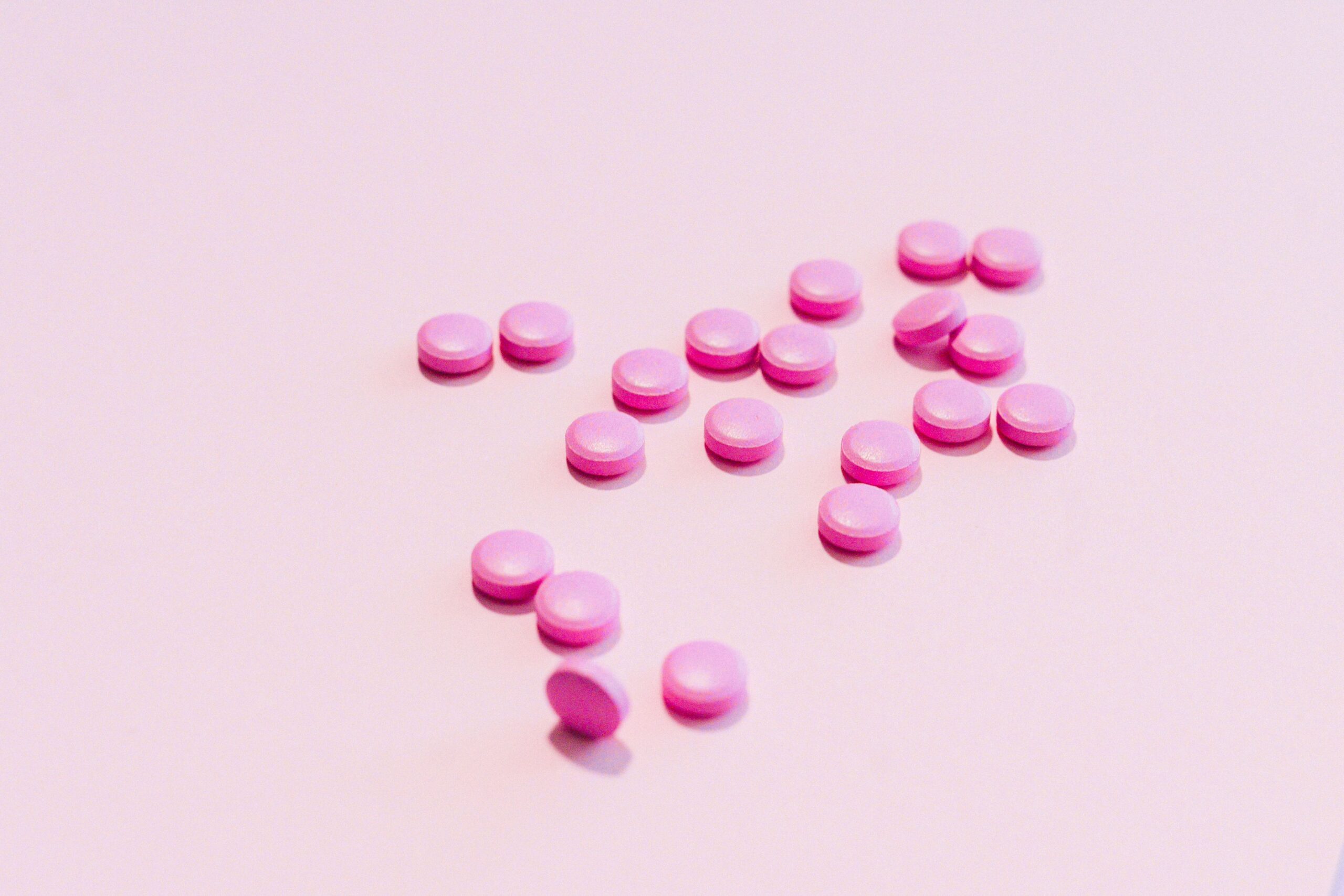
When people search for what is the contraceptive pill, they are usually looking for a simple explanation of how birth control pills work, what types are available, how effective they are, and whether they may be suitable for them. The contraceptive pill, commonly called “the pill,” is an oral contraceptive taken regularly to help prevent pregnancy. There is not just one type of contraceptive pill. The two main categories are combined oral contraceptive pills, which contain estrogen and progestin, and progestin-only pills, which contain progestin without estrogen.
Understanding what is the contraceptive pill is an important part of reproductive health education because contraception can help people plan whether and when they want to become pregnant. The contraceptive pill is reversible, does not require a procedure for insertion, and can be stopped when pregnancy is desired. However, different pills have different hormone formulations and instructions, and individual health factors can affect whether a particular pill is appropriate.
This comprehensive guide from Health2Organ explains what is the contraceptive pill, how it works, the main types, how effectiveness is affected by missed pills, possible side effects, potential health benefits and risks, contraception after childbirth, the relationship between contraceptive pills and fertility, and why contraceptive pills do not protect against sexually transmitted infections.
What Is the Contraceptive Pill?
So, what is the contraceptive pill? A contraceptive pill is an oral medicine taken regularly to reduce the chance of pregnancy. It contains hormones that interfere with the reproductive processes involved in conception. Depending on the type, the pill may contain both estrogen and progestin or only progestin.
Combined oral contraceptives are often simply called “the pill.” They contain low doses of two hormones, estrogen and progestin. Progestin-only pills, sometimes called mini-pills, contain only progestin and do not contain estrogen.
The contraceptive pill is different from emergency contraception. Regular contraceptive pills are intended to be used on an ongoing schedule to prevent pregnancy, while emergency contraception is designed to reduce the chance of pregnancy after unprotected sex or contraceptive failure. These are separate concepts and should not automatically be treated as interchangeable.
For someone asking what is the contraceptive pill, the most important point is that the term describes a category of oral contraceptives rather than one single product. Different formulations may have different instructions, hormone combinations, and suitability depending on a person’s health and reproductive circumstances.
Why Is It Important to Understand What Is the Contraceptive Pill?
Knowing what is the contraceptive pill can help people make more informed reproductive health decisions. Contraception is not simply about preventing pregnancy. Family planning allows individuals and couples to determine the number and spacing of pregnancies they want, and access to contraception is an important component of reproductive healthcare.
People may have different reasons for choosing a contraceptive method. Some may want to postpone pregnancy for several years, while others may want to space pregnancies. Some people may prefer a daily method because they want control over when they use contraception. Others may prefer a method that does not require remembering a pill every day.
Learning what is the contraceptive pill also helps people understand that contraceptive choices are individual. A method that works well for one person may not be appropriate for another. Medical history, age, smoking status, breastfeeding, medications, cardiovascular risk factors, and other circumstances can influence contraceptive choices.
This is why reliable reproductive health information should explain both the advantages and limitations of the contraceptive pill rather than presenting it as universally suitable.
What Are the Main Types of Contraceptive Pills?
When discussing what is the contraceptive pill, it is useful to understand the two major categories. The first is the combined oral contraceptive pill, which contains estrogen and progestin. The second is the progestin-only pill, which contains progestin without estrogen.
Combined oral contraceptives are available in several formulations. The amount and type of hormones can vary between products. Some combined pills provide the same hormone dose throughout the active pills, while others vary hormone levels during the cycle.
Progestin-only pills are also known as mini-pills. Because they do not contain estrogen, they can be an option for some people who should avoid estrogen-containing contraception. However, whether a progestin-only pill is appropriate still depends on individual circumstances.
Therefore, the answer to what is the contraceptive pill is broader than the name of a single medicine. The term includes different formulations designed to prevent pregnancy through hormonal mechanisms.
What Is a Combined Contraceptive Pill?
A combined contraceptive pill contains two types of hormones: estrogen and progestin. It is one of the most widely recognized forms of oral contraception and is commonly referred to simply as “the pill.”
The combined pill primarily works by preventing ovulation, meaning it helps prevent the ovaries from releasing an egg. Hormonal changes also affect cervical mucus and the reproductive environment, making it more difficult for sperm to reach an egg.
Different combined contraceptive pills can have different hormone formulations. This is one reason people should not assume that instructions for one brand automatically apply to another.
For someone researching what is the contraceptive pill, the combined pill is an important example because it demonstrates why “the pill” is a general term rather than the name of a single medication.
What Is a Progestin-Only Contraceptive Pill?
A progestin-only pill contains progestin and does not contain estrogen. It is often called the mini-pill. Progestin-only pills work primarily by changing cervical mucus and can also interfere with ovulation, depending on the formulation.
One important characteristic of progestin-only pills is that timing can matter significantly. Some formulations require particularly consistent daily use, and taking a pill later than recommended can reduce contraceptive protection. The exact timing rules depend on the specific product.
People who are breastfeeding may be offered progestin-only contraception because estrogen-containing methods are not suitable for everyone during the postpartum period. However, individual timing and medical considerations should be discussed with a healthcare professional.
Understanding what is the contraceptive pill therefore means understanding that the mini-pill is another important category with different characteristics from combined oral contraceptives.
How Does the Contraceptive Pill Work?
One of the most common questions after what is the contraceptive pill is how it actually prevents pregnancy.
Hormonal contraceptive pills work mainly by interfering with ovulation and changing the reproductive environment. Combined oral contraceptives primarily prevent the release of an egg from the ovary. Hormonal contraception can also thicken cervical mucus, which makes it harder for sperm to move through the cervix.
The exact mechanism can vary according to the type of pill. Progestin-only pills primarily affect cervical mucus and may also suppress ovulation. Because different formulations work somewhat differently, it is important to follow the instructions for the specific pill being used.
The contraceptive pill does not work by ending an established pregnancy. It is designed to prevent pregnancy from occurring. This distinction is particularly important when researching what is the contraceptive pill, because contraception and medication used to end an existing pregnancy are medically different concepts.
How Effective Is the Contraceptive Pill?
Effectiveness is one of the main reasons people search for what is the contraceptive pill. Oral contraceptives can be highly effective when used correctly and consistently, but effectiveness depends heavily on how regularly the pills are taken.
According to WHO, combined oral contraceptives have about one pregnancy per 100 users per year with correct use, while typical use results in approximately four to seven pregnancies per 100 users per year. WHO notes that the mini-pill can also be highly effective when taken correctly, while missed or late pills increase pregnancy risk.
CDC guidance gives a typical-use estimate of approximately seven pregnancies per 100 users in the first year for both combined hormonal contraception and progestin-only pills.
These numbers demonstrate why taking the contraceptive pill consistently matters. No contraceptive method should be described as providing an absolute guarantee against pregnancy.
For someone learning what is the contraceptive pill, understanding the difference between perfect or correct use and typical use is especially important.
Why Is Taking the Pill Every Day Important?
The contraceptive pill works best when it is taken according to the instructions for that specific product. Missing pills, taking them late, or starting a new pack incorrectly can reduce contraceptive protection.
For combined pills, the schedule may include active hormone pills and hormone-free or placebo days depending on the product. Some regimens use continuous or extended schedules. CDC guidance notes that combined hormonal contraceptives are often used for 21 to 24 consecutive days followed by 4 to 7 hormone-free days, although extended schedules are also used.
Progestin-only pills can have different timing requirements, so users should follow the instructions provided with their specific medication rather than applying general rules to every mini-pill.
If someone is learning what is the contraceptive pill, remembering that different pill formulations have different schedules is one of the most useful practical lessons.
What Happens If You Miss a Contraceptive Pill?
Missing a pill is a common concern among contraceptive users. The effect of a missed pill depends on the type of pill, how many pills were missed, and where the person is in the pill pack.
For this reason, there is no single answer that applies to every contraceptive pill. The package instructions for the specific product should be checked, and a healthcare professional or pharmacist can provide guidance when there is uncertainty.
People who have missed pills and had unprotected sex may also need to discuss emergency contraception, depending on the circumstances. Emergency contraceptive pills and regular daily contraceptive pills are not the same thing. WHO recognizes specific emergency contraception options, including levonorgestrel and ulipristal acetate, with timing being important.
Understanding what is the contraceptive pill therefore also means understanding how daily contraception differs from emergency contraception.
Does the Contraceptive Pill Protect Against STIs?
A very important part of understanding what is the contraceptive pill is knowing what it does not protect against.
The contraceptive pill is designed to prevent pregnancy. It does not protect against sexually transmitted infections, including HIV. WHO and CDC both recommend considering condoms when STI protection is needed.
This means someone may use the contraceptive pill for pregnancy prevention while also using condoms to reduce STI risk. These methods serve different purposes.
A person in a new sexual relationship or someone with possible STI exposure should consider appropriate testing and professional sexual health advice rather than assuming that hormonal contraception provides protection against infection.
What Are the Possible Side Effects of the Contraceptive Pill?
After learning what is the contraceptive pill, many people naturally want to know whether taking it can cause side effects.
Possible side effects can vary between individuals and between different formulations. WHO reports that some users experience changes in bleeding patterns, headaches, dizziness, nausea, mood changes, or breast tenderness. With progestin-only pills, irregular, prolonged, or absent bleeding can occur.
Side effects do not necessarily mean that the contraceptive pill is dangerous or unsuitable, but persistent or concerning symptoms should be discussed with a healthcare professional.
Some people find that side effects improve over time, while others may need a different formulation. Because there are several contraceptive pill options, healthcare professionals can sometimes recommend another formulation if a particular one is not well tolerated.
Can the Contraceptive Pill Change Your Period?
Yes, hormonal contraceptive pills can change menstrual bleeding patterns. Some people experience lighter bleeding, irregular bleeding, spotting, or changes in the timing of withdrawal bleeding.
The exact pattern depends on the type of contraceptive pill and how it is used. Progestin-only pills can be particularly associated with changes in bleeding patterns. WHO notes that irregular or absent bleeding can occur with mini-pill use.
These changes can be unexpected, especially for someone who has never used hormonal contraception before. Understanding what is the contraceptive pill therefore includes understanding that hormonal contraception can alter the usual menstrual pattern.
If bleeding is unusually heavy, persistent, painful, or otherwise concerning, medical advice should be obtained.
Can the Contraceptive Pill Help With Menstrual Symptoms?
Some people use contraceptive pills not only for pregnancy prevention but also because hormonal contraception can affect menstrual symptoms.
WHO reports that oral contraceptives may help reduce menstrual cramps, heavy menstrual bleeding, and ovulation-related pain in some users. They can also have benefits related to conditions such as endometriosis or symptoms associated with polycystic ovary syndrome in some circumstances.
However, these potential benefits should not be interpreted as meaning that every contraceptive pill is a treatment for every menstrual or reproductive condition.
A healthcare professional can determine whether a particular hormonal contraceptive may be appropriate based on symptoms and medical history.
Does the Contraceptive Pill Cause Infertility?
One of the most common concerns surrounding what is the contraceptive pill is whether taking it can permanently affect fertility.
Current WHO information states that fertility returns quickly after stopping either combined oral contraceptives or progestin-only pills, with no expected delay in return of fertility caused by the pills themselves.
This means that the contraceptive pill is considered a reversible method of contraception. It is intended to prevent pregnancy while being used, rather than permanently preventing future pregnancy.
However, fertility naturally varies between individuals and can change with age and other reproductive or health factors. If someone has difficulty becoming pregnant after stopping contraception, a healthcare professional can help determine whether another factor may be involved.
Can You Take the Contraceptive Pill for Many Years?
For many people, oral contraceptives can be used for extended periods when medically appropriate. WHO states that there is no need for a routine “rest” from oral contraceptive pills and that they can be used safely for many years by appropriate users under medical guidance.
However, suitability can change over time. A person’s age, smoking status, medications, health conditions, blood pressure, pregnancy plans, and other factors may change the balance of benefits and risks.
This is why learning what is the contraceptive pill should include the idea that contraceptive suitability should be reassessed when relevant circumstances change.
What Are the Health Benefits of the Contraceptive Pill?
The contraceptive pill has effects beyond pregnancy prevention for some users.
WHO reports that oral contraceptives can reduce the risk of ovarian and endometrial cancers and may help with menstrual cramps, heavy bleeding, ovulation pain, and some symptoms associated with endometriosis and polycystic ovary syndrome.
These benefits can be important, but they should be understood alongside potential risks. Hormonal contraception affects different people differently, and a healthcare professional can help determine whether a particular formulation fits a person’s medical profile.
Therefore, when researching what is the contraceptive pill, it is better to think of it as a reproductive health medicine with multiple effects rather than simply a pregnancy-prevention tablet.
What Are the Risks of Combined Contraceptive Pills?
Combined contraceptive pills contain estrogen, and estrogen-containing contraception is not appropriate for everyone.
WHO reports that rare risks associated with oral contraceptives can include blood clots, stroke, and heart attack. Certain medical conditions and risk factors can make estrogen-containing contraception less suitable.
CDC’s medical eligibility guidance considers a range of individual characteristics and health conditions when evaluating combined hormonal contraceptive use.
This does not mean that combined contraceptive pills are unsafe for everyone. Many people can use them safely. Instead, it highlights why individual assessment matters.
Someone researching what is the contraceptive pill should not choose a particular hormonal formulation solely because it worked for a friend or because it is widely advertised.
Who May Need Extra Medical Advice Before Taking the Pill?
A healthcare professional should consider personal medical history before recommending a particular contraceptive pill. Factors such as smoking, age, previous blood clots, cardiovascular conditions, certain types of migraine, breastfeeding status, medications, and other medical conditions may affect which contraceptive options are appropriate.
CDC’s U.S. Medical Eligibility Criteria provides detailed recommendations for determining whether specific contraceptive methods are suitable under different medical circumstances.
This is one reason that the question what is the contraceptive pill should not automatically be followed by “which pill should I take?” The second question requires individual medical context.
A qualified healthcare provider or pharmacist can review relevant factors and help identify an appropriate contraceptive option.
Is the Contraceptive Pill Suitable During Breastfeeding?
Breastfeeding can influence contraceptive choices, particularly during the period shortly after childbirth.
Progestin-only pills can be used during breastfeeding, and WHO notes that they do not affect milk production.
Combined hormonal contraception containing estrogen may have different timing considerations after childbirth and during breastfeeding. WHO’s current oral contraceptive information provides specific guidance depending on whether a person is partially or fully breastfeeding.
Because postpartum health circumstances can vary, someone who has recently given birth should discuss contraception with a qualified healthcare professional rather than choosing a pill based only on general online information.
What Is the Difference Between Regular and Emergency Contraceptive Pills?
The terms can sound similar, but regular contraceptive pills and emergency contraceptive pills serve different purposes.
Regular contraceptive pills are taken on an ongoing schedule to prevent pregnancy. Emergency contraceptive pills are used after unprotected sex or contraceptive failure to reduce the chance of pregnancy.
WHO identifies levonorgestrel and ulipristal acetate as emergency contraceptive options and notes that emergency contraception should be used as soon as possible within the recommended time window.
Someone searching what is the contraceptive pill should therefore be careful when reading online information because articles about daily contraception and emergency contraception may appear in the same search results.
The right option depends on the situation, timing, and individual circumstances.
Can the Contraceptive Pill Be Stopped?
Yes. Oral contraceptives are reversible methods. A person can stop taking the pill when they no longer want to use it, although pregnancy can become possible after stopping because fertility returns quickly.
Someone who stops the contraceptive pill but does not want pregnancy should consider another effective contraceptive method immediately, depending on the circumstances.
People planning pregnancy can also discuss preconception health with a healthcare professional, especially if they have chronic medical conditions or take medicines that may need review.
This reversibility is one of the important characteristics to understand when learning what is the contraceptive pill.
What Happens to Fertility After Stopping the Pill?
Fertility generally returns quickly after stopping oral contraceptives. WHO specifically states that there is no delay in return of fertility after stopping either combined oral contraceptives or progestin-only pills.
Some people may experience changes in their menstrual cycle after stopping hormonal contraception, particularly if their natural cycles were irregular before starting the pill. This does not necessarily mean the pill caused infertility.
If periods do not return or pregnancy does not occur when expected, a healthcare professional can evaluate the situation and consider other possible factors.
How Does the Pill Compare With Other Contraceptive Methods?
Understanding what is the contraceptive pill is easier when it is considered alongside other contraception options.
Other methods include condoms, intrauterine devices, implants, injections, vaginal rings, patches, fertility-awareness methods, and permanent contraception. WHO describes contraception as a broad range of temporary and permanent options designed to help prevent unintended pregnancy.
Each method has different characteristics. Pills require regular user action. Long-acting reversible methods such as implants and certain intrauterine devices require less frequent action after placement. Condoms have the additional advantage of helping protect against sexually transmitted infections.
There is no need for every person to use the same method. The most appropriate option depends on health, reproductive goals, convenience, access, preferences, and other circumstances.
How Can Someone Choose the Right Contraceptive Method?
The best contraceptive choice is usually based on individual circumstances rather than a universal ranking of methods.
Someone considering the pill can discuss pregnancy plans, medical history, menstrual symptoms, breastfeeding, medications, STI concerns, and preferred routine with a healthcare professional.
If remembering a daily pill is difficult, another contraceptive method may be more convenient. If STI protection is important, condoms may be needed even when another contraceptive method is being used.
Understanding what is the contraceptive pill can help people enter these conversations with better information, but personal medical assessment remains important.
Common Myths About the Contraceptive Pill
Many myths circulate online about hormonal contraception. One common misconception is that contraceptive pills permanently cause infertility. WHO states that fertility returns quickly after stopping oral contraceptives.
Another misconception is that everyone experiences the same side effects. In reality, experiences vary between individuals and formulations.
Another common misunderstanding is that the pill protects against sexually transmitted infections. It does not. Condoms are the contraceptive method specifically recognized for providing protection against both pregnancy and STI transmission.
There is also a misconception that every contraceptive pill contains the same hormones. In reality, combined pills and progestin-only pills are different categories, and individual formulations can vary.
Learning what is the contraceptive pill from reliable health sources can help replace these myths with accurate information.
What Should You Do Before Starting a Contraceptive Pill?
Before starting a contraceptive pill, it is useful to understand the type of pill, how it should be taken, what to do if a pill is missed, possible side effects, and whether any medical conditions or medications could affect its suitability.
A healthcare professional can review personal risk factors and recommend an appropriate option. Depending on the situation, blood pressure measurement or other assessment may be relevant.
People should also understand that starting a contraceptive pill does not provide STI protection.
Taking time to learn what is the contraceptive pill before starting one can make daily use easier and reduce confusion about missed pills, side effects, or changes in bleeding.
Why Consistency Matters for Contraceptive Protection
The contraceptive pill depends on consistent use. A person who frequently forgets pills may have a higher chance of pregnancy than someone who takes them correctly.
WHO emphasizes daily and timely use of oral contraceptives, noting that the mini-pill in particular requires careful adherence to its timing instructions.
People can use practical reminders such as phone alarms, linking pill-taking to a regular daily routine, or keeping the medication in an appropriate place where it will be remembered.
The exact instructions should always come from the product information or healthcare professional because different pills have different requirements.
What Should You Know About Contraceptive Pills and Pregnancy?
The purpose of a contraceptive pill is to prevent pregnancy, but no method is 100 percent effective under all real-world circumstances.
If someone using oral contraception thinks they may be pregnant, they can take an appropriate pregnancy test and speak with a healthcare professional. A healthcare provider can help determine the next appropriate step.
A person who becomes pregnant while taking a contraceptive pill should not automatically assume that the pregnancy will have a particular outcome. Individual medical advice is appropriate.
This is another important point when considering what is the contraceptive pill. Contraception reduces the chance of pregnancy; it does not make pregnancy biologically impossible.
Reproductive Health and Family Planning
Reproductive health involves informed access to contraception, pregnancy care, fertility services, sexual health services, and appropriate medical information.
WHO explains that family planning allows people to determine the number and spacing of their children and identifies contraception as an important component of reproductive health.
The contraceptive pill can be one option within this broader system of reproductive healthcare.
Understanding what is the contraceptive pill can help people discuss contraception more confidently, but reproductive health decisions often involve several factors. A person’s health, relationship circumstances, pregnancy plans, STI risk, and access to healthcare can all influence contraceptive needs.
When Should You Talk to a Healthcare Professional?
Professional advice is particularly important if someone has a medical condition, takes regular medicines, has recently given birth, is breastfeeding, has experienced blood clots, has certain migraine patterns, smokes and is considering estrogen-containing contraception, or is uncertain which contraceptive option is suitable.
A healthcare professional can also help if side effects are persistent or troubling, if periods change unexpectedly, or if there are concerns about pregnancy.
When searching what is the contraceptive pill, online information can provide general education, but it cannot replace an individual medical assessment.
FAQs
What is the contraceptive pill?
What is the contraceptive pill? The contraceptive pill is an oral hormonal contraceptive taken regularly to help prevent pregnancy. The two major types are combined oral contraceptives containing estrogen and progestin and progestin-only pills containing only progestin. Both are reversible methods, but their instructions and suitability can differ.
How does the contraceptive pill prevent pregnancy?
The contraceptive pill primarily works by preventing ovulation or interfering with the processes needed for sperm and egg to meet. Combined pills mainly prevent ovulation, while progestin-only pills primarily thicken cervical mucus and can also suppress ovulation depending on the formulation.
Does the contraceptive pill protect against STIs?
No. The contraceptive pill is intended to prevent pregnancy and does not protect against sexually transmitted infections, including HIV. If STI protection is needed, condoms should be considered even when someone is using a contraceptive pill.
Does taking the contraceptive pill cause infertility?
Current WHO information indicates that fertility returns quickly after stopping oral contraceptive pills, with no expected delay caused by either combined pills or progestin-only pills. The contraceptive pill is considered a reversible method of contraception.
What should I do if I forget a contraceptive pill?
The correct response depends on the specific type of pill, how many pills were missed, and where you are in the pack. Check the instructions for your specific product or contact a pharmacist or healthcare professional for advice. Emergency contraception may be relevant in some situations after unprotected sex or contraceptive failure.
Final Thoughts on What Is the Contraceptive Pill
Understanding what is the contraceptive pill is an important part of learning about reproductive health and family planning. The contraceptive pill is a daily oral method designed to reduce the chance of pregnancy, and there are two major categories: combined oral contraceptives containing estrogen and progestin and progestin-only pills containing progestin without estrogen.
The pill can be highly effective when used correctly and consistently, but missed or late pills can reduce protection. Different formulations also have different instructions, so people should follow the information provided for their specific medicine rather than assuming that every contraceptive pill works in exactly the same way.
The contraceptive pill may provide benefits beyond pregnancy prevention for some users, including changes in menstrual bleeding and reduced menstrual cramps. At the same time, hormonal contraception can have side effects and, for some people, important medical risks. Combined pills containing estrogen are not appropriate for everyone, which makes individual medical assessment important.
Another essential point is that the contraceptive pill does not protect against sexually transmitted infections. Condoms may be needed when STI protection is important.
If you have been searching what is the contraceptive pill, the key takeaway is that it is not one single medicine. It is a category of hormonal oral contraceptives with different formulations and instructions. Understanding the differences can help you have a more informed conversation with a healthcare professional about contraception and reproductive health.
Reliable information, consistent use, and appropriate healthcare support are all important parts of responsible contraceptive care. For personalized advice about whether a particular contraceptive pill is appropriate for you, consult a qualified healthcare professional or pharmacist who can consider your individual medical history and reproductive goals.