

Blog
What Does Hydrocodone Do? Uses, Effects, and Risks


A doctor writes a prescription, and the pharmacist hands you a small bottle with a label that lists the medication’s name, strength, and instructions for use. The name on the label is hydrocodone. You may have heard about this medication in connection with surgery, serious injuries, dental procedures, or other conditions that cause significant pain. Although it is a commonly discussed prescription opioid, you may still have questions about what hydrocodone actually does inside the body, how it affects the nervous system, and why doctors prescribe it for certain medical conditions. Understanding how this medication works can help you recognize its intended benefits, possible side effects, and important safety considerations.
Hydrocodone is a prescription opioid medication that primarily works by changing how the brain and spinal cord process pain signals. Rather than directly treating every underlying cause of pain, it changes the way the nervous system responds to those signals, which can make pain feel less intense. Certain prescription formulations also contain other medications, such as acetaminophen, while hydrocodone is available in different products designed for specific medical purposes. Depending on the formulation, it may be prescribed for pain management, and some products have also been used to relieve coughing. However, its effects vary from person to person, and its benefits must be carefully balanced against the possibility of unwanted reactions.
Although hydrocodone can provide meaningful relief when prescribed appropriately, it also carries important risks. It may cause drowsiness, dizziness, nausea, constipation, and impaired alertness. More serious complications include dangerously slowed breathing, particularly when the medication is misused or combined with alcohol, sedatives, or other substances that depress the central nervous system. Repeated use can also lead to physical dependence, and opioid medications carry a risk of addiction. These concerns make it essential to understand the medication before using it and to follow the instructions provided by a qualified healthcare professional.
This guide explains what hydrocodone does in the body in clear, straightforward language. You will learn how it interacts with the nervous system, which conditions it may be prescribed to treat, what its effects can feel like, and which side effects deserve attention. We will also discuss the differences between expected effects and serious warning signs, explain why individual responses can vary, and outline practical safety principles for people who have been prescribed this medication. By understanding both the potential benefits and the risks, you can make more informed decisions and have more productive conversations with your doctor or pharmacist about your treatment.
The Quick Answer: What Does Hydrocodone Do?
Hydrocodone does three main things:
- Relieves moderate to severe pain. This is its main use.
- Suppresses cough. Certain prescription cough products for adults contain it.
- Slows the central nervous system. This causes drowsiness, slowed breathing, and a calm feeling, which are both part of its effect and part of its risk.
It does not heal the cause of pain. It changes how your body perceives pain while the underlying problem, such as an incision or a broken bone, heals.
What Is Hydrocodone?
Hydrocodone is a semi-synthetic opioid analgesic, which means it is made in a laboratory from a natural opioid compound. In many countries, including the United States, it is a controlled substance because of its potential for misuse and dependence.
Common Forms
- Hydrocodone with acetaminophen: The most common pain tablet.
- Hydrocodone with ibuprofen: A combination with an anti-inflammatory drug.
- Extended-release hydrocodone: A single-ingredient product for severe, ongoing pain in people who already tolerate opioids.
- Hydrocodone cough products: Prescription liquids or tablets for adults, usually combined with another ingredient.
Why It Is Combined With Other Drugs
Pairing hydrocodone with acetaminophen or ibuprofen allows doctors to use a smaller amount of opioid while still getting good pain control. Each ingredient works in a different way.
How Does Hydrocodone Work in the Body?
Opioid Receptors
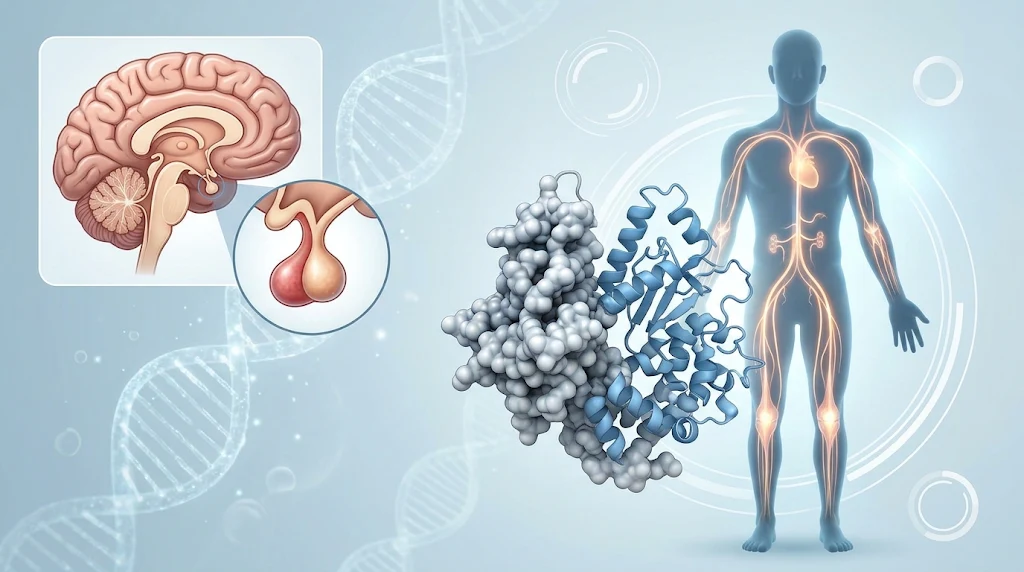
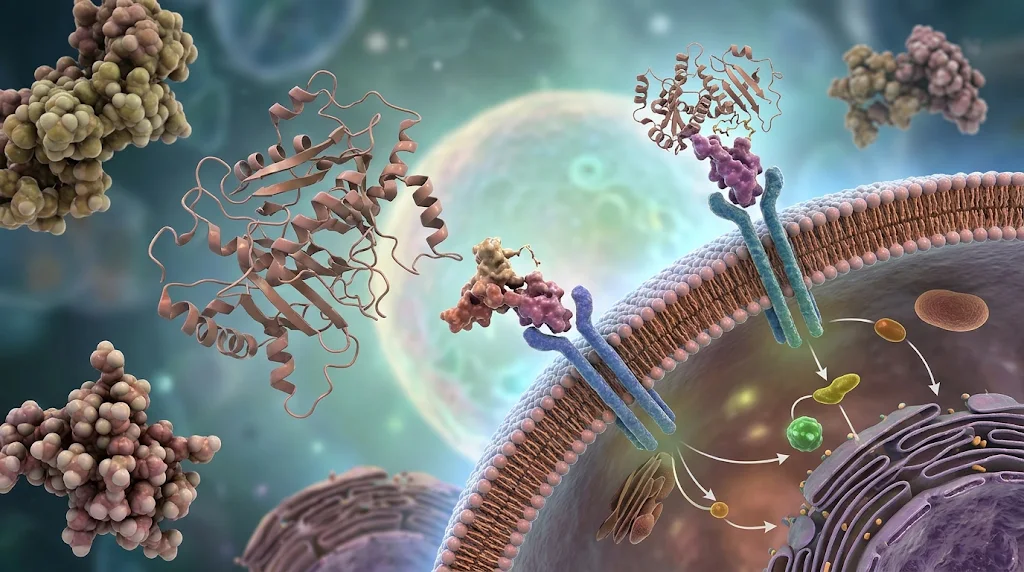
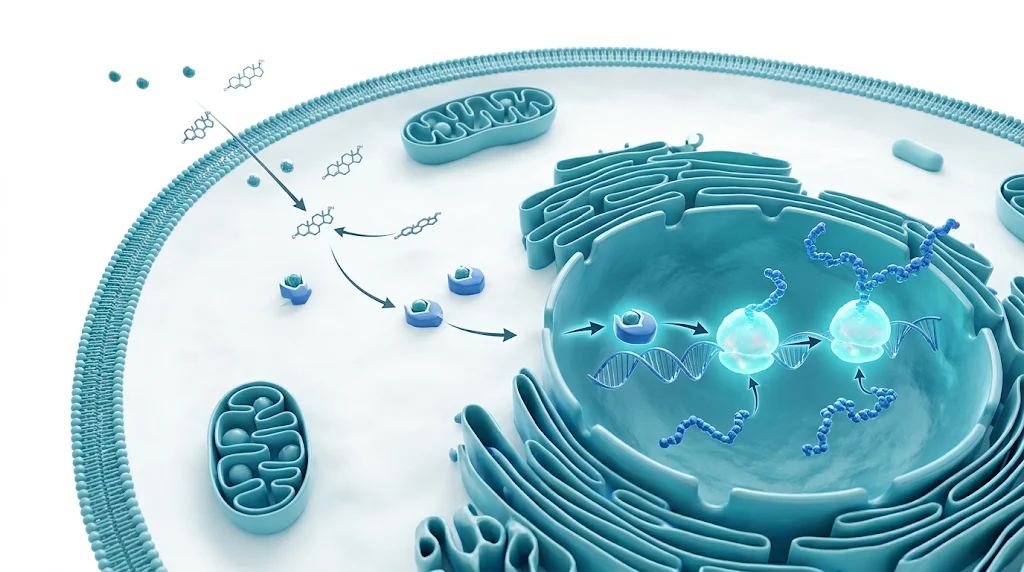
Your brain, spinal cord, and digestive tract contain opioid receptors. Your body’s own natural painkillers, called endorphins, fit into these receptors. Hydrocodone mimics them. When it attaches to the mu-opioid receptor, it reduces the transmission of pain signals and changes how the brain interprets them.
The Journey Through the Body
- You swallow the tablet.
- It dissolves and is absorbed in the stomach and small intestine.
- The drug passes through the liver, where enzymes such as CYP3A4 and CYP2D6 change part of it.
- It travels in the blood to the brain and spinal cord.
- It attaches to opioid receptors and reduces pain perception.
- The liver and kidneys gradually clear it from the body.
Timeline
Immediate-release hydrocodone usually starts working in about 30 to 60 minutes, peaks in about one to two hours, and lasts around four to six hours. Extended-release products are designed to last about 12 hours or longer.
What Conditions Does Hydrocodone Treat?
Pain After Surgery
Surgery causes tissue damage and inflammation. For a short period, hydrocodone may be prescribed when other pain relievers are not enough.
Pain From Injuries
Fractures, severe sprains, and other injuries can cause intense pain. Doctors may use hydrocodone for a short time while the injury begins to heal.
Dental Pain
Procedures such as tooth extractions or oral surgery sometimes call for a short course of an opioid, usually along with non-opioid medicines.
Severe Ongoing Pain
Extended-release hydrocodone may be used for severe pain that needs around-the-clock treatment, when other options have not worked. This use is carefully controlled.
Cough
In certain prescription products for adults, hydrocodone helps suppress the cough reflex. Doctors generally reserve such products for cases where other treatments are not appropriate.
What Does Hydrocodone Feel Like?
People describe the experience differently. Common sensations include:
- Pain that feels duller or farther away
- A sense of calm or relaxation
- Heaviness or sleepiness
- Slower thoughts and reactions
- Mild lightheadedness
Some people feel uneasy, nauseated, or itchy instead. Feeling “high” or euphoric is possible, and it is one reason opioids can be misused. That feeling is not a sign of a better pain treatment, and it should be reported to your doctor if it worries you.
Effects on Different Parts of the Body
Brain and Nervous System
Hydrocodone reduces pain, causes drowsiness, and can impair concentration and judgment. High amounts slow breathing and can cause loss of consciousness.
Lungs and Breathing
Opioids reduce the brain’s drive to breathe. At normal prescribed doses this is usually mild, but it can become dangerous when the dose is too high or when other sedatives are involved.
Stomach and Intestines
Opioids slow the movement of the gut. This causes constipation, nausea, and sometimes vomiting. Constipation is one of the most common long-lasting side effects.
Cough Reflex
Hydrocodone lowers the urge to cough, which is why it appears in some cough products.
Eyes
Opioids often cause small pupils, a sign doctors watch for in a suspected overdose.
Skin and Immune Response
Some people develop itching or flushing. This can happen because opioids trigger the release of histamine, and it is not always a true allergy.
Mood
Hydrocodone can cause calmness, but it may also cause irritability, anxiety, or low mood in some people, especially when the dose wears off or is stopped suddenly after regular use.
Common Side Effects
Most side effects are mild to moderate and are most noticeable when you start the drug.
- Drowsiness
- Dizziness
- Nausea and vomiting
- Constipation
- Dry mouth
- Headache
- Itching
- Sweating
- Confusion or slowed thinking
Tips to Manage Mild Side Effects
- For constipation: Drink fluids, eat fiber, move as your doctor allows, and ask about a stool softener or laxative.
- For nausea: Take the tablet with a small snack unless told otherwise.
- For dizziness: Stand up slowly.
- For drowsiness: Avoid driving and avoid other sedating products.
Serious Risks and Warnings
Hydrocodone labels include a boxed warning, the most serious type of safety notice. The main concerns are described below.
Addiction, Abuse, and Misuse
Opioids can cause physical dependence and addiction even when used as prescribed. The risk is higher with higher doses, longer use, a personal or family history of substance use, or mental health conditions.
Life-Threatening Breathing Problems
Respiratory depression can occur at any time, but the risk is highest when you first start the medicine, after a dose increase, or when combined with alcohol or other sedatives.
Accidental Ingestion
Even one dose of hydrocodone can be fatal to a child who takes it by accident. Store it securely.
Dangerous Combinations
Mixing hydrocodone with benzodiazepines, alcohol, sleep medicines, or other sedating drugs can cause profound sedation, breathing trouble, coma, and death.
Drug Interactions
Some medicines block the enzyme CYP3A4 and can raise hydrocodone levels in the blood. Examples include certain antibiotics and antifungals. Always give your pharmacist a full medicine list.
Acetaminophen Toxicity
If your tablet includes acetaminophen, taking too much from all sources can damage the liver.
Neonatal Opioid Withdrawal Syndrome
If used regularly during pregnancy, hydrocodone can cause withdrawal in the newborn after birth.
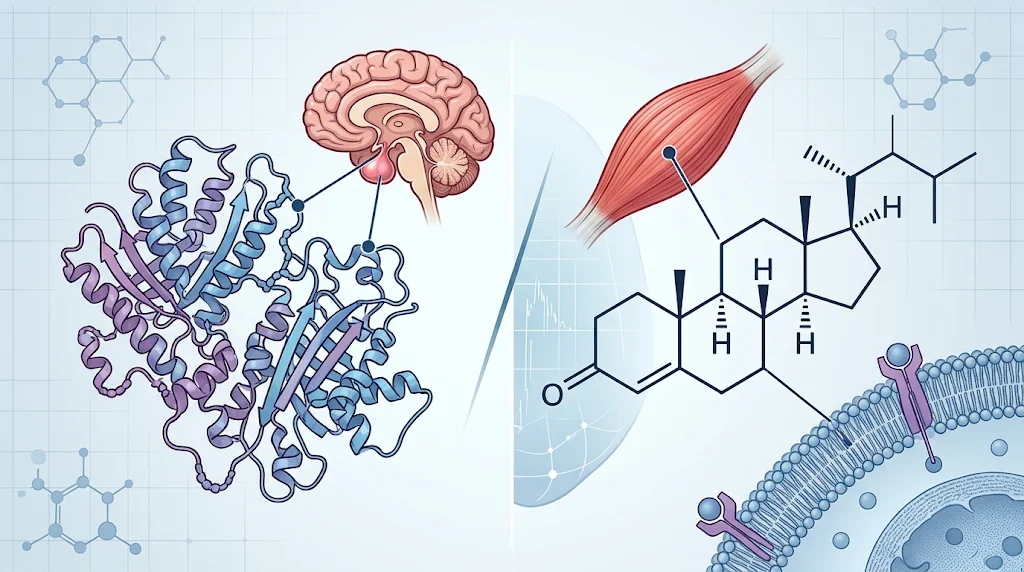
Adrenal and Hormone Effects
Long-term opioid use can affect hormones in some people, which may cause fatigue, low libido, or other symptoms.
Signs of an Overdose
Get emergency help right away if you or someone near you has:
- Extreme sleepiness or cannot be woken
- Slow, shallow, or stopped breathing
- Blue or gray lips or fingertips
- Very small pupils
- A limp body, cold, clammy skin
- Gurgling or choking sounds
In the United States, call 911. Poison Control is available at 1-800-222-1222. If naloxone is available and you know how to use it, give it as directed while waiting for help. Naloxone can temporarily reverse opioid effects, but the opioid may outlast it, so emergency care is still needed.
Who Should Not Take Hydrocodone?
Hydrocodone is not right for everyone. Your doctor may avoid it, or use special care, if you:
- Are allergic to hydrocodone or other opioids
- Have severe asthma or serious breathing problems
- Have a blockage in the stomach or intestines
- Have taken certain antidepressants called MAOIs recently
- Have a history of substance use disorder
- Have severe liver or kidney disease
- Have sleep apnea or low blood pressure
- Are pregnant or breastfeeding
- Are an older adult, who may be more sensitive to side effects
Hydrocodone cough products have additional restrictions for children, and many are not recommended for young patients. Always follow a doctor’s guidance.
Tolerance, Dependence, and Withdrawal
Tolerance
With repeated use, your body may need more of the drug to get the same effect. Tolerance to pain relief can develop, but tolerance to breathing effects may not keep pace, which is why taking more on your own is dangerous.
Physical Dependence
After regular use, your body adapts to the drug’s presence. If you stop suddenly, you may feel withdrawal symptoms. Dependence is a normal body response and is different from addiction, although the two can occur together.
Withdrawal Symptoms
- Restlessness and anxiety
- Muscle aches and sweating
- Runny nose and watery eyes
- Yawning and trouble sleeping
- Nausea, vomiting, and diarrhea
- Goosebumps and cramps
Do not stop hydrocodone suddenly after regular use without medical guidance. A gradual reduction is safer and more comfortable.
Getting Help for Misuse or Addiction
If you feel you cannot control your use, tell your doctor. Treatment works, and many people recover. In the United States, the SAMHSA National Helpline at 1-800-662-4357 is free, confidential, and available at any hour.
How to Use Hydrocodone Safely
- Take it exactly as prescribed. Do not change the dose or timing.
- Use the lowest dose for the shortest time.
- Do not mix with alcohol or sedatives.
- Do not drive until you know how it affects you.
- Swallow extended-release products whole. Never crush, chew, or dissolve them.
- Track acetaminophen from all products.
- Never share your medicine.
- Store it locked and out of reach of children and pets.
- Dispose of leftovers through a take-back program.
- Ask about naloxone and keep it at home if offered.
Non-Drug Ways to Support Pain Relief
Hydrocodone is more effective, and often needed for a shorter time, when combined with other approaches:
- Ice or heat as advised
- Elevation and rest for injuries
- Gentle movement and physical therapy
- Relaxation, breathing exercises, and distraction
- Good sleep habits
- Non-opioid medicines such as acetaminophen or anti-inflammatories when safe
Ask your care team about a full pain plan.
Myths About Hydrocodone
Myth: Hydrocodone cures the pain problem. It reduces pain signals while the body heals. It does not treat the cause.
Myth: It is safe because a doctor prescribed it. Prescription opioids can cause serious harm when misused or combined with other substances.
Myth: If it is not working, I should take more. Extra doses raise the risk of overdose. Call your doctor instead.
Myth: Only people who misuse opioids become dependent. Physical dependence can occur with regular use even when taken as directed.
Questions to Ask Your Doctor
- Why is hydrocodone the right choice for my pain?
- How long should I take it?
- What side effects should I expect, and which need a call to you?
- Which of my other medicines could interact with it?
- Should I have naloxone at home?
- How will we stop the medicine when I no longer need it?
Conclusion
So, what does hydrocodone do? It reduces moderate to severe pain by acting on opioid receptors in the brain and spinal cord, and in some products it also suppresses cough. It does this by slowing parts of the nervous system, which is why drowsiness, constipation, and slowed breathing can occur.
Used carefully and for a short time, it can be a helpful tool during recovery. Used carelessly, or mixed with alcohol and sedatives, it can be dangerous. Follow your prescription closely, store your medicine safely, and keep open communication with your care team.
This article is for general education only and does not replace professional medical advice. Follow your prescriber’s instructions and your medication label.
FAQ
What is hydrocodone used for?
Hydrocodone is an opioid medication used to treat moderate to severe pain. It may be prescribed for pain following surgery or an injury. Certain prescription formulations are also used to treat cough in adults. It should only be used as directed by a qualified healthcare professional.
Does hydrocodone treat inflammation?
No, hydrocodone reduces the perception of pain but does not reduce inflammation. It does not directly relieve swelling or treat the underlying cause of inflammation. Combination products containing ibuprofen can provide anti-inflammatory effects. A doctor can help determine which treatment is appropriate for your condition.
What does hydrocodone do to the brain?
Hydrocodone binds to opioid receptors in the brain and nervous system. It changes how the body processes pain signals, helping reduce discomfort. It can also cause drowsiness, dizziness, and slowed breathing. Taking more than prescribed can cause a life-threatening overdose.
Can hydrocodone make you feel high?
Yes, some people may experience feelings of relaxation or euphoria. These effects occur because hydrocodone acts on opioid receptors in the brain. Repeated use can increase the risk of dependence and addiction. Discuss unexpected effects or concerns with your healthcare professional.
Is hydrocodone a narcotic?
Yes, hydrocodone is commonly classified as a narcotic and is an opioid medication. It is used medically to manage certain types of pain. In the United States, hydrocodone is classified as a Schedule II controlled substance. Its use is regulated because it carries risks of misuse, dependence, and overdose.
Is hydrocodone addictive?
Yes, hydrocodone can cause physical dependence and addiction. The risk can increase with prolonged use, misuse, or taking higher doses than prescribed. Using it exactly as directed can help reduce, but not eliminate, these risks. Consult your doctor before making changes to your medication.









2 thoughts on “What Does Hydrocodone Do? Uses, Effects, and Risks”