

Blog
What Is Hydrocodone Acetaminophen? Uses, Risks, Safety


You open your prescription bag, take out the medication bottle, and read the label carefully: hydrocodone bitartrate and acetaminophen. There are two drug names listed for a single tablet, which may leave you wondering why both ingredients are included and what each one does. If your doctor prescribed this medication after surgery, an injury, a dental procedure, or another painful medical condition, understanding its ingredients can help you know what to expect from your treatment. Although the combination may look complicated at first, each ingredient has a specific role in helping manage pain.
Hydrocodone acetaminophen is a prescription pain medication that combines hydrocodone, an opioid analgesic, with acetaminophen, a widely used pain reliever and fever reducer. Hydrocodone works primarily by acting on opioid receptors in the central nervous system, changing how the brain and spinal cord process pain signals. Acetaminophen works through different mechanisms that are not fully understood, helping reduce pain and fever. When combined in one medication, these ingredients can provide pain relief through complementary actions. Doctors may prescribe this combination when a person’s pain requires a stronger treatment approach than some nonprescription pain relievers can provide alone.
However, having two active ingredients in one tablet also means that the medication has two sets of potential side effects and safety concerns. Hydrocodone can cause drowsiness, dizziness, nausea, constipation, physical dependence, and dangerously slowed breathing. Acetaminophen is generally well tolerated when used appropriately, but taking too much can cause severe liver damage, sometimes before noticeable symptoms develop. The risk can increase when someone unknowingly takes additional acetaminophen through other prescription medicines or over-the-counter products for pain, fever, colds, or flu.
This guide explains what hydrocodone acetaminophen is, how both ingredients work together, which types of pain it may be prescribed to treat, and what side effects you should understand before taking it. You will also learn about important medication interactions, precautions involving alcohol and other sedating substances, and the warning signs that require urgent medical attention. In addition, we will explore why the acetaminophen component deserves just as much attention as the opioid component, how to avoid accidentally doubling up on the same ingredient, and why following your prescription instructions is essential. By understanding the benefits, limitations, and risks of hydrocodone acetaminophen, you can have a more informed conversation with your healthcare professional about using it safely and appropriately.
The Quick Answer: What Is Hydrocodone Acetaminophen?
Hydrocodone acetaminophen is a combination prescription tablet or liquid that contains:
- Hydrocodone bitartrate, an opioid pain reliever that changes how the brain and spinal cord respond to pain.
- Acetaminophen, a non-opioid pain and fever reducer that is the active ingredient in Tylenol.
It is used for short-term treatment of moderate to severe pain when other options are not enough. It is a controlled substance in the United States, and it carries serious warnings about addiction, breathing problems, accidental ingestion, and liver damage.
Brand Names and Labels
You may see this medicine under several names.
Common Brand Names
- Norco
- Lortab
- Lorcet
- Vicodin, an older brand name that is no longer sold but is still widely recognized
Many pharmacies dispense generic versions that simply read “hydrocodone bitartrate and acetaminophen.”
How to Read the Strength on the Label
The label lists two numbers, such as one for hydrocodone and one for acetaminophen, in milligrams. In the United States, prescription combination tablets contain no more than 325 milligrams of acetaminophen per tablet. Hydrocodone amounts vary by product. Always check both numbers on your own label.
Why Labels Say “APAP”
Many prescriptions and charts abbreviate acetaminophen as APAP. If you see “APAP” on a label, it means acetaminophen.
How Does Hydrocodone Acetaminophen Work?
The two ingredients act in different ways, which is why combining them can work better than using one alone.
The Role of Hydrocodone
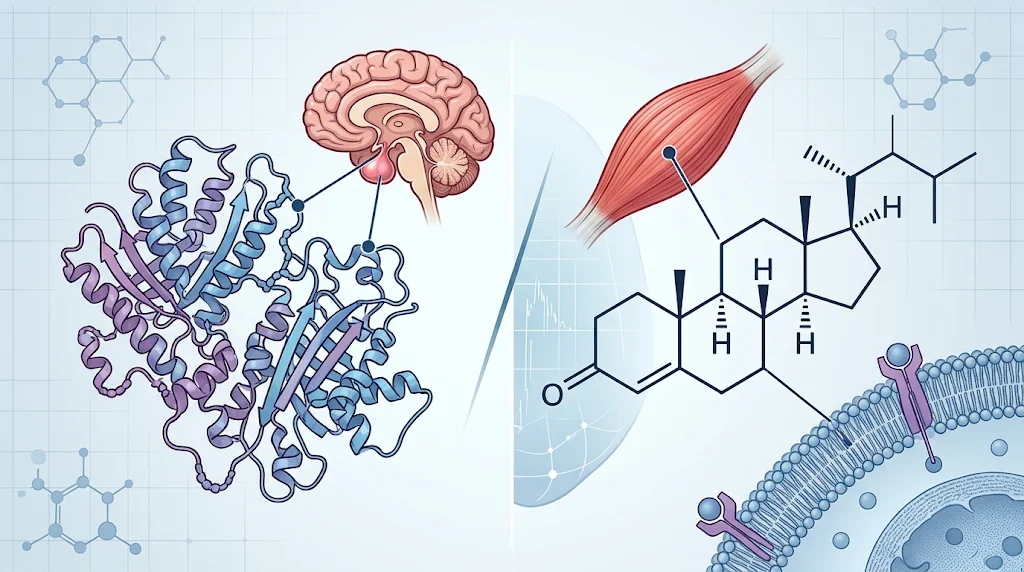
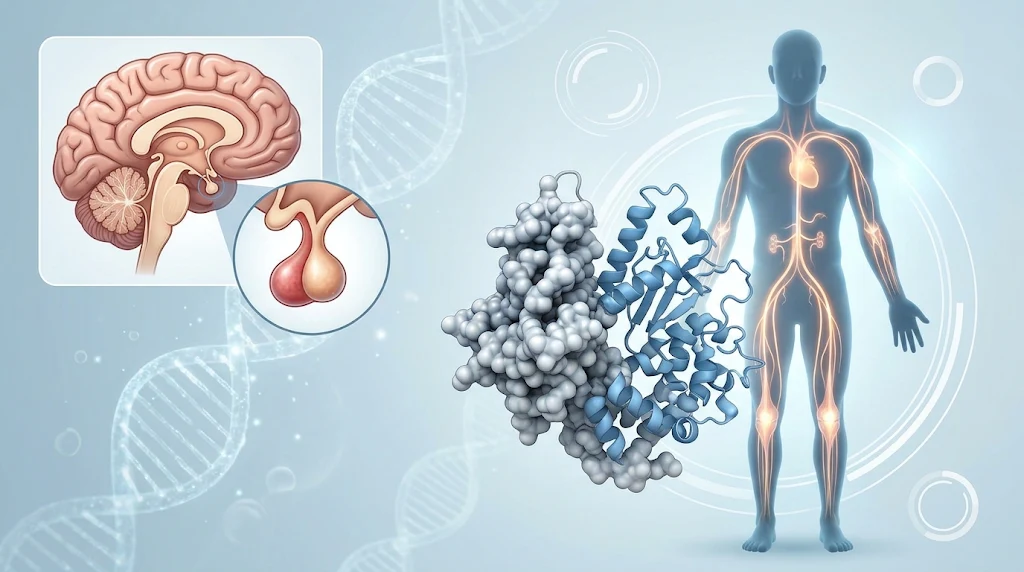
Hydrocodone binds to opioid receptors in the brain, spinal cord, and elsewhere. This changes the way pain signals are processed, so pain feels less intense. It also causes drowsiness, slows the gut, and can slow breathing.
The Role of Acetaminophen
Acetaminophen reduces pain and fever, mostly through actions in the brain. Scientists have not fully mapped every detail of how it works. Unlike ibuprofen or aspirin, it does not reduce inflammation much, and it is gentler on the stomach.
Why Combine Them?
Using two drugs with different mechanisms can provide stronger pain relief at lower opioid amounts. This may mean fewer opioid side effects than relying on an opioid alone.
Timing
Immediate-release combination tablets typically begin to work in about 30 to 60 minutes, reach their peak effect within one to two hours, and last around four to six hours.
What Is Hydrocodone Acetaminophen Used For?
Pain After Surgery
It is often prescribed for a short time after operations when pain is expected to be significant.
Pain From Injuries
Broken bones, severe sprains, and other injuries may call for a brief course.
Dental and Oral Surgery Pain
Dentists sometimes prescribe it after extractions or similar procedures, often together with non-opioid medicines.
Other Moderate to Severe Pain
Doctors may use it for other pain conditions when non-opioid treatments are not enough. Opioids are generally not the first choice for chronic pain.
What It Is Not Meant For
- Mild pain that over-the-counter medicines can handle
- Long-term use without close medical supervision
- Use by someone it was not prescribed for
Who Should Be Careful or Avoid It?
Tell your doctor and pharmacist before taking this medicine if any of the following apply to you.
Health Conditions
- Liver disease or heavy alcohol use
- Kidney disease
- Asthma, COPD, or sleep apnea
- A blockage or narrowing in the stomach or intestines
- Head injury or raised pressure in the brain
- Seizure disorders
- Low blood pressure
- A history of addiction or substance use disorder
- Mental health conditions such as severe depression
Medications
- Benzodiazepines, sleeping pills, and other sedatives
- Other opioid medicines
- Certain antidepressants, including MAOIs
- Medicines that affect the CYP3A4 enzyme, including some antibiotics, antifungals, and HIV drugs
- Any other product that contains acetaminophen
Special Populations
- Older adults: More sensitive to sedation, confusion, and falls.
- Pregnancy: Opioids can cause withdrawal in the newborn. Discuss risks with a clinician.
- Breastfeeding: Hydrocodone passes into breast milk and can cause drowsiness or breathing problems in a baby.
- Children and teens: Use is limited and carefully controlled. Never give this medicine to a child unless a doctor has prescribed it for that child.
Common Side Effects
Most side effects come from the hydrocodone part and are strongest when you first start.
- Drowsiness
- Dizziness or lightheadedness
- Nausea and vomiting
- Constipation
- Dry mouth
- Headache
- Itching
- Sweating
- Slowed thinking
Simple Ways to Cope
- Constipation: Drink fluids, add fiber, and ask about a stool softener or laxative.
- Nausea: Take the tablet with a small snack unless told otherwise.
- Dizziness: Stand up slowly.
- Drowsiness: Do not drive or use machinery until you know how it affects you.
The Acetaminophen Warning: Protecting Your Liver
The acetaminophen in this tablet is safe when used correctly, but it is a leading cause of liver injury when too much is taken.
Why It Is Easy to Take Too Much
Acetaminophen appears in hundreds of products, including:
- Cold, flu, and allergy medicines
- Sleep aids and “PM” products
- Headache and migraine relievers
- Other prescription pain tablets
If you take hydrocodone acetaminophen and also use one of these products, the amounts add up.
The Boxed Warning
The label carries a boxed warning about liver toxicity. Acute liver failure, sometimes leading to liver transplant or death, has been reported with acetaminophen, often in cases where more than the maximum daily amount was taken or where more than one acetaminophen-containing product was used.
How to Protect Yourself
- Read every label. Look for “acetaminophen,” “APAP,” or “paracetamol.”
- Know your daily limit. Your label and your doctor will give you a maximum. Do not go beyond it.
- Use only one acetaminophen product at a time unless your doctor tells you otherwise.
- Limit or avoid alcohol. Alcohol increases the risk of liver injury.
- Tell your doctor if you have liver disease or drink alcohol regularly.
- Keep a log of every dose.
Signs of Liver Trouble
Contact a doctor promptly if you notice:
- Yellowing of the skin or eyes
- Dark urine
- Pain in the upper right side of the abdomen
- Unusual tiredness, nausea, or loss of appetite
- Pale stools
Acetaminophen overdose can cause few symptoms at first. Serious liver damage may not appear for a day or more. If you think you took too much, call for help right away, even if you feel fine. A treatment exists, and it works best when started early.
Other Serious Warnings
Addiction, Abuse, and Misuse
Opioids can cause dependence and addiction, even when taken as directed. The risk goes up with higher doses, longer use, and a personal or family history of substance use.
Life-Threatening Breathing Problems
Opioids can slow breathing. The danger is greatest when you start treatment, after a dose change, or when you combine the medicine with alcohol or sedatives.
Accidental Ingestion
A single dose can be fatal in a child who takes it by mistake. Keep the medicine locked and out of sight.
Dangerous Drug Combinations
Mixing with benzodiazepines, alcohol, or other sedating drugs can cause deep sedation, coma, and death.
Serious Skin and Allergic Reactions
Acetaminophen has been linked to rare but serious skin reactions, including blistering and peeling. Stop the medicine and seek emergency care if you develop a rash with blisters, swelling of the face or throat, or trouble breathing.
Withdrawal After Regular Use
If you take the medicine regularly and stop suddenly, you may feel withdrawal symptoms such as restlessness, sweating, muscle aches, diarrhea, and trouble sleeping. Ask your doctor about a gradual reduction.
Signs of an Overdose
Get emergency help right away if you or someone else has:
- Extreme sleepiness or cannot be woken
- Slow, shallow, or stopped breathing
- Blue or gray lips or fingertips
- Very small pupils
- A limp body or cold, clammy skin
- Nausea, vomiting, or sweating after a large amount of acetaminophen
In the United States, call 911. Poison Control is available at 1-800-222-1222 and can advise on both opioid and acetaminophen overdoses. If naloxone is available and you know how to use it, give it as directed. Naloxone does not treat acetaminophen poisoning, so emergency care is still needed.
How to Take Hydrocodone Acetaminophen Safely
- Follow the prescription exactly. Take the dose and timing shown on the label.
- Use it only for as long as needed.
- Do not take extra tablets if pain returns early. Call your doctor.
- Do not combine with alcohol, benzodiazepines, or sleep medicines unless a doctor has planned it.
- Do not drive or use machinery until you know how the medicine affects you.
- Check every other medicine for acetaminophen.
- Take with a small amount of food if it upsets your stomach.
- Never share your medicine with anyone.
- Store it securely, locked and away from children and pets.
- Dispose of leftovers through a pharmacy take-back program or according to the label.
- Ask about naloxone and keep it at home if it is offered.
Missed Doses
This medicine is often taken only as needed. If you are on a regular schedule and miss a dose, take it when you remember unless it is almost time for the next dose. Do not take two doses at once to catch up. If you are unsure, ask your pharmacist.
Drug Interactions to Watch For
Tell your pharmacist about everything you take, including supplements. Pay special attention to:
- Alcohol: Adds sedation and raises liver risk.
- Benzodiazepines and sleeping pills: Dangerous when combined with opioids.
- Other opioids: Risk of overdose.
- Antihistamines and cold products: Some cause drowsiness, and many contain acetaminophen.
- CYP3A4 blockers: Can raise hydrocodone levels.
- Warfarin: Regular acetaminophen use can affect blood-thinning tests.
- MAOIs: Can cause dangerous reactions.
Non-Drug and Alternative Pain Strategies
The best pain plan uses more than one tool. Ask your care team about:
- Ice, heat, elevation, and rest
- Physical therapy and gentle movement
- Non-opioid medicines used safely, such as anti-inflammatories if appropriate
- Relaxation and breathing techniques
- Good sleep habits
- A plan to taper off opioids when pain improves
Myths and Facts
Myth: Acetaminophen is harmless because it is over the counter. Too much can seriously harm the liver.
Myth: Hydrocodone acetaminophen is weak because it is a combination. It contains an opioid and carries the same serious opioid warnings.
Myth: Taking it with a drink or two is fine. Alcohol raises both the sedation and the liver risks.
Myth: If a tablet is old, it is safe to use later. Old prescriptions may not suit a new problem and may interact with new medicines.
Questions to Ask Your Doctor or Pharmacist
- What are the strengths of hydrocodone and acetaminophen in my tablet?
- What is my daily maximum for acetaminophen from all sources?
- How long should I take this medicine?
- Which of my other medicines are safe to take with it?
- Should I have naloxone at home?
- What signs mean I should call you right away?
- How should I stop taking it when my pain improves?
Conclusion
So, what is hydrocodone acetaminophen? It is a prescription combination of an opioid and a common pain reliever, used for short-term treatment of moderate to severe pain. The two ingredients work in different ways, which can improve pain control at lower opioid amounts.
Because it contains both drugs, you must respect both sets of risks. Watch for sedation and breathing problems from the hydrocodone, and protect your liver by tracking all acetaminophen you take. Follow your label, avoid alcohol and sedatives, store the medicine safely, and keep your doctor and pharmacist in the loop.
This article is for general education only and does not replace professional medical advice. Follow your prescriber’s instructions and your medication label.
FAQ
What is hydrocodone acetaminophen used for?
Hydrocodone acetaminophen is a prescription medication used to relieve moderate to severe pain. It combines hydrocodone, an opioid, with acetaminophen, a pain reliever. It may be prescribed for pain after surgery, injuries, or dental procedures. It should be used only as directed by a healthcare professional.
Is hydrocodone acetaminophen the same as Norco?
Norco is a brand name for a combination of hydrocodone and acetaminophen. Generic versions contain the same active ingredients but may come in different strengths. The amount of each ingredient can vary between products. Always check the prescription label before taking this medication.
Is hydrocodone acetaminophen the same as Tylenol?
No, Tylenol contains acetaminophen as its active ingredient. Hydrocodone acetaminophen contains both acetaminophen and the opioid hydrocodone. The added opioid creates additional risks, including dependence and slowed breathing. Never substitute one medication for the other without medical advice.
How much acetaminophen is too much?
The safe daily amount depends on your health and other medications. Taking too much acetaminophen can cause serious liver damage. Check all medication labels because multiple products may contain acetaminophen. Follow your doctor’s instructions and never exceed the recommended daily limit.
Can I drink alcohol while taking it?
No, it is safest to avoid alcohol while taking hydrocodone acetaminophen. Alcohol can increase drowsiness and the risk of dangerously slowed breathing. Combining alcohol with acetaminophen can also increase the risk of liver damage. Ask your healthcare professional when it is safe to resume drinking alcohol.
Is hydrocodone acetaminophen addictive?
Yes, the hydrocodone component can cause physical dependence and addiction. The risk may increase with prolonged use or taking more than prescribed. Using the medication exactly as directed can help reduce these risks. Do not change your dose or stop long-term use suddenly without medical advice.










3 thoughts on “What Is Hydrocodone Acetaminophen? Uses, Risks, Safety”