

Blog
What Are Hydrocodone Acetaminophen 5/325 Tablets?


You pick up a prescription. The pharmacy bag is stapled shut. Inside is a small bottle with a long name: hydrocodone bitartrate and acetaminophen tablets, 5 mg/325 mg.
What does that actually mean? What are these tablets, and why do the numbers matter?
Hydrocodone acetaminophen 5/325 tablets are a prescription pain medicine. Each tablet combines a low strength of an opioid (hydrocodone) with a common pain and fever reducer (acetaminophen). Doctors prescribe them for short-term pain that is serious enough to need more than an over-the-counter medicine.
What Are Hydrocodone Acetaminophen 5/325 Tablets?
- Type of medicine: a combination prescription pain reliever
- Ingredients: 5 mg hydrocodone bitartrate (an opioid) and 325 mg acetaminophen
- Used for: pain that is severe enough to need an opioid when other treatments are not enough
- Controlled status: Schedule II in the United States
- Key risks: drowsiness, slowed breathing, dependence, and liver injury if too much acetaminophen is taken
The “5/325” is the lowest of the common strengths of this combination.
What Does “5/325” Mean?
The two numbers describe what is inside each tablet. Both are in milligrams (mg).
- 5: the amount of hydrocodone
- 325: the amount of acetaminophen
So one tablet contains 5 mg of hydrocodone and 325 mg of acetaminophen.
Why the Numbers Matter
The numbers help you count your total intake. Because every tablet has 325 mg of acetaminophen, the number of tablets you take changes your acetaminophen total:
| Tablets taken in a day | Acetaminophen from tablets |
|---|---|
| 2 | 650 mg |
| 4 | 1,300 mg |
| 6 | 1,950 mg |
| 8 | 2,600 mg |
| 10 | 3,250 mg |
This table is only a math example, not a dosing guide. Always follow your prescriber’s directions. The point is that acetaminophen adds up, especially if you also use other products that contain it.
Other Common Strengths
This combination comes in several strengths. The acetaminophen amount is usually the same, while the hydrocodone amount changes:
- 5 mg / 325 mg
- 7.5 mg / 325 mg
- 10 mg / 325 mg
Older products had larger amounts of acetaminophen, such as 500 mg or 750 mg per tablet. U.S. regulators limited prescription combination products to 325 mg of acetaminophen per unit to reduce the risk of liver injury.
The Two Active Ingredients Explained
Hydrocodone Bitartrate
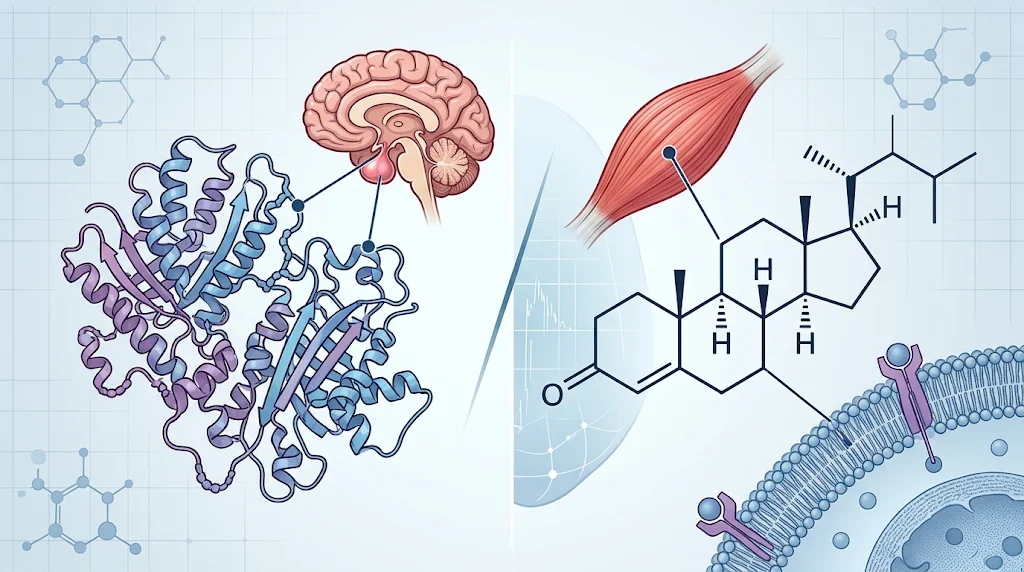
Hydrocodone is an opioid. It attaches to opioid receptors in the brain and spinal cord. This changes how you sense pain and how you react to it.
It can also cause:
- Drowsiness
- Slower breathing
- Nausea
- Constipation
- A calm or relaxed feeling
Because opioids can lead to dependence, doctors prescribe the lowest effective dose for the shortest time.
Acetaminophen
Acetaminophen is also called paracetamol in many countries, and Tylenol is one brand. It reduces pain and fever. It does not treat swelling the way ibuprofen does.
Acetaminophen is safe at normal doses but can injure the liver in high doses.
Why Combine Them?
The two drugs work through different pathways. Used together, they can provide stronger pain relief than either would at the same dose alone. This can let doctors use a lower amount of opioid in some cases.
What Are These Tablets Used For?
Hydrocodone/acetaminophen is approved for the management of pain severe enough to require an opioid analgesic when other options are not adequate. It is generally meant for short-term use.
Common Situations
- Pain after surgery
- Pain after a dental procedure
- Pain from a broken bone or a serious injury
- Short-term pain from a medical condition
What They Are Not For
- Mild pain that over-the-counter medicines can control
- Cough in adults in this tablet form (some other hydrocodone products are formulated for cough, but that is a different product)
- Sleep or anxiety
Taking this medicine for reasons other than the ones your prescriber gave you can be dangerous.
Brand Names You May See
You may see these names or others on labels and in articles:
- Norco
- Vicodin
- Lortab
- Lorcet
Some brand names have been discontinued. Most pharmacies today fill the prescription with a generic version labeled hydrocodone bitartrate and acetaminophen. The generic has the same active ingredients and works the same way.
Why Brand Names Can Confuse
People say “Norco” or “Vicodin” as a general term for any hydrocodone/acetaminophen tablet. The actual ingredients and strengths are what count. Always read the label.
How to Identify a Tablet Safely
Generic tablets come from different manufacturers, so they can look different. Color, shape, and imprint codes vary.
Do Not Guess
Never rely on color or shape alone. A tablet that looks similar can be a different medicine or strength.
Ways to Verify
- Keep the tablets in the original bottle with the pharmacy label.
- Check the label for the drug name, strength, and manufacturer.
- Ask your pharmacist if a refill looks different from the last one.
- Use a reliable pill identifier from an official health source or your pharmacy.
A Safety Note About Counterfeit Pills
Counterfeit pills made to look like prescription opioids can contain dangerous substances such as fentanyl. Only take medicine that was prescribed to you and dispensed by a licensed pharmacy.
How Are These Tablets Taken?
The correct dose is set by your prescriber. It depends on your pain, your health, and other medicines you use. Do not change it on your own.
General Principles
- Take the tablets by mouth, as directed on the label.
- Follow the time gap between doses on your label.
- Do not take more often or in larger amounts than prescribed.
- You may take it with food or milk if it upsets your stomach.
- Do not crush, dissolve, or inject the tablets.
If You Miss a Dose
If you take the medicine only as needed, you may not have a missed dose. If you are on a schedule and forget one, follow the label or ask your pharmacist. Do not double the next dose.
How Long to Use Them
The aim is the shortest time possible. As pain improves, many people can switch to non-opioid options. Ask your prescriber about when and how to stop.
Side Effects of Hydrocodone/Acetaminophen 5/325
Common Side Effects
- Drowsiness or lightheadedness
- Dizziness
- Nausea or vomiting
- Constipation
- Dry mouth
- Itching
Most of these are mild and ease with time, though constipation often lasts as long as you take the medicine.
Tips to Manage Mild Side Effects
- For nausea: take the tablet with a small snack and sip water.
- For constipation: drink fluids, add fiber, and ask your pharmacist about a stool softener or laxative.
- For dizziness: stand up slowly.
- For drowsiness: avoid driving and do not drink alcohol.
Serious Side Effects: Call Your Doctor Right Away
- Severe stomach pain or vomiting that does not stop
- Confusion or unusual mood changes
- Fainting or a very slow heartbeat
- Rash, hives, or swelling of the face, lips, or throat
- Signs of liver trouble: yellow skin or eyes, dark urine, pain in the upper right abdomen
Emergency Signs
Get emergency help immediately for slow or shallow breathing, extreme sleepiness, blue lips, or inability to wake up.
Boxed Warnings: The Most Serious Risks
In the United States, opioid pain medicines carry the strongest type of safety warning, called a boxed warning. For hydrocodone/acetaminophen, the main points include:
- Addiction, abuse, and misuse: Even when taken as prescribed, opioids can lead to addiction.
- Life-threatening respiratory depression: Breathing may slow or stop, particularly at the start of treatment or with a dose change.
- Accidental ingestion: A single dose can be fatal for a child.
- Neonatal opioid withdrawal syndrome: Prolonged use during pregnancy can cause withdrawal in the newborn.
- Medicine interactions: Certain drugs can raise hydrocodone levels, and combining with benzodiazepines or other sedatives increases the risk of serious harm.
- Liver injury: Acetaminophen can cause serious liver damage, mostly when more than the maximum daily amount is taken.
These are not meant to scare you away from needed treatment. They explain why careful use matters.
Who Should Not Take These Tablets?
Tell your prescriber about all of your conditions. Hydrocodone/acetaminophen is generally not suitable for people who:
- Are allergic to hydrocodone, acetaminophen, or any ingredient
- Have severe breathing problems or severe asthma without monitoring
- Have a known or suspected blockage of the stomach or intestines
- Have taken certain antidepressants called MAO inhibitors recently
Extra caution is needed with:
- Liver or kidney disease
- A history of substance use disorder or mental health conditions
- Head injury or increased pressure in the head
- Seizure disorders
- Prostate enlargement or difficulty urinating
- Low blood pressure
- Older age or frailty
Drug and Substance Interactions
Sedating Medicines
Benzodiazepines, sleep medicines, muscle relaxants, other opioids, and some anxiety or seizure medicines can add to drowsiness and slow breathing. Doctors only combine them when the benefit outweighs the risk, and with close monitoring.
Alcohol
Avoid alcohol. It deepens the sedating effect and can add stress to the liver.
Other Acetaminophen Products
Cold and flu medicines, sleep aids labeled PM, and other pain relievers often contain acetaminophen. Adding them can push your total above a safe level.
Medicines That Change Hydrocodone Levels
Some antibiotics, antifungals, and HIV medicines can raise hydrocodone levels. Others can lower them. Your pharmacist can check your list.
Safe Storage and Disposal
Opioids can cause harm if someone else takes them. A few simple habits help protect your household.
Storage
- Keep the bottle in a locked cabinet or box.
- Do not store it in a purse, bathroom, or on a nightstand.
- Keep it away from children, teenagers, and visitors.
Disposal
- Use a drug take-back site or program.
- If none is available, follow the disposal instructions that come with your medicine or from your pharmacy.
- Do not share your medicine with anyone.
Is a Prescription Required?
Yes. In the United States, hydrocodone combination products are Schedule II controlled substances. That means:
- A valid prescription is required.
- Refills are not allowed in the usual way. A new prescription is needed.
- Pharmacies must follow strict record-keeping rules.
Laws differ by country and region, so check local rules if you live or travel elsewhere.
Questions to Ask Your Doctor or Pharmacist
- How many tablets can I take in one day?
- How long should I use this medicine?
- Is there any other product with acetaminophen that I should avoid?
- Which side effects should I report right away?
- Should I keep naloxone at home?
- How can I treat constipation?
- How do I stop safely when I no longer need it?
Common Misunderstandings About 5/325 Tablets
“The 5 mg is so low that it is harmless.”
A low strength does not make a medicine risk-free. Several tablets add up, and sensitivity varies between people.
“It is just Tylenol with a little extra.”
It contains an opioid, which brings a distinct set of risks, including dependence and slowed breathing.
“I can take extra Tylenol on top.”
The tablet already contains acetaminophen. Extra Tylenol can push you past a safe limit.
“Leftover pills can be saved for next time.”
Leftover opioids should be disposed of properly. Saving them raises the risk of accidental use or misuse.
Conclusion
So, what are hydrocodone acetaminophen 5/325 tablets? They are a prescription pain medicine that pairs 5 mg of an opioid with 325 mg of acetaminophen. They are meant for short-term, serious pain, and they are most safe when you understand what they contain.
Remember:
- “5/325” means 5 mg hydrocodone and 325 mg acetaminophen per tablet.
- Count your acetaminophen from every source.
- Do not drink alcohol or mix with sedatives unless your doctor says so.
- Store the bottle securely and dispose of leftovers properly.
- Seek emergency help for slow breathing or unresponsiveness.
If you ever feel unsure about your tablets, your pharmacist is the best person to ask.
FAQ
What is hydrocodone acetaminophen 5/325 used for?
It is used for short-term treatment of pain that is severe enough to need an opioid when other treatments are not adequate.
Is hydrocodone acetaminophen 5/325 the same as Norco?
Norco was a brand name for a hydrocodone/acetaminophen combination. Generic tablets with the same ingredients and strengths work the same way. Check your label for the exact strength.
How many tablets of 5/325 can I take in a day?
Your prescriber decides. The number depends on your pain and health. Do not exceed what is on your label, and remember that each tablet contains 325 mg of acetaminophen.
Is 5/325 a strong painkiller?
It is the lowest common strength of this combination, but it is still an opioid medicine and must be used carefully.
Can I take 5/325 tablets with alcohol?
It is safest to avoid alcohol. Alcohol increases drowsiness, breathing risk, and liver stress.
Can I drive after taking hydrocodone acetaminophen?
Not until you know how it affects you. It can cause drowsiness, dizziness, and slower reaction time.
What should I do with leftover tablets?
Dispose of them through a take-back program or follow official disposal guidance. Do not share them or keep them for later.











3 thoughts on “What Are Hydrocodone Acetaminophen 5/325 Tablets?”