

Blog
How Long Does It Take for Hydrocodone to Work? Timeline


You took your tablet, and now you are watching the clock. Ten minutes pass. Twenty. The pain has not changed. Is something wrong?
Usually, no. Hydrocodone is not instant. It has to be swallowed, absorbed, and carried to your brain and spinal cord before it can change how you feel pain. That process takes time, and the time varies from person to person.
This guide explains how long hydrocodone takes to work, what the stages of its effect look like, what can speed it up or slow it down, and what to do if you are not getting relief. It also explains why the worst thing you can do while waiting is take another dose too soon.
The Quick Answer: How Long Does Hydrocodone Take to Work?
For most adults:
- Immediate-release tablets or capsules: Relief often begins within about 30 to 60 minutes.
- Peak effect: Usually reached about 1 to 2 hours after the dose.
- Liquid forms: May work slightly faster than tablets because the drug does not need to dissolve first.
- Extended-release products: Take longer to build up and are not meant for quick relief.
If you have taken your medicine and less than an hour has passed, you may simply need to wait. Do not take another dose sooner than your label allows.
What Is Hydrocodone and How Does It Relieve Pain?
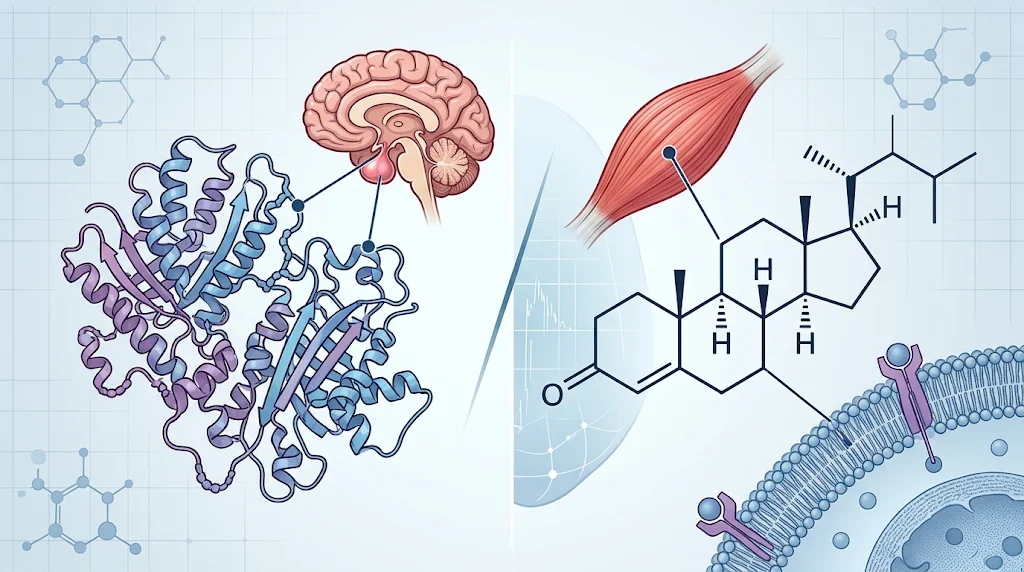
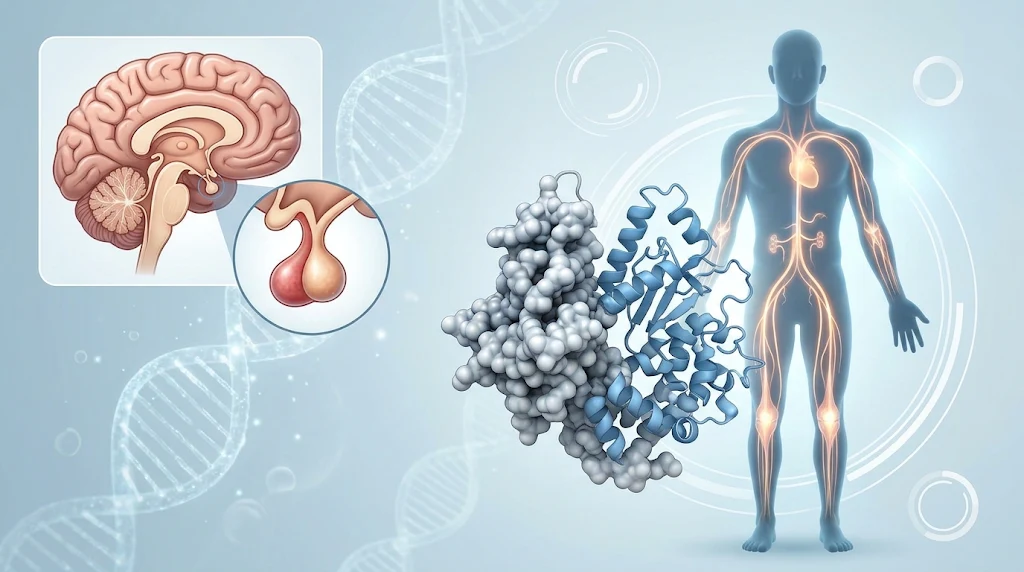
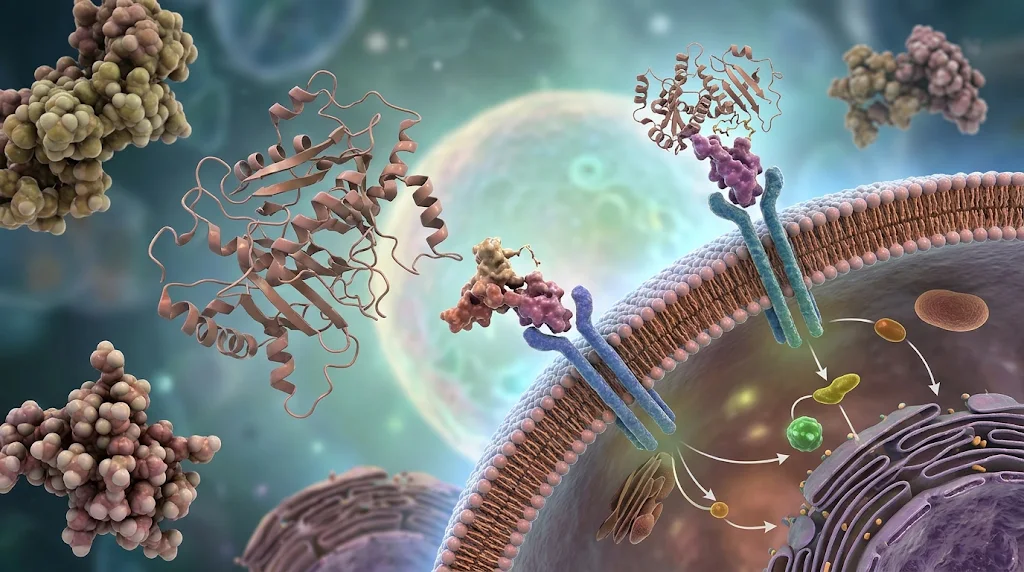
Hydrocodone is an opioid analgesic used for pain that is moderate to severe. It binds to opioid receptors in the brain, spinal cord, and other tissues. This changes the way your nervous system processes pain signals, so the same injury or incision feels less intense.
Common Hydrocodone Products
Most hydrocodone sold for pain comes in a combination with another pain reliever:
- Hydrocodone with acetaminophen: The most common combination tablet.
- Hydrocodone with ibuprofen: A combination with an anti-inflammatory drug.
- Extended-release hydrocodone: A single-ingredient product for severe, continuous pain in people already tolerant to opioids.
Hydrocodone is also found in some prescription cough medicines for adults. The timing described in this article focuses mainly on pain tablets.
Why It Takes Time
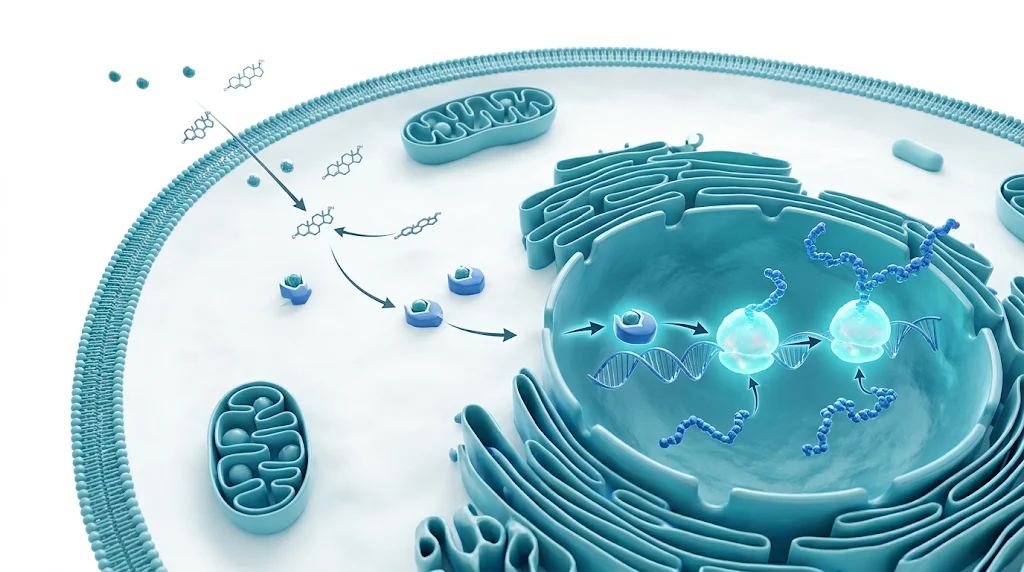
After you swallow a tablet, it must travel to your stomach and small intestine, break down, and pass into your blood. From there, the drug moves through the liver, where some of it is changed, and then reaches the brain. Each step takes a little while.
The Stages of a Hydrocodone Dose
A dose has four parts. Knowing them helps you tell what is normal.
Stage 1: Absorption (First 15 to 30 Minutes)
The tablet dissolves, and the drug begins to enter your bloodstream. You usually feel little or nothing yet. Some people notice slight warmth, mild nausea, or a faint lightheaded feeling.
Stage 2: Onset (About 30 to 60 Minutes)
Pain begins to ease. You may feel calmer or a little drowsy. Many people describe the pain as “dulled” instead of gone.
Stage 3: Peak (About 1 to 2 Hours)
This is when the effect is strongest. It is also when side effects such as sleepiness, dizziness, and nausea are most likely.
Stage 4: Decline (From About 4 Hours On)
The drug level falls, and pain slowly returns. For immediate-release products, the effect usually lasts around four to six hours.
What Affects How Fast Hydrocodone Works?
The same tablet can act differently in different people. These are the main reasons.
Form of the Medicine
- Liquid or solution: Often absorbed a little faster.
- Standard tablets: Typical onset of 30 to 60 minutes.
- Extended-release tablets or capsules: Designed for slow release over many hours. These are not for as-needed pain.
Food in the Stomach
A full or fatty meal can slow stomach emptying, which may delay absorption slightly. Taking the tablet with a small amount of food can lower the chance of nausea, which is a common reason people take it that way. Your pharmacist can tell you what is best for your product.
Nausea and Vomiting
If you vomit soon after taking a dose, you may lose some of the medicine before it is absorbed. Do not repeat the dose on your own. Call your prescriber or pharmacist for advice.
Liver Function
The liver breaks down hydrocodone using enzymes, including CYP3A4 and CYP2D6. If your liver is not working well, the drug may build up or the effects may be unusual.
Genetics
People differ in how active their enzymes are. This can change how quickly and how strongly hydrocodone works. It is one reason a friend’s experience may not match yours.
Other Medicines
Some drugs block the enzymes that break down hydrocodone, which can raise drug levels and strengthen or prolong the effect. Others speed up breakdown and may make it weaker. Tell your pharmacist about every prescription, over-the-counter product, and supplement you use.
Tolerance
If you have taken opioids regularly, your body may respond less to the same dose. The tablet may still be absorbed on the same timeline, but the effect feels weaker. This is not a reason to take more. It is a reason to talk to your doctor.
Pain Type and Severity
Hydrocodone works best for pain that responds to opioids. Some kinds of pain, such as certain nerve pain or severe inflammation, may need a different or additional treatment.
Age and Body Size
Older adults and smaller people may feel the drug sooner or more strongly. Older adults also clear the drug more slowly.
How Long Do Combination Tablets Take to Work?
The tablets you receive may contain more than one active ingredient. Each part works on its own schedule.
Hydrocodone and Acetaminophen
Acetaminophen is also absorbed within about 30 to 60 minutes. The two drugs often begin working around the same time, which is why combination tablets can feel effective within an hour.
Hydrocodone and Ibuprofen
Ibuprofen also starts working in roughly 30 to 60 minutes, but its anti-inflammatory effect may build over a longer period. Swelling-related pain may improve gradually.
Why You Should Not Double Up
Because combination tablets contain more than one drug, taking extra can mean overdosing on the other ingredient as well. Too much acetaminophen can damage the liver. Too much ibuprofen can harm the stomach and kidneys. Take exactly what is prescribed.
What Should You Do While You Wait?
Waiting can be uncomfortable. These steps can help.
- Check the clock. Note the time you took the dose so you do not repeat it too soon.
- Stay in a safe place. Sit or lie down, especially if you are taking hydrocodone for the first time.
- Use non-drug comfort measures. Ice, heat, elevation, gentle positioning, and rest can ease pain while the tablet begins to work, as your doctor recommends.
- Distract your mind. Light entertainment, gentle music, or a calm conversation can make waiting easier.
- Drink water. Hydration supports your body and can ease headaches.
- Avoid alcohol and other sedatives. They increase the risk of dangerous side effects.
What If Hydrocodone Is Not Working?
If an hour or two has passed and you feel no relief, do not panic and do not take extra tablets. Consider these possibilities.
Possible Reasons
- It is too early. The peak effect can take up to two hours.
- You vomited. Some of the dose may not have been absorbed.
- Tolerance. Previous opioid use can reduce the effect.
- The pain needs a different treatment. Some pain does not respond well to opioids.
- A drug interaction. Another medicine may be changing how hydrocodone works.
- Wrong expectation. The goal is often to reduce pain to a manageable level, not to remove it entirely.
What to Do
- Wait until the full time has passed.
- Do not take more than your label directs.
- Call your doctor, your pharmacist, or the after-hours line on your prescription.
- Ask whether adding a non-opioid medicine, such as an anti-inflammatory or acetaminophen, is safe for you.
- Report any new or worsening symptoms, like fever, swelling, or redness near a surgical site.
Why You Should Never Take Extra Doses to Speed It Up
It is tempting to take a second tablet when the first does not seem to work. This is one of the most dangerous mistakes with opioids.
The Risk of Stacking Doses
Hydrocodone is still being absorbed during the first hour or two. If you take more before the first dose has peaked, the combined effect can be much stronger than you expect. This can cause severe drowsiness, slowed breathing, and overdose.
Warning Signs of Too Much
Get emergency help if you or someone else has:
- Extreme sleepiness or cannot be woken
- Slow, shallow, or stopped breathing
- Blue or gray lips or fingertips
- Very small pupils
- A limp body or cold, clammy skin
In the United States, call 911. Poison Control is also available at 1-800-222-1222. If naloxone is available and you know how to use it, give it as directed while you wait for help.
Tips for Getting the Most From Your Prescription Safely
- Take it as prescribed. Follow the dose, interval, and any instructions about food.
- Stay ahead of the pain when advised. Some doctors recommend taking a dose before pain becomes severe, for example before local anesthesia wears off after dental surgery. Ask what is right for you.
- Use a pill organizer or log. A simple record prevents accidental double dosing.
- Combine with non-drug treatments. Ice, elevation, physical therapy, and rest can reduce the amount of medicine you need.
- Ask about naloxone. Many doctors now offer it with opioid prescriptions.
- Store tablets securely. Keep them away from children, visitors, and pets.
- Dispose of leftovers safely. Use a pharmacy take-back program or follow the label’s disposal instructions.
Who Needs Extra Caution?
Older Adults
Older adults may feel stronger effects and clear the drug more slowly. Falls and confusion are real risks. Doctors may start with a lower dose.
People With Breathing Problems
Asthma, COPD, and sleep apnea increase the danger of opioid-related breathing trouble.
People With Liver or Kidney Disease
These organs help process and remove the drug. Dosing may need to change.
Pregnancy and Breastfeeding
Opioids can affect an unborn baby and may pass into breast milk. Speak with a healthcare provider before taking hydrocodone if you are pregnant, planning pregnancy, or nursing.
People Taking Other Sedating Medicines
Benzodiazepines, sleep aids, certain muscle relaxers, and other sedating drugs can cause dangerous breathing problems when combined with opioids.
Side Effects You Might Notice As It Starts Working
As hydrocodone begins to work, you may notice:
- Drowsiness or a heavy feeling
- Dizziness or lightheadedness
- Nausea
- Itching
- Dry mouth
- A calm or slightly detached feeling
- Constipation over time
Most of these are mild and pass as the dose wears off. If they are severe or do not improve, contact your prescriber.
Common Myths About How Fast Hydrocodone Works
Myth: If I do not feel it in 15 minutes, it is not working. The drug often needs 30 to 60 minutes.
Myth: Crushing the tablet makes it work faster, and that is fine. Crushing, chewing, or dissolving certain tablets can be dangerous, especially extended-release products, and it can cause an overdose.
Myth: Taking it on an empty stomach always speeds relief. The difference is often small, and an empty stomach can increase nausea.
Myth: A stronger feeling means better pain control. Feeling sleepy or woozy is not the same as pain relief.
When to Call Your Doctor
Contact your prescriber if:
- You feel no relief after the expected time and the label’s interval
- Your pain is getting worse instead of better
- You develop fever, spreading redness, or drainage near a wound
- Side effects are hard to tolerate
- You are unsure how or when to take your next dose
Conclusion
How long does it take for hydrocodone to work? In most people, immediate-release hydrocodone starts easing pain in about 30 to 60 minutes and reaches its peak within one to two hours. The exact timing depends on the form of the drug, food, liver function, genetics, other medicines, and your own tolerance.
The key to safe use is patience. Wait through the full onset period, avoid extra doses, and call your doctor if relief is not enough. Pair your medicine with non-drug comfort steps, store it safely, and ask about naloxone. With careful use, you can manage pain while keeping risks low.
This article is for general education only and does not replace professional medical advice. Follow your prescriber’s instructions and your medication label.
FAQ
How long does it take for hydrocodone to kick in?
Hydrocodone usually starts providing pain relief within 30–60 minutes after taking an immediate-release tablet. Its effects typically reach their peak within one to two hours. The exact timing may vary depending on individual factors and the medication formulation.
Does hydrocodone work faster on an empty stomach?
Food may slightly delay how quickly hydrocodone is absorbed into the body. Taking it with food may help reduce nausea for some people. Always follow the instructions on your prescription label.
Can I take a second dose if the first one is not working?
Do not take an extra dose because the first dose seems ineffective. Taking too much hydrocodone can cause a dangerous overdose. Contact your doctor or pharmacist if your pain is not adequately controlled.
How long until extended-release hydrocodone works?
Extended-release hydrocodone releases medication gradually over an extended period. It is designed for ongoing pain management rather than rapid pain relief. Never crush, chew, or break these tablets unless your pharmacist confirms it is safe for your specific product.
What if I vomit after taking hydrocodone?
Do not automatically take another dose if you vomit after taking hydrocodone. Some of the medication may already have been absorbed into your body. Contact your prescriber or pharmacist for advice about what to do next.
Why does hydrocodone seem to work slower for me than for others?
Hydrocodone’s effects can vary because of metabolism, liver function, food, and other medications. Tolerance and individual differences may also affect how strongly or quickly it works. If it consistently provides insufficient relief, ask your doctor to review your treatment plan.









2 thoughts on “How Long Does It Take for Hydrocodone to Work? Timeline”