

Blog
Is Hydrocodone the Same as Oxycodone? Key Differences


Your doctor hands you a prescription. The name on the bottle is not the one a friend or relative took after surgery. Maybe you heard “Norco” from one person and “Percocet” from another, and both were called “strong painkillers.” Are they the same drug?
The short answer is no. Hydrocodone and oxycodone are two different opioid medicines. They are close cousins with many shared effects and risks, but they are not interchangeable, and a pharmacist or doctor must decide which one fits you.
This guide compares the two in plain language. You will learn how they are made, what they treat, how strong each one is, how their side effects compare, and what safety rules apply to both. You will also find a list of questions to bring to your next appointment.
The Quick Answer: Is Hydrocodone the Same as Oxycodone?
No. They are different drugs, even though they belong to the same family.
- Same family: Both are opioid analgesics used for moderate to severe pain.
- Different molecules: Each has its own chemical structure and source.
- Different strengths: Doses are not equal milligram for milligram.
- Different products: Each comes in its own brand names and combinations.
- Same big risks: Both can cause sedation, slowed breathing, dependence, and overdose.
Never swap one for the other on your own. Doses that are safe for one may not be safe for the other.
What Is Hydrocodone?
Hydrocodone is a semi-synthetic opioid. It is made from codeine, a natural opioid found in the opium poppy. It works by attaching to opioid receptors in the brain and spinal cord, which changes the way the body senses pain.
Forms and Brand Names
Most hydrocodone products used for pain contain a second ingredient:
- Hydrocodone with acetaminophen: Sold under brand names such as Norco and Lortab, and as generics.
- Hydrocodone with ibuprofen: A combination with an anti-inflammatory drug.
- Extended-release hydrocodone: A single-ingredient product, sold under brand names such as Hysingla ER, for severe pain that requires long-term, around-the-clock treatment.
Hydrocodone is also an ingredient in certain prescription cough medicines for adults.
What It Treats
Doctors prescribe hydrocodone for pain that is serious enough to need an opioid and is not controlled well by other treatments. Common uses include pain after surgery, dental procedures, and injuries.
What Is Oxycodone?
Oxycodone is also a semi-synthetic opioid, but it is made from thebaine, another compound found in the opium poppy. Like hydrocodone, it acts on opioid receptors to reduce pain.
Forms and Brand Names
Oxycodone is sold in several forms:
- Immediate-release oxycodone: Sold under names such as Roxicodone and as generic tablets and liquids.
- Oxycodone with acetaminophen: Sold under brand names such as Percocet and as generics.
- Extended-release oxycodone: Sold under brand names such as OxyContin for severe, long-term pain in patients already tolerant to opioids.
What It Treats
Oxycodone is used for moderate to severe pain, such as pain after surgery or injury, and for ongoing severe pain when other treatments are not enough.
How Are Hydrocodone and Oxycodone Alike?
The two drugs share many traits, which is why people often confuse them.
Similar Action in the Body
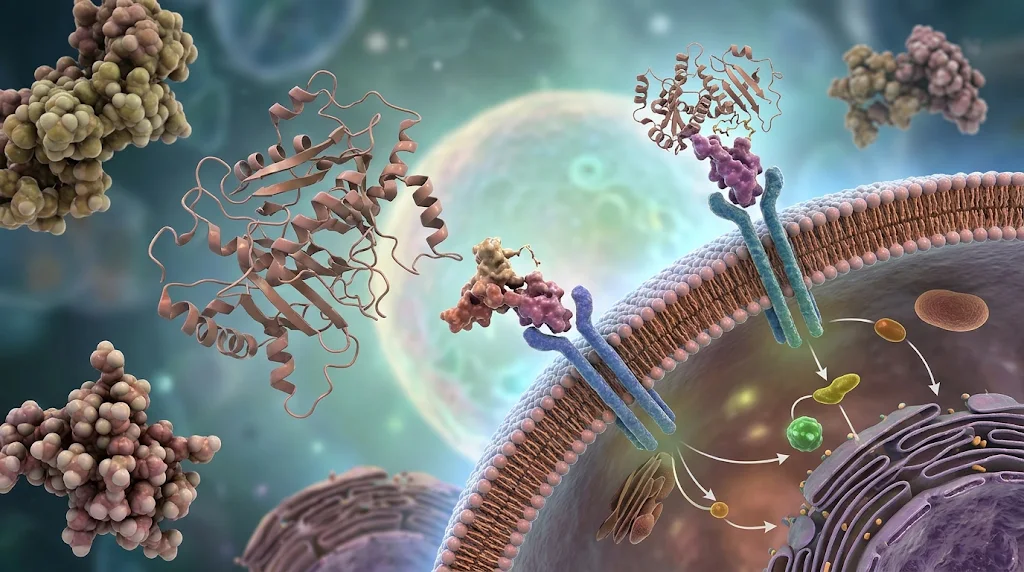
Both are opioid agonists. This means they turn on opioid receptors, especially the mu receptor. That action produces pain relief, drowsiness, and a sense of calm, and it can slow breathing.
Similar Legal Status
In the United States, both are classified as Schedule II controlled substances. This category is used for drugs with a high potential for misuse and dependence. Prescriptions have strict rules, and refills are limited.
Similar Warnings
Both carry boxed warnings, the strongest kind of safety notice, about:
- Addiction, abuse, and misuse
- Life-threatening respiratory depression
- Accidental ingestion, especially by children
- Risks when combined with benzodiazepines or other sedatives
- Neonatal opioid withdrawal syndrome when used during pregnancy
- Interactions with certain drugs that change how the liver processes them
Similar Side Effects
Most people on either drug may experience:
- Drowsiness and dizziness
- Nausea and vomiting
- Constipation
- Itching
- Dry mouth
- Headache
- Confusion, especially in older adults
How Are Hydrocodone and Oxycodone Different?
Despite the similarities, there are real differences that matter for doctors and patients.
Source and Chemical Structure
Hydrocodone is derived from codeine. Oxycodone is derived from thebaine. They have different chemical structures, which can change how they behave in the body.
Relative Strength
Opioids are often compared using morphine milligram equivalents, or MME. This is a tool doctors use to compare the strength of different opioids. In commonly used conversion tables, oxycodone is considered about one and a half times as strong as morphine milligram for milligram, while hydrocodone is considered about equal to morphine. In practice, this means a given dose of oxycodone generally has a stronger effect than the same milligram dose of hydrocodone.
These numbers are estimates for clinical planning. They are not a guide for switching on your own. Individual response varies, and conversion between opioids requires a clinician.
Combination Products
Both are often paired with acetaminophen, and the tablets look similar. But the doses of each ingredient differ. Because of that, the acetaminophen amount per tablet and the opioid amount per tablet may not match from one product to another. Always read the label.
Other Uses
Hydrocodone is also used in some cough products for adults. Oxycodone is not used for cough. Oxycodone is available in more single-ingredient forms, including immediate-release tablets and liquids.
How the Body Processes Each Drug
Both drugs are broken down in the liver, mostly by the enzymes CYP3A4 and CYP2D6, but the byproducts differ. Hydrocodone is partly converted to hydromorphone, and oxycodone is partly converted to oxymorphone. Both byproducts are active opioids. Drugs that block these enzymes can raise levels of either medicine and increase side effects.
Duration of Effect
Immediate-release forms of both drugs usually provide pain relief for about four to six hours. Extended-release forms are meant to last longer, often around 12 hours. The exact timeline depends on the product and the person.
Quick Comparison at a Glance
- Drug class: Both are opioid pain relievers.
- Origin: Hydrocodone comes from codeine; oxycodone comes from thebaine.
- Common combination: Both are often combined with acetaminophen.
- Typical brand names: Norco and Lortab for hydrocodone combinations; Percocet and Roxicodone for oxycodone products.
- Relative potency: Oxycodone is generally considered stronger per milligram.
- Cough use: Hydrocodone only.
- Legal status: Both Schedule II in the United States.
- Main risks: Sedation, slowed breathing, dependence, overdose.
Which One Is Better?
Neither drug is better for everyone. Doctors choose based on the type and severity of pain, your medical history, other medicines, and risk factors. Some people respond better to one than the other, and some have side effects with one but not the other.
Factors a Doctor May Consider
- How severe the pain is and how long it is expected to last
- Your kidney and liver health
- Whether you have breathing problems or sleep apnea
- Other medicines you take, especially sedatives
- Your history with opioids or substance use
- Your age and ability to tolerate side effects
- Whether a non-opioid option could work instead
If the medicine you were given is not working or causes problems, tell your prescriber. Do not change drugs or doses on your own.
Safety Rules That Apply to Both Medicines
Take Exactly As Prescribed
Use the dose and schedule on your label. Do not take extra doses, even if the pain returns.
Do Not Mix With Alcohol or Sedatives
Alcohol, benzodiazepines, sleeping pills, and certain muscle relaxers can combine with either drug to cause deep sedation and breathing trouble. This can be fatal.
Do Not Share Your Medicine
A dose that is safe for you may be dangerous for another person. Sharing prescription opioids is illegal in many places and carries real risk.
Do Not Take Two Different Opioids at Once
Taking hydrocodone and oxycodone together without a doctor’s direction can lead to an accidental overdose. If you have leftover pills from an old prescription, ask before using them.
Watch Your Acetaminophen Total
Both drugs often come with acetaminophen. Too much acetaminophen from all sources can injure the liver. Check cold medicines, sleep aids, and other products.
Use Extended-Release Forms Correctly
Swallow extended-release tablets whole. Never crush, chew, or dissolve them, because that can release the entire dose at once.
Store and Dispose of Them Safely
Keep opioids locked up and away from children, visitors, and pets. Use a pharmacy take-back program or the label’s instructions when you no longer need the medicine.
Ask About Naloxone
Naloxone is a medicine that can reverse an opioid overdose. It works for both hydrocodone and oxycodone. Many doctors offer it with an opioid prescription.
Signs of an Opioid Overdose
Get emergency help right away if you or someone nearby has:
- Extreme sleepiness or inability to wake
- Slow, shallow, or stopped breathing
- Blue or gray lips or fingertips
- Very small pupils
- A limp body or cold, clammy skin
- Gurgling or choking sounds
In the United States, call 911. Poison Control is available at 1-800-222-1222. If naloxone is available, give it as directed and stay with the person until help arrives.
Dependence, Addiction, and Getting Help
Both drugs can cause physical dependence, which means your body adapts and may react when the drug is reduced. Dependence is different from addiction, which involves compulsive use despite harm, but they can overlap.
Warning Signs
- Taking more than prescribed or more often
- Feeling unable to cut down
- Craving the medicine
- Running out early or seeking extra prescriptions
- Problems at home, work, or school linked to use
Where to Find Help
Addiction is a medical condition, and treatment works. Talk to your doctor without fear of judgment. In the United States, the SAMHSA National Helpline at 1-800-662-4357 is free, confidential, and available around the clock.
Special Groups
Older Adults
Older adults are more sensitive to sedation and more likely to fall. Lower doses and careful monitoring are common.
Pregnancy and Breastfeeding
Both drugs can affect the baby. Talk with your clinician before using either if you are pregnant, planning pregnancy, or nursing.
People With Liver or Kidney Disease
These conditions can slow how the body clears opioids. Doses may need adjustment.
People With Breathing Problems
Asthma, COPD, and sleep apnea raise the risk of dangerous breathing effects.
Myths and Facts
Myth: They are just different names for the same drug. They are separate drugs with different chemistry and strength.
Myth: Oxycodone is always worse than hydrocodone. Both carry serious risks. The safer choice depends on the person and the dose.
Myth: Hydrocodone is weak, so it is safe. It is a strong opioid and can cause overdose.
Myth: If I am prescribed one, I can use leftover pills of the other. Never do this. Doses are not equivalent, and combining opioids is risky.
Questions to Ask Your Doctor or Pharmacist
- Which opioid am I taking, and what else is in the tablet?
- Why was this one chosen for me instead of another option?
- How long should I expect to take it?
- Do my other medicines or supplements interact with it?
- Should I have naloxone at home?
- Are there non-opioid treatments I could try first or alongside?
- How and when should I stop taking it?
Conclusion
Is hydrocodone the same as oxycodone? No. They are different opioid medicines with similar effects and similar dangers. Oxycodone is generally considered stronger milligram for milligram, and the two come in different brand names and combinations. Hydrocodone is also found in some cough medicines, while oxycodone is not.
What matters most is that you know which medicine you have, take it exactly as prescribed, avoid alcohol and sedatives, store it safely, and ask questions whenever something is unclear. Your doctor and pharmacist are your best resources for choosing the safest option for your pain.
This article is for general education only and does not replace professional medical advice. Always follow your prescriber’s instructions and your medication label.
FAQ
Are hydrocodone and oxycodone the same thing?
No, hydrocodone and oxycodone are two different opioid medications. They work similarly but differ in chemical structure, strength, and formulations. Both are prescription drugs that require careful medical supervision.
Which is stronger, hydrocodone or oxycodone?
Oxycodone is generally considered stronger per milligram than hydrocodone. However, individual effects depend on the dose, formulation, and patient. Never switch between these medications without a doctor’s guidance.
Is Norco the same as Percocet?
No, Norco contains hydrocodone combined with acetaminophen. Percocet contains oxycodone combined with acetaminophen. They contain different opioids and are not interchangeable without medical advice.
Can I take hydrocodone and oxycodone together?
Do not combine these medications unless a doctor specifically directs you to. Taking two opioids together can increase the risk of overdose and breathing problems. Follow your prescription and consult your doctor before combining them.
Do both cause addiction?
Yes, both medications can cause physical dependence and addiction. The risk varies with dosage, treatment duration, and individual factors. Use them only as prescribed and under medical supervision.
Does naloxone work for both?
Yes, naloxone can reverse an overdose caused by either medication. Call emergency services immediately, even after administering naloxone. Additional doses may be needed because opioid effects can outlast naloxone.









One thought on “Is Hydrocodone the Same as Oxycodone? Key Differences”