Blog
Can You Take Tramadol With Hydrocodone? Dangers


Pain can make you desperate. Maybe you have leftover tablets from an old surgery. Maybe two doctors prescribed two different pain medicines. Now you are wondering: can you take tramadol with hydrocodone?
Here is the direct answer. In most cases, no. Taking tramadol and hydrocodone together on your own is not safe. Both are opioid pain medicines. Together, they raise the risk of overdose, slowed breathing, and other serious effects.
There are rare situations where a specialist may plan a switch or a short overlap. But that is a supervised decision, not a do-it-yourself fix.
Should You Take Tramadol and Hydrocodone Together?
No, you should not combine them unless a healthcare professional has told you to, with a specific plan.
Here is why:
- Both are opioids. You are doubling up on the same drug class.
- Both can slow breathing. The effects can add together.
- Tramadol has extra risks. It can raise seizure risk and affect serotonin.
- There is usually a safer option. A doctor can adjust one medicine rather than stack two.
If you already have both prescriptions, do not guess which one to use. Call your pharmacist or prescriber for a clear plan.
What Are Tramadol and Hydrocodone?
Both medicines treat moderate to severe pain. But they are not identical.
What Is Hydrocodone?
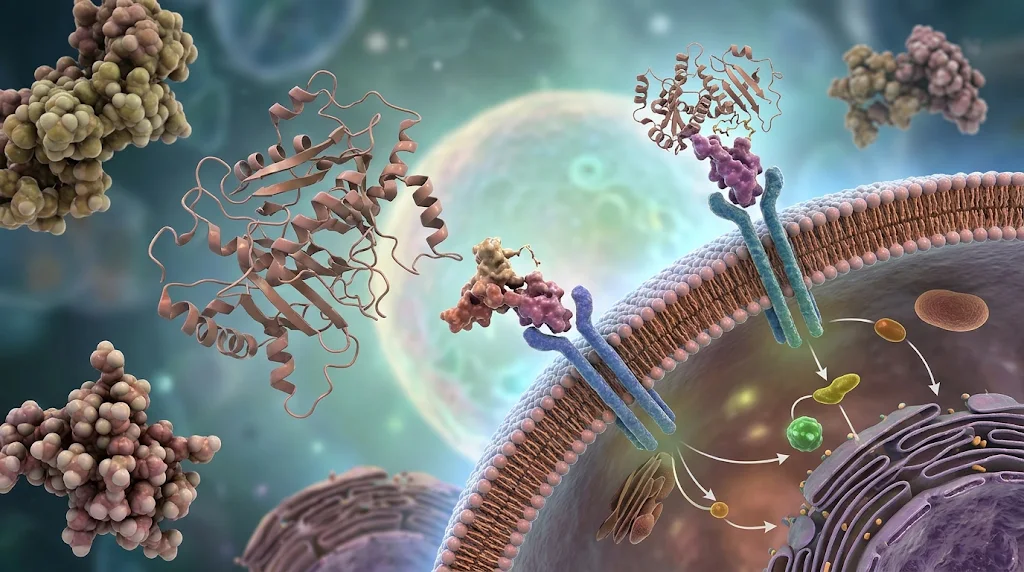
Hydrocodone is an opioid pain reliever. It binds to opioid receptors in the brain and spinal cord. This changes how the body feels and responds to pain.
Many tablets combine hydrocodone with acetaminophen. Brand names include Norco, Vicodin, and Lortab.
Common effects include:
- Pain relief
- Drowsiness
- Nausea
- Constipation
- Dizziness
- Slowed breathing at higher risk levels
What Is Tramadol?
Tramadol is also an opioid pain medicine. Brand names include Ultram, and a combination with acetaminophen is sold as Ultracet.
Tramadol is a little different from many other opioids. It has two actions:
- It acts on opioid receptors.
- It affects brain chemicals such as serotonin and norepinephrine.
This second action is why tramadol carries unique risks, including seizures and serotonin syndrome.
How Their Effects Compare
Here is a quick snapshot:
- Drug class: Both are opioids
- Common use: Moderate to severe pain
- Sedation: Both can cause it
- Breathing risk: Both can slow breathing
- Seizure risk: Higher with tramadol
- Serotonin effects: Mainly with tramadol
- Acetaminophen combos: Both are sold in combination products
Why Taking Two Opioids Together Is Dangerous
When two opioids are in your body, their effects can add up. This is called additive respiratory and central nervous system depression.
Slowed Breathing
Opioids reduce your brain’s drive to breathe. One opioid at the right amount may be safe. Two opioids together can push breathing too low.
This is the main cause of fatal opioid overdoses. It can happen quietly, especially during sleep.
Extreme Sleepiness and Confusion
Combining opioids can cause deep sedation. You may feel unable to wake up. You might become confused, slur your words, or lose coordination.
Higher Risk of Dependence
Using more than one opioid can increase tolerance and dependence. It can also make it harder to track how much total opioid you are taking.
Hard-to-Predict Strength
Tramadol and hydrocodone are processed differently by the body. Your genes, your liver enzymes, and other medicines all affect how strongly each one works. That makes the combined effect hard to predict.
The Extra Risks Linked to Tramadol
Tramadol is not just “another opioid.” It has special warnings that matter when you add a second opioid.
Seizure Risk
Tramadol can lower the seizure threshold. This risk goes up when:
- Higher amounts are taken
- You have epilepsy or a history of seizures
- You have had head injury or certain brain conditions
- You use other medicines that also affect seizures
- You mix it with alcohol or certain drugs
Adding another opioid does not remove this risk. It can complicate it.
Serotonin Syndrome
Serotonin syndrome is a rare but serious condition. It happens when serotonin builds up too much in the body.
Risk rises if tramadol is combined with:
- SSRIs and SNRIs (certain antidepressants)
- MAOIs
- Triptans (migraine medicines)
- Linezolid
- St. John’s wort
- Some other opioids and cough medicines
Symptoms can include:
- Agitation or restlessness
- Fast heartbeat
- Sweating and shivering
- Muscle twitching or stiffness
- Diarrhea
- High fever
- Confusion
Seek urgent care if these appear.
Drug Interactions That Change How Tramadol Works
Tramadol is processed by liver enzymes, including CYP2D6 and CYP3A4. Other medicines can block or boost these enzymes. That can make tramadol stronger or weaker than expected, and it can raise side-effect risk.
Hydrocodone is also affected by liver enzymes. When two opioids compete in the same pathways, the results can be unpredictable.
Low Sodium and Low Blood Sugar
In rare cases, tramadol has been linked to low sodium (hyponatremia) and low blood sugar. These effects are uncommon, but they matter if you feel very weak, confused, or faint.
Why Do Some People Have Both Prescriptions?
It is not uncommon to find both tramadol and hydrocodone in a person’s medicine cabinet. Here are common reasons.
Different Doctors, Different Prescriptions
An ER doctor, a dentist, and a primary care provider may each prescribe pain medicine. They may not know about each other’s prescriptions.
A Switch in Treatment
A doctor may change you from tramadol to hydrocodone, or the other way around. If that happens, you should receive clear instructions about stopping the old medicine.
Leftover Pills
People often keep unused tablets “just in case.” Later, when pain returns, they may take an old medicine along with a new one.
Pain That Feels Uncontrolled
When pain is severe, it is tempting to add another pill. But more opioid is not always better. It can increase side effects faster than it improves relief.
What Experts Generally Advise
Public health and pain guidelines emphasize caution with opioids. Common principles include:
- Use non-opioid treatments first when appropriate
- Use the lowest effective amount for the shortest time
- Avoid combining opioids with other opioids unless specifically planned
- Review other sedating drugs, including benzodiazepines
- Offer naloxone to higher-risk patients
- Check prescription monitoring databases when available
These steps exist to reduce overdose and misuse.
Who Is at Highest Risk?
Some people face greater danger if they combine opioids.
Older Adults
Older adults may be more sensitive to sedation. Falls, confusion, and breathing problems are more common.
People With Lung or Sleep Disorders
COPD, asthma, and sleep apnea make slowed breathing more dangerous.
People With Liver or Kidney Disease
These organs help clear medicines. Reduced function can lead to higher drug levels.
People Taking Other Sedatives
This includes alcohol, benzodiazepines, sleep aids, gabapentinoids, and muscle relaxants. These can multiply the danger.
People With a History of Seizures
Tramadol is a special concern for anyone with seizure history. Always tell your doctor.
People Taking Antidepressants
Many antidepressants interact with tramadol. This is a frequent source of serious reactions.
Warning Signs After Mixing Tramadol and Hydrocodone
Know these signs. Share them with family members.
Emergency Signs: Call for Help Immediately
- Slow, shallow, or stopped breathing
- Blue or gray lips or fingernails
- Cannot be awakened or is unresponsive
- Very small pupils with extreme drowsiness
- Gurgling, choking, or snoring sounds that are new
- Seizure
- Severe agitation with fever, rigid muscles, or rapid heartbeat
If naloxone is available, use it as directed and call your local emergency number. Naloxone can wear off sooner than some opioids, so medical monitoring is still necessary.
Urgent Signs: Contact a Doctor or Poison Control
- Strong dizziness or fainting
- Confusion or hallucinations
- Repeated vomiting
- Severe constipation with belly pain
- Unusual sweating, tremor, or muscle twitching
- Extreme sleepiness that does not improve
Be honest with the medical team about everything you took. Accurate information helps them treat you faster.
What to Do If You Already Took Both
If you took tramadol and hydrocodone together, stay calm and act promptly.
Step-by-Step Safety Plan
- Stop taking more. Do not take any additional opioid.
- Do not drive. Stay in a safe place.
- Have someone stay with you. Do not be alone.
- Do not drink alcohol or take sleep aids.
- Call your pharmacist, prescriber, or a poison control center. Tell them what you took and when.
- Watch for warning signs. Do not fall asleep if you feel unwell without someone checking on you.
- Call emergency services if you notice any emergency sign listed above.
It is better to ask for help and be told it is fine than to wait and regret it.
How to Talk to Your Doctor About Pain That Is Not Controlled
If you feel tempted to combine opioids, the real problem is that your pain is not well controlled. That deserves attention.
Questions to Ask Your Care Team
- Is my current pain plan enough for my situation?
- Can we add a non-opioid option?
- Should I stop one of these medicines?
- Are my other medications safe with this one?
- Is physical therapy, nerve treatment, or another approach an option?
- Should I have naloxone at home?
Bring a Full Medication List
Include:
- Prescription medicines
- Over-the-counter products
- Herbal products and supplements
- Alcohol and cannabis use
- Old medicines you still have
This helps your provider avoid hidden interactions.
Be Honest About Your Pain and Your Use
Providers are there to help. If you took extra doses, say so. This is not about blame. It is about safety.
Safer Pain Relief Strategies to Discuss
Many people can improve comfort without adding another opioid.
Non-Opioid Medicines
Depending on your health, your provider may consider:
- Acetaminophen at a safe daily total
- NSAIDs such as ibuprofen or naproxen, if appropriate
- Topical creams, patches, or gels
- Nerve pain medicines for certain conditions
- Short courses of other targeted treatments
Non-Drug Approaches
- Ice or heat, depending on the condition
- Gentle movement and stretching
- Physical or occupational therapy
- Relaxation and breathing techniques
- Sleep support and stress management
- Elevation or bracing for certain injuries
Plan the Right End Point
Opioids are generally meant for short-term use after acute pain. If your pain is lasting longer than expected, ask about a different strategy.
Safe Storage and Disposal
Leftover opioids are a common cause of accidental harm.
- Store medicines in a locked cabinet or box
- Keep them away from children, teens, and visitors
- Do not share your pills with anyone
- Use a take-back program or approved disposal method for extras
- Do not keep old tablets “just in case”
Common Myths About Combining Opioids
Myth: “If one pill is safe, two different pills are safer.”
Two different opioids do not average out. Their effects add together.
Myth: “Tramadol is weak, so it cannot cause real harm.”
Tramadol is a real opioid. It can cause overdose, seizures, and serotonin-related problems.
Myth: “Taking them hours apart makes it safe.”
Spacing may reduce peak overlap, but it does not remove risk. Both can stay active for hours. Only your prescriber can set a safe plan.
Myth: “If a doctor prescribed each one, it is fine to use both.”
Each prescriber may not know about the other. Always tell every provider about all your medicines.
Related Subtopics
Tramadol and Norco
Norco is hydrocodone with acetaminophen. Taking it with tramadol brings the same opioid-stacking risks, plus acetaminophen to track.
Ultracet and Hydrocodone
Ultracet contains tramadol and acetaminophen. Pairing it with hydrocodone can double up both the opioid load and the acetaminophen load.
Switching From Tramadol to Hydrocodone
A planned switch requires clear instructions. Ask how long to wait, what to stop, and what to watch for.
Opioid Overdose Prevention
Keep naloxone available, teach family members how to use it, and avoid alcohol and sedatives while using opioids.
Conclusion
So, can you take tramadol with hydrocodone? In general, you should not, unless a healthcare professional has created a specific plan for you.
Key takeaways:
- Both medicines are opioids, and their effects can add together.
- The combination raises the risk of slowed breathing, deep sedation, and overdose.
- Tramadol adds seizure and serotonin syndrome concerns.
- Different prescribers and leftover pills are common reasons people end up with both.
- If you took both, stop, get support, and contact a pharmacist, doctor, or emergency service.
- If pain is uncontrolled, ask for a safer plan instead of adding more medicine.
Your pain is real, and you deserve relief. The safest path is to work with your care team, not around them.
This content is for educational purposes only and does not replace advice from a licensed healthcare professional.
FAQ
Can you take tramadol and hydrocodone at the same time?
Combining tramadol and hydrocodone is generally avoided unless specifically directed by a healthcare professional. Both medicines are opioids that can slow breathing. Taking them together can increase the risk of overdose and severe sedation. Your medical history and other medications also affect the risks. Consult your doctor before combining these medicines.
What happens if you mix tramadol and hydrocodone?
Combining these medicines may cause extreme drowsiness, dizziness, or confusion. Both can slow breathing and cause life-threatening complications. Tramadol can also increase the risk of seizures and serotonin syndrome. Alcohol and other sedating medicines can make the risks worse. Seek emergency help if breathing becomes slow or someone is difficult to wake.
Can I take hydrocodone after tramadol?
The safe timing depends on your prescription and treatment plan. Both medicines can remain active in your body for hours. Taking them too close together may increase the risk of serious side effects. If switching medicines, ask your prescriber when to stop one and start the other. Do not decide the timing yourself.
Is tramadol stronger than hydrocodone?
Tramadol and hydrocodone are opioid pain medicines with different effects. Their relative strength varies depending on individual response and prescribed dosage. Neither medicine is automatically safer because it may feel less potent. Both can cause dependence, serious side effects, and overdose. Use only the medicine prescribed for you.
Can tramadol and hydrocodone cause an overdose together?
Yes, taking both opioids together can increase the risk of overdose. Dangerous effects include extreme sedation and slowed or stopped breathing. Alcohol, sleeping medicines, and other sedatives can further increase this risk. Do not combine them unless your prescriber explicitly directs you to do so. Seek emergency assistance immediately if overdose symptoms occur.
What should I do if I took both by mistake?
Do not take any more until you receive urgent medical guidance. Avoid driving, alcohol, and other sedating substances, and stay with someone who can help. Contact a healthcare professional or local emergency service promptly for advice. If breathing is slow or someone cannot be awakened, call emergency services immediately and use naloxone if available. Do not wait for symptoms to worsen before seeking help.