Blog
What Is Hydrocodone Used For? Uses, Risks & Safety Tips


Your doctor hands you a prescription for hydrocodone after surgery, a broken bone, or a dental procedure. You read the label, then you read the pharmacy leaflet, and the questions start. What is this medicine actually for? How strong is it? What should you watch out for?
These are the right questions to ask. Hydrocodone is an effective pain medicine, but it is also a powerful opioid with real risks. Understanding what hydrocodone is used for, and how to use it safely, protects you and the people around you.
This guide explains the approved uses of hydrocodone in plain language. You will learn how it works, which products contain it, who should avoid it, what side effects to expect, and how to store it safely. This article is for general education only. It does not replace advice from your doctor or pharmacist.
What Is Hydrocodone Used For?
Hydrocodone is a prescription opioid pain reliever. Doctors prescribe it for:
- Short-term relief of pain that is severe enough to need an opioid, when other treatments have not worked or are not suitable
- Around-the-clock treatment of severe, long-lasting pain, using extended-release forms only
- Cough relief in adults, when it is combined with homatropine in certain syrups and tablets
It is not a first-choice treatment for mild pain. It is also not meant for long-term use unless a doctor has weighed the benefits and risks carefully.
What Is Hydrocodone?
Hydrocodone is a semi-synthetic opioid. It is made from codeine, one of the natural compounds found in the opium poppy. Because it acts on the nervous system, it is classified as a narcotic analgesic, which simply means a strong pain medicine in the opioid family.
In the United States, hydrocodone is a Schedule II controlled substance. That is the same category as oxycodone and morphine. Since 2014, products that combine hydrocodone with other drugs, such as acetaminophen, have also been Schedule II. This means:
- A prescription is required
- Refills are tightly limited
- Pharmacies must follow strict record-keeping rules
The government placed these limits on hydrocodone because it carries a high potential for misuse and dependence.
How Hydrocodone Works in the Body
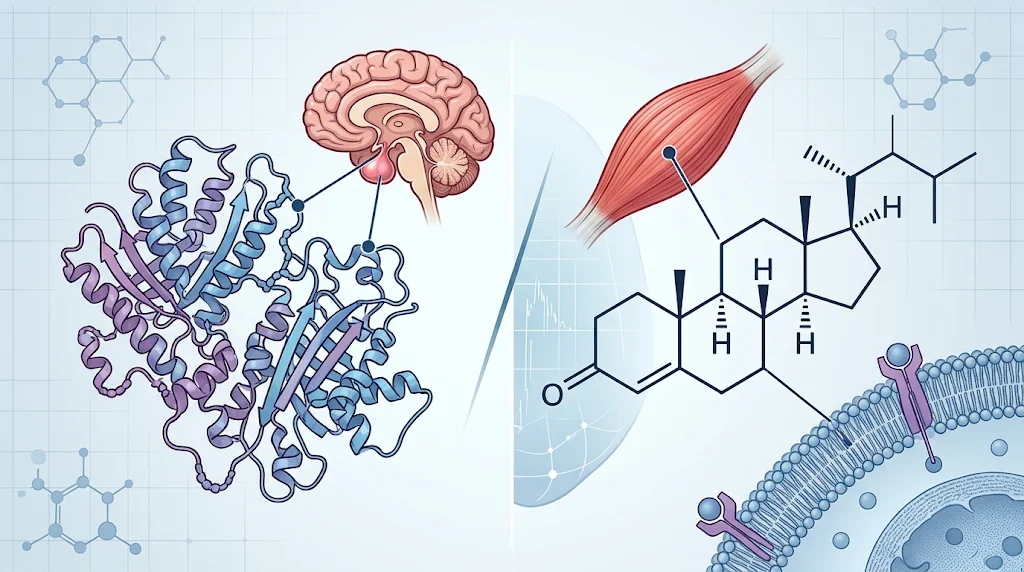
Your brain and spinal cord contain opioid receptors. These receptors help control how you feel pain. When hydrocodone enters your bloodstream, it attaches to these receptors and changes two things:
- How your brain senses pain. The pain signal is still there, but it feels weaker and less distressing.
- How your body reacts to pain. Many people feel calmer and more relaxed.
Those same receptors also affect breathing, digestion, and mood. This explains why hydrocodone can cause drowsiness, constipation, and slowed breathing. The effect that helps your pain and the effects that cause side effects come from the same process.
Hydrocodone Compared With Other Opioids
Hydrocodone belongs to a large group of opioid medicines. Doctors often compare it with these:
- Oxycodone: Similar in action and often considered slightly stronger milligram for milligram
- Codeine: Weaker, and partly converted to morphine in the body
- Morphine: The reference standard against which other opioids are measured
- Tramadol: A different type of opioid with extra effects on serotonin
No single opioid is best for everyone. Your doctor picks one based on your pain, your health history, your other medicines, and your risk of side effects.
Main Medical Uses of Hydrocodone
Understanding the specific situations where doctors prescribe hydrocodone helps you see why it is used and why it is limited.
Short-Term Relief of Acute Pain
This is the most common use. Acute pain starts suddenly and usually has a clear cause. It improves as the body heals. Hydrocodone is generally reserved for acute pain that is moderate to severe.
After Surgery
Pain after an operation can be intense in the first few days. Doctors may prescribe a short course of hydrocodone with acetaminophen to help you move, sleep, and begin recovery. Current guidance encourages the lowest effective dose for the shortest possible time. For many procedures, a few days is enough.
After Injury or Trauma
Broken bones, severe sprains, and other injuries can cause pain that over-the-counter medicine cannot control. A short course of hydrocodone can bridge that gap while you heal.
After Dental Procedures
Wisdom tooth removal and other oral surgery are common reasons for a hydrocodone prescription. Many dentists now start with ibuprofen and acetaminophen and keep opioids as a backup.
Chronic Pain Management (Extended-Release Only)
Some people live with severe, ongoing pain that does not respond to other treatments. For these patients, doctors may prescribe an extended-release hydrocodone tablet. It releases the drug slowly over many hours, so it can be taken on a schedule rather than as needed.
These products carry strong warnings:
- They must be swallowed whole
- Crushing, chewing, or dissolving them can release the full dose at once, which can be fatal
- They are for people who already need daily, long-term opioid treatment
Chronic opioid therapy needs regular follow-up. Doctors check whether the medicine is still helping and whether the risks are still acceptable.
Cough Suppression
Hydrocodone also reduces the cough reflex. When combined with homatropine, it appears in some prescription cough syrups and tablets. These products are for adults with a cough that has not responded to other treatments. Health regulators have restricted opioid cough medicines in children and teenagers because the risks outweigh the benefits for young people.
Common Hydrocodone Combination Products
Most hydrocodone prescriptions are not plain hydrocodone. They are combination products, which pair the opioid with another pain reliever or a different type of drug.
Hydrocodone and Acetaminophen
This is the most widely prescribed form. Brand names include Norco and Lortab. The two ingredients work in different ways, so together they can control pain better than either one alone. Tablets are labeled with two numbers, such as 5/325. The first number is milligrams of hydrocodone. The second is milligrams of acetaminophen.
Because this product contains acetaminophen, you must count every other acetaminophen source you use. High total acetaminophen intake can cause serious liver damage.
Hydrocodone and Ibuprofen
This combination pairs an opioid with a nonsteroidal anti-inflammatory drug (NSAID). It is used for short-term treatment of acute pain. Because it contains ibuprofen, it carries the usual NSAID cautions, including stomach bleeding, kidney strain, and heart risks.
Hydrocodone and Homatropine
This is the cough product described above. Homatropine is added mainly to discourage overuse.
Extended-Release Hydrocodone
These tablets and capsules contain hydrocodone alone and are made for round-the-clock pain control. They are not used for pain that comes and goes.
Who Should Not Take Hydrocodone?
Hydrocodone is not safe for everyone. Tell your doctor before starting it if any of the following apply to you.
- Breathing problems: Asthma that is severe or uncontrolled, chronic lung disease, or sleep apnea can make slowed breathing more dangerous.
- A blockage in the stomach or intestines: Opioids slow the gut and can make this worse.
- A past allergic reaction to hydrocodone, acetaminophen, ibuprofen, or any ingredient in the tablet.
- Liver disease or heavy alcohol use: This matters most for products that contain acetaminophen.
- A history of addiction or misuse: This includes drugs, alcohol, and prescription medicines.
- Head injury or raised pressure inside the skull: Opioids can hide symptoms and affect breathing.
- Kidney disease, adrenal problems, or an enlarged prostate: These conditions may need dose changes or closer monitoring.
- Pregnancy or plans to become pregnant: Using opioids late in pregnancy can cause withdrawal in the newborn.
- Breastfeeding: Hydrocodone can pass into breast milk and may cause sleepiness or breathing trouble in the baby.
Older adults are more sensitive to opioids. They have a higher chance of confusion, falls, and slowed breathing. Doctors usually start older patients on lower doses.
Hydrocodone Side Effects
Every person reacts differently. Some feel very little. Others feel the effects strongly, especially in the first few doses.
Common Side Effects
- Drowsiness or sleepiness
- Dizziness or lightheadedness
- Nausea and vomiting
- Constipation
- Dry mouth
- Itching or sweating
- Headache
- Feeling relaxed or mildly confused
Constipation deserves special mention. Opioids slow the movement of food through the gut, and this side effect usually does not fade with time. Drinking plenty of fluids, eating fiber, staying active, and asking your pharmacist about a stool softener or gentle laxative can help.
Serious Side Effects: Get Emergency Help
Call 911 or your local emergency number right away if you or someone else has:
- Very slow, shallow, or noisy breathing
- Extreme sleepiness or cannot be woken
- Blue or gray lips or fingertips
- Pinpoint pupils with confusion
- A seizure
- Swelling of the face, lips, or throat, or trouble breathing after taking a dose
Contact your doctor promptly for severe stomach pain, yellowing of the skin or eyes, dark urine, a fast or irregular heartbeat, fainting, unusual agitation, or a skin rash.
Naloxone: A Rescue Medicine
Naloxone can temporarily reverse an opioid overdose. In the United States, some naloxone nasal sprays are now sold without a prescription. Many doctors recommend keeping one at home when opioids are prescribed. Make sure family members know where it is and how to use it. Naloxone does not replace emergency care. Always call for help as well.
Drug and Alcohol Interactions
Hydrocodone interacts with many substances. Some interactions are dangerous.
Substances That Increase Breathing and Sedation Risks
- Alcohol: Never drink alcohol while taking hydrocodone.
- Benzodiazepines such as alprazolam, lorazepam, and diazepam
- Sleep medicines, muscle relaxants, and other opioids
- Gabapentin and pregabalin, which can add to drowsiness
- Cannabis and some antihistamines
Medicines That Change How Hydrocodone Is Processed
Hydrocodone is broken down mainly by a liver enzyme called CYP3A4. Some drugs slow this enzyme and raise hydrocodone levels in the blood. Examples include certain antifungals, certain antibiotics such as clarithromycin, and some HIV medicines. Others speed it up and can make hydrocodone less effective. If you stop one of these medicines while taking hydrocodone, your hydrocodone level can change suddenly.
Serotonin and MAOI Concerns
Combining opioids with some antidepressants or migraine medicines can rarely cause serotonin syndrome, a serious condition. MAO inhibitors are especially risky. Always give your doctor a full list of your medicines, supplements, and herbal products.
Risk of Dependence and Misuse
Hydrocodone can cause physical dependence even when taken exactly as prescribed. Your body adapts to the drug, and stopping suddenly can cause withdrawal symptoms such as sweating, restlessness, muscle aches, diarrhea, and trouble sleeping.
Physical dependence is not the same as addiction. Addiction, now often called opioid use disorder, involves cravings, loss of control, and continued use despite harm.
The risk rises when someone:
- Takes more than prescribed or takes doses closer together
- Uses the medicine for reasons other than pain, such as stress or sleep
- Takes someone else’s prescription
- Has a personal or family history of substance use problems
If you notice that you are taking hydrocodone for emotional reasons, needing more for the same effect, or feeling afraid to run out, talk to your doctor early. Help is available, and effective treatment exists. In the United States, the SAMHSA National Helpline at 1-800-662-4357 offers free, confidential support at any hour.
Tips for Using Hydrocodone Safely
- Take it exactly as prescribed. Do not increase the dose or shorten the time between doses on your own.
- Use the lowest dose that works, and stop when your pain no longer needs it.
- Check every label for acetaminophen. Many cold, flu, and sleep products contain it. Ask your pharmacist to confirm your daily total stays within the safe limit.
- Do not drink alcohol. Wait until your doctor says it is safe.
- Avoid driving and machinery until you know how the medicine affects you.
- Swallow extended-release products whole.
- Never share your medicine, and never take someone else’s.
- Keep naloxone available if your doctor recommends it.
- Ask about stopping. If you have taken hydrocodone for more than a few weeks, ask your doctor how to taper rather than quitting suddenly.
- Keep a medicine list and bring it to every appointment.
Safe Storage and Disposal
Opioids are a leading cause of accidental poisoning in children and of misuse inside the home. Treat them like something that must be locked away.
- Store hydrocodone in a locked cabinet or lockbox, out of sight and reach
- Keep it in the original labeled container
- Count your tablets and note when they run low
- Never leave medicine in a purse, gym bag, or car
When you no longer need the medicine, remove it from your home. The best option is a drug take-back program at a pharmacy, hospital, or police collection site. If none is available, follow the disposal instructions on your medicine guide or check the FDA’s current guidance for at-home disposal.
Alternatives to Hydrocodone
For many people, an opioid is not the best first choice. Depending on the type of pain, your doctor may suggest:
- Acetaminophen, ibuprofen, or naproxen, used correctly
- Ice, heat, rest, and elevation
- Physical therapy and gentle movement
- Nerve blocks or local anesthetic injections
- Medicines for nerve pain, such as certain antidepressants or anticonvulsants
- Cognitive behavioral therapy and other pain coping skills
Non-opioid plans often work as well as opioids for common conditions and carry fewer risks. Ask your doctor whether one fits your situation.
When to Talk to Your Doctor
Contact your doctor or pharmacist if:
- Your pain is not controlled on the prescribed dose
- Side effects are hard to tolerate
- You are pregnant, planning pregnancy, or breastfeeding
- You have started or stopped another medicine
- You are worried about dependence
- You want help reducing or stopping the medicine
Do not adjust the dose yourself. A short conversation can prevent a serious problem.
Conclusion
So, what is hydrocodone used for? It treats moderate to severe pain, mainly for a short time after surgery or injury, and in extended-release form for severe long-term pain. In certain combinations, it also treats cough in adults.
It works well, but it is a strong opioid. Safe use means following your prescription, avoiding alcohol and risky drug combinations, storing the medicine securely, and checking in with your care team often. If you have questions about your own prescription, your doctor and pharmacist are the best people to ask.
FAQ
Is hydrocodone a narcotic?
Yes, hydrocodone is a narcotic analgesic, also known as an opioid pain reliever. It is prescribed for certain types of moderate to severe pain. In the United States, hydrocodone is classified as a Schedule II controlled substance. It carries risks of dependence, misuse, and overdose.
Is hydrocodone used for anxiety or sleep?
No, hydrocodone is not approved to treat anxiety or insomnia. It is intended for pain relief under medical supervision. Using it for sleep or anxiety can cause dangerous sedation and breathing problems. Ask a healthcare professional about appropriate treatments for these conditions.
Can hydrocodone be used for back pain?
Doctors may prescribe hydrocodone for certain cases of severe acute back pain. It is generally not the first choice for routine or long-term back pain. Physical therapy, appropriate exercise, and non-opioid treatments may help. A healthcare professional can recommend treatment based on the cause of your pain.
How long can you safely take hydrocodone?
There is no single safe duration that applies to everyone. For acute pain, doctors generally recommend the shortest effective treatment period. Longer use requires careful monitoring for side effects and dependence. Follow your prescriber’s instructions and never extend treatment on your own.
What happens if I miss a dose?
If you miss a scheduled dose, follow the instructions provided with your prescription. Take it when remembered only if the label’s guidance allows it. If it is nearly time for your next dose, you may need to skip the missed one. Never double a dose to make up for one you missed.
What should I do if I take too much?
Seek emergency medical help immediately if you suspect a hydrocodone overdose. Warning signs include slow breathing, extreme sleepiness, or difficulty waking. Administer naloxone if available and follow emergency responders’ instructions. Stay with the person until help arrives and do not delay treatment.
Is hydrocodone stronger than codeine?
Hydrocodone is generally considered more potent than codeine for pain relief. However, the effects vary depending on the individual and the medication prescribed. Both medicines can cause serious side effects and dependence. Never switch between them or change doses without medical guidance.
Can I stop taking hydrocodone suddenly?
Stopping after a short course may be possible without a taper, depending on your treatment. After prolonged use, suddenly stopping can cause withdrawal symptoms. Your doctor can recommend a gradual reduction when necessary. Seek medical guidance before stopping after regular or long-term use.