

Blog
How Long Does Hydrocodone Last? Duration and Effects

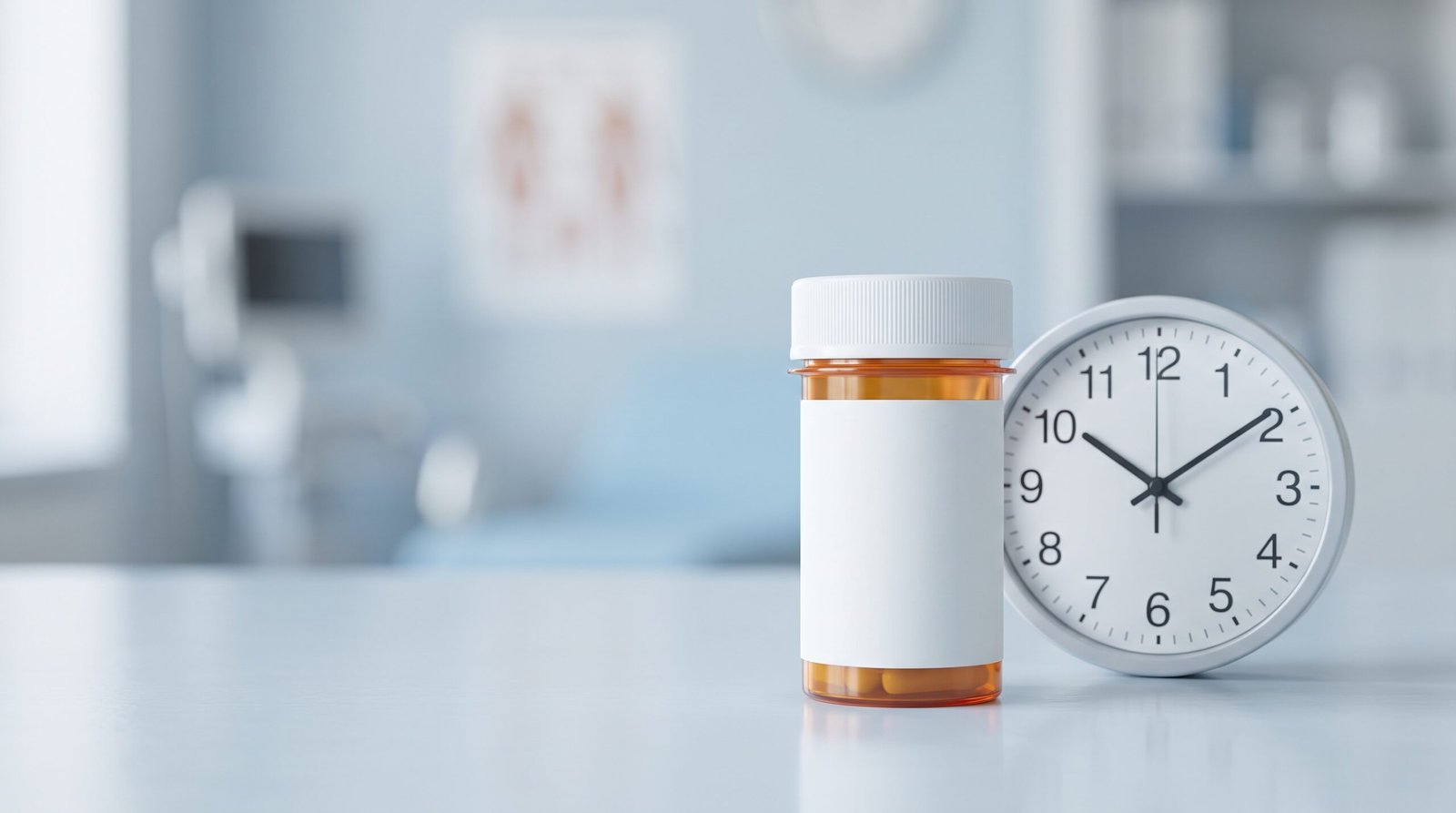
You took your hydrocodone tablet at noon, and now it is four in the afternoon. The pain that had eased earlier is slowly returning, leaving you wondering whether this is normal or whether the medication is no longer working as it should. You may also be concerned about how long hydrocodone remains in your body after your last dose, how long its effects can continue, and whether it is safe to take another medication if the pain becomes difficult to manage. These are common questions for people who have been prescribed hydrocodone for short-term or ongoing pain relief.
The answer depends on what you mean when you ask, “How long does hydrocodone last?” The time it takes to relieve pain, the length of time pain relief continues, the duration of side effects, and the period during which the drug can be detected on a drug test are all different. Immediate-release and extended-release formulations also have different dosing schedules and release patterns, so understanding which formulation you have is important when interpreting how long its effects may last.
In this guide, we will explain how long hydrocodone typically works, how its duration varies between formulations, and how long it may remain detectable in the body. You will also learn which personal and medical factors can affect its effects, what to know about lingering drowsiness, and why you should follow your prescription instructions rather than taking extra medication when pain returns. Understanding these timelines can help you recognize what may be expected, identify warning signs that require medical attention, and make informed decisions about discussing your pain management with a healthcare professional.
The Quick Answer: How Long Does Hydrocodone Last?
For most people:
- Pain relief from immediate-release hydrocodone: about 4 to 6 hours
- Pain relief from extended-release hydrocodone: about 12 hours or longer, depending on the product
- Half-life: roughly 4 hours in many adults
- Detectable in urine: often up to 2 to 4 days
- Detectable in blood: often within about a day
- Detectable in saliva: often within about 1 to 2 days
- Detectable in hair: up to about 90 days
These are typical ranges, not guarantees. Age, liver and kidney function, dose, body composition, and other medicines can all change them.
What Is Hydrocodone?
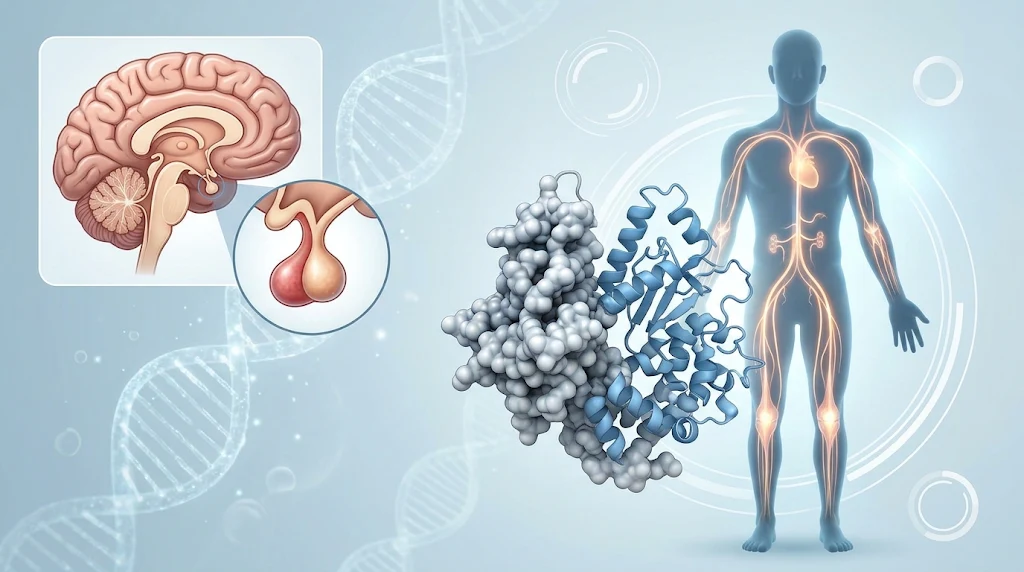
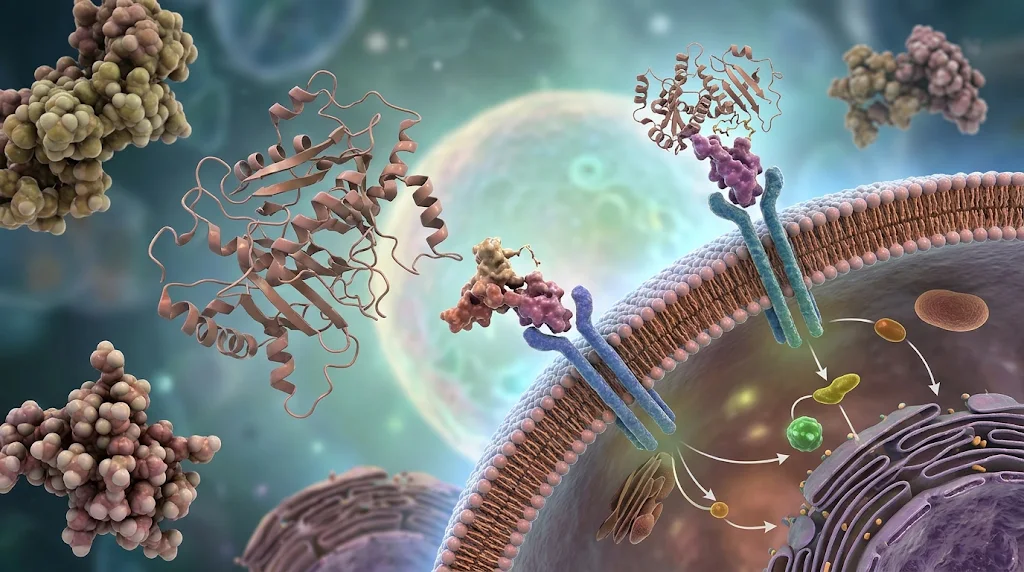
Hydrocodone is an opioid analgesic. It treats moderate to severe pain by acting on opioid receptors in the brain and spinal cord. It is sold in several forms, including tablets, capsules, and liquids, and it is often combined with acetaminophen or ibuprofen.
Immediate-Release vs. Extended-Release
The form you take is the biggest factor in how long a dose lasts.
- Immediate-release (IR): These products begin working fast and wear off in a few hours. They are used for short-term pain, such as pain after surgery or an injury.
- Extended-release (ER): These are designed to release the drug slowly. They are meant for severe, ongoing pain in people who already tolerate opioids and need continuous treatment. They are not for as-needed use.
Why It Matters
If you use an ER product like an IR tablet, you can seriously harm yourself. ER tablets and capsules must never be crushed, chewed, or dissolved. Doing so can release a full day’s dose at once.
How Quickly Does Hydrocodone Start Working?
Before you ask how long it lasts, it helps to know when it begins.
Onset of Action
Immediate-release hydrocodone typically begins to work in about 30 to 60 minutes. Peak effect often occurs around one to two hours after the dose. Food can slow absorption slightly, though it usually does not change how much drug your body takes in.
Extended-release products take longer to build up and are meant to maintain a steady level rather than give a fast hit.
Why Timing Matters
Pain medicine works best when you take it as your doctor directs. Waiting until pain becomes severe can make it harder to control. At the same time, taking extra doses too soon is dangerous. If your pain is not covered between doses, call your prescriber instead of changing the schedule yourself.
Duration of Pain Relief
Immediate-Release Tablets
Most people feel relief for four to six hours. Some feel it wear off sooner, especially if the pain is severe or if they have developed tolerance. Your label will say how often you may take a dose, and that interval is a safety limit, not just a suggestion.
Extended-Release Products
These are meant to give steady relief across 12 hours or more. The exact duration depends on the product design. Take them on a fixed schedule and swallow them whole.
What Pain Relief Feels Like as It Fades
As the drug level falls, you may notice:
- Pain slowly returning to its earlier level
- A return of stiffness or aching
- Less drowsiness and a clearer head
- Restlessness or irritability in some people who use opioids regularly
If you take hydrocodone often, feeling strong discomfort between doses is something to report to your doctor.
What Is the Half-Life of Hydrocodone?
The half-life of a drug is the time it takes for the amount in your blood to fall by half. For hydrocodone, the half-life is roughly four hours in many healthy adults.
Why Half-Life Does Not Equal Pain Relief Time
Pain relief and drug presence are not the same thing. You may stop feeling the pain-relieving effect while some hydrocodone is still in your body. It generally takes about five half-lives for most of a drug to be cleared. For hydrocodone that is around a day, although longer in some people.
How the Body Processes Hydrocodone
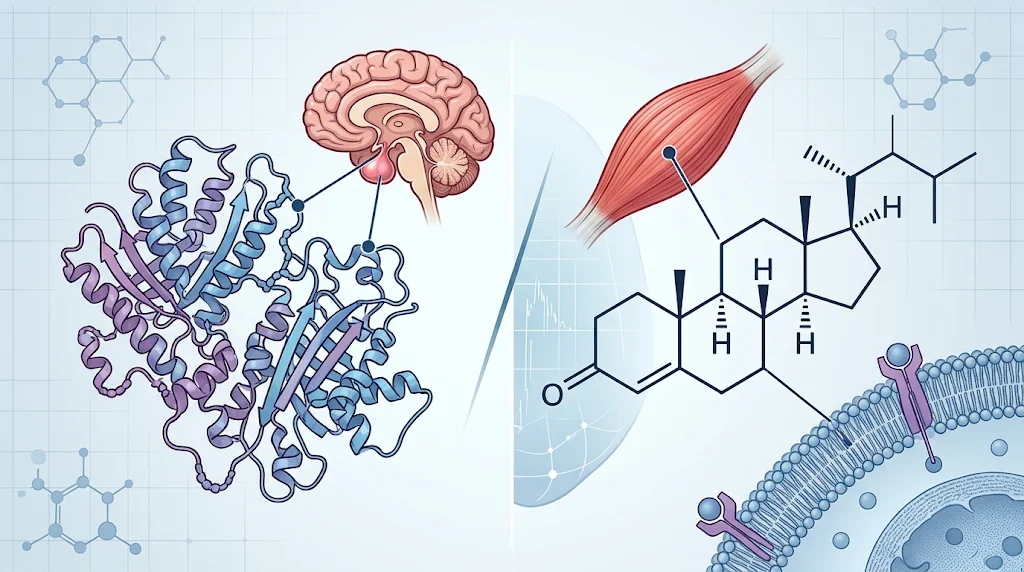
Your liver breaks down hydrocodone using enzymes. The enzyme CYP3A4 turns it into norhydrocodone, and the enzyme CYP2D6 turns some of it into hydromorphone, which is itself an active opioid. The kidneys then remove the byproducts in urine.
Because these enzymes matter, anything that changes how they work can change how long the drug lasts.
Factors That Change How Long Hydrocodone Lasts
Two people can take the same dose and have quite different experiences. These are the main reasons.
Age
Older adults often clear drugs more slowly. A dose can last longer and cause more sedation or confusion.
Liver and Kidney Function
The liver breaks down hydrocodone and the kidneys remove its byproducts. If either organ is weak, the drug may stay in the body longer.
Dose and How Often You Take It
Higher or more frequent dosing leads to a higher level in the body and a longer clearance time. With repeated use, the drug can build up.
Body Weight and Metabolism
Body size, body fat, and metabolic rate can influence how the drug spreads and clears. These effects are smaller than liver and kidney function but still matter.
Genetics
People differ in how active their CYP2D6 and CYP3A4 enzymes are. Some break the drug down faster, and some break it down slower. This is one reason that standard doses work differently for different people.
Other Medicines
Some drugs slow hydrocodone breakdown by blocking CYP3A4. Examples include certain antifungals, some antibiotics, and some HIV medicines. This can raise hydrocodone levels and lengthen the effect. Other drugs can speed up breakdown and make the dose wear off faster. Always give your pharmacist a full list of your medicines and supplements.
Alcohol and Sedatives
Alcohol and benzodiazepines do not just change timing. They add to the sedating and breathing-slowing effects, which makes them dangerous with hydrocodone.
How Often You Use It
Regular users may develop tolerance, meaning a given dose has less effect. This does not mean the drug leaves the body faster. It means the body reacts less to the same amount, which can lead people to take more and increase the risk of harm.
How Long Do Side Effects Last?
Side effects usually follow the same timeline as the drug itself.
Short-Lived Effects
These often fade within hours as the dose wears off:
- Drowsiness
- Dizziness
- Nausea
- Dry mouth
- Feeling relaxed or foggy
Effects That May Last Longer
- Constipation may continue as long as you take the medicine. Fluids, fiber, and a doctor-approved stool softener or laxative can help.
- Fatigue may linger into the next day, particularly with extended-release forms or in older adults.
- Slowed thinking may continue a little after pain relief fades.
Effects You Should Not Ignore
Call your doctor if sleepiness is extreme, if you feel confused for a long time, or if constipation becomes severe. Seek emergency care for slow breathing, blue lips, or inability to wake.
How Long Does Hydrocodone Stay in Your System?
This is the question behind many searches for this topic. Detection times depend on the type of test.
Urine Tests
Urine testing is the most common. Hydrocodone and its byproducts can often be found for about two to four days after the last dose. Regular or heavy use may extend this.
Blood Tests
Blood tests have a shorter window, often around a day, but they are more accurate for showing recent use and current levels.
Saliva Tests
Saliva tests can detect hydrocodone for a shorter time, often one to two days.
Hair Tests
Hair tests have the longest window. They can show use over a period of up to roughly three months.
Important Notes About Testing
- Detection windows vary by person and by test sensitivity.
- If you are prescribed hydrocodone, tell the testing provider about your prescription.
- Do not trust internet “detox” claims. Drinking extra water or using products sold to beat a test does not change how your liver and kidneys process the drug.
How Long Can You Take Hydrocodone?
Hydrocodone is generally meant for short-term use, especially for pain that comes on suddenly.
Short-Term Use
For pain after surgery or injury, many clinical guidelines advise using the lowest dose for the shortest time, often just a few days. Some situations need more, but long courses are not routine.
Long-Term Use
Extended use raises the risk of tolerance, dependence, and addiction. If you have been taking hydrocodone for more than a few days, do not stop it suddenly without asking your doctor. A planned reduction is safer.
Why Doctors Limit Prescriptions
Limits on quantity and refills exist to lower the risk of misuse and accidental harm. In many places, hydrocodone prescriptions have tight rules and cannot be refilled the way many other medicines can.
What Happens When Hydrocodone Wears Off or You Stop It?
Normal Wearing Off
Between doses, you may feel pain return. This is expected and is why dosing schedules exist.
Withdrawal After Regular Use
If your body has become physically dependent, stopping suddenly can cause withdrawal symptoms. Typical signs include:
- Restlessness, anxiety, and irritability
- Muscle aches and sweating
- Runny nose and watery eyes
- Yawning and trouble sleeping
- Nausea, vomiting, and diarrhea
- Goosebumps and stomach cramps
Symptoms often start within a day of the last dose and can last several days. Some mood and sleep problems can last longer. Withdrawal is rarely life-threatening for a healthy person, but it is very uncomfortable, and it can lead to relapse. A doctor can guide a safe taper and treat symptoms.
If You Feel You Cannot Stop
Dependence is a medical condition, not a character flaw. If you feel unable to cut down or you are using more than prescribed, speak with your doctor. In the United States, the SAMHSA National Helpline at 1-800-662-4357 is free and confidential and offers treatment referrals around the clock.
Safety Tips While Hydrocodone Is in Your System
- Do not drive or use machinery until you know how the medicine affects you.
- Avoid alcohol for the entire time you are taking hydrocodone and as long as your doctor advises afterward.
- Do not combine it with benzodiazepines, sleep aids, or other sedatives unless a doctor has specifically planned it.
- Never take extra doses because the first one “wore off.”
- Keep a log of dose times so you do not accidentally double up.
- Store tablets securely and dispose of leftovers through a take-back program.
- Ask about naloxone, a medicine that can reverse an opioid overdose.
Special Situations
Older Adults
Hydrocodone may last longer and cause more falls. Doctors often use smaller doses with more time between them.
Liver or Kidney Disease
Clearance can be slower. Your prescriber may lower the dose or space it out more.
Pregnancy and Breastfeeding
Opioids can affect the baby. After birth, a baby exposed to opioids may have withdrawal. Opioids can also pass into breast milk. Always discuss this with a healthcare professional.
Long-Term Pain
People with chronic pain should work with their doctor on a full plan that may include physical therapy, non-opioid medicines, and other treatments. Opioids are usually not the first choice for ongoing pain.
When to Call Your Doctor
Contact your prescriber if:
- Your pain returns well before the next dose
- You feel the medicine is not working as it used to
- Side effects are hard to tolerate
- You are using the drug longer than planned
- You have questions about stopping safely
Call emergency services if you or someone nearby has very slow breathing, cannot be woken, or has blue lips. In the United States, you can call 911, and Poison Control is available at 1-800-222-1222.
Quick Reference Timeline
Here is a simple summary you can keep in mind:
- 0 to 1 hour: The drug begins to work.
- 1 to 2 hours: Peak effect for immediate-release forms.
- 4 to 6 hours: Pain relief begins to fade for immediate-release forms.
- About 12 hours or more: Typical effect window of extended-release forms.
- 1 to 2 days: Most of a single dose is cleared from the blood.
- 2 to 4 days: Common urine detection window.
Conclusion
So, how long does hydrocodone last? Immediate-release tablets usually give four to six hours of pain relief, while extended-release forms are designed to last about twelve hours or more. The half-life is around four hours, and the drug may be detectable in urine for several days.
Your own timeline can vary based on age, organ health, genetics, and other medicines. The safest approach is to follow your prescription exactly, never take extra doses to extend the effect, and talk to your doctor if the medicine seems to wear off too early or if you want to stop. With careful use and good communication, you can manage pain while lowering the risks.
This article is for general education only and does not replace professional medical advice. Always follow your prescriber’s instructions and your medication label.
Frequently Asked Questions About How Long Hydrocodone Lasts
How many hours does hydrocodone last?
Immediate-release hydrocodone typically provides pain relief for about four to six hours. Extended-release forms are designed to last about twelve hours or longer.
How long does hydrocodone stay in your system after one dose?
Most of a single dose is cleared within about a day, but urine tests may still detect it for roughly two to four days.
How long does hydrocodone last in your blood?
Blood detection is often limited to about a day, though this varies by dose, health, and testing method.
Does hydrocodone last longer if taken with food?
Food may slightly delay when the drug starts working, but it does not usually make it last much longer. Always follow the instructions on your label.
Can I take another dose if my pain returns early?
No. Do not take a dose sooner than your label allows. Call your doctor or pharmacist if your pain is not controlled.
How long does hydrocodone withdrawal last?
Acute withdrawal symptoms often begin within a day of the last dose and may last several days. Some people have sleep or mood changes for longer. A doctor can help with a safe plan to reduce the dose gradually.









9 thoughts on “How Long Does Hydrocodone Last? Duration and Effects”