Blog
Does Hydrocodone Make You Sleep? Drowsiness Explained

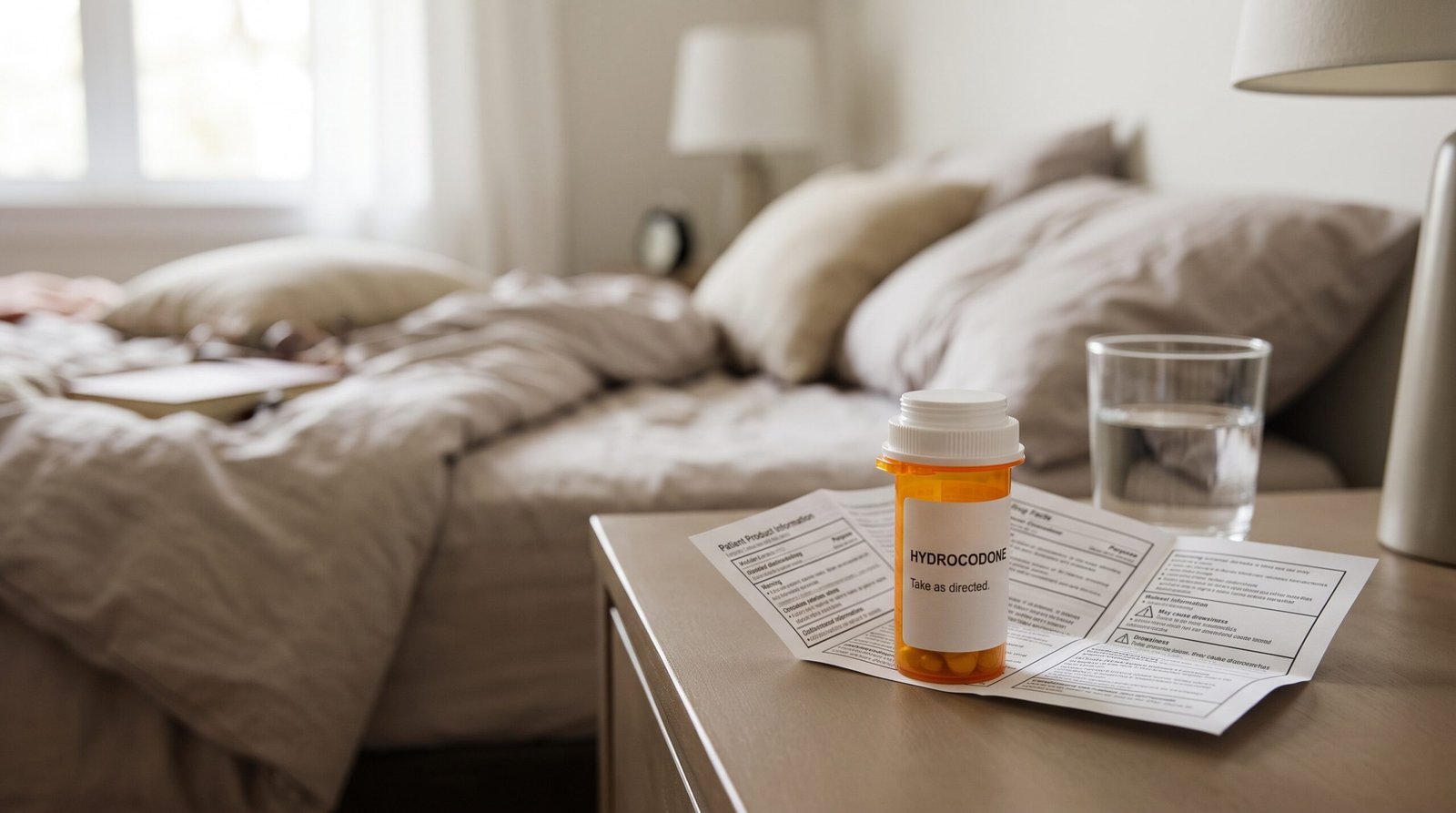
You take your first dose after surgery. Within an hour, your eyelids feel heavy. The pain has softened, the room feels quiet, and you are fighting the urge to nap.
Is that normal? Does hydrocodone make you sleep?
Yes, drowsiness is one of the most common effects of hydrocodone. For many people, it is mild and fades as the dose wears off. But there is a line between normal sleepiness and dangerous sedation, and it is important to know where that line is.
Does Hydrocodone Make You Sleep?
- It commonly causes drowsiness. This is a listed side effect of the medicine.
- It is not a sleep medicine. Hydrocodone is meant for pain, not for sleep.
- Sleepiness is usually strongest 1 to 2 hours after a dose. It generally eases over several hours.
- Mixing with alcohol or sedatives can be dangerous. The combined effect can slow breathing.
- Being hard to wake is an emergency. Call for help right away.
Why Does Hydrocodone Cause Drowsiness?
Hydrocodone is an opioid. It works on opioid receptors in the brain and spinal cord. These receptors help control pain, but they also influence alertness and breathing.
Two Reasons You Feel Sleepy
- A direct effect on the brain. Opioids slow certain brain activity, which can make you feel calm, relaxed, and sleepy. This is called central nervous system depression.
- Pain relief itself. When pain eases, your body may finally relax. If pain had been keeping you awake or tense, you may feel suddenly tired.
The Role of Peak Levels
The medicine usually reaches its highest level in the blood about one to two hours after an immediate-release tablet. That is often when drowsiness is strongest.
How Long Does the Sleepiness Last?
For most people, drowsiness follows the same pattern as pain relief.
| Time after dose | Typical drowsiness pattern |
|---|---|
| 30–60 minutes | Starting to feel heavy or relaxed |
| 1–2 hours | Often the strongest |
| 3–4 hours | Gradually easing |
| 4–6 hours | Mostly worn off for many people |
This is a general pattern for immediate-release tablets. Extended-release products have a longer, steadier effect.
Does It Get Better After a Few Days?
Often, yes. Many people find drowsiness lessens after the first few days as the body adjusts. But the improvement can be uneven. Never assume you are fully alert, especially after a new dose or a dose change.
Is Hydrocodone a Good Sleep Aid? No.
It may seem helpful: you feel sleepy, so maybe it helps you sleep. But opioids are not designed for this, and they can interfere with healthy sleep.
How Opioids Affect Sleep Quality
- They can reduce deep sleep and REM sleep, which are important for restoration.
- They may cause lighter, more broken sleep.
- They can worsen breathing problems during sleep, including sleep apnea.
- You may wake up groggy or unrefreshed.
The Danger of Taking It to Fall Asleep
Taking hydrocodone only to sleep, or taking a bigger dose at night, raises the risk of overdose and dependence. If pain wakes you up at night, call your prescriber for a safer plan instead of adjusting the dose yourself.
Normal Drowsiness vs. Dangerous Sedation
This comparison helps you and your family tell the difference.
| Feature | Normal drowsiness | Dangerous sedation |
|---|---|---|
| Waking | Easy to wake and talk | Hard to wake or does not wake |
| Breathing | Normal, steady | Slow, shallow, noisy, or pauses |
| Skin and lips | Normal color | Pale, blue, or gray |
| Pupils | Normal or slightly small | Very small (pinpoint) |
| Thinking | Slow or foggy but present | Confused, unresponsive |
What to Do in an Emergency
- Try to wake the person by calling their name and shaking their shoulder.
- If they do not respond or breathing is slow or stops, call your local emergency number immediately.
- Give naloxone if you have it and know how to use it.
- Stay with the person until help arrives.
Naloxone can temporarily reverse an opioid overdose, but emergency care is still necessary.
Is It Safe to Sleep After Taking Hydrocodone?
For most people taking the medicine as prescribed, a normal nap or night’s sleep is not a problem. The main concern is when the sleep is unusually deep or breathing slows. That risk rises when:
- You take more than prescribed
- You mix it with alcohol or other sedating drugs
- It is your first dose, or the dose was just increased
- You are an older adult or have breathing problems
- You have sleep apnea
Tips for Safer Rest
- Let a household member know you are taking the medicine.
- Ask someone to check on you if you are taking it for the first time or after a dose change.
- Sleep with your head slightly raised if your clinician agrees.
- Keep naloxone where others can find it, if prescribed.
- Use any prescribed CPAP device if you have sleep apnea.
Substances That Make Drowsiness More Dangerous
One of the main reasons people get into trouble is mixing hydrocodone with other substances that also slow the brain.
Alcohol
Alcohol combined with hydrocodone can cause deep sedation and dangerous slowing of breathing. Avoid alcohol entirely while you are using the medicine.
Benzodiazepines
Medicines such as alprazolam, lorazepam, diazepam, and clonazepam have strong warnings when used with opioids. Do not combine them unless your doctor has weighed the risks and given careful instructions.
Sleep Medicines
Prescription sleep aids such as zolpidem and eszopiclone can add to the sedation. Over-the-counter sleep products with diphenhydramine or doxylamine do the same. Note that some nighttime pain relievers contain diphenhydramine.
Muscle Relaxants and Gabapentinoids
Muscle relaxants such as cyclobenzaprine and medicines like gabapentin and pregabalin may add to drowsiness and breathing effects in combination with opioids.
Other Opioids
Taking more than one opioid at a time increases risk. Always tell each provider about all opioids you use.
Cannabis and Other Drugs
Cannabis and other drugs that cause sedation can add to the effects. Share your full use with your clinician so they can advise you.
Why Your Medicine List Matters
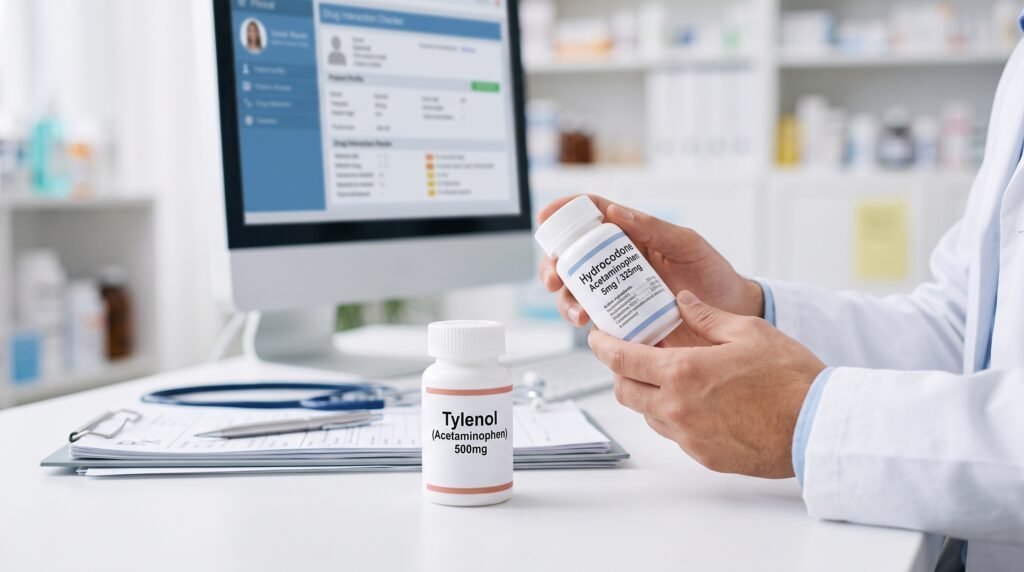
A pharmacist can review everything you take and flag combinations that need extra care. Bring all prescriptions, over-the-counter products, and supplements.
Driving, Work, and Daily Activities
Driving
Hydrocodone can slow your reaction time and affect judgment, even when you feel fine. Do not drive or operate machinery until you know how it affects you. Laws about driving under the influence of prescription drugs apply in many places, so check local rules.
Work and School
If your job needs alertness, such as heavy equipment, caring for others, or high-stakes decisions, talk to your clinician about time off or schedule adjustments.
Home Safety
- Move slowly when standing up
- Keep walkways clear at night
- Avoid ladders and stairs when drowsy
- Do not cook or use stoves when very sleepy
Caring for Children
Be cautious. Sleepiness can reduce your ability to respond to a child’s needs. Arrange help when possible.
Who Is at Higher Risk of Heavy Sedation?
- Older adults
- People with lung disease, asthma, or sleep apnea
- People with liver or kidney disease
- People with a low body weight
- People who have not taken opioids before
- Anyone taking other sedating substances
If you fall into one of these groups, ask your clinician whether a lower starting amount or closer monitoring is appropriate.
How to Manage Daytime Drowsiness
If drowsiness is affecting your day, try these steps. Always check with your clinician before changing any medicine.
- Follow the dosing schedule exactly. Do not take extra to catch up.
- Spread out activities. Plan important tasks for when the effect is lowest.
- Get daylight. Sunlight can help regulate your body clock.
- Move gently. Short walks can improve alertness.
- Stay hydrated and eat regular meals. Low blood sugar and dehydration can add to fatigue.
- Limit caffeine late in the day. A small amount early on may help alertness, but too much can disturb sleep.
- Do not self-treat with stimulants. Ask your clinician before using energy products.
Better Sleep While Recovering From Pain
Good sleep helps healing. Here are non-drug habits that can help.
Create a Sleep-Friendly Setting
- Keep the room cool, dark, and quiet.
- Use pillows to support the injured area.
- Choose a comfortable mattress surface.
Build a Wind-Down Routine
- Keep consistent bedtimes.
- Avoid screens before bed.
- Try slow breathing, gentle stretching, or calming music.
Plan Pain Control Around Bedtime
If pain wakes you at night, tell your clinician. They may adjust the schedule or add non-opioid options such as acetaminophen or an anti-inflammatory if safe for you. They can also recommend positioning, ice, or heat.
Avoid These Sleep Traps
- Alcohol “nightcaps”
- Over-the-counter sleep aids without approval
- Taking extra hydrocodone to sleep
What About Sleep Apnea?
Sleep apnea is a condition where breathing repeatedly stops and starts during sleep. Opioids can worsen it or cause a related problem called central sleep apnea. If you have sleep apnea, tell your clinician before taking hydrocodone. They may recommend close monitoring, CPAP use, or a different pain plan.
Signs You May Have Undiagnosed Sleep Apnea
- Loud snoring
- Gasping or choking at night
- Morning headaches
- Daytime sleepiness even after a full night in bed
When to Call Your Doctor
Contact your clinician if:
- Drowsiness is so strong that you cannot function
- You are confused or having trouble thinking
- You have new or worse snoring or breathing pauses
- You feel dizzy or faint when standing up
- You are tempted to use extra medicine to sleep or to cope
Call Emergency Services If
- You or someone else cannot be woken
- Breathing is very slow, shallow, or stops
- Lips or fingertips turn blue or gray
- The person is limp or unresponsive
Common Myths About Hydrocodone and Sleep
Myth: If it makes me sleepy, it is working better.
Drowsiness is a side effect, not a sign of better pain control.
Myth: A little alcohol will help me relax and sleep.
Alcohol and hydrocodone together can be dangerous, even in small amounts.
Myth: I will always know if I am in danger because I will feel bad.
Sedation and slowed breathing can occur without clear warning. That is why others should know what you are taking.
Myth: Tolerance means I am safe to take more.
Tolerance to pain relief can develop faster than tolerance to breathing effects. Never raise the dose without advice.
Myth: Sleeping it off is always safe.
If someone is very hard to wake, that is not normal sleep. Treat it as an emergency.
Questions to Ask Your Doctor or Pharmacist
- Is it safe for me to take hydrocodone if I have sleep apnea or lung disease?
- Which of my other medicines could add to drowsiness?
- When can I safely drive again?
- What should my family watch for?
- Should I keep naloxone at home?
- What should I do if pain keeps me up at night?
Conclusion
Does hydrocodone make you sleep? It often makes you drowsy, and that is expected. Most people feel it most strongly one to two hours after a dose, and it fades over several hours. But hydrocodone is not a sleep aid, and it can disturb natural sleep.
What matters most is staying alert to the difference between normal drowsiness and dangerous sedation. Avoid alcohol and other sedating drugs, let someone know you are taking the medicine, do not drive until you know how you react, and seek emergency help if anyone cannot be woken or is breathing slowly.
With the right habits, you can rest and heal safely.
FAQ
Why does hydrocodone make me so sleepy?
It slows activity in the central nervous system and relieves pain, which lets your body relax. Both effects can make you drowsy.
How long does hydrocodone drowsiness last?
Usually about four to six hours after an immediate-release dose, with the strongest effect at around one to two hours.
Can I take hydrocodone before bed?
Only if it is part of your prescribed schedule. Do not take it only to fall asleep, and do not take extra doses at night.
Can I sleep right after taking hydrocodone?
Many people do. If it is your first dose or you have other risk factors, have someone check on you.
Is it normal to feel sleepy for days on hydrocodone?
Some drowsiness may last, especially at higher doses. If it limits your daily function, talk to your prescriber.
Can hydrocodone cause trouble breathing while I sleep?
Yes. Opioids can slow breathing and worsen sleep apnea. Tell your doctor about snoring, pauses, or breathing problems.
Can I use melatonin or a sleep aid with hydrocodone?
Ask your pharmacist first. Some sleep aids add to sedation and can be dangerous with opioids.