

Blog
what is hydrocodone acetaminophen 5-325 espanol Safety


You look at your prescription bottle and notice a set of numbers printed on the label: 5/325. You may wonder what these numbers mean, why the medicine contains two different ingredients, or how it is supposed to help manage pain. Perhaps you are trying to understand your own prescription, or maybe a Spanish-speaking family member has asked you to explain the medication in simple words. Whatever brought you here, understanding the label is an important first step toward using prescription medicine safely.
The numbers 5/325 identify the amount of each active ingredient in one tablet. The first number refers to 5 milligrams of hydrocodone, an opioid pain reliever. The second number refers to 325 milligrams of acetaminophen, a non-opioid pain reliever also known as paracetamol in many countries. These two ingredients work differently, and the combination may be prescribed for moderate to severe pain when other treatments are not sufficient.
However, knowing what the numbers mean is only part of the picture. Hydrocodone can cause drowsiness, impair judgment, and slow breathing, while taking too much acetaminophen can cause serious liver damage. That is why understanding the prescription instructions, recognizing potential medication interactions, and knowing which warning signs require medical attention are all essential.
This guide explains hydrocodone acetaminophen 5-325 in clear, easy-to-understand English. It covers what the medication contains, what it is used for, important precautions, and common questions patients and caregivers may have. It also includes a Spanish summary (resumen en español) to help Spanish-speaking patients and family members understand the essential information without struggling through complicated medical terminology.
Whether you are reading a prescription label for the first time, helping a loved one understand their medication, or looking for reliable general information before speaking with a healthcare professional, the goal is to make the subject easier to understand.
Important: This article is for educational purposes only and does not replace personalized medical advice. Always follow the instructions provided by your prescriber, and ask your doctor or pharmacist if you are uncertain about your dose, other medicines you take, or how long you should use this medication.
what is hydrocodone acetaminophen 5-325 espanol
Hydrocodone acetaminophen 5-325 is a prescription pain medicine. Each tablet contains:
- 5 mg of hydrocodone bitartrate, an opioid pain reliever
- 325 mg of acetaminophen, a non-opioid pain reliever and fever reducer
Doctors prescribe it for short-term relief of pain that is moderate to severe, when non-opioid treatments are not enough. It is a Schedule II controlled substance in the United States.
En español, en pocas palabras: La hidrocodona con acetaminofén 5/325 es un medicamento recetado para el dolor de moderado a intenso. Cada tableta tiene 5 mg de hidrocodona y 325 mg de acetaminofén.
What Does “5-325” Mean on the Label?
The two numbers always appear in the same order. The first number is the hydrocodone dose. The second is the acetaminophen dose. Both are measured in milligrams (mg) per tablet.
Reading the Strength Step by Step
- Find the numbers on the bottle, such as 5/325 or 5-325.
- The number before the slash or dash is hydrocodone: 5 mg.
- The number after it is acetaminophen: 325 mg.
- Multiply by the number of tablets to find your totals.
Here is a simple example. If you take two tablets, you take 10 mg of hydrocodone and 650 mg of acetaminophen. If you take four tablets in a day, your acetaminophen total from this medicine is 1,300 mg.
Other Strengths You May See
The 5/325 tablet is the lowest-strength version in common use. Other versions keep the acetaminophen at 325 mg but raise the hydrocodone, for example 7.5/325 and 10/325. Higher strengths carry a higher opioid dose per tablet. Never swap one strength for another without asking your pharmacist.
What Is It Used For?
The main use is short-term treatment of acute pain. Acute pain begins suddenly, has an identifiable cause, and improves over days or weeks.
Common Situations
- Recovery after surgery
- Broken bones and serious injuries
- Dental procedures, such as wisdom tooth removal
- Severe pain from kidney stones or similar conditions, as directed by a doctor
Doctors choose this combination because it is a milder opioid strength paired with acetaminophen. The acetaminophen adds pain control, so a lower amount of opioid may be enough.
What It Is Not For
This medicine is not meant for mild headaches, everyday aches, trouble sleeping, anxiety, or stress. Don’t use it just because a prescription is left over. Using it for the wrong reasons raises the chance of dependence and overdose.
How the Two Ingredients Work Together
The tablet combines two medicines that fight pain in different ways. This is called multimodal pain relief.
Hydrocodone
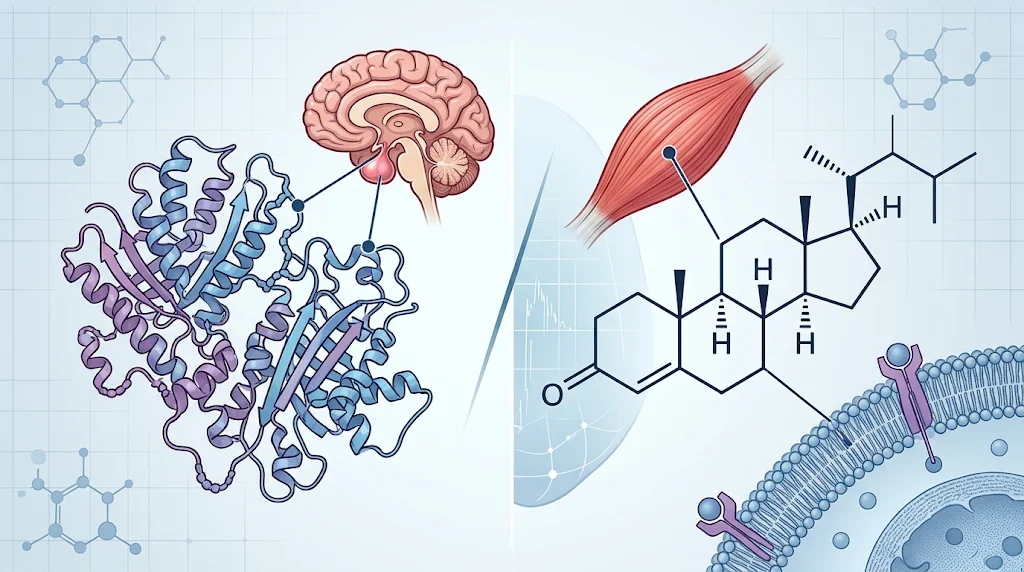
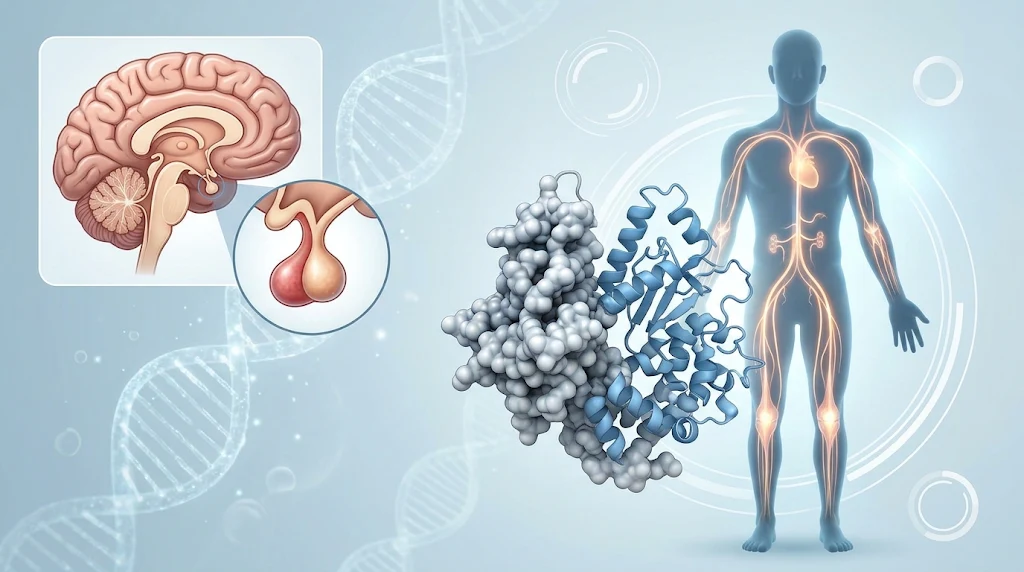
Hydrocodone attaches to opioid receptors in the brain and spinal cord. This changes how the brain perceives pain, so the pain feels less intense. The same receptors affect breathing, digestion, and alertness, which is why hydrocodone can cause drowsiness, constipation, and slowed breathing.
Acetaminophen
Acetaminophen, known in many countries as paracetamol, reduces pain and fever. It works mainly in the central nervous system and does not cause the stomach bleeding that anti-inflammatory drugs can. Its major danger is liver injury when too much is taken.
Together, the two ingredients deliver stronger relief than either would at the same dose alone.
Brand Names and Generic Names
Most pharmacies fill this prescription with a generic tablet labeled hydrocodone bitartrate and acetaminophen. Brand names that have been sold include Norco and Lortab. The generic and brand versions contain the same active ingredients. Tablets can differ in color, shape, and markings between manufacturers.
If your tablets look different after a refill, do not assume there was a mistake. Do not take them blindly either. Ask the pharmacist to confirm that the new tablets match your prescription.
How to Take Hydrocodone Acetaminophen 5-325 Safely
Your doctor decides how many tablets you take and how often. The instructions on your pharmacy label come first. These general rules apply to everyone:
- Follow the label exactly. Do not take extra tablets for stronger pain and do not shorten the time between doses.
- Take it with food or milk if it upsets your stomach.
- Use the shortest course possible. Many people need it for only a few days.
- Swallow tablets whole with water, unless your pharmacist says otherwise.
- Write down each dose and the time. This prevents accidental double dosing, especially after surgery when you may be tired.
- Do not drink alcohol. It can slow your breathing dangerously.
- Do not drive or use machinery until you know how the medicine affects you.
If you miss a dose, take it when you remember if you still have pain. Skip it if the next dose is near. Never take two doses together to catch up.
Acetaminophen Limits and Liver Safety
Acetaminophen is safe at proper doses and dangerous in excess. Liver damage can happen without early warning signs, and it can be severe. Labels in the United States list a maximum of 4,000 mg of acetaminophen per day from all sources, and many clinicians recommend staying below that amount, especially for people who drink alcohol, have liver disease, or are small or older. Ask your pharmacist for your personal daily limit.
Hidden Sources of Acetaminophen
Many products contain acetaminophen, sometimes listed as APAP, acetaminofén, or paracetamol. Check labels on:
- Cold and flu remedies
- Allergy and sinus products
- Nighttime sleep aids
- Headache and migraine medicines
- Other prescription pain tablets
Taking one of these along with hydrocodone acetaminophen is one of the easiest ways to exceed the daily limit by accident.
Signs of Liver Trouble
Seek medical help quickly if you notice nausea that does not go away, pain in the upper right abdomen, yellow skin or eyes, dark urine, unusual tiredness, or loss of appetite. If you think you took too much acetaminophen, call poison control or go to an emergency room even if you feel fine. Early treatment works best.
Side Effects
Common Side Effects
- Sleepiness and dizziness
- Nausea or vomiting
- Constipation
- Dry mouth
- Lightheadedness when standing up
- Itching
For constipation, drink water, add fiber, stay active, and ask your pharmacist about a stool softener or mild laxative. Do not wait until you are uncomfortable.
Serious Side Effects
Call 911 or local emergency services for:
- Slow, shallow, or stopped breathing
- Extreme drowsiness or inability to wake up
- Blue lips or fingertips
- Swelling of the face, lips, tongue, or throat
- Seizure
Tell your doctor right away about fainting, a fast or uneven heartbeat, a severe skin rash or blistering, confusion, or serious stomach pain. A rare but serious skin reaction has been linked to acetaminophen, so any new rash should be taken seriously.
Warnings and Precautions
Hydrocodone acetaminophen carries a boxed warning, the strongest type the FDA issues. It covers addiction and misuse, slowed breathing, accidental ingestion by children, dangerous interactions with sedatives, and liver injury from acetaminophen.
Tell Your Doctor If You Have
- Lung disease, asthma, or sleep apnea
- Liver or kidney disease
- A history of drug or alcohol problems
- A head injury or seizures
- Low blood pressure or trouble swallowing
- Thyroid, adrenal, or prostate problems
- Depression or other mental health conditions
Older adults are more likely to become dizzy, confused, or fall, so doctors usually begin with careful dosing.
Drug and Alcohol Interactions
Some combinations can be life-threatening. Never mix this medicine with:
- Alcohol
- Benzodiazepines such as alprazolam or diazepam
- Other opioids or opioid cough products
- Sleeping pills, muscle relaxants, and sedating antihistamines
- Gabapentin or pregabalin, unless your doctor has approved it and is monitoring you
Certain antibiotics, antifungals, and HIV medicines can raise hydrocodone levels in your blood by blocking the liver enzyme CYP3A4. Other drugs can lower hydrocodone levels. Tell every doctor and pharmacist about everything you take, including vitamins and herbal products. Some antidepressants and MAO inhibitors can also interact, with a rare risk of serotonin syndrome.
Dependence, Misuse, and Withdrawal
Hydrocodone can cause physical dependence even when used correctly. After longer use, stopping suddenly may bring restlessness, sweating, body aches, stomach upset, and trouble sleeping. Doctors prevent this by lowering the dose gradually.
Dependence is not the same as opioid use disorder. Warning signs of misuse include taking tablets for stress, needing more over time, hiding use, or running out early. If any of this sounds familiar, speak to your doctor without shame. Effective treatment exists. In the United States, the SAMHSA National Helpline (1-800-662-4357) is free, confidential, and open at all hours, with Spanish-speaking service available.
Pregnancy and Breastfeeding
Opioid use in late pregnancy can cause withdrawal symptoms in a newborn. Hydrocodone also passes into breast milk and can make a baby sleepy or affect breathing. If you are pregnant, planning pregnancy, or nursing, talk to your doctor before you take this medicine. Do not stop on your own without medical guidance if you are already dependent.
Safe Storage and Disposal
Children can be seriously harmed by a single tablet. Protect your household.
- Lock the medicine away, out of sight and reach
- Keep it in the original container with the label
- Never share it or leave it where visitors can reach it
- Count tablets regularly
When you no longer need it, use a pharmacy or police take-back program. If that is not possible, follow the disposal directions on your medication guide or the FDA’s current instructions.
Resumen en español: Hidrocodona con acetaminofén 5/325
Esta sección resume los puntos más importantes para pacientes y familias de habla hispana. No sustituye el consejo de su médico o farmacéutico.
¿Qué es la hidrocodona con acetaminofén 5/325?
Es un medicamento recetado que combina un analgésico opioide (hidrocodona, 5 mg) con acetaminofén (325 mg). Se usa para aliviar el dolor de moderado a intenso por un tiempo corto, por ejemplo después de una cirugía o una lesión.
¿Cómo se toma?
- Tome la tableta exactamente como lo indicó su médico.
- No tome más tabletas ni con más frecuencia de lo recetado.
- Puede tomarla con alimentos si le causa malestar de estómago.
- Use el medicamento por el menor tiempo posible.
Precauciones importantes
- No beba alcohol mientras toma este medicamento.
- Revise las etiquetas de otros productos. Muchos medicamentos para el resfriado y la gripe contienen acetaminofén. Tomar demasiado puede dañar el hígado.
- No lo combine con pastillas para dormir, benzodiacepinas u otros opioides sin hablar con su médico.
- No conduzca ni use maquinaria si siente sueño o mareo.
- Guárdelo bajo llave, lejos de los niños.
¿Cuándo llamar al 911?
Llame al 911 si la persona respira muy despacio o con dificultad, no despierta, tiene los labios azulados o presenta hinchazón de la cara o la garganta. En caso de una sobredosis o ingestión accidental, también puede llamar al Centro de Control de Envenenamientos al 1-800-222-1222, donde hay atención en español.
Efectos secundarios comunes
Sueño, mareo, náuseas, vómitos, estreñimiento y sequedad en la boca. Si tiene estreñimiento, beba agua, coma fibra y consulte con su farmacéutico.
Conclusion
Hydrocodone acetaminophen 5-325 combines 5 mg of an opioid with 325 mg of acetaminophen to treat short-term pain that is moderate to severe. The numbers on the label tell you what is in each tablet, and that knowledge is your first safety tool.
Take it exactly as prescribed, count every source of acetaminophen, avoid alcohol and sedatives, lock the medicine away, and stop using it once the pain has eased. If you have questions in English or Spanish, ask your pharmacist. Pharmacists can often explain labels in more than one language.
Frequently Asked Questions
Is hydrocodone acetaminophen 5-325 a strong painkiller?
Hydrocodone acetaminophen 5-325 is a prescription combination used to treat certain types of pain. It contains an opioid and acetaminophen, which work differently to relieve pain. It can cause serious side effects, including dependence and slowed breathing. The appropriate strength depends on your medical condition and prescription. Use it only as directed by your healthcare professional.
¿Para qué sirve la hidrocodona con acetaminofén?
La hidrocodona con acetaminofén se utiliza para aliviar el dolor moderado a intenso. Se receta cuando otros analgésicos no proporcionan suficiente alivio. La hidrocodona es un opioide y el acetaminofén ayuda a reducir el dolor. Este medicamento puede causar somnolencia, dependencia y problemas respiratorios graves. Debe utilizarse únicamente bajo supervisión médica y según la receta.
How many 5-325 tablets can I take in a day?
The number of tablets you can take depends on your prescription and medical history. Always follow the exact dosing instructions provided by your prescriber. Remember that other medicines may also contain acetaminophen. Taking too much acetaminophen can cause serious liver damage. Ask your doctor or pharmacist if you are unsure about your daily limit.
Can I take it with ibuprofen or Tylenol?
Ibuprofen may sometimes be used with hydrocodone acetaminophen under medical guidance. Tylenol contains acetaminophen, which is already included in this combination medicine. Taking additional acetaminophen can increase the risk of liver damage. Check with your pharmacist before combining these medicines. Your health conditions and other medications may affect which option is appropriate.
How long does a prescription usually last?
Hydrocodone acetaminophen is often prescribed for short-term relief of acute pain. The treatment duration depends on the condition and the patient’s response. Some prescriptions last only a few days, while others may require different plans. Do not continue taking it longer than prescribed. Ask your doctor when to stop or whether follow-up is necessary.
Is it safe to drive on this medicine?
Hydrocodone acetaminophen can cause drowsiness, dizziness, and slower reaction times. These effects may make driving dangerous, especially when starting treatment or changing doses. Avoid driving until your healthcare professional confirms it is safe. Alcohol and sedating medicines can increase impairment. Follow the warnings on your prescription label.
¿Puedo beber alcohol con este medicamento?
No se recomienda beber alcohol mientras se toma hidrocodona con acetaminofén. El alcohol puede aumentar la somnolencia y ralentizar peligrosamente la respiración. También puede elevar el riesgo de daño hepático por el acetaminofén. La combinación puede provocar una sobredosis potencialmente mortal. Evite el alcohol y consulte a su médico si tiene dudas.
What should I do with leftover tablets?
Store leftover medication securely and keep it away from children and other people. Do not share prescription painkillers with anyone else. Use an authorized medication take-back program whenever possible. If one is unavailable, follow official local disposal instructions. Ask a pharmacist how to dispose of unused tablets safely.
Medical disclaimer: This article is for informational purposes only and does not replace professional medical advice. Always consult a qualified healthcare professional about your diagnosis, medications, and treatment.











One thought on “what is hydrocodone acetaminophen 5-325 espanol Safety”