Blog
Can You Take Methocarbamol With Hydrocodone? Risks

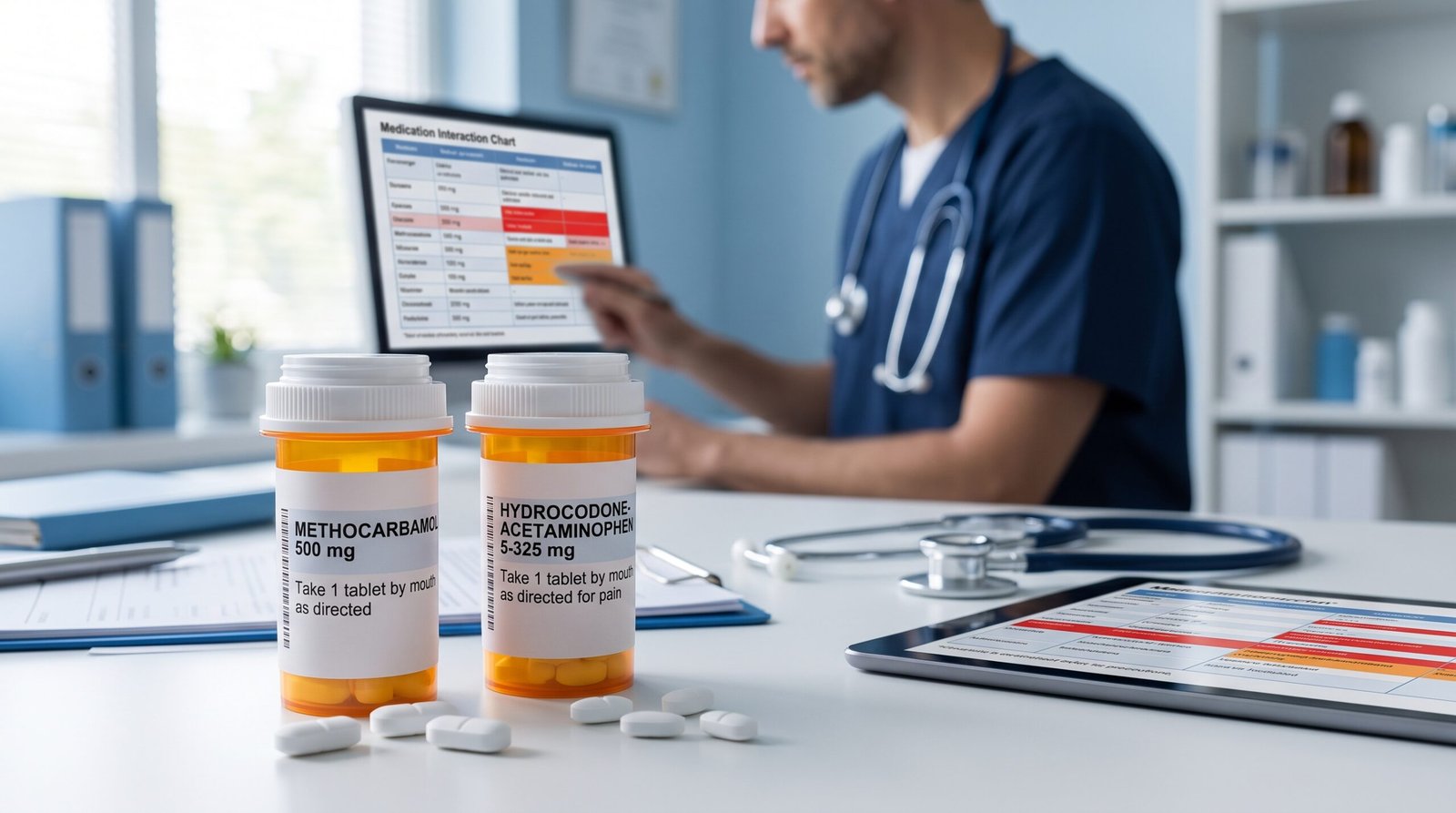
Your back is locked up. Every movement hurts. Your doctor gives you two prescriptions: a muscle relaxer and a strong pain reliever.
Then you read the labels and pause. One is methocarbamol. The other is hydrocodone. Both can make you sleepy.
So, can you take methocarbamol with hydrocodone?
The honest answer is this. Doctors do prescribe both for some people, especially after a muscle injury or surgery. But the combination also carries a serious warning. Together, these drugs can add up to heavy sedation, dizziness, and slowed breathing.
This guide explains what you need to know in plain language. You will learn:
- What methocarbamol and hydrocodone each do
- Why the combination can be risky
- When doctors may still prescribe both
- Who faces the highest danger
- Everyday habits that lower your risk
- Emergency warning signs you should never ignore
This article is for general education only. It is not medical advice. Always follow your prescriber’s instructions.
Quick Answer: Is Methocarbamol Safe With Hydrocodone?
Methocarbamol and hydrocodone are not strictly forbidden together. But they belong to a category of combinations that need care.
Here is what matters most:
- Both are central nervous system (CNS) depressants. They slow brain activity.
- Effects can stack. Drowsiness, confusion, and slow breathing can become stronger.
- Opioids carry a boxed warning. The FDA warns about using opioids with other CNS depressants.
- Your prescriber should know both prescriptions. Never start this combo without that step.
If you already have both medicines at home, do not guess. Call your pharmacist or prescriber and ask for a clear plan.
Understanding Each Medicine
To see why the pairing needs caution, start with how each drug works.
What Is Methocarbamol?
Methocarbamol is a skeletal muscle relaxant. Brand names include Robaxin. It is used for short-term relief of painful muscle conditions, such as strains, sprains, and spasms.
It does not act directly on the muscle. Instead, it works on the nervous system. It dampens signals that cause muscle tightness and discomfort. This is why it often makes people feel calm or sleepy.
Common methocarbamol side effects include:
- Drowsiness
- Dizziness or lightheadedness
- Blurred vision
- Headache
- Nausea
- Feeling “foggy” or slow
A harmless oddity: methocarbamol can turn urine brown, black, or green. This color change is usually not dangerous. Still, mention it to your doctor if you are worried.
What Is Hydrocodone?
Hydrocodone is a prescription opioid pain medicine. It is meant for pain that is severe enough to require an opioid. It is not a first-choice drug for mild pain.
Many hydrocodone tablets also contain acetaminophen. Brand names such as Norco, Vicodin, and Lortab fall into this group.
Common hydrocodone side effects include:
- Sleepiness and slowed reaction time
- Nausea and vomiting
- Constipation
- Dizziness
- Itching
- Slow or shallow breathing, especially in higher-risk situations
The Shared Problem: Both Slow the Nervous System
Here is the key point. Methocarbamol is a muscle relaxant that causes sedation. Hydrocodone is an opioid that causes sedation and can reduce the drive to breathe.
When both are in your body, their effects can combine. Doctors call this an additive effect. In some cases, it becomes more than additive, which raises the risk of a medical emergency.
Why This Combination Gets a Warning
Opioid labels include a boxed warning about taking opioids with benzodiazepines or other CNS depressants. Muscle relaxants fall into the “other CNS depressants” category.
What the Warning Means in Plain Language
The warning says that using these drugs together may lead to:
- Profound sleepiness
- Slowed or stopped breathing
- Coma
- Death
These outcomes are not common for every person. But they are serious enough that regulators want prescribers and patients to take them seriously.
Why Breathing Is the Main Concern
Your brainstem controls your breathing. Opioids can lower the brain’s response to rising carbon dioxide. That means you may not breathe as often as you should.
Add another sedating drug, and the brain may be even less responsive. This is most dangerous when you are asleep, when you are older, or when you have lung disease.
Why Falls and Accidents Also Matter
Even without breathing trouble, the two drugs can cause dizziness and slowed reflexes. This raises the risk of:
- Falls and fractures
- Car crashes
- Kitchen or workplace accidents
- Confusion at night
Why Do Doctors Still Prescribe Methocarbamol and Hydrocodone Together?
You might wonder why a prescriber would ever combine them. The answer is that real-life pain is complex.
Acute Muscle Injuries and Severe Back Pain
A sharp muscle injury can involve both muscle spasm and intense pain. A muscle relaxant targets the spasm. An opioid targets severe pain signals.
In some cases, a doctor weighs the benefits and decides a short course of both is reasonable. They may use lower amounts or shorter time frames to reduce risk.
After Surgery
Some patients receive both medicines after orthopedic or spine surgery. A care team may monitor them closely at first. At home, you must follow the plan carefully.
What Safer Prescribing Looks Like
Responsible prescribing often includes:
- Using the lowest effective amount for the shortest time
- Reviewing your full medication list
- Asking about alcohol, sleep aids, and anxiety medicines
- Screening for breathing problems such as sleep apnea or COPD
- Offering naloxone, a rescue medicine for opioid overdose
- Giving clear written instructions
If your doctor did not discuss these points, feel free to ask.
Who Faces the Highest Risk?
Some people are more vulnerable to the effects of this combination. Be extra careful if any of these apply to you.
Older Adults
Older bodies clear drugs more slowly. Sedation lasts longer. Falls are more dangerous. Many guidelines suggest avoiding muscle relaxants in older adults when possible, because the risks often outweigh the benefits.
People With Breathing Conditions
If you have sleep apnea, COPD, asthma, or another lung problem, sedating drugs can be riskier. Tell your prescriber about every breathing issue, even if it seems mild.
People Who Drink Alcohol
Alcohol is another CNS depressant. Adding it to methocarbamol and hydrocodone is a triple hit. Avoid alcohol completely while you take these medicines.
People Taking Other Sedating Drugs
This includes:
- Benzodiazepines such as alprazolam, lorazepam, and diazepam
- Sleep medicines such as zolpidem
- Sedating antihistamines such as diphenhydramine
- Gabapentin or pregabalin
- Other opioids
- Some antidepressants and antipsychotics
- Other muscle relaxants such as cyclobenzaprine or carisoprodol
Stacking several of these raises risk quickly.
People With Liver or Kidney Problems
Slowed drug clearance can make side effects last longer. Hydrocodone combination tablets with acetaminophen also require careful liver monitoring. Share your full health history.
People With a History of Substance Misuse
Opioids carry a risk of dependence. Add a sedating muscle relaxant, and the risk profile shifts. Be open with your doctor so they can build a safer plan.
What Happens in the Body: Signs You Are Too Sedated
It is normal to feel a little drowsy. It is not normal to feel unable to stay awake or think clearly.
Mild to Moderate Warning Signs
Contact your prescriber or pharmacist if you notice:
- Extreme sleepiness during the day
- Trouble concentrating or speaking clearly
- Unsteady walking or frequent stumbling
- Confusion or memory gaps
- Feeling “too drugged” to function
- Blurred vision or severe dizziness
These signs mean your plan may need adjusting. Do not just push through.
Emergency Warning Signs
Call emergency services right away if someone shows:
- Slow, shallow, or stopped breathing
- Snoring or gurgling sounds that are unusual while sleeping
- Blue or gray lips or fingertips
- Cannot be awakened or is limp
- Very small pupils with unresponsiveness
If naloxone is available, use it as directed, then call for help. Naloxone can wear off before the opioid does, so medical care is still needed.
How to Lower Your Risk if You Are Prescribed Both
If your doctor has approved both medicines, these habits can make a real difference.
Follow the Prescription Exactly
- Take only the amount and schedule on the label
- Do not take extra “to catch up” on pain
- Do not shorten the time between doses
- Do not combine with other sedating drugs unless approved
Start Cautiously at Home
Ask your doctor how to approach the first doses. Some people take the first dose when someone else is home. That way, a family member can notice problems if they appear.
Avoid Driving and Risky Tasks
Do not drive, climb ladders, or use power tools until you know how the medicines affect you. Even after you feel “fine,” reaction time may be slower.
Skip Alcohol and Cannabis
Alcohol and cannabis can both deepen sedation and slow thinking. Many people forget about edible cannabis products, so check those too.
Keep a Medication List
Write down all prescriptions, OTC products, and supplements. Bring the list to every appointment and pharmacy visit.
Watch Out for Acetaminophen Duplicates
If your hydrocodone contains acetaminophen, avoid adding other acetaminophen products without approval. Check labels on cold, flu, and sleep medicines.
Tell Family or Roommates
Let someone you trust know what you are taking. Show them the warning signs of overdose. Make sure they know where naloxone is stored.
Store Medicines Safely
Keep both medicines locked or out of reach of children and visitors. Dispose of leftovers through an approved take-back program.
Non-Drug and Alternative Options to Discuss With Your Doctor
You may not need both medicines. Many people ask about alternatives, and it is worth the conversation.
Non-Drug Approaches
These methods often help muscle pain:
- Ice in the first days, then gentle heat
- Light stretching and walking as allowed
- Physical therapy
- Massage or gentle manual therapy
- Posture and ergonomic changes
- Good sleep and stress management
Other Medicine Options
Your provider may consider non-opioid options first, such as:
- Acetaminophen alone
- NSAIDs such as ibuprofen or naproxen, if safe for you
- Topical pain relievers
- A different muscle relaxant
- A shorter or lower-risk opioid plan
The best choice depends on your pain type, age, and health conditions.
Common Myths About Muscle Relaxers and Opioids
Myth: “If a doctor prescribed both, there is no risk.”
Prescribing does not remove risk. It means your doctor believes the benefits outweigh the risks for you. You still need to follow safety steps.
Myth: “Methocarbamol is mild, so it cannot cause problems.”
Methocarbamol is considered a gentler muscle relaxant for many people. But it still causes sedation, and it still adds to opioid effects.
Myth: “Taking them at different times avoids the interaction.”
Spacing doses may help in some situations, but it does not always prevent overlap. Both drugs stay in your body for hours. Ask your pharmacist about your specific schedule instead of guessing.
Myth: “A little alcohol won’t matter.”
Even small amounts of alcohol can add to sedation. The safest choice is to avoid it.
Related Subtopics People Search For
Methocarbamol vs Cyclobenzaprine With Hydrocodone
Cyclobenzaprine is another muscle relaxant. It is also sedating and also adds to opioid effects. Neither option is risk-free. Your doctor can help you choose.
Methocarbamol and Norco
Norco is hydrocodone with acetaminophen. The same cautions apply, plus the need to track total acetaminophen intake.
Robaxin and Opioid Pain Medication
Robaxin is a brand name for methocarbamol. The same warnings apply when it is combined with any opioid.
Muscle Relaxers and Driving
Most muscle relaxers can affect alertness. Combined with an opioid, impairment can be greater. Plan your transport accordingly.
Conclusion
So, can you take methocarbamol with hydrocodone? Sometimes, but only with medical guidance and extra care.
Key takeaways:
- Both drugs can cause drowsiness and slow the nervous system.
- The combination can increase the risk of slowed breathing and serious sedation.
- Doctors may prescribe both for short periods when the benefits outweigh the risks.
- Older adults, people with breathing problems, and those using alcohol or other sedatives face higher risk.
- Follow the label, avoid alcohol, do not drive until you know your response, and keep naloxone in mind.
- Know the emergency signs and act fast.
If you are unsure, a quick call to your pharmacist is one of the safest steps you can take.
This content is for educational purposes only and does not replace advice from a licensed healthcare professional.
FAQ
Can you take methocarbamol and hydrocodone together?
Doctors may prescribe both medicines for a short time in certain situations. However, combining them can increase drowsiness and slow breathing. The risk depends on your health and other medications. Use them together only if your prescriber approves and provides clear instructions.
Is it dangerous to mix muscle relaxers with opioids?
Yes, combining muscle relaxers with opioids can cause dangerous sedation. Both medicines may slow the central nervous system and breathing. Alcohol and other sedating medicines can increase these risks. Consult your doctor before combining these medications.
How long should I wait between methocarbamol and hydrocodone?
There is no universal waiting time that makes this combination safe. Both medicines can remain active for several hours. Spacing doses does not eliminate the risk of excessive sedation. Ask your pharmacist for guidance based on your prescriptions.
Will methocarbamol make hydrocodone stronger?
Methocarbamol does not directly increase hydrocodone’s pain-relieving potency. However, their sedating effects can add together. This may increase dizziness, drowsiness, and breathing problems. Follow your prescribed instructions and avoid combining them without medical approval.
Can I drive after taking methocarbamol and hydrocodone?
Driving after taking both medicines can be dangerous. They may cause dizziness, drowsiness, and slower reaction times. Avoid driving or operating machinery while their effects may impair you. Ask your doctor when it is safe to resume driving.
What should I do if I took too much?
Seek emergency help immediately if someone is difficult to wake or has slow or abnormal breathing. Use naloxone if available and follow the emergency operator’s instructions. Do not leave the person alone or assume they will recover without help. Contact your local emergency service promptly if an overdose is suspected.