Blog
What Are the Side Effects of Anabolic Steroids? Risks Explained


Anabolic steroids are synthetic substances designed to imitate the effects of testosterone, a hormone that plays an important role in muscle development, bone health, and several other functions in the human body. These substances have certain medical applications when prescribed and monitored by qualified healthcare professionals. However, their non-medical use for increasing muscle size, improving athletic performance, or changing physical appearance can create serious health concerns. Understanding what are side effects of anabolic steroids is important because their effects are not limited to muscle growth. They can influence the cardiovascular system, liver, kidneys, reproductive organs, hormonal balance, skin, and mental health.
Many people focus on the physical changes associated with anabolic steroids without fully considering their possible consequences. Although these substances can affect muscle development, they may also interfere with the body’s natural hormone production and normal biological processes. Some side effects may appear during use, while others can develop gradually or continue after someone stops taking them. The severity of these effects depends on several factors, including individual health, the substance involved, and the duration of exposure. This article explains the major health risks associated with anabolic steroids and why medical supervision is essential.
What Are Anabolic Steroids?
Understanding Anabolic-Androgenic Steroids
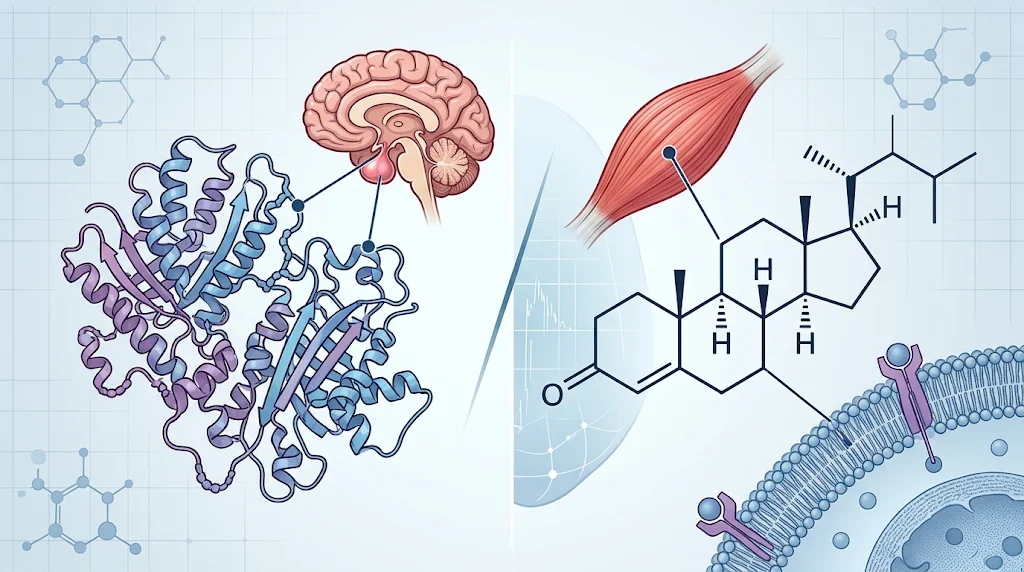
Anabolic steroids, also known as anabolic-androgenic steroids, are manufactured substances that imitate certain effects of testosterone. The term anabolic refers to processes involved in building and maintaining body tissues, particularly muscle tissue. The term androgenic describes effects associated with the development of male sexual characteristics. These two properties explain why anabolic steroids can influence both physical development and reproductive health.
Testosterone is naturally produced by the body and contributes to several important functions. It supports muscle maintenance, bone development, red blood cell production, and reproductive health. Synthetic anabolic steroids interact with the body’s androgen receptors and influence biological processes related to these functions. However, introducing additional synthetic hormones can interfere with the body’s normal hormonal regulation, particularly when substances are used without a medical reason or professional supervision.
How Anabolic Steroids Affect the Body
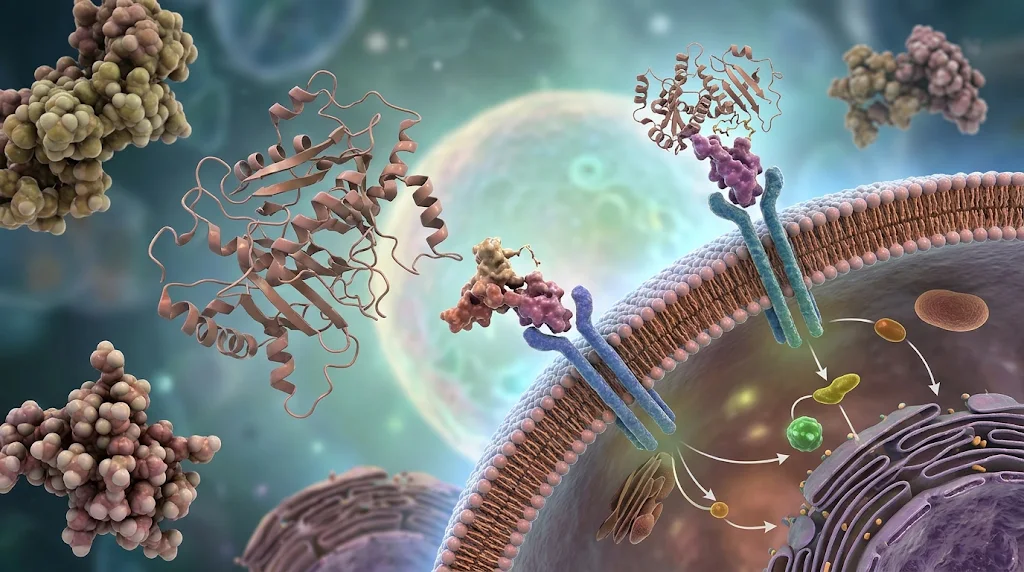
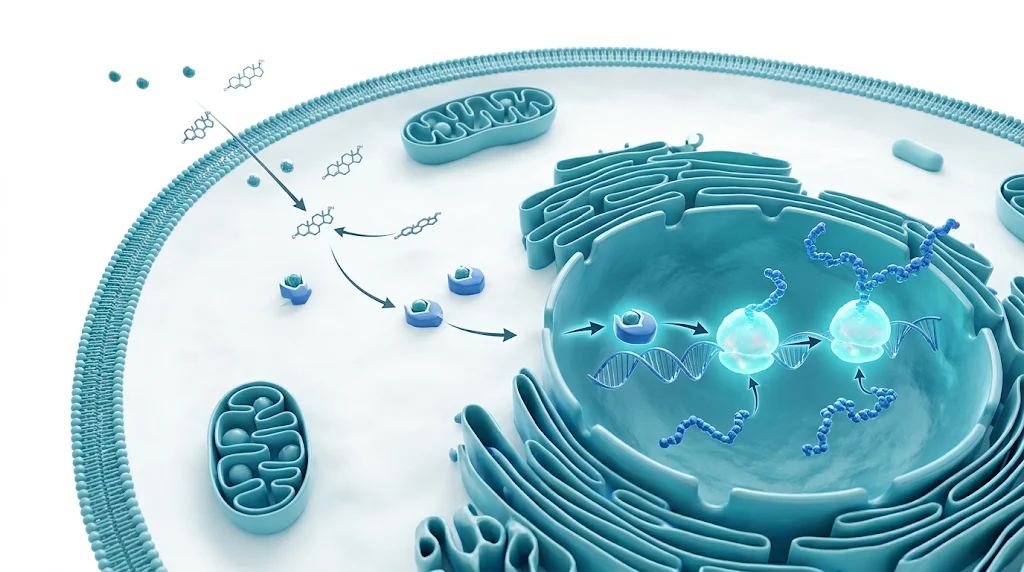
Anabolic steroids influence the body’s hormone signaling system. They interact with androgen receptors in different tissues, affecting cellular activities related to growth, development, and protein metabolism. Although these effects may increase muscle-building processes, they can also disrupt the body’s natural hormonal communication.
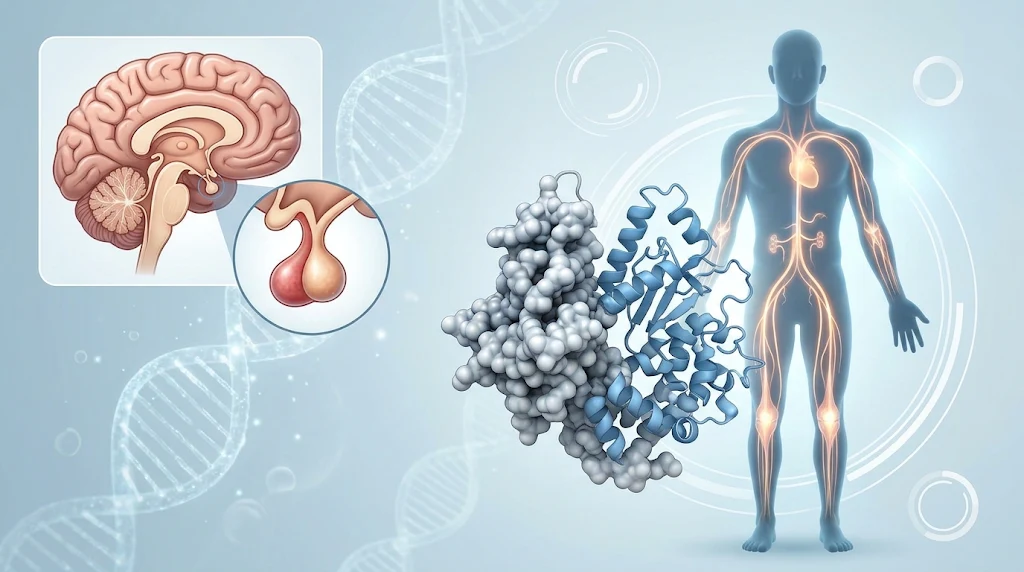
The endocrine system normally maintains a balance between different hormones through several interconnected organs and feedback mechanisms. When synthetic hormones enter this system, the body may reduce its own production of certain hormones. This disruption can affect reproductive functions, mood, metabolism, and other important processes. The effects may become more complicated when exposure continues over an extended period.
Medical Uses of Anabolic Steroids
Anabolic steroids have legitimate medical applications under specific circumstances. Healthcare professionals may prescribe certain medications in this category to treat particular hormone deficiencies, delayed puberty, and muscle loss associated with certain medical conditions. Their use depends on a patient’s diagnosis, medical history, and treatment requirements.
Medical treatment is different from non-medical use for bodybuilding or athletic performance. When a healthcare professional prescribes these medications, the potential benefits and risks are evaluated as part of an individual treatment plan. Using anabolic steroids without an appropriate prescription removes this important medical oversight and increases the possibility of harmful complications.
What Are the Common Side Effects of Anabolic Steroids?
Hormonal Imbalances
Hormonal disruption is one of the most important concerns associated with anabolic steroid misuse. The human body depends on a carefully regulated endocrine system to maintain normal hormone levels. Introducing synthetic testosterone-like substances can interfere with the signals responsible for natural hormone production.
In men, this disruption can reduce the body’s natural testosterone production and affect reproductive functions. In women, it can interfere with menstrual cycles and contribute to changes in androgen-related characteristics. Hormonal imbalances may also influence energy levels, sexual health, emotional well-being, and metabolism. The extent of recovery varies between individuals, and some effects may continue after exposure ends.
Skin Problems and Acne
Skin problems are among the noticeable side effects associated with anabolic steroid misuse. Androgenic activity can stimulate sebaceous glands, which produce the natural oils that protect the skin. Increased oil production may contribute to blocked pores, inflammation, and more severe acne.
These changes can affect the face, chest, shoulders, and back. Some individuals may experience persistent skin irritation and oily skin. Severe acne can also affect emotional confidence and overall quality of life. Although skin symptoms may improve after steroid exposure ends, recovery is not always immediate.
Hair Loss
Anabolic steroids can influence hair growth because androgen-related activity affects hair follicles. Individuals with a genetic tendency toward pattern hair loss may experience increased thinning or accelerated hair loss. The effects can vary depending on personal genetics, hormone sensitivity, and the substances involved.
Hair changes are not limited to the scalp. Some individuals may experience increased facial or body hair growth, particularly when androgen levels are altered. These effects can be especially concerning when they develop alongside other hormonal changes.
Mood Changes and Irritability
Anabolic steroids can influence brain chemistry and emotional regulation. Changes in hormone levels may contribute to irritability, increased emotional sensitivity, mood swings, and changes in behavior. Some individuals may experience heightened aggression or difficulty managing everyday stress.
Mental health effects are not identical for everyone. Personal circumstances, existing mental health conditions, and patterns of substance use can influence the way someone responds. These psychological changes should be taken seriously because they can affect relationships, education, work, and general well-being.
Sleep Problems
Hormonal changes and psychological effects associated with anabolic steroids may interfere with normal sleep patterns. Some individuals experience difficulty falling asleep, disrupted sleep, or changes in their usual sleeping habits. Poor sleep can affect concentration, memory, emotional stability, and physical recovery.
When sleep disturbances continue, they may contribute to fatigue and reduced daily functioning. Sleep problems can also become more noticeable when someone experiences hormonal changes after discontinuing non-medical steroid use.
What Are the Side Effects of Anabolic Steroids in Men?
Reduced Natural Testosterone Production
One of the major risks for men is suppression of natural testosterone production. The body normally regulates testosterone through communication between the brain and reproductive organs. When synthetic anabolic hormones are introduced, this feedback system may reduce the signals that stimulate natural testosterone production.
Lower natural testosterone levels can contribute to fatigue, reduced sexual interest, changes in mood, and difficulties maintaining normal reproductive functions. Recovery depends on several factors, and prolonged exposure may result in persistent hormonal problems. Medical evaluation is important when symptoms develop.
Decreased Sperm Production and Fertility Problems
Anabolic steroid misuse can interfere with sperm production by disrupting the hormones required for normal reproductive function. Even when circulating androgen levels are elevated, the reproductive system may receive signals that reduce its normal activity.
Reduced sperm production can make conception more difficult and may contribute to infertility. Some individuals experience improvement after stopping exposure, but recovery is not guaranteed or immediate. The duration of hormonal disruption and individual reproductive health can influence the outcome.
Breast Tissue Development
Changes in hormone balance can contribute to the development of breast tissue in men, a condition medically known as gynecomastia. This occurs when the relationship between estrogen and androgen activity becomes altered.
Breast tissue development may cause physical discomfort and emotional distress. The condition can sometimes persist even after the original hormonal disturbance has been addressed. Anyone experiencing unexplained breast changes should seek medical evaluation rather than attempting to manage the condition independently.
Testicular Changes
Natural testosterone production and sperm development are closely connected to the normal functioning of the testicles. When anabolic steroids suppress the body’s natural hormonal signals, testicular activity may decrease.
This can contribute to reduced testicular size and impaired reproductive function. These changes are associated with disruption of the body’s endocrine feedback system. Medical assessment can help determine the extent of hormonal and reproductive effects.
Sexual Health Problems
Anabolic steroid misuse can affect several aspects of male sexual health. Hormonal disruption may contribute to reduced sexual interest, erectile difficulties, and changes in reproductive function. These effects may occur during exposure or after someone stops using the substances.
Sexual health is closely connected to hormonal balance, cardiovascular function, and psychological well-being. Therefore, symptoms should not automatically be attributed to one cause. A qualified healthcare professional can evaluate the underlying factors and recommend appropriate care.
What Are the Side Effects of Anabolic Steroids in Women?
Changes in Menstrual Cycles
Anabolic steroids can interfere with the hormonal processes responsible for regulating menstruation. Women who experience hormonal disruption may notice irregular periods, changes in menstrual frequency, or the absence of menstruation.
These changes can indicate that the body’s normal reproductive hormone balance has been affected. Menstrual irregularities should be evaluated by a healthcare professional, particularly when they continue or occur alongside other physical changes.
Increased Facial and Body Hair
Higher androgen activity can influence hair growth patterns in women. This may contribute to increased facial and body hair, particularly in areas where hair growth is normally influenced by androgen hormones.
The extent of these changes varies depending on individual hormone sensitivity and exposure. Some hair-related effects may improve after the hormonal disturbance is addressed, while others can persist.
Voice Changes
Anabolic steroid misuse can cause changes in the voice because androgen activity influences the tissues involved in vocal development. Women may experience a deeper or more masculine-sounding voice.
Voice changes are particularly important because they may not always return completely to their previous state. This makes medical awareness essential before any non-medical exposure to substances that affect androgen activity.
Skin and Hair Changes
Increased androgen activity can contribute to oily skin, acne, and changes in scalp hair growth. Some women may experience pattern hair thinning alongside increased facial or body hair.
These effects reflect changes in how hormone-sensitive tissues respond to androgen activity. The severity varies between individuals, and some changes may continue even after exposure ends.
Hormonal Disruptions
The reproductive system depends on balanced communication between the brain, ovaries, and other hormone-producing organs. Anabolic steroid exposure can interfere with this communication and affect several reproductive functions.
Hormonal disruption may influence menstruation, fertility, mood, and other aspects of general health. Persistent symptoms require professional evaluation to understand whether normal hormonal function has recovered.
Cardiovascular Side Effects of Anabolic Steroids
Increased Blood Pressure
High blood pressure is an important cardiovascular concern associated with anabolic steroid misuse. These substances may influence fluid retention, blood vessel function, and other processes involved in regulating blood pressure.
When blood pressure remains elevated, the heart and blood vessels experience additional strain. Over time, this can contribute to serious cardiovascular complications. Because high blood pressure does not always produce noticeable symptoms, medical assessment is important.
Changes in Cholesterol Levels
Anabolic steroid misuse can negatively affect cholesterol levels. Research has associated these substances with increased low-density lipoprotein cholesterol and reduced high-density lipoprotein cholesterol.
Low-density lipoprotein contributes to the development of plaque inside arteries, while high-density lipoprotein helps transport cholesterol away from certain tissues. Unfavorable changes in these levels can increase cardiovascular risk, especially when combined with other health problems.
Increased Risk of Heart Disease
The cardiovascular system may experience several harmful changes following prolonged anabolic steroid misuse. These can include increased blood pressure, abnormal cholesterol levels, changes in heart structure, and impaired heart function.
Over time, these changes may contribute to coronary artery disease and other serious conditions. Some research has also identified concerns involving reduced heart muscle function among individuals with a history of prolonged anabolic steroid exposure.
Blood Clotting and Stroke Risks
Anabolic steroid misuse has also been associated with changes in blood clotting and increased cardiovascular risk. Blood clots can interfere with normal circulation and may become dangerous when they affect important blood vessels.
A stroke occurs when blood supply to part of the brain becomes interrupted or when bleeding occurs inside the brain. Although individual risk varies, the potential connection between steroid misuse and cardiovascular complications should not be ignored. Sudden chest discomfort, difficulty breathing, or signs of a stroke require immediate emergency medical attention.
Liver and Kidney Problems Associated With Anabolic Steroids
Liver Damage and Abnormal Liver Function
The liver plays an essential role in processing substances, regulating metabolism, and removing waste products from the body. Certain anabolic steroids, particularly some oral formulations, can place significant stress on the liver.
Steroid-related liver complications may include abnormal liver enzyme levels, impaired bile flow, and other forms of liver injury. Symptoms can vary, and some liver problems may develop without obvious early warning signs.
Liver Tumors and Other Complications
Prolonged anabolic steroid misuse has been associated with serious liver conditions, including certain liver tumors and uncommon blood-filled cyst-like abnormalities. These complications can affect normal liver function and may require specialized medical treatment.
The possibility of liver damage highlights why non-medical steroid exposure should not be considered a harmless way to change physical appearance. Medical professionals may use blood tests and other investigations to assess liver health when necessary.
Kidney Stress and Kidney Damage
The kidneys filter waste products from the blood and help maintain fluid and mineral balance. Anabolic steroid misuse may contribute to kidney-related complications through several possible pathways, including high blood pressure and changes in metabolic function.
Kidney damage can interfere with the body’s ability to remove waste and regulate essential substances. Some individuals may develop impaired kidney function, particularly when other health risks are also present. Regular medical evaluation is important when there is concern about possible organ damage.
Mental Health Side Effects of Anabolic Steroids
Anxiety and Depression
Anabolic steroids can influence emotional regulation and mental health. Changes in hormone levels may contribute to anxiety, low mood, and depressive symptoms. These effects can become more noticeable during periods of hormonal disruption, including after someone stops non-medical use.
Mental health symptoms should never be dismissed as ordinary temporary discomfort. Professional support can help individuals understand the causes of these changes and receive appropriate treatment.
Aggression and Mood Swings
Some individuals who misuse anabolic steroids experience increased irritability, aggression, or emotional instability. Changes in brain signaling and hormonal activity may contribute to these reactions.
The effects are not the same for every person, and not everyone experiences increased aggression. However, significant behavioral changes can affect family relationships, friendships, education, and everyday responsibilities.
Changes in Behavior
Psychological effects associated with anabolic steroid misuse may include impulsive behavior, reduced emotional control, and changes in decision-making. Some individuals may also experience more severe psychiatric symptoms, particularly with prolonged exposure or other contributing factors.
These changes can be difficult for individuals and their families to understand. Professional medical and mental health support is important when unusual behavioral changes develop.
Dependence and Psychological Effects
Anabolic steroids can lead to dependence in some individuals. Dependence may involve continued use despite harmful consequences, strong cravings, and difficulty stopping. The desire to maintain physical changes can also contribute to continued use.
Psychological dependence can affect everyday life and make recovery more complicated. Healthcare professionals can assess the situation and provide appropriate support for both physical and emotional health.
What Are the Long-Term Side Effects of Anabolic Steroids?
Long-Term Hormonal Disruption
Long-term anabolic steroid misuse can interfere with the body’s natural hormone production. The endocrine system may take considerable time to recover after exposure, and some individuals experience persistent hormonal abnormalities.
These changes can affect reproductive health, energy levels, mood, and general physical well-being. Recovery is influenced by personal health and the extent of hormonal disruption. It is not possible to guarantee that all hormone-related effects will disappear after stopping exposure.
Cardiovascular Complications
Prolonged exposure may contribute to lasting cardiovascular problems. Changes in cholesterol, elevated blood pressure, and alterations in heart structure can increase the possibility of serious heart-related conditions.
The cardiovascular consequences can be particularly concerning because some abnormalities may remain even after someone stops using anabolic steroids. Early medical assessment can help identify possible problems and determine appropriate treatment.
Fertility Problems
Long-term disruption of reproductive hormones can affect fertility in men and women. In men, reduced sperm production may continue after exposure ends. In women, hormonal changes may interfere with normal reproductive function.
Some individuals experience recovery over time, while others may require specialist assessment and treatment. Fertility concerns should be discussed with a qualified healthcare professional.
Liver and Kidney Complications
The liver and kidneys perform essential functions that support overall health. Long-term anabolic steroid misuse may place additional stress on both organs and contribute to persistent medical complications.
The severity of organ damage depends on several factors, including exposure history and individual health. Some conditions may improve with appropriate medical care, while more serious damage can have lasting consequences.
Persistent Mental Health Effects
Mental health problems can continue beyond the period of anabolic steroid exposure. Hormonal changes, dependence, and difficulties adjusting to physical changes may contribute to ongoing emotional challenges.
Some individuals experience persistent anxiety, low mood, or changes in their relationship with their physical appearance. Appropriate mental health support can help address these concerns and improve overall recovery.
What Happens When Someone Stops Using Anabolic Steroids?
Natural Hormone Production May Take Time to Recover
After anabolic steroid exposure ends, the body’s natural hormone system may need time to regain its normal function. The recovery process is different for each person and depends on individual health, previous exposure, and the degree of hormonal suppression.
Some people experience improvement in hormone production, while others may continue to have low testosterone or other hormonal abnormalities. Medical professionals can assess hormone levels and identify possible complications through appropriate testing.
Possible Withdrawal Symptoms
Stopping prolonged non-medical anabolic steroid use can be associated with withdrawal-related symptoms. These may include fatigue, anxiety, sleep difficulties, changes in appetite, reduced sexual interest, and low mood.
The symptoms can affect everyday activities and emotional well-being. Individuals who have been using these substances without medical supervision should seek professional guidance rather than attempting to manage withdrawal independently.
Fatigue and Changes in Mood
Hormonal changes after stopping anabolic steroids can affect energy levels and emotional stability. Some individuals experience tiredness, reduced motivation, irritability, or depressive symptoms.
These experiences can make recovery challenging, particularly when someone has developed psychological dependence. Medical and mental health professionals can provide support during this period and assess whether additional treatment is necessary.
Why Medical Supervision Is Important
Professional medical supervision is important because anabolic steroid-related complications can affect several body systems. A healthcare professional can review medical history, assess symptoms, and determine whether hormone testing or other investigations are needed.
People experiencing withdrawal-related difficulties should not rely on unverified online advice or attempt to treat hormonal problems with additional substances. Individualized medical care is the safest approach to addressing potential complications.
Are Anabolic Steroids Safe for Bodybuilding?
Medical Use vs. Non-Medical Use
Anabolic steroids have specific medical applications, but this does not mean they are safe for everyone or appropriate for bodybuilding purposes. Medical treatment involves a diagnosed health condition, professional evaluation, and ongoing monitoring.
Non-medical use for muscle development is different because it may involve unnecessary hormonal exposure and a greater risk of complications. The fact that a substance has a medical purpose does not make unsupervised use harmless.
Why Non-Prescribed Steroid Use Is Risky
Using anabolic steroids without medical supervision creates several health concerns. Individuals may not know how a substance will affect their hormone levels, cardiovascular health, liver function, or reproductive system.
Products obtained outside regulated medical channels may also have inaccurate labeling, unexpected ingredients, or contamination. These uncertainties make non-medical use especially concerning.
Safer Approaches to Muscle Development
Healthy muscle development depends on consistent physical activity, appropriate nutrition, sufficient sleep, and recovery. These factors support normal body development without introducing unnecessary hormonal substances.
A qualified fitness professional can help individuals understand appropriate exercise practices, while healthcare professionals can address medical concerns that affect physical development. Long-term health should remain more important than rapid changes in physical appearance.
How Can Anabolic Steroid-Related Health Risks Be Reduced?
Avoiding Non-Prescribed Steroid Use
One of the most effective ways to avoid unnecessary anabolic steroid-related risks is to avoid using these substances for non-medical purposes. Products promoted through bodybuilding communities or online advertisements may create misleading expectations about their safety.
It is important to understand that there is no reliable guarantee that non-medical steroid use will prevent serious health complications. Avoiding unnecessary exposure protects the body’s natural hormonal regulation and reduces the possibility of preventable harm.
Seeking Medical Advice
Anyone considering treatment involving anabolic steroids should discuss the medical benefits and potential risks with a qualified healthcare professional. Medical advice is particularly important when there are existing hormonal, cardiovascular, liver, or reproductive health concerns.
People who have already used these substances and are experiencing symptoms should also seek professional assessment. Honest communication about previous exposure can help healthcare providers make more accurate decisions.
Regular Health Assessments
Health assessments can help identify medical problems before they become more serious. Depending on an individual’s circumstances, a healthcare professional may evaluate blood pressure, cholesterol, liver function, kidney function, and hormone levels.
These assessments are not a guarantee against steroid-related harm. However, they can provide useful information about existing health conditions and help guide appropriate medical treatment.
Understanding the Risks Before Treatment
Understanding potential complications is an important part of making informed health decisions. Anabolic steroids affect multiple biological systems, and their consequences may extend beyond the physical changes people initially expect.
Medical information should come from trustworthy healthcare sources rather than promotional material or unsupported claims. Understanding the difference between prescribed treatment and non-medical use can help people make safer decisions about their health.
When Should Someone Seek Medical Attention?
Warning Signs of Cardiovascular Problems
Cardiovascular symptoms should always be taken seriously, particularly when someone has a history of anabolic steroid exposure. Chest pain, unusual shortness of breath, fainting, or sudden neurological symptoms require urgent medical assessment.
Signs of a possible stroke, including sudden weakness, difficulty speaking, or sudden changes in vision, require emergency medical care. Early treatment can be important in reducing the consequences of serious cardiovascular events.
Symptoms of Liver Complications
Liver-related warning signs may include yellowing of the skin or eyes, unusual abdominal discomfort, persistent nausea, dark urine, or unexplained fatigue. These symptoms can have different causes, but they should not be ignored.
A healthcare professional can determine whether liver function tests or additional investigations are necessary. Early evaluation is particularly important when there is a history of exposure to substances associated with liver injury.
Serious Hormonal or Mental Health Changes
Persistent fatigue, reproductive difficulties, significant mood changes, and unusual physical changes may indicate an underlying medical problem. These symptoms deserve professional attention, particularly when they develop during or after anabolic steroid exposure.
Mental health difficulties should also be taken seriously. Individuals experiencing severe emotional distress should seek support from a healthcare professional or trusted adult. Prompt care can help address symptoms and support recovery.
FAQ
What Are the Most Common Side Effects of Anabolic Steroids?
Common side effects associated with anabolic steroid misuse include acne, oily skin, hair loss, hormonal imbalances, mood changes, and reproductive problems. Men may experience reduced sperm production and changes in natural testosterone levels, while women may experience menstrual irregularities and increased androgen-related characteristics. More serious complications can affect the heart, liver, and kidneys.
Can Anabolic Steroids Cause Permanent Damage?
Yes, some complications associated with anabolic steroid misuse can persist after exposure ends. Certain hormonal, reproductive, cardiovascular, and physical changes may not fully reverse. The likelihood of lasting effects depends on individual circumstances and the nature of the health problem. Medical evaluation is important for identifying and managing possible long-term complications.
Do Anabolic Steroids Affect Fertility?
Anabolic steroids can negatively affect fertility by interfering with normal reproductive hormone production. In men, this may reduce sperm production, while women may experience menstrual and hormonal disruptions. Some reproductive functions may recover after exposure ends, but recovery varies and is not guaranteed.
Can Anabolic Steroids Damage the Heart?
Anabolic steroid misuse has been associated with several cardiovascular problems, including high blood pressure, unfavorable cholesterol changes, altered heart structure, and impaired heart function. These complications may increase the risk of serious heart disease. Prolonged non-medical use is particularly concerning because some cardiovascular effects may persist after exposure ends.
Do Anabolic Steroids Cause Mood Changes?
Yes, anabolic steroids can influence mood and behavior. Some individuals experience irritability, anxiety, aggression, emotional instability, or depressive symptoms. The effects vary between individuals and may also be influenced by hormonal changes and psychological factors.
Are Anabolic Steroid Side Effects Reversible?
Some side effects may improve after anabolic steroid exposure ends, but others can persist. Recovery depends on the type of complication, individual health, and the extent of exposure. Hormonal and reproductive changes may take time to improve, while certain physical changes may be long-lasting. A healthcare professional can help assess individual recovery.
What Happens After Stopping Anabolic Steroids?
After stopping anabolic steroids, the body’s natural hormone production may take time to recover. Some individuals experience fatigue, low mood, anxiety, sleep disturbances, and reduced sexual interest. Medical supervision can help identify withdrawal-related problems and address complications safely.
Can Anabolic Steroids Affect the Liver?
Yes, anabolic steroid misuse can affect liver health. Certain substances have been associated with liver injury, abnormal liver function, impaired bile flow, and uncommon but serious liver complications. Medical evaluation may include blood tests and other investigations to assess liver function.
Conclusion
Understanding what are side effects of anabolic steroids is essential for recognizing the potential health consequences associated with their non-medical use. Although anabolic steroids have legitimate medical applications, using them without appropriate medical supervision can interfere with normal hormonal activity and affect several important body systems. The possible consequences include cardiovascular disease, liver and kidney complications, reproductive problems, skin changes, and mental health difficulties.
The risks are not limited to the period when someone is using these substances. Certain complications may continue after exposure ends, and some physical or hormonal changes may not completely reverse. The effects also vary between individuals, making it difficult to predict who will experience particular complications.
Maintaining long-term health requires informed decisions and responsible medical care. Anyone experiencing symptoms associated with anabolic steroid exposure should consult a qualified healthcare professional. Understanding the risks, avoiding non-medical use, and prioritizing overall well-being are important steps toward protecting long-term health.