Blog
How Long Does It Take Hydrocodone to Take Effect? Important Safety Facts

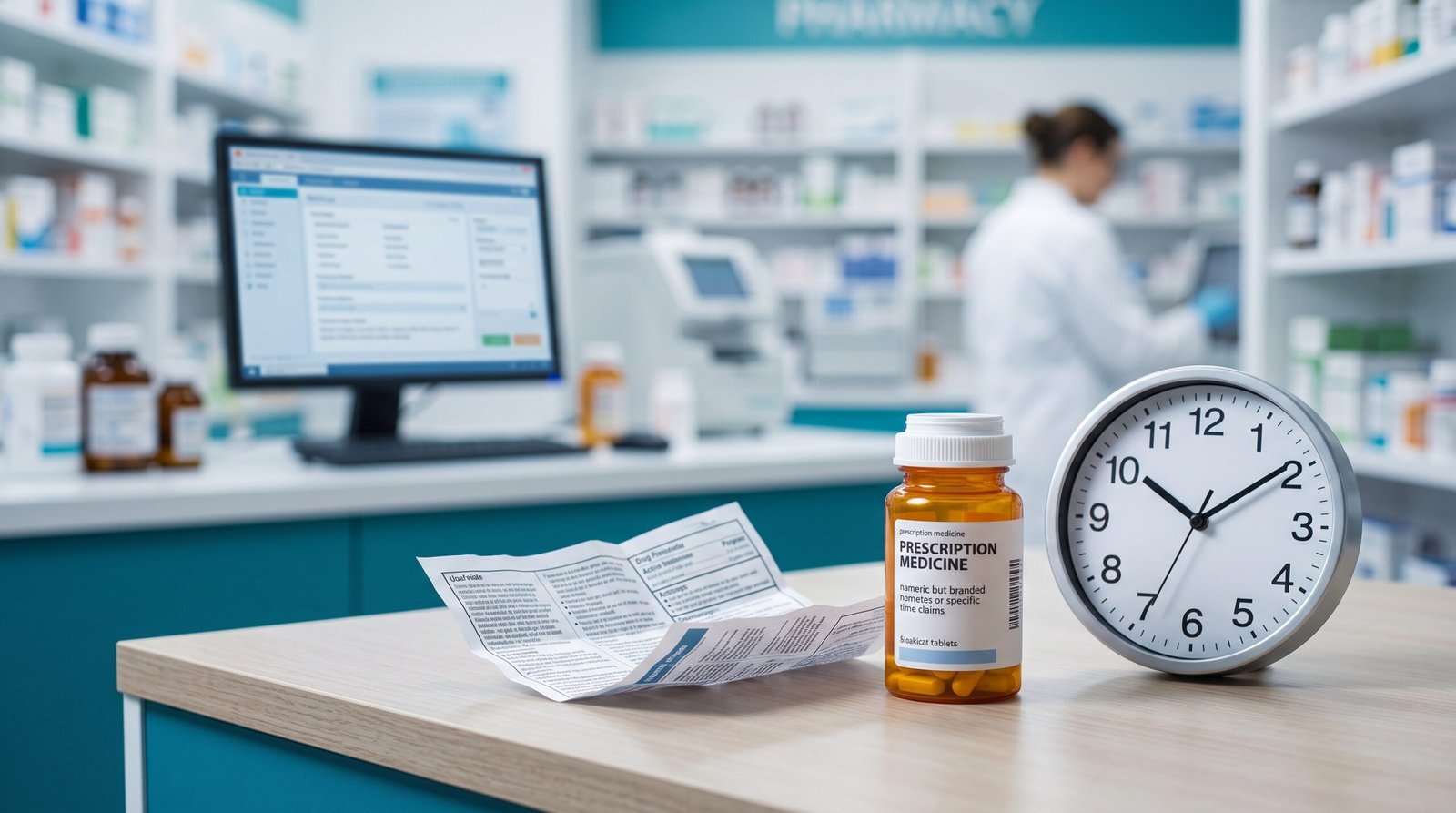
Waiting for pain medicine to work is hard. Every minute feels long when you are hurting. You watch the clock, shift position, and wonder whether the tablet is doing anything at all.
So how long does it take hydrocodone to take effect? For most people, an immediate-release tablet begins to work in roughly 30 to 60 minutes. The strongest effect usually arrives around one to two hours after the dose.
But a simple number does not tell the whole story. The form of the medicine, your stomach, your health, and even your expectations can change how the wait feels. This guide gives you a practical timeline, explains what can speed up or slow down relief, and shows you how to wait safely without taking more than you should.
How Long Does It Take Hydrocodone to Take Effect?
- Immediate-release tablets: about 30 to 60 minutes to start, peaking around 1 to 2 hours
- Liquid forms: often similar, sometimes slightly faster
- Extended-release forms: not meant for fast relief; they work gradually and last longer
- Duration: about 4 to 6 hours for immediate-release forms
- Safety rule: do not take an extra dose just because it feels slow
Onset, Peak, and Duration: Three Words Worth Knowing
People often use “working” to mean different things. Clinicians separate it into three ideas.
Onset
The time between swallowing the medicine and first noticing relief.
Peak
The time when the amount of medicine in your blood is highest. This is often when relief and side effects are strongest.
Duration
How long the relief lasts before the effect fades.
Knowing these three terms helps you avoid a common mistake. You may feel a mild effect at 30 minutes and think it is not enough, when the peak has not even arrived yet.
The Timeline by Form of Hydrocodone
Immediate-Release Tablets (Most Common)
These are the tablets used for short-term pain, often combined with acetaminophen or ibuprofen.
| Stage | Typical time |
|---|---|
| Onset | About 30–60 minutes |
| Peak | About 1–2 hours |
| Duration | About 4–6 hours |
Oral Liquid
Liquid products can be absorbed a little faster than tablets because there is no tablet to dissolve. The difference is usually small, and the dose and schedule still come from your prescriber.
Extended-Release Tablets or Capsules
These are designed to release the medicine slowly over many hours. They are used for around-the-clock pain when other treatments are not enough.
- They are not for quick relief. Do not take them hoping for fast pain control.
- They must be swallowed whole. Crushing, chewing, or dissolving them can release the full dose at once and cause a dangerous overdose.
- They last much longer. That is why they follow a set schedule.
Combination Products
Hydrocodone combined with acetaminophen or ibuprofen follows a similar timeline. The partner medicine has its own onset. For example, acetaminophen and ibuprofen often start to relieve pain in around 30 to 60 minutes as well, so the combined effect can build in the same window.
How Hydrocodone Compares With Other Pain Relievers
This table gives a general sense of timing. Individual responses vary.
| Medicine | Type | Typical onset (general guide) |
|---|---|---|
| Hydrocodone (immediate-release) | Opioid | About 30–60 minutes |
| Acetaminophen | Non-opioid | About 30–60 minutes |
| Ibuprofen | NSAID | About 30–60 minutes |
| Extended-release opioids | Opioid | Slow and steady; not for fast relief |
Onset alone should not decide which medicine you use. Your clinician chooses based on your pain, health, and safety.
Why It Can Feel Slower Than Expected
If you feel that hydrocodone is slow, one or more of the following may be at play.
1. The Tablet Needs Time to Dissolve
Even in the best case, the tablet must break down and be absorbed before it reaches your blood. This process takes time.
2. Food in Your Stomach
A full stomach can slightly delay absorption. This is a minor effect in most cases, and your label will tell you whether to take it with food.
3. Slow Stomach Emptying
Some conditions and medicines slow how fast the stomach empties. Opioids themselves can slow digestion, which may delay absorption of later doses. Nausea, pain, and stress can also slow the stomach.
4. Differences in Metabolism
People break down drugs at different speeds because of genetics, age, and health. This changes how quickly and how strongly you feel the medicine.
5. Liver and Kidney Function
The liver and kidneys process and remove the medicine. When they work more slowly, effects can be stronger and last longer.
6. Other Medicines
Certain medicines change how the liver handles hydrocodone. Some raise levels, which can be dangerous. Always show your pharmacist your full medicine list.
7. Tolerance
People who have used opioids regularly may need more time or find the effect weaker. Tolerance is a signal to talk to your prescriber, not to take extra.
8. Type of Pain
Sharp nerve pain, inflammation, and some chronic pain problems may respond only partly to opioids. In these cases, another medicine or method may work better.
9. Expectations and Stress
Watching the clock can make time feel slower. Anxiety and tension can also make pain feel stronger.
What to Do While You Wait
The wait is an opportunity to use non-drug comfort steps. They are safe and can help.
Practical Comfort Steps
- Get into a comfortable position. Use pillows to support the painful area.
- Use cold or heat. Cold is often used early for swelling. Heat can ease tight muscles. Ask your clinician what suits your injury or surgery.
- Slow your breathing. Breathe in gently for a count of four and out for a count of six. Repeat for a few minutes.
- Distract yourself. Gentle music, a podcast, or a favorite show can shift your attention away from pain.
- Sip water. Staying hydrated helps overall comfort.
- Rest. Healing needs rest, so allow it.
What Not to Do
- Do not take another dose early.
- Do not add alcohol.
- Do not combine with sleep aids or sedatives unless a clinician approves.
- Do not take extra acetaminophen or ibuprofen without checking your limits.
- Do not crush or chew tablets to “speed it up.”
Why Doubling Up Is Dangerous
When relief seems slow, the temptation to take more is strong. This is the moment when mistakes happen.
- If you take a second dose before the first has peaked, both doses can build up together.
- This can cause deep sleepiness and slowed breathing.
- If your tablet contains acetaminophen, extra tablets add to your total acetaminophen and raise the risk of liver injury.
- Using up your supply early can leave you without medicine and in more pain later.
Rule of Thumb
Give an immediate-release tablet at least 45 to 60 minutes before judging it. Follow your label for the time between doses, and call your clinician if your pain remains uncontrolled.
Tracking Your Relief: A Simple Pain Diary
A brief log can help you and your clinician see whether the plan is working. It also reduces guesswork about timing.
| Time | Medicine and dose | Pain before (0–10) | Pain at 1 hour (0–10) | Side effects |
|---|---|---|---|---|
| 8:00 AM | Prescribed tablet | 7 | 4 | Mild sleepiness |
| 1:00 PM | Prescribed tablet | 6 | 3 | None |
This is just a format example. Use your own numbers.
Why It Helps
- You can see if relief begins within a reasonable time.
- You can show your clinician patterns, such as pain rising before the next dose.
- You can notice side effects early.
When Relief Seems Late or Weak
Consider these questions.
- Has it been at least 45 to 60 minutes?
- Did I take the medicine as directed?
- Did I vomit soon after taking it?
- Is my pain the kind that responds to opioids?
- Is another medicine or supplement interfering?
- Has my pain changed or gotten worse in a new way?
If You Vomited After a Dose
Do not take another dose right away. Call your pharmacist or clinician for guidance, because you may have absorbed some of the medicine.
If Pain Is New or Worsening
Pain that suddenly gets worse can signal a problem, such as infection, a blood clot, or a complication after surgery. Call your clinician promptly.
When to Call Your Doctor
- Your pain stays severe after the time your label says to wait
- The medicine stops working as well as it did
- You have severe nausea or vomiting
- You notice new swelling, redness, fever, or drainage at a surgery site
- You are thinking about taking more than prescribed
Emergency Warning Signs
Call your local emergency number if there is:
- Slow, shallow, or stopped breathing
- Extreme sleepiness or inability to wake
- Blue or gray lips or fingertips
- A limp, unresponsive body
Naloxone can temporarily reverse an opioid overdose, but it does not replace emergency care.
Tips for Caregivers
If you are helping someone who takes hydrocodone:
- Keep a written schedule and log of doses.
- Do not give extra doses because the person says it is not working yet.
- Watch for sleepiness, slow breathing, and confusion.
- Keep the medicine locked and out of reach of children.
- Know where naloxone is stored.
- Call the clinician for pain that is not controlled.
Special Situations
After Surgery
Your surgical team often gives a detailed pain plan. Follow it closely. Many plans combine several medicines and non-drug steps and move away from opioids as healing progresses.
Older Adults
Older adults may feel stronger and longer effects. Doctors often start low and go slowly.
People With Liver or Kidney Disease
The body may clear the medicine more slowly. Doses and timing may need adjustment.
Pregnant or Breastfeeding People
Opioids can affect the baby. Use only with careful medical guidance.
Children and Teens
Use in young people is limited and requires careful medical supervision.
Common Myths About Timing
Myth: Pain medicine should work in 10 minutes.
Most oral tablets take longer. The medicine must be absorbed first.
Myth: If I double the dose, it will work twice as fast.
A larger dose does not speed absorption. It only raises risk.
Myth: If I feel nothing, the medicine is not working.
Pain relief can happen without any strong feeling.
Myth: Crushing the pill makes it faster.
This is dangerous, especially with extended-release products. It can cause a sudden overdose.
Myth: Taking it with a hot drink will speed it up.
There is no good evidence for this. Follow your label.
Questions to Ask Your Clinician or Pharmacist
- How long should I wait before deciding that a dose did not work?
- Should I take this medicine with food?
- How many hours must I wait between doses?
- What should I do if I vomit after a dose?
- Which other medicines can I safely add for pain, and when?
- When should I expect to switch to a non-opioid plan?
Conclusion: Patience, Planning, and Safety
How long does it take hydrocodone to take effect? Most immediate-release tablets start to ease pain in about 30 to 60 minutes, peak in one to two hours, and last about four to six hours. Extended-release products are different and are not for fast relief.
When the wait feels long, use comfort steps, keep a simple log, and resist the urge to take extra. Redosing too early can cause serious harm. If your pain is not controlled, your clinician can adjust the plan safely.
The safest route to relief is a steady one: follow the label, be patient, and ask for help early.
FAQ
How long does it take for hydrocodone to start working?
Usually about 30 to 60 minutes for immediate-release tablets, with the strongest effect at around one to two hours.
How long do the effects of hydrocodone last?
About four to six hours for immediate-release forms. Extended-release forms last much longer.
Does taking hydrocodone with food slow it down?
Food may delay absorption slightly. The effect is usually small, and your label will tell you if you should take it with food.
What if I vomit after taking hydrocodone?
Do not take another dose right away. Call your pharmacist or prescriber to ask what to do.
Why is hydrocodone not working for my pain?
It may be too early, your pain may need a different type of treatment, another medicine may interfere, or you may have developed tolerance. Call your prescriber rather than taking extra.
Is it safe to take another tablet if I feel no effect after 30 minutes?
No. Thirty minutes is often too soon. Wait the time recommended on your label and call your clinician if pain remains uncontrolled.
How long should I wait before driving after taking hydrocodone?
Do not drive until you know how the medicine affects you. Drowsiness and slowed reactions can last for hours.