Blog
How Long Does It Take for Hydrocodone to Take Effect?


You take your dose, sit down, and wait. Ten minutes pass. Then twenty. The pain is still there, and doubt creeps in: is it working?
This moment is common, and it is also risky. Waiting for relief tempts some people to take another dose too soon. That can lead to too much medicine in the body.
So how long does it take for hydrocodone to take effect? For most people, an immediate-release tablet starts to work in about 30 to 60 minutes, with peak effect often around one to two hours. But many things can change this timing.
What Is Hydrocodone and How Is It Taken?
Hydrocodone is a prescription opioid used to treat pain that is severe enough to need an opioid medicine. It is often combined with acetaminophen or ibuprofen. It is a controlled substance because of its risk for misuse and dependence.
Forms of Hydrocodone
- Immediate-release tablets (often combined with acetaminophen): taken every few hours as directed for short-term pain.
- Oral liquid: used in some cases when swallowing pills is hard.
- Extended-release tablets or capsules: used for around-the-clock pain management when other treatments are not enough.
The form you receive changes how quickly it works. Check your label to see which one you have.
How the Body Handles Hydrocodone
To understand timing, it helps to know the journey of a pill.
Step 1: Swallowing and Dissolving
You swallow the tablet. It breaks down in the stomach and the first part of the small intestine.
Step 2: Absorption
Hydrocodone passes through the lining of the digestive tract into the blood. This step takes time. It is why you do not feel relief the second the pill goes down.
Step 3: Travel to the Brain and Nerves
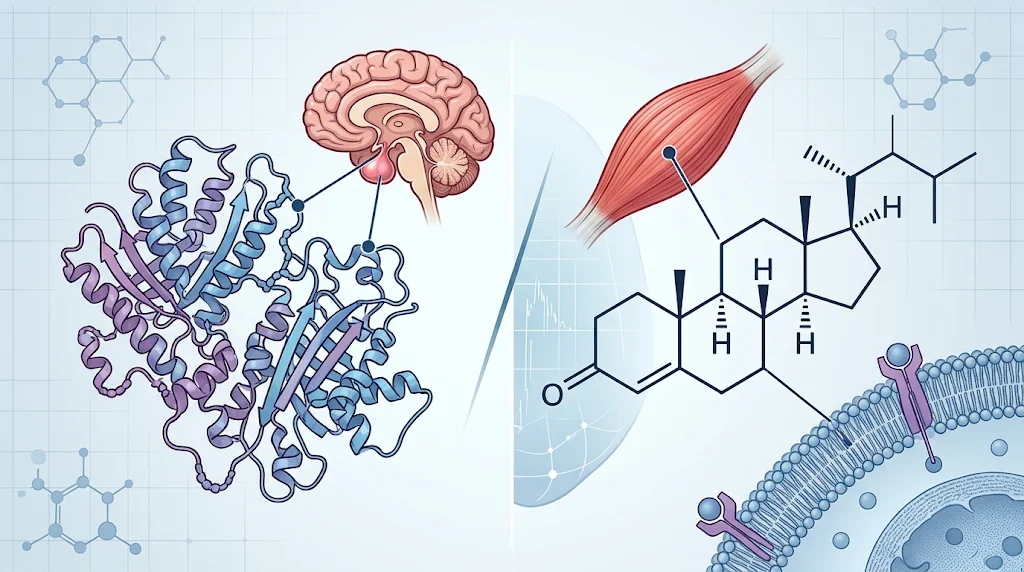
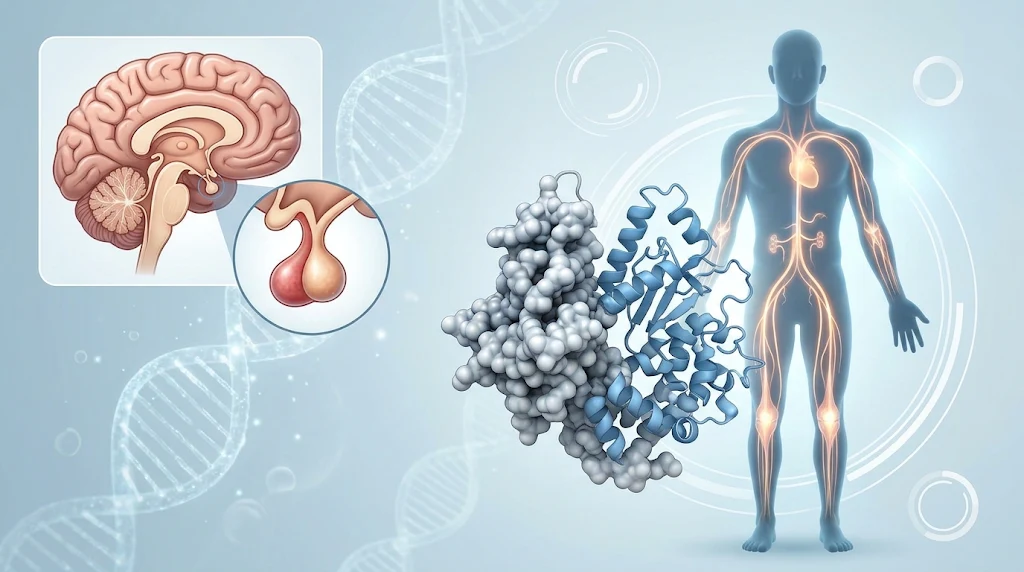
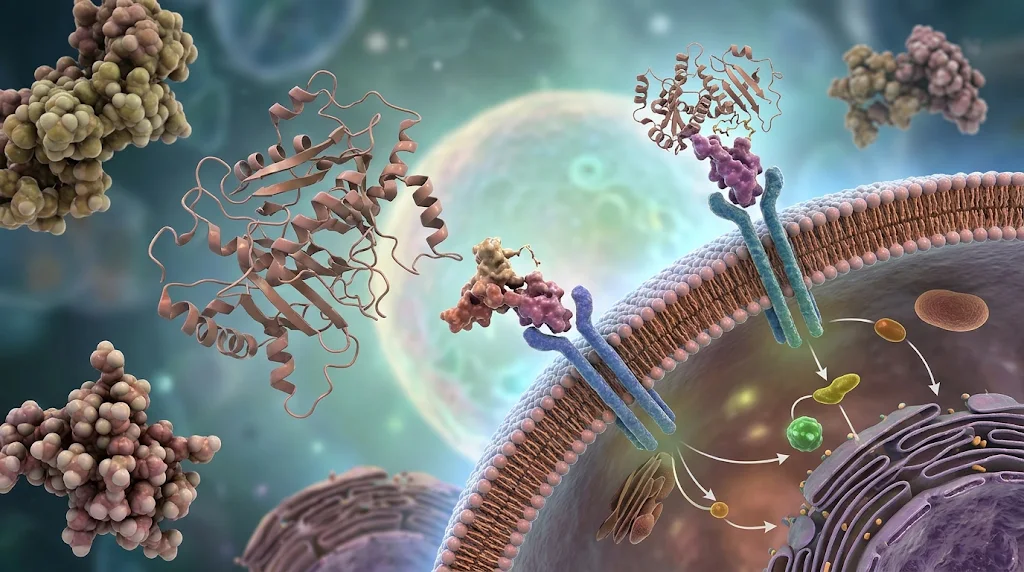
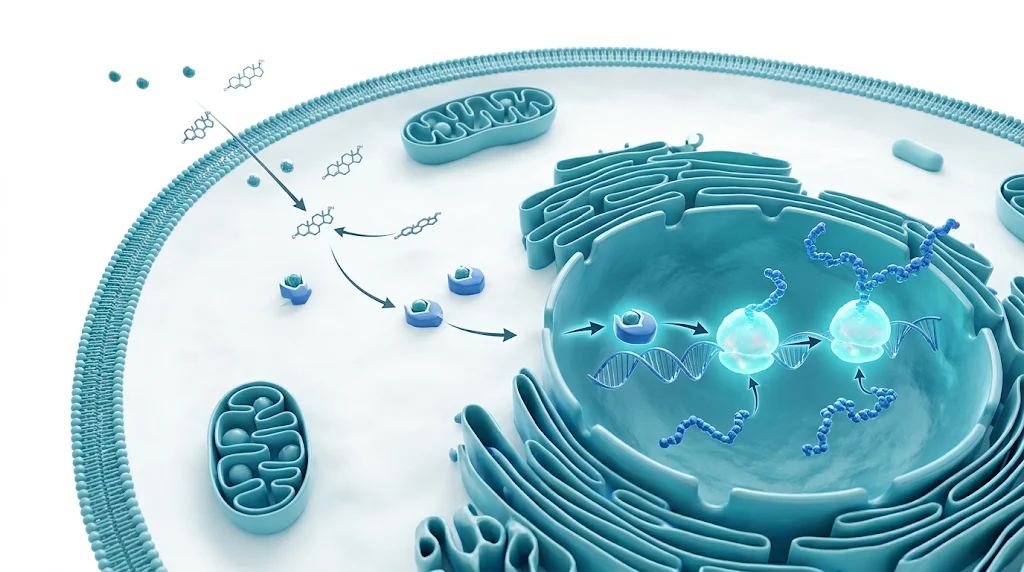
The blood carries the drug to the brain and spinal cord. There, it binds to opioid receptors and changes how pain signals are processed.
Step 4: Breakdown and Removal
The liver breaks hydrocodone down, and the kidneys remove the leftover products. The half-life of immediate-release hydrocodone is roughly 4 hours, which means about half of the drug is cleared in that time.
Hydrocodone Timeline: What to Expect Hour by Hour
The table below shows a typical pattern for an immediate-release tablet. Real life varies.
| Time after dose | What may happen |
|---|---|
| 0–15 minutes | Little or no effect yet. The tablet is still dissolving. |
| 15–45 minutes | Some people begin to notice mild relief or drowsiness. |
| 30–60 minutes | Relief usually begins for most people. |
| 1–2 hours | Peak effect. Pain relief and side effects are often strongest. |
| 4–6 hours | Effect fades. Pain may return gradually. |
Why “Starts Working” and “Works Best” Are Different
The onset is when you first notice relief. The peak is when the amount in your blood is highest. The duration is how long the relief lasts. Each of these three can be different from person to person.
Immediate-Release vs. Extended-Release Hydrocodone
This difference matters a lot for timing.
Immediate-Release (IR)
IR products are made to be absorbed quickly. They fit short-term, as-needed pain. Their effect is noticeable within an hour for many people and then fades after several hours.
Extended-Release (ER)
ER products release the drug slowly over many hours. They are for people who need steady pain control, not for quick relief. They may take longer to reach full effect, and they last longer.
A Critical Safety Warning About ER Products
Extended-release tablets and capsules must be swallowed whole as directed. Breaking, crushing, or chewing them can release the entire dose at once and cause a dangerous overdose. Never alter an extended-release product.
What Can Make Hydrocodone Work Faster or Slower?
Several factors change how fast you feel the effect.
1. Food in the Stomach
A full stomach may delay how fast the tablet is absorbed. Your prescriber may advise you to take it with food if it upsets your stomach. The delay is usually modest.
2. Your Metabolism
People break down drugs at different speeds because of genetics, age, and overall health. Some people feel effects sooner or later than average.
3. Liver and Kidney Health
If your liver or kidneys work more slowly, the medicine can stay in the body longer. This may mean a stronger or longer effect, and also a higher risk of side effects.
4. Other Medicines
Certain drugs change how the liver processes hydrocodone. Some medicines, such as particular antibiotics and antifungals, can raise hydrocodone levels in the body. This raises the risk of dangerous side effects. Always let your pharmacist check your full medicine list.
5. Age and Body Size
Older adults are often more sensitive. Smaller or frail people may also respond more strongly to the same dose.
6. Tolerance
People who have taken opioids for a long time can develop tolerance, which can change how the medicine feels. Tolerance is not a safety shield. It does not protect against breathing problems.
7. The Type and Strength of Your Pain
Severe pain can make it seem like the medicine takes longer. The pain may also come from a source that opioids treat less effectively, such as nerve pain or inflammation.
8. The Form of the Medicine
Tablets, liquids, and extended-release products can all behave differently. A liquid may be absorbed a little faster than a tablet. An extended-release product is designed to be slower.
How Will You Know It Is Working?
Pain relief is the main sign. But you may also notice other effects.
Typical Effects
- Pain feels duller or less intense
- A sense of calm or relaxation
- Drowsiness
- Mild dizziness
Common Side Effects
- Nausea
- Constipation
- Itching
- Dry mouth
- Mental fogginess
Side effects can show up around the same time as pain relief, because they peak at the same moment. That is why you should be careful with walking, stairs, and driving in the first hours.
Do Not Redose While You Wait
This is the most important safety message in this guide.
The urge to take another tablet when relief seems slow is natural. But hydrocodone takes time. If you take a second dose before the first has had a chance to work, both doses can peak together. That can cause very deep drowsiness or slow breathing.
Why Doubling Up Is Dangerous
- Peak effects may overlap
- Breathing can become slow or shallow
- If your tablet contains acetaminophen, the extra dose adds to your daily acetaminophen total
- You may run out of medicine early and face uncontrolled pain later
What to Do Instead
- Wait at least the full time your label allows before the next dose.
- Use non-drug comfort measures, such as a cold pack, elevation, or rest.
- Check your pain level again after an hour.
- If pain is still severe, call your prescriber or pharmacist for advice.
What If Hydrocodone Is Not Working?
Sometimes a person feels very little. There are several possible reasons.
- It has not been long enough. Give it at least 45 to 60 minutes.
- The dose may be too low for the pain. Only a clinician should adjust it.
- The pain type may need another treatment. Nerve pain and inflammation can need different medicines.
- Another medicine is interfering. Your pharmacist can check for this.
- Tolerance has developed. This is more common in long-term use.
When to Call Your Clinician
Call your prescriber if:
- Your pain stays severe after the time you were told to wait
- The medicine stops working as well as before
- You have new or unusual pain
- You are tempted to take more than prescribed
Sharing honest information helps them find a safer plan. There is no need to feel embarrassed.
Tips for Taking Hydrocodone Safely
Follow these habits for the best and safest results.
- Take it exactly as prescribed.
- Do not take it more often or in higher amounts than directed.
- If you are prescribed it “as needed,” ask your clinician whether to take it at the first sign of pain or wait. Practices differ, so get clear instructions.
- Take it with food or milk if it upsets your stomach.
- Keep a written log of every dose and the time.
- Avoid alcohol and other sedatives, unless your clinician has told you otherwise.
- Do not drive until you know how it affects you.
- Store it in a locked place away from children and visitors.
- Dispose of any leftover medicine through a take-back program.
- Ask your pharmacist about naloxone.
Warning Signs: When It Is an Emergency
Call your local emergency number if you or someone else has:
- Slow, shallow, or stopped breathing
- Extreme sleepiness or difficulty waking up
- Pinpoint pupils
- Blue or gray lips or nails
- A limp body, cold or clammy skin
Naloxone can temporarily reverse an opioid overdose and may buy time until help arrives. Always call emergency services even if naloxone is given.
Special Groups: Does Timing Change?
Older Adults
Older adults may feel stronger and longer effects. Doctors often start with lower doses and review them regularly.
People With Liver or Kidney Disease
The medicine may build up in the body. Clinicians may adjust the dose or timing.
Pregnant or Breastfeeding People
Opioids can affect the baby. Use only under close medical guidance.
Children and Teens
Hydrocodone use in children is limited and needs strict medical supervision. Some products are not recommended in young children.
Common Myths About Hydrocodone Timing
Myth: It should work within minutes.
Most people need 30 to 60 minutes. A tablet needs time to dissolve and be absorbed.
Myth: A bigger dose will work faster.
A bigger dose does not speed up absorption. It increases the risk of side effects and overdose.
Myth: If I do not feel it, it is not working.
Some people feel mostly pain relief and not much else. The lack of a noticeable “feeling” does not mean the medicine is inactive.
Myth: Once I feel better, I can take more to stay comfortable.
Taking more than directed can cause serious harm even when you feel fine.
Conclusion: Patience Is Part of Safe Pain Relief
How long does it take for hydrocodone to take effect? For most people, an immediate-release tablet starts working in 30 to 60 minutes, peaks around one to two hours, and wears off after about four to six hours. Extended-release products are different and are not meant for fast relief.
What matters most is not racing the clock. Food, metabolism, health conditions, other medicines, and the type of pain can all change your timing. Redosing too soon is dangerous. If the medicine does not seem to work, call your clinician instead of taking extra.
Key takeaways:
- Wait at least 45 to 60 minutes before judging the effect.
- Never double up while waiting.
- Know whether your product is immediate-release or extended-release.
- Keep a dose log and follow your schedule.
- Seek emergency help for slow breathing or unresponsiveness.
FAQ
How long does it take for hydrocodone to kick in?
Most people feel the first effects within about 30 to 60 minutes after taking an immediate-release tablet. The strongest effect is often around one to two hours.
How long does hydrocodone last?
Immediate-release hydrocodone usually lasts about four to six hours. Extended-release forms last much longer and are taken on a set schedule.
Does food change how quickly hydrocodone works?
Food may slightly delay absorption, but the difference is usually small. Follow your label for whether to take it with food.
Why am I not feeling hydrocodone?
It may not have been long enough, your pain may need a different treatment, another medicine may interfere, or you may have developed tolerance. Call your clinician rather than taking extra.
Can I take another dose if the first one is not working after 30 minutes?
No. Thirty minutes is often too soon to judge. Wait the time on your label, and call your clinician if the pain is not controlled.
Is liquid hydrocodone faster than tablets?
Liquid forms may be absorbed a little more quickly than tablets, but the difference is not large. Your dose and instructions still come from your prescriber.
How long does hydrocodone stay in the body?
The medicine itself is mostly cleared within about a day, but drug tests can detect traces for longer. How long depends on the test type and your body.