Blog
Is Growth Hormone a Steroid? Key Differences Explained

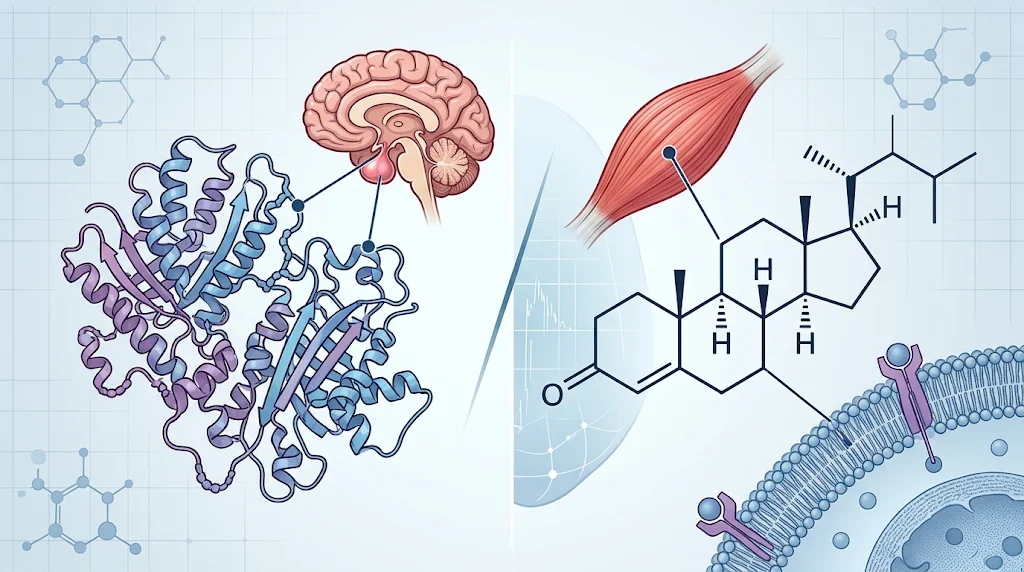
Growth hormone is an important substance produced naturally by the human body. It plays a major role in physical development, tissue growth, metabolism, and several essential biological processes. Although growth hormone is often discussed in conversations about bodybuilding, muscle development, and athletic performance, many people are unsure about its scientific classification. One of the most common questions is: is growth hormone a steroid?
The simple answer is no. Human growth hormone, commonly known as HGH, is not an anabolic steroid. It is a peptide hormone produced by the pituitary gland, while anabolic steroids are synthetic or naturally occurring substances related to testosterone. Although both substances can influence growth and development, they have different chemical structures, biological functions, and mechanisms of action.
Understanding the difference between growth hormone and anabolic steroids is important because these substances are sometimes incorrectly grouped together. Their effects on the body are not identical, and their medical applications are also different. Growth hormone has specific approved medical uses, particularly for certain growth-related conditions and hormone deficiencies. Anabolic steroids also have medical applications, but they are prescribed for different conditions.
This article explains what growth hormone is, why it is not classified as a steroid, how it works in the human body, and how it differs from anabolic steroids. It also discusses its medical uses, potential side effects, and the importance of understanding hormone-related treatments.
What Is Growth Hormone?
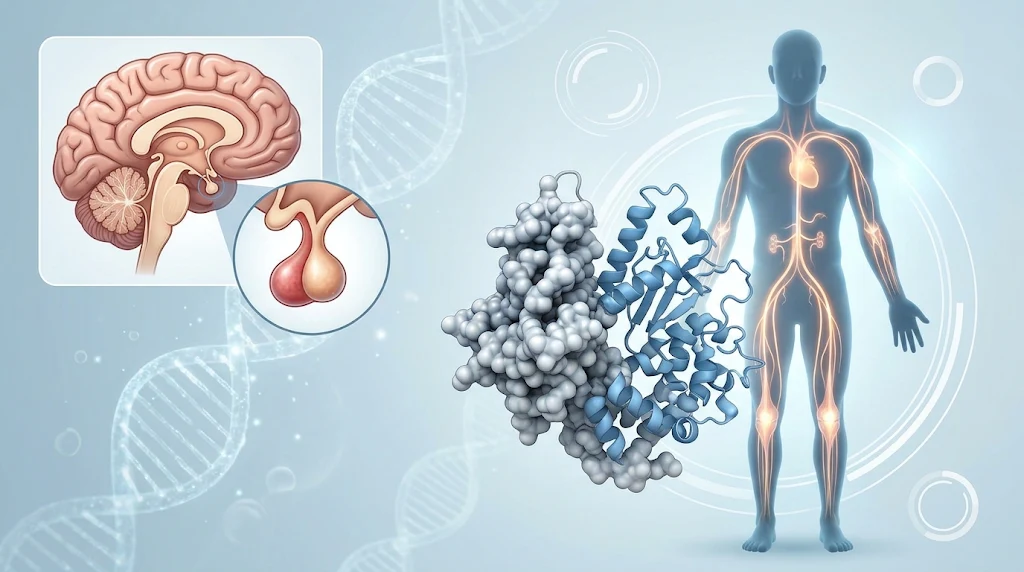
Human growth hormone is a protein-based hormone that is naturally produced by the pituitary gland. The pituitary gland is a small endocrine gland located at the base of the brain. Despite its small size, it plays an important role in regulating several hormones responsible for growth, development, reproduction, and metabolism.
Growth hormone is also known as somatotropin. It is particularly important during childhood and adolescence because it supports normal physical growth. However, its functions do not stop when a person reaches adulthood. Growth hormone continues to influence metabolism, tissue maintenance, protein production, and other physiological processes throughout life.
The production and release of growth hormone are carefully controlled by the brain and endocrine system. The hypothalamus helps regulate its release through different signaling hormones. Growth hormone is generally released in pulses rather than at a constant rate. Sleep, physical activity, nutritional conditions, age, and other physiological factors can influence these patterns.
One of the major functions of growth hormone is supporting the production of insulin-like growth factor 1, commonly called IGF-1. This substance is produced mainly by the liver in response to growth hormone stimulation. IGF-1 helps regulate cell growth, tissue development, and several processes associated with normal physical development.
Growth hormone also influences how the body uses carbohydrates, fats, and proteins. These metabolic effects help explain why the hormone is important beyond childhood growth.
Is Growth Hormone a Steroid?
Growth hormone is not a steroid because its chemical structure and biological classification are different from those of steroid hormones. It belongs to a group of hormones called peptide or protein hormones. These hormones are made from chains of amino acids, which are the building blocks of proteins.
Steroid hormones have a different chemical structure. They are derived from cholesterol and belong to a class of lipid-based hormones. Testosterone, estrogen, progesterone, and cortisol are examples of steroid hormones.
The difference between these two hormone groups is not simply a matter of terminology. Their chemical structures influence how they interact with cells, how they travel through the body, and how they activate biological responses.
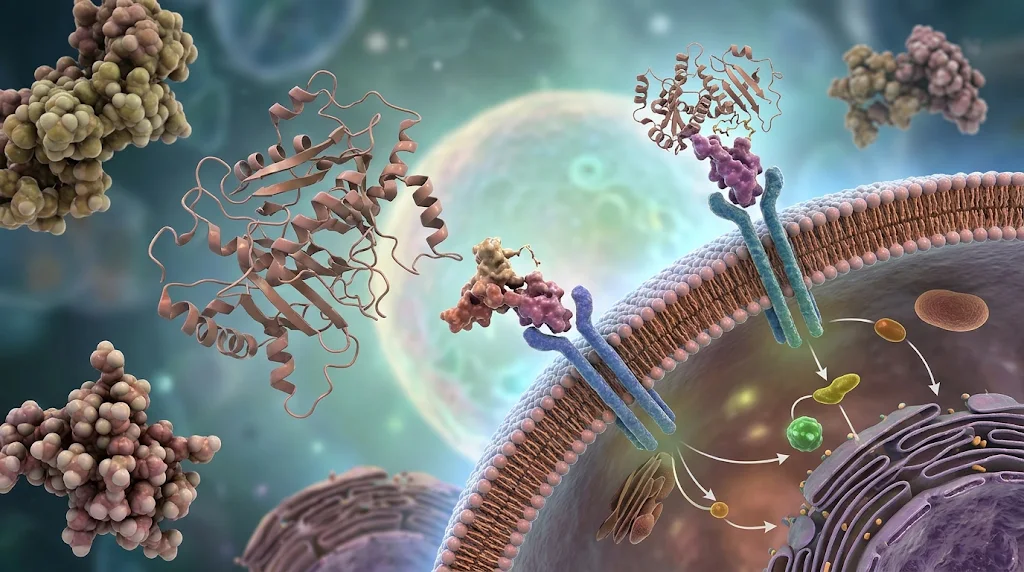
Growth hormone generally interacts with specific receptors located on the surface of target cells. When growth hormone attaches to these receptors, it activates intracellular signaling pathways that influence gene activity, protein production, metabolism, and cell growth.
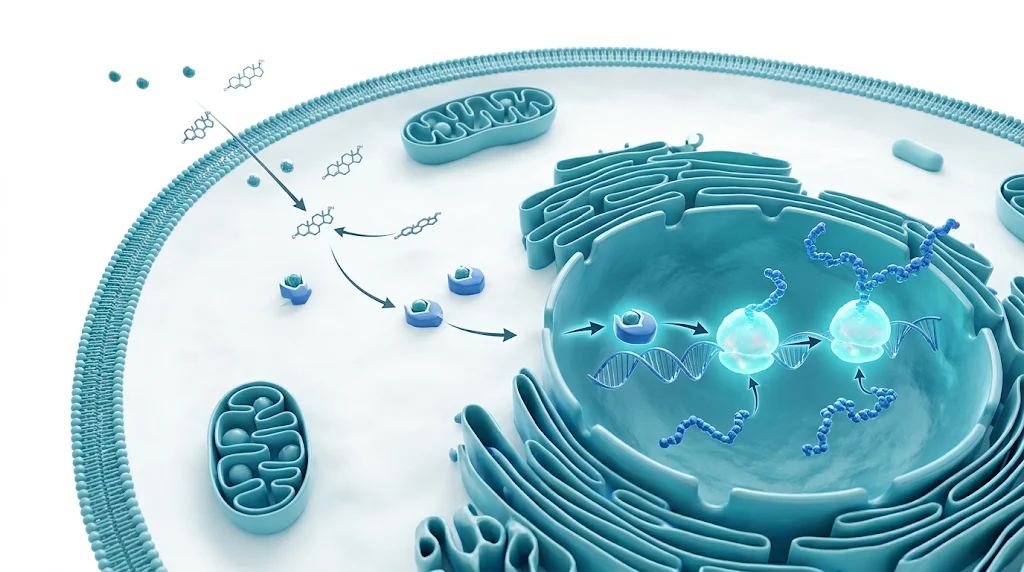
Steroid hormones commonly work through intracellular receptors. Because they are lipid-soluble, many steroid hormones can pass through cell membranes and interact with receptors inside cells. These receptors can influence gene expression and regulate various physiological activities.
Therefore, even though growth hormone and anabolic steroids may both be associated with physical development and tissue growth, they are scientifically different substances. Growth hormone is a peptide hormone, not an anabolic steroid.
Why Is Growth Hormone Sometimes Confused With Steroids?
Growth hormone is sometimes confused with anabolic steroids because both are discussed in relation to bodybuilding, athletic performance, muscle development, and physical appearance. Discussions about these substances frequently appear together in fitness communities, which can create misunderstandings about their actual classifications.
Another reason for this confusion is that growth hormone can influence several processes related to body composition. It affects protein metabolism, fat metabolism, and the production of IGF-1. These functions are sometimes incorrectly interpreted as being identical to the effects of anabolic steroids.
Anabolic steroids are particularly associated with their ability to influence androgen receptors and muscle protein synthesis. Growth hormone works through different biological pathways and has a broader role in regulating growth and metabolism.
The word anabolic can also contribute to misunderstanding. Anabolism refers to metabolic processes that build larger molecules from smaller ones. Both growth hormone and anabolic steroids can influence certain anabolic processes, but this does not mean they belong to the same chemical category.
It is important to distinguish between a hormone’s biological effects and its scientific classification. Two substances can influence related processes without being chemically or functionally identical.
What Are Anabolic Steroids?
Anabolic steroids, also called anabolic-androgenic steroids, are substances related to testosterone. Testosterone is the primary male sex hormone, although it is present in people of all sexes in different amounts. It plays an important role in reproductive development, sexual function, bone health, and muscle physiology.
Anabolic steroids are designed to produce effects related to the anabolic and androgenic properties of testosterone. Anabolic effects involve tissue building and protein metabolism, while androgenic effects relate to the development and maintenance of male sexual characteristics.
Some anabolic steroids have legitimate medical applications. Depending on the specific medication and medical condition, healthcare professionals may prescribe them for certain hormone deficiencies, specific forms of anemia, and other recognized conditions.
However, anabolic steroids are also misused outside medical settings, particularly for non-medical muscle development and athletic performance. Such use can create significant health risks, especially when substances are taken without appropriate medical supervision.
Anabolic steroids are chemically different from growth hormone. Their primary biological activity involves androgen receptors, whereas growth hormone acts through growth hormone receptors and influences IGF-1 production.
Understanding this difference helps explain why these substances should not be treated as interchangeable hormone treatments.
Growth Hormone vs. Anabolic Steroids: Key Differences
Growth hormone and anabolic steroids differ in several important ways. Their chemical composition, receptor interactions, biological functions, and medical applications are not the same.
The first major difference is their chemical structure. Growth hormone is a protein-based hormone made from amino acids. Anabolic steroids are derived from cholesterol and have a characteristic steroid structure. This fundamental difference determines how each substance interacts with the body.
Their receptor systems are also different. Growth hormone binds to growth hormone receptors located on target cells. This interaction activates signaling pathways that influence growth, metabolism, and IGF-1 production. Anabolic steroids primarily interact with androgen receptors, which regulate the expression of genes associated with testosterone-related biological activities.
Their effects on muscle tissue are also different. Anabolic steroids can directly influence muscle protein synthesis through androgen receptor signaling. Growth hormone has more complex effects involving IGF-1, tissue metabolism, and protein regulation. Its relationship with muscle development is not identical to that of testosterone-related substances.
Another important difference involves metabolism. Growth hormone influences carbohydrate and fat metabolism and can affect how the body responds to insulin. Anabolic steroids have their own metabolic effects, which vary according to the particular substance and individual circumstances.
Finally, their medical uses are different. Growth hormone replacement is prescribed for certain diagnosed growth hormone deficiencies and other approved conditions. Anabolic steroids are prescribed for specific medical conditions involving their particular biological effects.
These differences demonstrate why growth hormone should not be classified as an anabolic steroid.
How Does Growth Hormone Work in the Human Body?
Growth hormone works through a complex system involving the pituitary gland, hormone receptors, the liver, and different body tissues. Its activity influences several processes related to normal growth, development, and metabolism.
The process begins in the hypothalamus, a region of the brain responsible for regulating several endocrine functions. The hypothalamus produces growth hormone-releasing hormone, which stimulates the pituitary gland to release growth hormone. It also produces somatostatin, which helps suppress growth hormone release.
After entering the bloodstream, growth hormone travels throughout the body and interacts with specific receptors. These receptors are found in several tissues, including the liver, muscles, bones, and other organs.
One of the most important responses to growth hormone is the stimulation of IGF-1 production. The liver is a major source of circulating IGF-1, although other tissues can also produce it. IGF-1 contributes to cell growth, tissue development, and normal skeletal development.
Growth hormone also affects protein metabolism. It influences how the body regulates protein synthesis and breakdown, helping maintain important metabolic functions.
Another significant function involves fat metabolism. Growth hormone can stimulate lipolysis, which is the breakdown of stored fat. It also influences carbohydrate metabolism and can reduce insulin sensitivity under certain conditions.
The combined effects of these processes explain why growth hormone has such an important role in maintaining normal physiological activity.
What Are the Medical Uses of Growth Hormone?
Growth hormone has several recognized medical applications. Its most established use involves treating individuals who have been diagnosed with growth hormone deficiency. This condition occurs when the body does not produce enough growth hormone to support normal physiological needs.
Growth hormone deficiency can occur during childhood or adulthood. In children, insufficient growth hormone can interfere with normal height development and physical growth. In adults, deficiency may affect body composition, energy levels, bone health, and metabolic function.
Prescription growth hormone is available as recombinant human growth hormone. It is produced using biotechnology to create a substance that has the same amino acid sequence as naturally occurring human growth hormone.
Healthcare professionals may prescribe it for specific approved medical conditions. These can include certain cases of childhood growth hormone deficiency, adult growth hormone deficiency, and selected growth-related disorders.
In children, treatment is intended to address an identified medical condition affecting normal growth. The effectiveness and suitability of treatment depend on the underlying diagnosis, age, overall health, and other medical factors.
In adults, treatment may be considered when testing confirms growth hormone deficiency. The purpose is to address the physiological consequences of the deficiency rather than provide general enhancement.
Growth hormone treatment requires medical evaluation and ongoing monitoring. A healthcare professional must assess whether treatment is appropriate and monitor possible side effects and changes in relevant laboratory measurements.
It is not intended as a general treatment for improving athletic performance, increasing muscle size, or reversing normal aging.
What Are the Potential Side Effects of Growth Hormone?
Although growth hormone has important medical applications, treatment can cause side effects. The possibility and severity of these effects depend on several factors, including the individual’s health, underlying condition, treatment duration, and medical supervision.
One possible side effect is fluid retention. Some individuals receiving growth hormone treatment may experience swelling in the hands or feet. This happens because growth hormone can influence how the body regulates fluid balance.
Joint and muscle discomfort can also occur. These symptoms may affect daily activities and should be discussed with a healthcare professional, particularly if they become persistent or uncomfortable.
Another important concern is the effect of growth hormone on blood glucose regulation. Growth hormone can reduce insulin sensitivity, which means the body may have more difficulty using insulin effectively. This can increase blood glucose levels in some individuals.
People with existing blood sugar regulation problems may require additional medical attention when receiving growth hormone treatment. Appropriate monitoring helps healthcare professionals evaluate whether the treatment remains suitable.
Growth hormone can also affect other physiological systems. Depending on the circumstances, treatment may contribute to headaches, changes in tissue swelling, or other complications that require medical assessment.
The risks of using growth hormone without a medical diagnosis are particularly concerning. Non-medical use can expose individuals to unnecessary hormonal effects without providing a recognized health benefit.
For this reason, growth hormone should only be used when prescribed for an appropriate medical condition and monitored by qualified healthcare professionals.
Can Growth Hormone Build Muscle Like Anabolic Steroids?
Growth hormone and anabolic steroids are both discussed in relation to muscle development, but their effects on muscle tissue are different.
Anabolic steroids primarily influence muscle-related processes through androgen receptor activation. This can increase muscle protein synthesis and influence the development of muscle tissue. Their effects are closely connected to testosterone-related biological activity.
Growth hormone works through growth hormone receptors and the IGF-1 signaling system. These pathways influence tissue growth, protein metabolism, and other biological functions. However, growth hormone does not produce the same muscle-building effects as anabolic steroids.
It is also important to distinguish between changes in body composition and increases in muscle strength. Growth hormone can influence fat metabolism and fluid balance, but changes in these areas do not necessarily represent an equivalent increase in functional muscle tissue.
Research into growth hormone and muscle development has shown that its effects are complex. Increased growth hormone activity does not automatically translate into greater muscle strength or improved athletic performance.
This distinction is important because the presence of anabolic effects does not mean that two substances have identical outcomes. Growth hormone and anabolic steroids influence different biological systems and should be understood separately.
Is Growth Hormone Naturally Produced by the Body?
Yes, growth hormone is naturally produced by the human body. The pituitary gland releases it throughout life, although production patterns and average hormone levels change with age and other physiological conditions.
Growth hormone is particularly important during childhood and adolescence because it supports normal skeletal growth and physical development. During these stages, its interaction with IGF-1 contributes to the development of bones and other tissues.
Growth hormone production continues during adulthood. However, average secretion generally decreases as people get older. This is a normal physiological change and does not automatically indicate a medical deficiency.
Growth hormone release is influenced by several biological factors. Sleep is particularly important because significant pulses of growth hormone secretion commonly occur during deep sleep. Physical activity, nutritional status, and metabolic conditions can also influence hormone release.
The endocrine system carefully regulates growth hormone because both insufficient and excessive activity can affect health.
A medically diagnosed deficiency is different from the normal age-related reduction in growth hormone secretion. Not everyone with lower growth hormone levels requires treatment.
Medical professionals consider symptoms, medical history, laboratory testing, and other relevant factors before diagnosing a growth hormone disorder.
What Is the Difference Between Growth Hormone and Testosterone?
Growth hormone and testosterone are both important hormones, but they have different chemical structures and biological functions.
Growth hormone is a peptide hormone produced by the pituitary gland. Its primary functions involve physical growth, tissue development, metabolism, and IGF-1 regulation.
Testosterone is a steroid hormone derived from cholesterol. It is produced mainly in the testes in males, while the ovaries and adrenal glands also contribute to testosterone production in females.
Testosterone influences reproductive development, sexual function, bone health, and muscle physiology. It also plays a role in the development of male secondary sexual characteristics.
Growth hormone does not function as a substitute for testosterone. Similarly, testosterone cannot replace growth hormone in individuals with a diagnosed growth hormone deficiency.
Although both hormones influence aspects of physical development, they operate through different receptors and signaling systems.
Understanding their separate functions is essential when discussing hormone-related medical conditions and treatments.
Is Growth Hormone Safe for Everyone?
Growth hormone is not appropriate for everyone. Its safety depends on the individual’s medical condition, age, treatment requirements, and overall health.
For people with a confirmed growth hormone deficiency or another approved medical indication, prescription treatment may provide important health benefits under appropriate supervision.
However, using growth hormone without a medical diagnosis is not considered a safe or appropriate approach to improving physical appearance or athletic performance.
Excessive growth hormone activity can cause unwanted changes in the body. Long-term exposure to unusually high levels may contribute to abnormal tissue growth, metabolic complications, and other health problems.
People with certain medical conditions may also have specific reasons to avoid growth hormone treatment. Healthcare professionals must assess potential contraindications and individual risk factors before prescribing it.
The correct approach involves medical evaluation rather than relying on information from bodybuilding discussions or unverified online sources.
It is also important to remember that hormone levels are part of a larger endocrine system. Changing one hormone can influence several interconnected biological processes.
For these reasons, growth hormone should never be treated as a general wellness supplement or a substitute for medical care.
FAQ
Is HGH considered an anabolic steroid?
No, HGH is not considered an anabolic steroid. Human growth hormone is a peptide hormone made from amino acids and produced naturally by the pituitary gland. Anabolic steroids are substances derived from testosterone and belong to a different chemical category. Although both can influence certain growth-related processes, their structures and mechanisms of action are different.
Is human growth hormone the same as testosterone?
No, human growth hormone and testosterone are different hormones. Growth hormone is a peptide hormone involved in growth, metabolism, and IGF-1 regulation. Testosterone is a steroid hormone involved in reproductive development, sexual function, and several aspects of muscle and bone physiology.
Is HGH a protein or a steroid?
HGH is a protein-based hormone, not a steroid. It consists of amino acids arranged in a specific sequence. Its chemical structure allows it to interact with growth hormone receptors and activate biological signaling pathways involved in growth and metabolism.
Does growth hormone increase muscle mass?
Growth hormone influences tissue growth and protein metabolism, but its effects on muscle development are different from those of anabolic steroids. Changes in growth hormone activity do not necessarily produce equivalent increases in muscle strength or functional muscle mass.
What is the main difference between HGH and anabolic steroids?
The main difference is their chemical structure and biological mechanism. HGH is a peptide hormone that works through growth hormone receptors and IGF-1-related pathways. Anabolic steroids are testosterone-related substances that primarily act through androgen receptors.
Is growth hormone naturally produced in the body?
Yes, the pituitary gland naturally produces growth hormone throughout life. Its secretion is especially important during childhood and adolescence, although it continues to support metabolic and tissue-related functions during adulthood.
Is prescription growth hormone safe?
Prescription growth hormone can be appropriate for individuals with specific diagnosed medical conditions. However, it can cause side effects and requires professional monitoring. Its safety depends on the individual’s health, medical indication, and treatment circumstances.
Conclusion
Growth hormone is not a steroid. It is a naturally occurring peptide hormone produced by the pituitary gland and plays an important role in physical growth, tissue development, metabolism, and IGF-1 production.
Anabolic steroids belong to a different chemical category. They are derived from testosterone and primarily influence biological processes through androgen receptors. Although both growth hormone and anabolic steroids can affect aspects of growth and tissue development, their mechanisms, effects, and medical applications are different.
Understanding these distinctions helps prevent common misunderstandings about hormones and their roles in the human body. Growth hormone has legitimate medical applications, particularly for certain diagnosed deficiencies and growth-related conditions. However, it is not a general muscle-building treatment or a substitute for anabolic steroids.
The most important point is that hormone treatments should be based on medical needs rather than assumptions about physical performance or appearance. Anyone concerned about growth hormone levels or a possible hormonal disorder should seek an appropriate medical evaluation.
Ultimately, knowing the scientific difference between growth hormone and anabolic steroids makes it easier to understand their functions, limitations, and potential health risks.