

Blog
Will Hydrocodone Make You Constipated? Causes & Relief

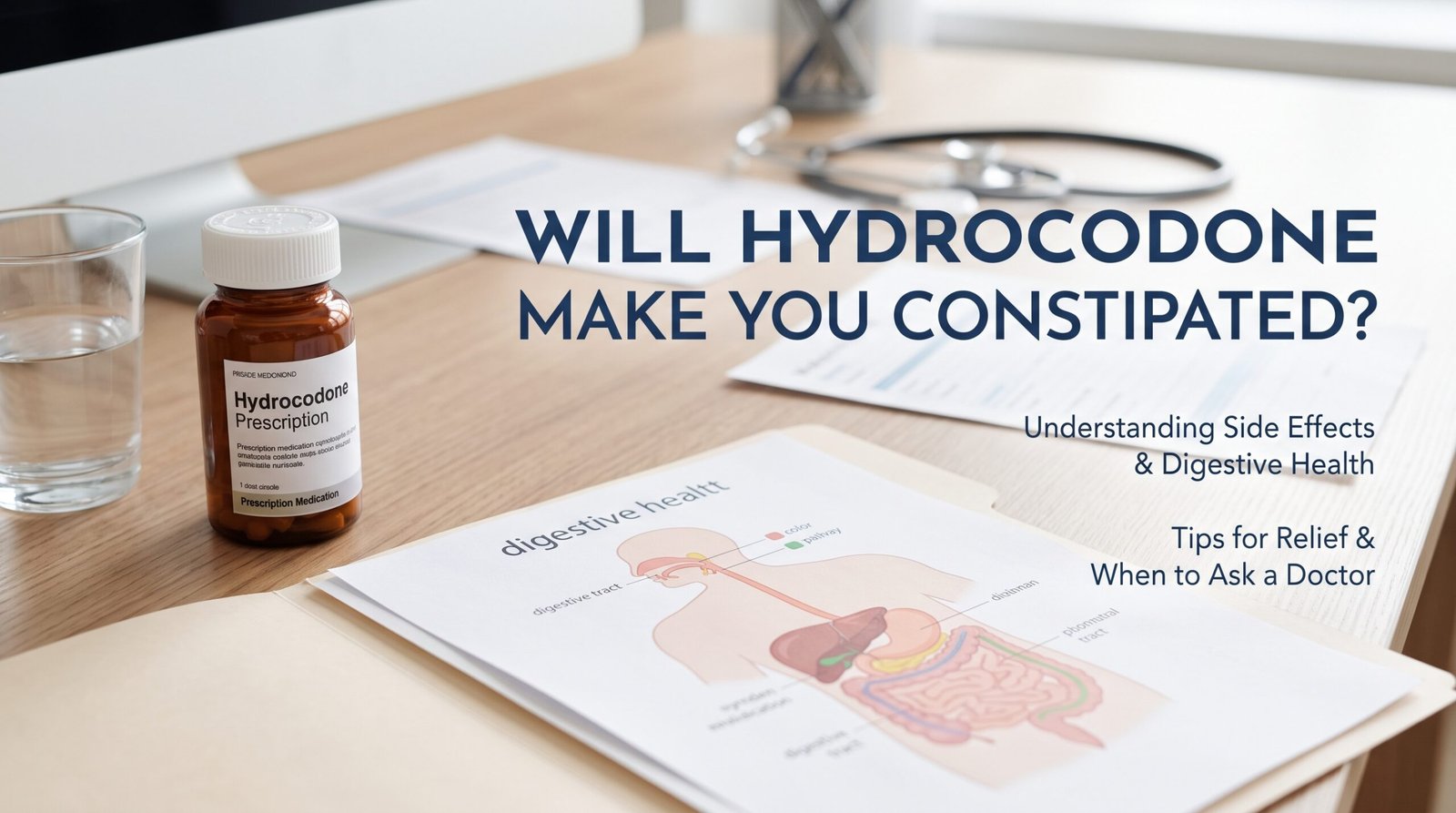
Pain relief is a welcome change. Then, a few days later, another problem appears: your stomach feels tight, you have not had a bowel movement, and every trip to the bathroom is a struggle.
If this sounds familiar, you are not alone. Constipation is one of the most common side effects of hydrocodone and other opioid medicines.
So, will hydrocodone make you constipated? Often, yes. Many people who take hydrocodone notice slower bowel movements, harder stools, or straining. The good news is that it is predictable, which means you can plan for it and treat it early.
Will Hydrocodone Make You Constipated?
- Yes, it is a common side effect. Opioids slow the movement of food through the intestines.
- It can start within days. Some people notice changes after the first few doses.
- It rarely goes away on its own while you are taking the medicine. The body usually does not build a tolerance to this effect.
- It is easier to prevent than to fix. Starting preventive habits early helps a lot.
- Severe symptoms need medical care. Intense belly pain, vomiting, or no bowel movement for several days should not be ignored.
What Is Opioid-Induced Constipation?
Doctors call this problem opioid-induced constipation, or OIC. It is defined by symptoms that appear or get worse after starting an opioid medicine.
Common Symptoms
- Fewer bowel movements than usual
- Hard, dry, or lumpy stools
- Straining or pain while passing stool
- A feeling that you did not fully empty your bowels
- Bloating or belly discomfort
- Nausea or loss of appetite
Not everyone has the same pattern. Some people get mild symptoms. Others feel quite uncomfortable.
Why Does Hydrocodone Cause Constipation?
To see why, it helps to know that opioid receptors are not only in the brain. They are also found throughout the digestive tract.
The Gut Has Opioid Receptors
Hydrocodone attaches to receptors in the muscles and nerves of the stomach and intestines. When it does, it changes how your gut works in several ways.
Four Main Effects on the Digestive System
- Slower movement: The wave-like muscle contractions that push food forward (peristalsis) become weaker and less coordinated.
- More water absorbed: Stool stays in the intestine longer, so more water is pulled out, and it becomes harder and drier.
- Less fluid released: The intestine secretes less fluid, which makes stool harder to pass.
- Tighter sphincters: The muscles that control the anus can stay tighter, which makes stool harder to pass.
Why It Does Not Fade With Time
Many side effects of opioids, such as nausea and drowsiness, tend to lessen after a few days. Constipation usually does not. Because of this, experts recommend planning for it early rather than waiting to see if it improves.
How Soon Can Constipation Start?
It can begin within a few days of starting hydrocodone. Some people notice it after the very first doses, especially if they were already prone to constipation.
Why the Timing Varies
- Dose and length of use: Higher doses and longer courses raise the risk.
- Your usual bowel habits: Those who already have slow digestion are more likely to be affected.
- Diet and fluids: Low fiber and low water intake make things worse.
- Activity level: Resting in bed after surgery slows the gut further.
- Other medicines: Some drugs add to the constipation risk.
Who Is More Likely to Become Constipated?
Anyone can, but the risk is higher for:
- Older adults
- People who are less active or bedridden
- People recovering from surgery
- People with a history of constipation or irritable bowel syndrome
- People who drink little fluid
- People taking iron supplements, calcium channel blockers, certain antidepressants, or anticholinergic medicines
- People with diabetes, an underactive thyroid, or neurological conditions
Surgery Adds a Double Challenge
After an operation, the gut may already be slow because of anesthesia, reduced eating, and limited movement. Hydrocodone adds another layer. This is why many hospitals start bowel care early.
Prevention: Start on Day One
The best strategy is to start preventive habits when you begin hydrocodone. Here is a simple plan.
1. Drink Enough Fluids
Water helps stool stay soft. Unless your doctor has told you to limit fluids, sip water regularly during the day. Warm drinks, such as tea or broth, can also help.
2. Add Fiber Gradually
Fiber helps add bulk to stool. Good sources include:
- Fruits such as prunes, pears, apples, and berries
- Vegetables such as broccoli, carrots, and leafy greens
- Whole grains such as oats and whole wheat bread
- Beans, lentils, and chickpeas
- Chia and flax seeds
Increase fiber slowly and drink more water as you do. Fiber without enough fluid can make constipation worse, especially when the gut is slowed by an opioid.
3. Keep Moving
Even a short walk can stimulate the gut. Gentle movement is good for digestion, as long as your doctor says it is safe after surgery or injury.
4. Build a Bathroom Routine
- Try to go at the same time each day, often after a meal.
- Do not ignore the urge.
- Give yourself unrushed time.
- A small footstool under the feet can place the body in a better position.
5. Ask About a Laxative Plan Early
Many clinicians suggest that people who will take an opioid for more than a few days start a gentle laxative at the same time. Ask your doctor or pharmacist whether this makes sense for you.
A Sample Day of Gut-Friendly Habits
| Time | Habit |
|---|---|
| Morning | Glass of warm water, oatmeal with berries or prunes |
| Mid-morning | Short walk; water |
| Lunch | Vegetable soup or salad with beans; fruit |
| Afternoon | Water, herbal tea; a handful of nuts or a pear |
| Evening | Whole grain side, vegetables; a short walk |
| Anytime | Respond to the urge to go |
Adjust the plan to match your diet and your doctor’s advice.
Relief Options: What Can Help Once You Are Constipated?
If prevention is not enough, several medicines can help. Always check with a pharmacist or doctor to pick the right one, especially if you have kidney disease, heart disease, or other conditions.
Over-the-Counter Choices
| Type | Examples | How it works | Notes |
|---|---|---|---|
| Stimulant laxatives | Senna, bisacodyl | Trigger the intestinal muscles to contract | Often a first choice for opioid constipation; can cause cramping |
| Osmotic laxatives | Polyethylene glycol (PEG 3350), lactulose | Pull water into the bowel to soften stool | Drink fluids; may cause gas or bloating |
| Stool softeners | Docusate | Help water mix with stool | Often used, though on their own they may not be enough for opioid constipation |
| Magnesium-based products | Magnesium citrate, milk of magnesia | Draw water into the bowel | Use caution with kidney disease |
| Fiber supplements | Psyllium | Add bulk | Need plenty of water; may not work alone when the gut is slowed by opioids |
Suppositories and Enemas
For stubborn constipation, a glycerin suppository or an enema may help. Use them as directed, and avoid frequent use without medical advice.
Prescription Medicines for Opioid-Induced Constipation
When regular laxatives are not enough, a doctor may prescribe a medicine designed for OIC. These work by blocking opioid effects in the gut without removing pain relief in most people. Examples include naloxegol, methylnaltrexone, and naldemedine. Others, such as lubiprostone, work through a different mechanism.
Why You Should Not Guess
Some laxatives are not appropriate for everyone. For example, magnesium products can build up in people with kidney problems. Stimulant laxatives may not be suitable if there is a bowel blockage. A pharmacist can quickly help you choose.
A General Step-by-Step Approach
This is a common way of thinking about constipation care. Follow your own clinician’s plan first.
- Start with fluids, gentle fiber, and movement.
- Add a stimulant or osmotic laxative if recommended.
- If there is no bowel movement after a few days, call your clinician.
- If you have severe pain, vomiting, or a swollen belly, seek urgent care.
Foods and Drinks That May Help
Helpful Choices
- Prunes and prune juice: contain fiber and sorbitol, a natural laxative sugar.
- Kiwi: several studies suggest it can help with constipation.
- Oatmeal: a gentle source of fiber.
- Leafy greens: fiber and magnesium.
- Warm liquids: may stimulate the gut for some people.
Choices That May Make Things Worse
- Cheese and large amounts of dairy for some people
- Highly processed foods with little fiber
- Red meat in large amounts
- Excess alcohol and caffeine (dehydrating)
Alcohol is also discouraged with hydrocodone for safety reasons.
Warning Signs: When to Call Your Doctor
Mild constipation is manageable at home. Some symptoms are not.
Call Your Doctor If
- You have had no bowel movement for three days or more
- You have worsening belly pain or swelling
- You see blood in your stool or on the tissue
- You have ongoing nausea or loss of appetite
- You feel you cannot empty your bowel despite trying
Seek Emergency Care If
- You have severe belly pain with vomiting
- Your belly is hard, swollen, and you cannot pass gas
- You have a fever with severe pain
- You feel faint or confused
These can be signs of a serious problem, such as a stool blockage (fecal impaction) or a bowel obstruction.
A Tricky Sign: Leaking Watery Stool
If hard stool blocks the rectum, liquid stool can leak around it. This can look like diarrhea but is actually a sign of impaction. Do not take anti-diarrhea medicine in this case. Call your doctor.
Complications of Untreated Constipation
- Hemorrhoids from straining
- Anal fissures (small tears)
- Stool impaction
- Bowel blockage in severe cases
- Reduced appetite and nutrition
Early care helps you avoid these.
What Not to Do
- Do not stop your pain medicine suddenly just to fix constipation. Talk to your prescriber first.
- Do not take large doses of laxatives beyond label directions.
- Do not rely on mineral oil regularly without medical advice.
- Do not strain hard for long periods.
- Do not add more opioids or sedatives to cope.
Special Situations
Older Adults
Older adults are at greater risk of constipation and its complications. They may also be more sensitive to some laxatives. Medication reviews are helpful.
After Surgery
Many surgical teams give a bowel plan with the pain plan. Follow it carefully, and ask early if you are unsure.
Pregnancy and Breastfeeding
Constipation is already common during pregnancy. Ask your clinician which laxatives are suitable, and review the safety of opioid use.
Children and Teens
Children need doses based on age and weight. Do not give adult laxatives without guidance.
Common Myths
Myth: Constipation will go away on its own in a few days.
With opioids it often persists. Plan ahead.
Myth: More fiber alone solves it.
Fiber can help, but with slow gut movement, you often need other steps too.
Myth: Laxatives are habit-forming.
Short-term, appropriate use is considered safe for most people. Ask your clinician about longer-term plans.
Myth: If I cut my dose, I should not need any support.
A lower dose may help, but constipation can still occur. Keep the preventive habits.
Questions to Ask Your Doctor or Pharmacist
- Should I start a laxative now?
- Which one is best for me, and how should I take it?
- Are any of my other medicines making constipation worse?
- How many days without a bowel movement should make me call you?
- Is there a prescription option if over-the-counter options fail?
Conclusion: Plan for a More Comfortable Recovery
Will hydrocodone make you constipated? Often, yes. The medicine slows your digestive tract, and the effect usually lasts as long as you take it. But you do not have to suffer.
Start early with water, gentle fiber, and movement. Keep a bowel routine. Ask about a laxative if you will be taking hydrocodone for more than a few days. And do not ignore warning signs such as severe pain, vomiting, or several days without a bowel movement.
With a little planning, you can manage pain and keep your digestion on track.
FAQ
How long does hydrocodone constipation last?
It usually lasts as long as you take the medicine and can continue for a few days after stopping while your gut returns to normal.
How quickly can hydrocodone cause constipation?
Some people notice changes within a day or two. Others take longer. It depends on dose, diet, and your usual bowel habits.
What is the best laxative for hydrocodone constipation?
Stimulant or osmotic laxatives are often recommended, but the best choice depends on your health. Ask your pharmacist or doctor.
Can I take a stool softener with hydrocodone?
Yes, many people do. However, a stool softener alone may not be enough for opioid constipation, so you may need an additional laxative.
Does drinking more water help?
Yes, staying hydrated helps stool stay softer, but water alone may not fully fix opioid-related constipation.
When should I worry about constipation on hydrocodone?
Call your doctor if you have no bowel movement for three days, severe belly pain, vomiting, or blood in the stool.
Will constipation go away if I stop hydrocodone?
Usually yes, but do not stop long-term opioid therapy suddenly. Talk to your prescriber first.









One thought on “Will Hydrocodone Make You Constipated? Causes & Relief”