
Blog
What Is Human Growth Hormone? Functions, Benefits & Effects

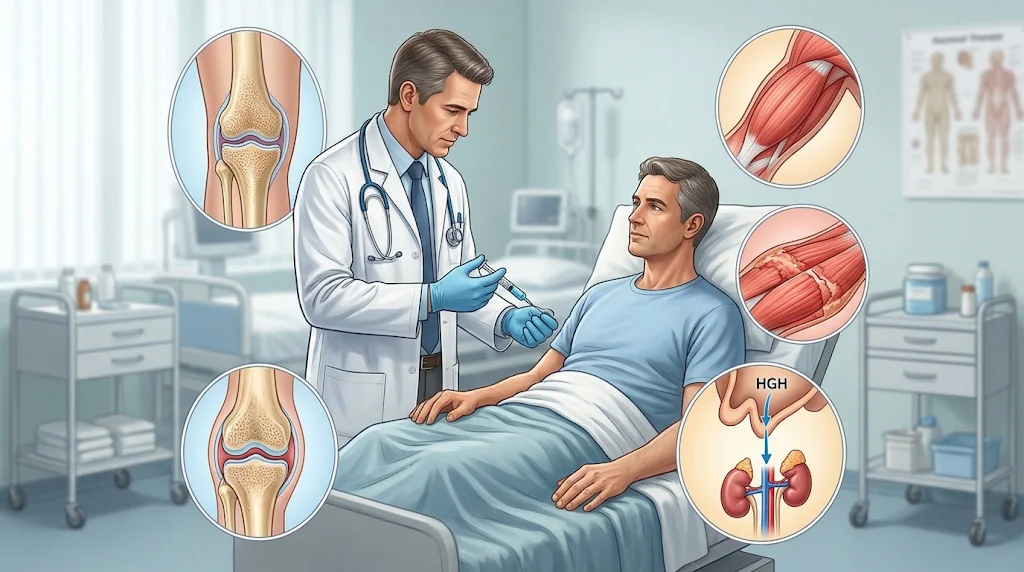
Human growth hormone is an important hormone that plays a major role in normal growth, physical development, metabolism, and the maintenance of healthy body tissues. It is naturally produced by the body and released into the bloodstream by a small gland located at the base of the brain called the pituitary gland. Although it is commonly associated with childhood growth and height development, human growth hormone continues to perform important functions throughout adulthood.
Understanding what is human growth hormone helps explain how the body regulates growth, maintains bones and muscles, and manages different metabolic processes. This hormone influences several biological activities, including protein production, fat metabolism, and the development of tissues. Its effects are not limited to physical growth because it also contributes to maintaining normal body functions throughout life.
Human growth hormone is often discussed in conversations about fitness, muscle development, aging, and athletic performance. However, its natural role in the body is different from the way it is sometimes presented in popular discussions. Growth hormone is essential for normal development, but having higher levels does not automatically mean better health or improved physical performance. Both insufficient and excessive production can cause medical problems.
This article explains what human growth hormone is, where it is produced, how it works, its main functions, the factors that influence its levels, and the health conditions associated with abnormal production. It also discusses medical applications, potential treatment risks, and the differences between growth hormone and anabolic steroids.
What Is Human Growth Hormone?
Definition of Human Growth Hormone
Human growth hormone, commonly known as HGH or GH, is a protein hormone produced naturally by the pituitary gland. Its primary responsibility is to regulate growth and support several important biological processes. It contains amino acids arranged in a specific structure that allows it to interact with receptors throughout the body.
Growth hormone plays an especially important role during childhood and adolescence because these are the periods when bones, muscles, and other tissues undergo significant development. However, its activity does not stop when a person reaches adult height. In adults, it continues to influence metabolism, tissue maintenance, bone health, and the regulation of body composition.
The production and release of growth hormone are controlled by signals from the brain and other hormonal systems. Its levels naturally change throughout the day rather than remaining constant. This variation is part of the body’s normal hormonal regulation.
Where Is Human Growth Hormone Produced?
Human growth hormone is produced by specialized cells called somatotrophs in the anterior pituitary gland. The pituitary gland is a small but important endocrine organ located beneath the brain. Despite its small size, it helps regulate several hormones responsible for growth, reproduction, metabolism, and other essential functions.
The hypothalamus, a region of the brain, controls the release of growth hormone through specific chemical signals. Growth hormone-releasing hormone stimulates the pituitary gland to release GH, while somatostatin reduces its release. This balance helps the body maintain appropriate hormone levels according to its physiological needs.
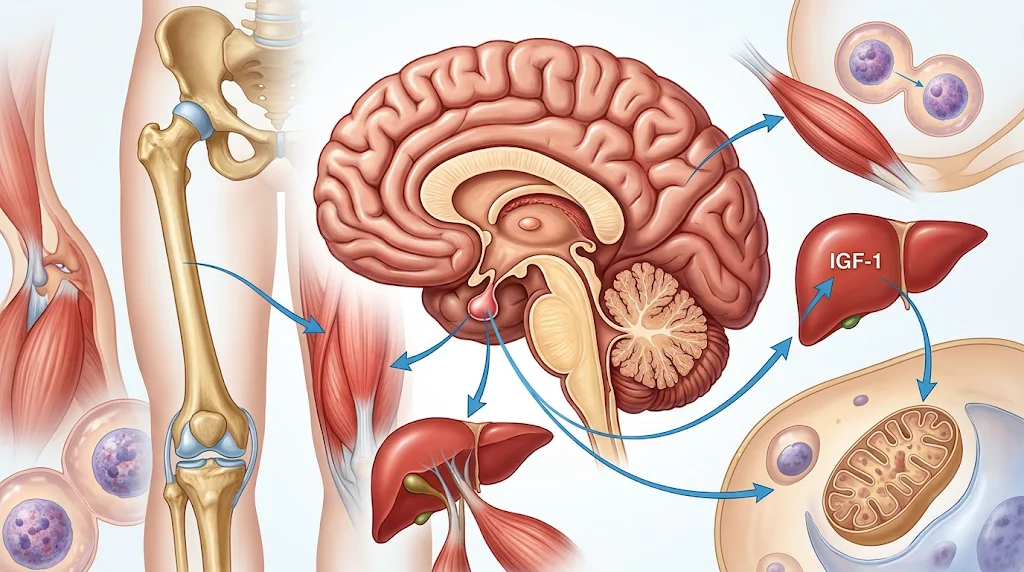
After being released into the bloodstream, growth hormone travels to different tissues and organs. It interacts with specific receptors and influences various biological activities. Some of its growth-related effects happen directly, while others occur through another hormone called insulin-like growth factor 1.
How Is HGH Released Into the Bloodstream?
Growth hormone is released in pulses rather than through a continuous process. Its secretion changes throughout the day and is influenced by sleep, age, physical activity, nutrition, and several other physiological factors.
One of the most important periods for natural growth hormone release is deep sleep. During this stage, the body experiences changes in hormonal activity that support normal development and tissue maintenance. However, growth hormone is also released at other times, and its production follows a complex biological pattern.
The amount of growth hormone released varies between individuals. Children and adolescents generally have higher growth hormone activity because their bodies are actively developing. As people become older, average growth hormone secretion gradually decreases. This is a normal part of human aging and does not necessarily indicate a medical deficiency.
How Does Human Growth Hormone Work?
The Role of the Pituitary Gland
The pituitary gland is the main source of human growth hormone. It receives regulatory signals from the hypothalamus and responds by releasing appropriate amounts of GH into the bloodstream. This process is part of the endocrine system, which coordinates communication between different organs through hormones.
Growth hormone production is carefully regulated because the body needs an appropriate balance to maintain normal development and metabolism. When the body requires growth-related activity, hormonal signals can stimulate GH release. Other signals reduce secretion when sufficient hormone activity has been achieved.
The pituitary gland does not work independently. It operates as part of a larger hormonal network involving the hypothalamus, liver, bones, muscles, and other tissues. This coordinated system allows growth hormone to influence multiple functions without relying on a single organ.
How HGH Affects Different Body Tissues
Human growth hormone affects several tissues throughout the body. It interacts with receptors in different organs and influences processes related to cellular growth, protein synthesis, metabolism, and tissue maintenance.
In bones, growth hormone supports normal development and contributes to bone formation. During childhood and adolescence, it helps regulate the activity of growth plates, which are responsible for increasing bone length. In adults, growth hormone continues to influence bone metabolism and maintenance.
In muscles, growth hormone affects protein metabolism and supports normal tissue maintenance. It also influences how the body uses stored energy. Its overall effects depend on several biological factors, including age, nutritional status, and the activity of other hormones.
Growth hormone also affects the liver, where it stimulates the production of insulin-like growth factor 1. This secondary hormone is responsible for many of the growth-promoting effects associated with GH.
The Relationship Between HGH and IGF-1
Insulin-like growth factor 1, commonly called IGF-1, is an important hormone involved in growth and development. It is produced mainly by the liver in response to growth hormone, although other tissues can also produce it.
The relationship between HGH and IGF-1 is essential for understanding how growth hormone works. After GH enters the bloodstream, it stimulates the liver and other tissues to produce IGF-1. This hormone then influences cell growth, tissue development, and several metabolic activities.
IGF-1 also helps regulate the effects of growth hormone through a feedback system. When IGF-1 levels increase, signals can reduce additional growth hormone release. This mechanism helps maintain hormonal balance.
Because IGF-1 levels are more stable than growth hormone levels, medical professionals may use IGF-1 testing when evaluating certain growth hormone-related conditions. However, laboratory results must always be interpreted according to age, medical history, and other clinical information.
What Are the Main Functions of Human Growth Hormone?
Supporting Bone Growth and Development
One of the most recognized functions of human growth hormone is its role in bone development. During childhood and adolescence, bones grow in length through specialized areas called growth plates. Growth hormone and IGF-1 help regulate the cellular activities involved in this process.
Healthy growth hormone activity is important for normal skeletal development. It supports bone formation and contributes to the development of the body’s overall structure. Other hormones, nutritional factors, and genetic characteristics also influence bone growth.
In adults, growth plates have normally closed, meaning that growth hormone cannot increase the length of mature long bones. However, the hormone continues to influence bone remodeling and maintenance. This helps explain why growth hormone remains biologically important after childhood.
Promoting Muscle Growth and Repair
Growth hormone influences muscle tissue through its effects on protein metabolism and IGF-1 production. Protein synthesis is necessary for maintaining muscle tissue and supporting normal cellular activity. Growth hormone contributes to the complex hormonal environment involved in these processes.
However, muscle development is not controlled by growth hormone alone. Nutrition, physical activity, genetics, age, and other hormones all contribute to muscle maintenance and development. Normal hormone balance is important for healthy physical function.
It is also important to understand that growth hormone is not a simple shortcut to improved muscle development. Excessive or medically inappropriate exposure can create health risks, and increased hormone levels do not guarantee better physical outcomes.
Regulating Metabolism
Human growth hormone plays an important role in metabolism, which refers to the chemical processes through which the body produces and uses energy. It influences the way the body processes fats, carbohydrates, and proteins.
Growth hormone can stimulate lipolysis, the process through which stored fat is broken down into fatty acids. These fatty acids can then be used as an energy source by different tissues. This function contributes to the body’s normal energy regulation.
Growth hormone also affects carbohydrate metabolism and can reduce insulin sensitivity. These effects are carefully balanced under normal physiological conditions. When growth hormone levels remain excessively high, however, they can interfere with normal blood glucose regulation.
Supporting Cell Growth and Regeneration
Growth hormone contributes to cellular development and tissue maintenance. Through its direct actions and its influence on IGF-1, it helps regulate cell division, protein production, and the development of different tissues.
These activities are important throughout life because the body constantly maintains and replaces cells. Normal hormonal activity supports these processes as part of the broader system responsible for tissue health.
Growth hormone does not independently control every aspect of tissue repair. Several hormones, proteins, nutrients, and cellular mechanisms work together to maintain normal biological functions.
Helping Maintain Healthy Body Composition
Body composition refers to the proportion of fat, muscle, bone, and other tissues in the body. Growth hormone influences some of these components through its effects on fat metabolism, protein metabolism, and tissue development.
It can influence how the body uses stored fat and maintains lean tissue. However, body composition is affected by many factors, including genetics, nutrition, physical activity, sleep, and overall health.
Normal growth hormone levels are part of a healthy hormonal system, but higher levels should not be considered automatically beneficial. Excessive growth hormone can lead to abnormal tissue growth and metabolic complications.
Why Is Human Growth Hormone Important?
HGH During Childhood and Adolescence
Human growth hormone is especially important during childhood and adolescence because these developmental stages involve rapid changes in height, bone structure, and body tissues. It works together with IGF-1 and other hormones to regulate normal physical development.
Adequate growth hormone activity supports the development of bones and muscles and contributes to normal growth patterns. However, a person’s final height is influenced by several factors, including genetics, nutrition, general health, and the timing of puberty.
Growth hormone deficiency during childhood can affect normal height development. Early medical evaluation can help identify whether a growth-related problem is associated with hormonal deficiency or another medical condition.
HGH During Adulthood
Although adult height usually stops increasing after growth plates close, human growth hormone continues to perform important functions. It contributes to bone metabolism, protein regulation, fat metabolism, and the maintenance of different tissues.
Adult growth hormone activity is generally lower than during childhood. This natural decrease does not mean that every adult requires treatment or has a hormonal problem. Healthy adults usually maintain the hormone levels needed for their normal physiological functions.
Growth hormone deficiency in adulthood is a medical condition that requires appropriate evaluation. It may affect body composition, bone health, energy levels, and other aspects of physical health.
The Importance of Balanced Growth Hormone Levels
The body depends on hormonal balance to maintain normal biological functions. Growth hormone is no exception. Both insufficient and excessive production can affect health in different ways.
Low growth hormone levels may interfere with normal growth during childhood and can affect metabolism and body composition in adults. Excessive production can lead to abnormal tissue growth and metabolic problems.
The body uses several feedback mechanisms to regulate growth hormone secretion. These systems help ensure that hormone activity remains appropriate for age, development, and physiological requirements.
What Factors Affect Human Growth Hormone Levels?
Age and Natural Hormonal Changes
Age is one of the major factors influencing growth hormone production. During childhood and adolescence, GH secretion is generally higher because the body is undergoing significant development. Production gradually changes as a person becomes an adult.
Growth hormone secretion usually decreases with age. This is a natural physiological change associated with the aging process. However, the amount of hormone produced differs between individuals and should not be judged without considering medical information.
Sleep and Growth Hormone Release
Sleep is closely connected to normal growth hormone secretion. Deep sleep is associated with significant growth hormone release, making healthy sleep patterns important for normal hormonal regulation.
The body follows a natural sleep-wake cycle that influences several hormones. Regular sleep supports the coordination of these processes and contributes to general health.
Poor sleep can affect several aspects of hormonal regulation, although growth hormone production is influenced by more than sleep alone. Consistent sleep habits are an important part of maintaining overall physical and mental well-being.
Physical Activity and Exercise
Physical activity can influence growth hormone secretion. Exercise is associated with temporary changes in several hormones, including growth hormone. The response depends on factors such as exercise intensity, duration, fitness level, and individual physiology.
Regular physical activity also supports cardiovascular health, muscle function, bone health, and metabolic regulation. These benefits do not depend on increasing growth hormone levels beyond their normal range.
Nutrition and Overall Health
Nutrition provides the energy and nutrients needed for normal growth, development, and hormone production. A balanced diet supports the body’s metabolic functions and contributes to general hormonal health.
Inadequate nutrition can interfere with normal growth and development, particularly during childhood and adolescence. Certain medical conditions can also influence hormone regulation and the body’s response to nutritional intake.
A healthy nutritional pattern should focus on overall dietary quality rather than attempting to manipulate a single hormone.
Stress and Other Lifestyle Factors
Stress can influence the endocrine system because the body uses hormonal signals to respond to physical and emotional demands. Long-term stress may affect sleep, appetite, energy regulation, and several other processes related to general health.
Growth hormone secretion is also influenced by illness, medications, blood glucose levels, and other physiological conditions. These factors interact in complex ways, which is why hormone levels cannot be understood through a single lifestyle measurement.
What Happens When Human Growth Hormone Levels Are Low?
Growth Hormone Deficiency in Children
Growth hormone deficiency occurs when the pituitary gland does not produce sufficient growth hormone for normal development. In children, this condition can result in slower-than-expected growth and a reduced growth rate.
Children with growth hormone deficiency may have a shorter height compared with expected growth patterns. However, short stature does not automatically indicate hormone deficiency. Genetic factors, nutritional problems, chronic illnesses, and other medical conditions can also influence childhood growth.
A healthcare professional evaluates growth patterns, medical history, physical development, and appropriate laboratory findings before determining whether a deficiency is present.
Growth Hormone Deficiency in Adults
Growth hormone deficiency can also occur in adults. It may develop because of problems involving the pituitary gland, hypothalamus, previous medical conditions, or certain treatments.
Adults with growth hormone deficiency may experience changes in body composition, reduced bone density, and changes in energy levels. The symptoms are not specific to this condition, meaning that other medical problems can produce similar effects.
Proper medical evaluation is necessary to identify the underlying cause and determine whether a hormonal disorder is present.
Common Signs and Symptoms
The symptoms of growth hormone deficiency vary according to age and the severity of the condition. In children, the most important sign may be slower height development compared with expected growth patterns.
In adults, symptoms may involve changes in body composition, reduced bone health, and alterations in general physical well-being. However, symptoms alone cannot confirm a growth hormone deficiency.
Medical professionals consider the complete clinical picture rather than relying on a single symptom. This helps prevent incorrect diagnoses and unnecessary treatment.
How Doctors Diagnose Low HGH Levels
Diagnosing growth hormone deficiency can require several medical assessments. Doctors usually begin by reviewing medical history, growth patterns, physical development, and symptoms.
Blood testing may include IGF-1 measurement because its levels are more stable than growth hormone levels. In some cases, specialized stimulation tests are required to determine whether the pituitary gland can release an appropriate amount of growth hormone.
Additional examinations may be necessary when a pituitary or hypothalamic condition is suspected. Diagnosis should be performed by qualified healthcare professionals because growth hormone levels naturally fluctuate throughout the day.
What Happens When Human Growth Hormone Levels Are Too High?
Excess HGH During Childhood
Excessive growth hormone production during childhood, before the growth plates close, can cause a rare condition known as gigantism. This condition involves unusually rapid growth in height and other physical changes.
Gigantism is generally associated with excessive growth hormone production from the pituitary gland. The condition requires specialist medical evaluation because it can affect several body systems.
Early diagnosis is important for identifying the underlying cause and managing potential complications.
Excess HGH During Adulthood
Excess growth hormone production in adults can cause a condition called acromegaly. Because adult growth plates have already closed, excessive growth hormone does not normally increase a person’s height.
Instead, prolonged exposure to excessive growth hormone and IGF-1 can cause abnormal enlargement of certain tissues and changes in bone structure. The condition may develop gradually, which can make early recognition difficult.
Acromegaly requires medical assessment and treatment because it can affect multiple organs and increase the risk of serious health complications.
Understanding Gigantism and Acromegaly
Gigantism and acromegaly are both associated with excessive growth hormone production, but they occur at different stages of development. Gigantism develops before the growth plates close, while acromegaly develops after normal skeletal growth has finished.
Both conditions are commonly associated with excessive hormone production from the pituitary gland. The resulting changes can affect bones, soft tissues, metabolism, and other physiological systems.
Understanding these conditions demonstrates why growth hormone levels need to remain within an appropriate range.
Potential Health Complications
Excessive growth hormone activity can contribute to several health complications. These may include abnormal tissue enlargement, joint problems, sleep-related breathing disorders, and disturbances in blood glucose regulation.
Long-term excess growth hormone can also affect cardiovascular health and increase the risk of other medical problems. The severity of complications depends on the duration and degree of excessive hormone exposure.
Medical diagnosis and appropriate treatment are important for controlling the underlying condition and reducing potential health risks.
What Are the Medical Uses of Human Growth Hormone?
Treating Growth Hormone Deficiency
Prescription human growth hormone is used in specific medical situations, including diagnosed growth hormone deficiency. Treatment decisions depend on the patient’s age, medical history, diagnosis, and overall health.
In children with confirmed deficiency, medically supervised treatment may help support appropriate growth and development. In adults with confirmed deficiency, treatment may be considered to address specific metabolic and physical effects associated with the condition.
Prescription growth hormone is not appropriate for everyone. It should only be considered when a qualified medical professional determines that there is a valid medical reason.
Other Approved Medical Applications
Depending on the country and regulatory approval, prescription growth hormone may be used for certain medical conditions beyond classic growth hormone deficiency. These applications can include particular growth disorders and specific conditions affecting body composition.
The approved indications vary by country, age group, and individual medical circumstances. A treatment that is approved for one condition is not automatically appropriate for another.
Medical professionals evaluate the available evidence, potential benefits, and possible risks before recommending treatment.
How Doctors Determine Whether HGH Treatment Is Necessary
Doctors consider several factors before deciding whether growth hormone treatment is medically appropriate. These include symptoms, medical history, physical development, laboratory findings, and the presence of conditions affecting the pituitary gland or hypothalamus.
Growth hormone deficiency cannot be confirmed through symptoms alone. Specialized testing may be necessary because natural hormone secretion changes throughout the day.
Treatment decisions should be individualized. The purpose of medical treatment is to address a diagnosed health condition rather than increase hormone levels without a medical need.
Medical Supervision and Patient Monitoring
Prescription growth hormone treatment requires medical supervision. Healthcare professionals monitor the patient’s response, evaluate possible side effects, and review relevant laboratory findings.
Monitoring is important because excessive exposure can cause complications involving blood glucose regulation, fluid balance, joints, and other body systems.
Patients should follow the treatment plan established by their healthcare professionals. Unsupervised use can create unnecessary health risks and may delay the diagnosis of an underlying medical condition.
What Are the Potential Side Effects of HGH Treatment?
Common Side Effects
Prescription growth hormone treatment can cause side effects, and the likelihood depends on individual health conditions and treatment circumstances. Some reported effects include fluid retention, joint discomfort, muscle pain, and swelling.
Changes in blood glucose regulation may also occur because growth hormone can reduce insulin sensitivity. These effects require appropriate medical assessment, particularly in individuals with existing metabolic conditions.
Not everyone experiences the same side effects. Medical supervision helps identify potential problems and determine whether treatment needs to be reassessed.
Serious Health Risks
Inappropriate or excessive growth hormone exposure can lead to more serious health complications. These may involve abnormal tissue growth, worsening glucose regulation, and complications associated with prolonged hormonal imbalance.
The risks are particularly important when growth hormone is used without a confirmed medical indication. Increasing hormone levels does not guarantee better health, improved athletic performance, or longer life.
Medical treatment should always be based on established clinical needs and professional guidance.
Long-Term Safety Considerations
The long-term effects of growth hormone treatment depend on the underlying condition, the patient’s health, and the medical circumstances surrounding treatment. Patients receiving prescribed treatment require appropriate follow-up to evaluate safety and effectiveness.
Growth hormone should not be considered a general anti-aging treatment. There is insufficient evidence to support using it as a routine method for preventing normal aging in healthy individuals.
Understanding the limitations of hormone treatment helps people make more informed decisions about medical information and avoid misleading health claims.
Why Unsupervised HGH Use Can Be Dangerous
Growth hormone affects several important systems throughout the body. Using it without an appropriate medical diagnosis can interfere with normal hormonal regulation and create avoidable health risks.
Unsupervised use may also make it difficult to recognize the cause of new symptoms. In addition, products marketed for hormone enhancement may not have reliable quality, safety, or effectiveness.
Prescription growth hormone should only be used for an appropriate medical indication under qualified healthcare supervision.
Is Human Growth Hormone a Steroid?
Key Differences Between HGH and Anabolic Steroids
Human growth hormone and anabolic steroids are different types of hormones. Growth hormone is a protein hormone produced by the pituitary gland, while anabolic steroids are synthetic substances related to testosterone, a steroid hormone.
Both are involved in processes related to growth and tissue development, but they operate through different biological pathways. Growth hormone primarily influences growth-related signaling and metabolism, including its effects through IGF-1.
Anabolic steroids interact with androgen receptors and influence processes associated with testosterone. Their biological functions and potential health risks are therefore different.
How HGH Differs From Testosterone
Testosterone is a steroid hormone that plays an important role in reproductive development, sexual function, bone health, and muscle maintenance. Growth hormone has a different chemical structure and is primarily involved in growth regulation, tissue development, and metabolism.
Although these hormones can influence some overlapping aspects of physical development, they are not interchangeable. Each has separate regulatory systems and biological functions.
Understanding the difference is important because discussions about hormones often combine substances that have very different effects on the body.
Understanding Their Different Roles in the Body
The human endocrine system contains many hormones that work together to maintain normal health. Growth hormone, testosterone, insulin, thyroid hormones, and IGF-1 each have specific responsibilities.
Their effects can overlap because several hormones influence metabolism, development, and tissue maintenance. However, each hormone follows different regulatory pathways and cannot replace the functions of another.
A balanced hormonal system is important for normal physical development and overall physiological health.
How Can You Support Natural Growth Hormone Production?
Maintaining a Healthy Sleep Schedule
Healthy sleep supports the body’s natural hormonal regulation. Growth hormone secretion is closely associated with deep sleep, and consistent sleep patterns contribute to normal endocrine activity.
Getting sufficient sleep is also important for concentration, immune function, emotional well-being, and physical recovery. Sleep requirements vary according to age and individual circumstances.
Rather than focusing on manipulating one hormone, maintaining a regular sleep schedule supports overall health.
Following a Balanced Diet
A balanced diet provides the nutrients required for normal growth, metabolism, and tissue maintenance. Adequate nutrition is especially important during childhood and adolescence, when the body is undergoing significant development.
The body requires a variety of nutrients to support its biological processes. Healthy eating habits should focus on nutritional balance and long-term well-being rather than attempting to increase a particular hormone.
Staying Physically Active
Regular physical activity contributes to healthy bones, muscles, cardiovascular function, and metabolic regulation. Exercise can also produce temporary changes in growth hormone secretion as part of the body’s normal physiological response.
Physical activity should be appropriate for an individual’s age, health, and physical abilities. Its value comes from its broad health benefits rather than from attempting to maximize hormone levels.
Maintaining Overall Health and Wellness
Overall health is influenced by sleep, nutrition, physical activity, stress management, and appropriate medical care. These factors interact with the endocrine system and help maintain normal hormonal function.
Avoiding unverified hormone-related products and seeking professional advice about persistent health concerns are also important parts of responsible health management.
FAQ
What Does Human Growth Hormone Do?
Human growth hormone supports normal growth, bone development, tissue maintenance, and metabolism. It also stimulates the production of IGF-1, which contributes to several growth-related biological processes.
Is Human Growth Hormone Naturally Produced by the Body?
Yes. Human growth hormone is naturally produced by specialized cells in the anterior pituitary gland. It is released into the bloodstream in pulses and helps regulate several important physiological functions.
Does HGH Decrease With Age?
Yes. Growth hormone secretion generally decreases as people become older. This is a normal biological change and does not automatically indicate a medical deficiency.
Is Human Growth Hormone the Same as Testosterone?
No. Growth hormone is a protein hormone produced by the pituitary gland, while testosterone is a steroid hormone. They have different structures, functions, and regulatory systems.
Can Adults Have Growth Hormone Deficiency?
Yes. Adults can develop growth hormone deficiency because of conditions affecting the pituitary gland or hypothalamus. Medical evaluation and appropriate testing are necessary to confirm the diagnosis.
Is HGH Treatment Safe?
Prescription growth hormone can be appropriate for certain diagnosed medical conditions when used under professional supervision. However, it can cause side effects and is not suitable for everyone. Unsupervised use carries unnecessary health risks.
Is Human Growth Hormone a Steroid?
No. Human growth hormone is a protein hormone, not an anabolic steroid. Although both can influence aspects of growth and tissue development, they work through different biological mechanisms.
Conclusion
Human growth hormone is an essential hormone that supports normal physical development, metabolism, bone health, and tissue maintenance. Produced by the anterior pituitary gland, it works directly on different tissues and indirectly through IGF-1 to regulate several important biological processes.
Understanding what is human growth hormone also means recognizing that its role changes throughout life. It is especially important during childhood and adolescence, but it continues to influence normal body functions during adulthood. Its production is regulated by several factors, including age, sleep, physical activity, nutrition, and overall health.
Both low and excessive growth hormone levels can cause medical problems. Growth hormone deficiency may interfere with normal development, while excessive production can lead to conditions such as gigantism and acromegaly. Prescription treatment has legitimate medical applications, but it also requires appropriate diagnosis and professional monitoring.
Ultimately, human growth hormone should be understood as part of the body’s complex endocrine system rather than a shortcut to improved physical appearance or athletic performance. Maintaining overall health and seeking qualified medical advice when hormonal problems are suspected are important steps toward long-term well-being.