Blog
What Is Ketamine Infusion Used For? Complete Health Guide

If you have been searching what is ketamine infusion used for, you may have come across very different answers online. Some websites discuss ketamine as an anesthetic, while others talk about ketamine infusions in connection with depression, chronic pain, or other medical conditions. Understanding the difference between established medical uses and emerging or off-label uses is important before interpreting any information about ketamine infusion therapy.
So, what is ketamine infusion used for? Ketamine is an established anesthetic medicine, and ketamine injection is approved in the United States for use as a general anesthetic for certain diagnostic and surgical procedures. Ketamine has also been studied and used in some clinical settings for conditions such as treatment-resistant depression and certain pain conditions, although these uses can be off-label depending on the country and specific formulation.
The question what is ketamine infusion used for is particularly important because intravenous ketamine should not be confused with esketamine nasal spray. Esketamine is a related medicine and has a specific FDA-approved psychiatric indication, while IV racemic ketamine is not FDA-approved in the United States for treating psychiatric disorders.
This Health2Organ guide explains what is ketamine infusion used for, how ketamine works, why it is used as an anesthetic, why clinicians may consider it for certain forms of depression, what is known about ketamine for pain, possible side effects, monitoring requirements, and why professional medical supervision is essential.
What Is Ketamine Infusion Used For?
When people ask what is ketamine infusion used for, the answer depends on the medical setting and the purpose of treatment.
Ketamine is an NMDA receptor antagonist that affects glutamate signaling in the brain and nervous system. In conventional medicine, ketamine injection is used as an anesthetic. It can be used as the sole anesthetic for certain procedures or as part of an anesthesia plan. The current U.S. prescribing information identifies ketamine hydrochloride injection as a general anesthetic for diagnostic and surgical procedures and for induction or supplementation of anesthesia.
The answer becomes more complicated when discussing ketamine infusions for psychiatric conditions. Intravenous ketamine has been studied extensively for depression that has not responded adequately to previous treatments, and recent expert consensus guidelines describe evidence supporting an acute antidepressant effect of IV ketamine. However, in the United States, IV ketamine remains an off-label psychiatric treatment rather than an FDA-approved treatment for depression.
Therefore, what is ketamine infusion used for should never be answered by saying that ketamine is simply a standard treatment for depression. Its approved use, evidence-supported off-label uses, and investigational uses are different categories.
What Is Ketamine?
To understand what is ketamine infusion used for, it helps to understand what ketamine actually is.
Ketamine is a medication that has been used medically for decades. It belongs to a group of medicines with dissociative properties and has important effects on consciousness, pain perception, and other nervous-system functions.
One of the best-established medical roles of ketamine is anesthesia. According to the current U.S. prescribing information, ketamine hydrochloride injection is indicated as a general anesthetic and can be used for diagnostic and surgical procedures under appropriate medical supervision.
Ketamine is also classified as a controlled substance in the United States because of its potential for misuse and abuse. This is one reason ketamine should be administered only within an appropriate medical framework when it is being used as a treatment.
When discussing what is ketamine infusion used for, it is therefore important to distinguish medical ketamine administration from recreational or unsupervised use.
What Is a Ketamine Infusion?
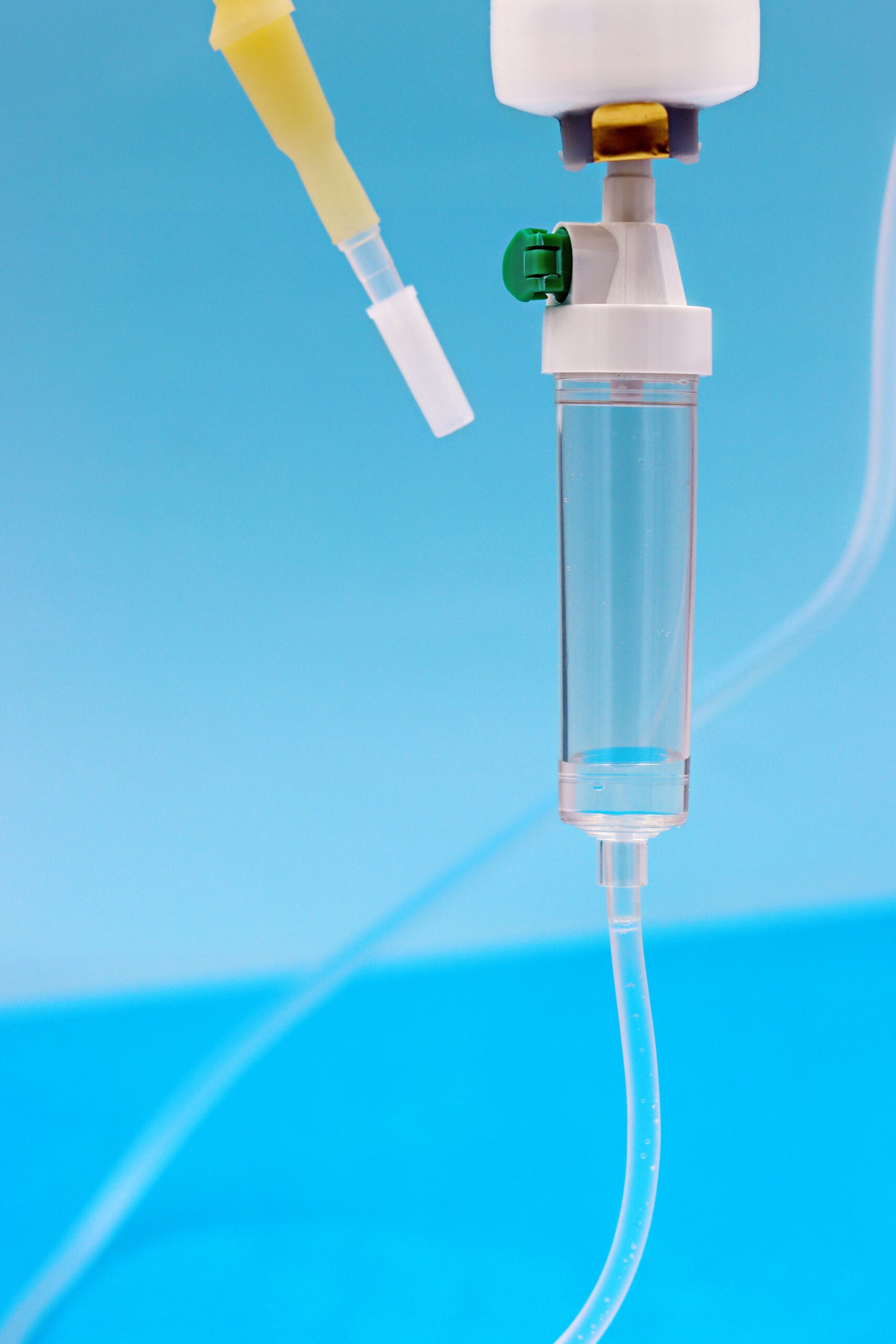
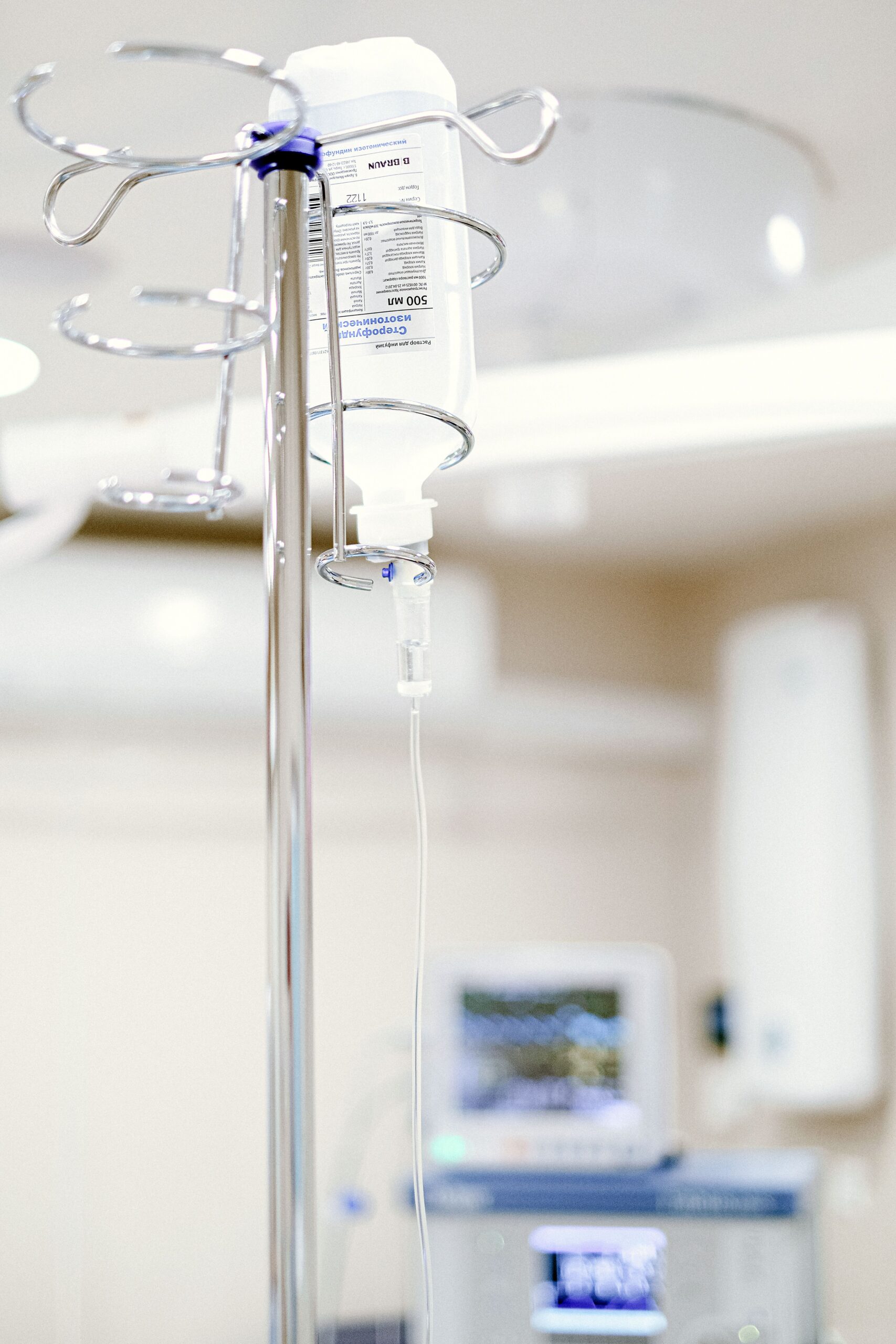
A ketamine infusion involves administering ketamine through an intravenous line so that the medicine enters the bloodstream directly.
An IV infusion allows a healthcare team to control the administration of the medicine while monitoring the patient’s condition. In clinical settings, the dose and rate are determined according to the purpose of treatment, the patient’s circumstances, and the relevant medical protocol.
The experience of an infusion can differ significantly from ordinary medication taken by mouth. Ketamine can affect awareness, perception, blood pressure, heart rate, and other physiological functions. For that reason, clinical monitoring is an important component of appropriate ketamine administration.
Recent 2026 consensus guidance on IV ketamine for depressive disorders recommends administration under the oversight of licensed medical professionals with appropriate expertise and emphasizes preparation, monitoring, informed consent, and safety procedures.
This helps explain why the question what is ketamine infusion used for cannot be separated from the question of where and how ketamine is administered.
What Is Ketamine Infusion Used For in Anesthesia?
One of the clearest answers to what is ketamine infusion used for is anesthesia.
Ketamine injection is FDA-approved as a general anesthetic in the United States. It may be used as the sole anesthetic for certain diagnostic or surgical procedures that do not require skeletal muscle relaxation. It can also be used to induce anesthesia before another general anesthetic or as a supplement to other anesthetic agents.
Ketamine has properties that make it useful in anesthesia because it can produce sedation, analgesia, and dissociative effects.
In an operating or procedural environment, ketamine is administered by trained medical professionals who can monitor the patient’s airway, breathing, circulation, consciousness, and other relevant physiological functions.
Therefore, if someone asks what is ketamine infusion used for in conventional medical practice, anesthesia is one of the most firmly established answers.
What Is Ketamine Infusion Used For in Depression?
Another reason people search what is ketamine infusion used for is its relationship with depression.
Research has found that intravenous ketamine can produce relatively rapid reductions in depressive symptoms in some people with treatment-resistant depression. Recent expert consensus guidance published in 2026 states that the acute antidepressant effect of IV ketamine in depressive disorders is supported by substantial evidence.
However, it is essential to use precise terminology. In the United States, ketamine itself is not FDA-approved for the treatment of psychiatric disorders. FDA-approved esketamine, a related form of ketamine, is available as a nasal spray for specific psychiatric indications under a restricted safety program.
This distinction is particularly important when researching what is ketamine infusion used for. A person should not assume that evidence for IV ketamine means the treatment has the same regulatory status as an FDA-approved medication.
IV ketamine for depression is generally considered in carefully selected patients, particularly when previous treatments have not provided adequate benefit. Clinical guidelines emphasize psychiatric assessment and consideration of alternative treatments before ketamine is used.
What Is Treatment-Resistant Depression?
To understand what is ketamine infusion used for in mental health care, it is useful to understand the phrase treatment-resistant depression.
Treatment-resistant depression generally refers to depression that has not improved sufficiently after appropriate trials of one or more standard treatments. Definitions can vary between clinical guidelines and studies.
Ketamine research has particularly focused on people whose depressive symptoms have continued despite previous antidepressant treatments. A VA/DoD clinical practice guideline notes evidence that ketamine infusion and intranasal esketamine can improve depressive symptoms in people with major depressive disorder who have not responded to multiple adequate antidepressant trials.
This does not mean ketamine should automatically be the next treatment for anyone experiencing depression. Treatment selection depends on the individual’s diagnosis, previous treatments, symptoms, risks, preferences, and available alternatives.
For this reason, what is ketamine infusion used for should be considered within a broader mental health treatment plan rather than as an isolated therapy.
How Does Ketamine Affect the Brain?
Understanding how ketamine acts in the nervous system can help explain what is ketamine infusion used for.
Ketamine primarily acts as an NMDA receptor antagonist. NMDA receptors are part of the glutamate system, which is involved in communication between nerve cells.
Ketamine’s effects on glutamate-related signaling are believed to contribute to its rapid effects on certain depressive symptoms. Researchers have proposed several mechanisms involving downstream signaling, synaptic plasticity, and changes in neural connectivity.
However, scientists continue to study the precise biological mechanisms behind ketamine’s antidepressant effects. It would therefore be misleading to describe the mechanism as completely understood.
The established anesthetic effects of ketamine and its studied psychiatric effects involve complex interactions within the nervous system.
What Is Ketamine Infusion Used For in Pain Management?
Another area associated with the question what is ketamine infusion used for is pain management.
Ketamine has analgesic properties and has been studied for certain acute and chronic pain conditions. Because ketamine affects NMDA receptors and pain-processing pathways, clinicians and researchers have investigated whether it may help in particular situations where conventional pain treatments are insufficient.
However, evidence for ketamine varies significantly depending on the specific pain condition, treatment protocol, route of administration, and patient population.
Ketamine should therefore not be described as a universal treatment for chronic pain.
Some pain specialists may consider IV ketamine in selected circumstances, while other clinicians may prefer established treatments with stronger evidence for the specific condition.
When researching what is ketamine infusion used for in pain management, readers should look for information specific to the diagnosis rather than assuming that evidence for one pain condition applies to all types of pain.
Is Ketamine Infusion FDA Approved for Depression?
This is one of the most important questions surrounding what is ketamine infusion used for.
In the United States, ketamine injection is FDA-approved as an anesthetic. FDA states that ketamine is not approved for treating psychiatric disorders.
Esketamine is different. It is a derivative of ketamine and is FDA-approved as a nasal spray for specific psychiatric indications, including treatment-resistant depression in adults, with an oral antidepressant, under the conditions specified in its labeling.
This distinction matters because IV ketamine and intranasal esketamine should not be presented as identical treatments.
The fact that a medicine is used off-label does not automatically mean that it is ineffective or inappropriate. Off-label prescribing is a recognized part of medical practice, but patients should understand the regulatory status and evidence behind the treatment being offered.
What Is the Difference Between Ketamine and Esketamine?
When researching what is ketamine infusion used for, it is very easy to encounter information about esketamine.
Ketamine is a racemic mixture containing two mirror-image molecules. Esketamine is the S-enantiomer of ketamine. The two medicines are related but are not interchangeable in terms of regulatory approval, formulation, or clinical administration.
Ketamine injection is used as an anesthetic and may be administered intravenously or intramuscularly.
Esketamine is available as a nasal spray and has specific FDA-approved psychiatric indications. FDA requires administration through a restricted program with monitoring because of risks including sedation and dissociation.
Therefore, when a website says “ketamine treatment,” readers should check whether it means IV ketamine, intranasal esketamine, or another formulation.
What Is Ketamine Infusion Used For in Treatment-Resistant Depression?
For people with treatment-resistant depression, what is ketamine infusion used for can be a particularly important question.
IV ketamine has been investigated as an option for people who have not achieved adequate improvement from conventional antidepressant treatments. Evidence suggests that ketamine can reduce depressive symptoms relatively quickly in some patients.
A recent 2026 consensus guideline found strong evidence for an acute antidepressant effect of IV ketamine and described an induction phase involving multiple infusions over several weeks in appropriate clinical settings.
However, response is not guaranteed, and benefits may not persist indefinitely. The same guidance emphasizes individualized assessment and the role of maintenance treatment only in selected circumstances.
This means what is ketamine infusion used for should be answered in the context of a carefully monitored treatment plan rather than as a promise of a permanent solution.
How Quickly Can Ketamine Affect Depression Symptoms?
One reason what is ketamine infusion used for receives so much attention is the possibility of a relatively rapid antidepressant effect.
Traditional antidepressant medications may take weeks to produce their full effects. Ketamine has been studied because some patients experience improvement in depressive symptoms much sooner.
Research and expert consensus indicate that IV ketamine can have relatively rapid antidepressant effects, sometimes becoming noticeable within a short period after administration.
However, the speed and degree of response vary between individuals. Not everyone responds to ketamine, and a rapid initial improvement does not necessarily mean the effect will be long-lasting.
For that reason, clinicians need to monitor symptoms over time rather than evaluating treatment solely by the first response.
Does Ketamine Infusion Permanently Treat Depression?
No medication should be described as a guaranteed permanent treatment for depression.
When considering what is ketamine infusion used for, it is important to understand that IV ketamine may provide symptom improvement for some people, but maintaining that improvement can require further treatment or a broader mental health strategy.
Research on the long-term safety and effectiveness of repeated IV ketamine remains less extensive than the evidence for short-term effects. Earlier expert reviews have specifically identified limitations in long-term IV ketamine evidence.
The 2026 expert consensus guidance states that maintenance treatment may be considered on a case-by-case basis for selected patients who have demonstrated a clear benefit and remain at risk of relapse without continued treatment.
This is why what is ketamine infusion used for should be understood as part of a treatment strategy rather than as a guaranteed cure.
What Is Ketamine Infusion Used For in Emergency Mental Health Care?
Ketamine and esketamine have also attracted attention because of their rapid effects on depressive symptoms and suicidal thinking.
However, this topic requires careful wording.
Esketamine has an FDA-approved indication for depressive symptoms in adults with major depressive disorder with acute suicidal ideation or behavior, when used with an oral antidepressant and according to its labeling.
This does not mean that ketamine or esketamine has been proven to prevent suicide deaths. Earlier expert reviews have emphasized that evidence of reduced suicide completion is not established.
People experiencing immediate suicidal thoughts or feeling unable to stay safe should seek emergency medical help rather than trying to arrange ketamine treatment independently.
What Is Ketamine Infusion Used For in Chronic Pain?
The role of ketamine in chronic pain is more complicated than its role in anesthesia.
Ketamine can reduce pain perception and has been studied in several pain disorders. Some specialized pain services may use IV ketamine for carefully selected patients.
However, evidence varies substantially across conditions, and long-term benefits and risks are not equally established for every pain disorder.
A responsible answer to what is ketamine infusion used for should therefore avoid saying that ketamine is an established treatment for all chronic pain.
A pain specialist can evaluate the underlying diagnosis, previous treatments, medication risks, and alternative options before considering ketamine.
What Happens During a Ketamine Infusion?
A ketamine infusion is generally performed in a clinical environment where trained healthcare professionals can monitor the patient.
Before administration, the clinical team may review medical history, current medications, allergies, blood pressure, mental health history, and other relevant factors.
During administration, monitoring can include vital signs and the patient’s level of consciousness and responsiveness.
Ketamine may cause changes in perception or awareness. Some people describe unusual sensory experiences or feelings of detachment from their surroundings. These effects are part of why clinical supervision is important.
After the infusion, the patient may need observation until the immediate effects have diminished sufficiently.
The precise procedure depends on why ketamine is being administered and the healthcare setting.
What Does a Ketamine Infusion Feel Like?
People researching what is ketamine infusion used for sometimes also want to know what the experience feels like.
Ketamine can cause sedation and dissociation. Dissociation can involve a feeling of detachment from the body or surroundings, altered perception of time, or unusual sensory experiences.
The experience varies between individuals and can depend on the dose, rate of administration, environment, expectations, and other factors.
The goal of medically supervised ketamine treatment is not simply to produce an intense subjective experience. Current expert guidance specifically cautions against increasing doses merely to reproduce a particular subjective experience when there is no demonstrated clinical benefit.
This is an important distinction between medical treatment and recreational use.
What Are Common Side Effects of Ketamine Infusion?
Understanding what is ketamine infusion used for also requires understanding possible adverse effects.
Ketamine can cause sedation, dizziness, nausea, changes in blood pressure, changes in heart rate, and dissociation. Some people can experience confusion or altered perception.
The U.S. prescribing information for ketamine includes important warnings and precautions, and medical professionals monitor patients because ketamine can affect cardiovascular, respiratory, and neurological functions.
Esketamine also has specific safety concerns, including sedation, dissociation, and respiratory depression, which is why FDA requires a restricted administration and monitoring program.
Side effects should always be discussed with the healthcare team before treatment.
Can Ketamine Affect Blood Pressure?
Ketamine can cause increases in blood pressure and heart rate.
This is particularly relevant when considering what is ketamine infusion used for in people who have cardiovascular conditions.
Because ketamine can affect blood pressure and cardiovascular function, clinicians generally review a patient’s medical history and monitor vital signs during treatment.
People with uncontrolled high blood pressure or significant cardiovascular disease may require additional assessment before ketamine is considered.
The appropriate decision depends on the clinical situation, the reason for treatment, and the healthcare professional’s assessment.
Can Ketamine Cause Dissociation?
Yes. Dissociation is one of the recognized effects of ketamine.
Dissociation can involve a temporary feeling of being separated from one’s body or surroundings, changes in perception, or altered awareness.
This effect can be uncomfortable or frightening for some individuals, while others experience it differently.
FDA identifies dissociation as an important risk associated with esketamine, and clinical guidance for IV ketamine recommends preparing patients for possible changes in perception and awareness.
This is another reason what is ketamine infusion used for should always be discussed together with how the treatment is administered and monitored.
Is Ketamine Addictive?
Ketamine has recognized potential for misuse and abuse.
The FDA identifies ketamine as a Schedule III controlled substance in the United States, and the Drug Enforcement Administration describes ketamine as a dissociative drug with potential for abuse.
This does not mean that every patient receiving medically supervised ketamine will develop a substance-use disorder. However, a history of substance misuse is an important factor clinicians may consider when evaluating treatment.
Recent IV ketamine guidelines specifically recommend careful assessment of active substance-use disorders and appropriate risk management.
Therefore, people should never attempt to obtain or use ketamine outside an appropriate medical setting.
What Is Ketamine Infusion Used For in Reproductive Health?
Although this article is being published under the broader topic of reproductive health, what is ketamine infusion used for is not primarily a reproductive-health question.
Ketamine is not a contraceptive, fertility treatment, or routine reproductive-health medicine.
A person who is pregnant, trying to become pregnant, breastfeeding, or receiving reproductive healthcare should tell their healthcare professional about all medications they use, including ketamine.
Medication decisions during pregnancy and breastfeeding require individualized assessment because safety information can differ depending on the medicine, dose, timing, and clinical circumstances.
Therefore, someone researching what is ketamine infusion used for should not assume that information from general adult patients automatically applies during pregnancy or breastfeeding.
Can Ketamine Be Used During Pregnancy?
Pregnancy changes how healthcare professionals evaluate medication risks.
There is not enough evidence to treat ketamine as a routine medication for pregnancy-related conditions without careful medical assessment.
If a pregnant person is being considered for anesthesia or another procedure involving ketamine, the medical team weighs the benefits and risks based on the clinical circumstances.
Anyone who is pregnant or may be pregnant should inform their healthcare provider before receiving ketamine.
This is particularly important because the reason for ketamine administration matters. Ketamine used for medically necessary anesthesia is a different clinical situation from an elective off-label psychiatric infusion.
Can Ketamine Affect Fertility?
There is no basis for describing ketamine infusion as a fertility treatment.
People concerned about fertility should not use ketamine with the expectation that it will improve fertility.
If someone is undergoing fertility treatment or planning pregnancy and is considering ketamine for another medical reason, they should discuss the situation with their healthcare professionals.
The appropriate decision may depend on why ketamine is being considered, whether alternative treatments are available, and whether pregnancy is already possible.
What Is Ketamine Infusion Used For Compared With Esketamine?
A useful way to understand what is ketamine infusion used for is to compare IV ketamine with intranasal esketamine.
IV ketamine is commonly used as an anesthetic and has an evidence base for certain off-label applications, particularly treatment-resistant depression.
Esketamine is a related medicine administered as a nasal spray. In the United States, it has specific FDA-approved psychiatric indications and must be administered under a restricted program with medical monitoring.
The two treatments should therefore not be presented as interchangeable.
A healthcare professional can explain why one approach might be considered over another in a particular clinical situation.
Why Medical Supervision Matters
The question what is ketamine infusion used for cannot be separated from the question of safety.
Ketamine affects the central nervous system and can produce sedation, dissociation, cardiovascular changes, and other effects. This means that medical professionals need to be able to assess the patient before treatment and respond appropriately if complications occur.
Recent consensus recommendations for IV ketamine emphasize licensed medical oversight, appropriate preparation, informed consent, monitoring, and protocols for managing safety concerns.
A clinic offering ketamine should therefore be able to explain who is providing treatment, what monitoring is available, what happens if an adverse reaction occurs, and what follow-up care is provided.
What Should You Ask Before a Ketamine Infusion?
Before considering what is ketamine infusion used for in your own situation, it can be useful to ask the treating healthcare professional several questions.
You may want to understand the exact diagnosis or condition being treated, whether the proposed use is approved or off-label, what alternative treatments are available, what benefits are realistically expected, what side effects may occur, and how you will be monitored.
It is also reasonable to ask how the clinic handles emergencies, whether a qualified medical professional is present throughout the infusion, and what follow-up care will be provided.
These questions can help distinguish a medically supervised treatment program from a service making exaggerated claims about ketamine.
How Long Does a Ketamine Infusion Treatment Plan Last?
The answer depends on the purpose of treatment.
For anesthesia, ketamine administration is linked to the duration and requirements of the procedure.
For depression, treatment protocols may involve a series of infusions rather than one isolated session. A 2026 consensus guideline describes an induction phase of approximately four to six IV ketamine infusions over two to four weeks for appropriate patients, while emphasizing that treatment should be individualized.
Some patients may later receive maintenance treatment, but the evidence and appropriate schedule can vary.
There is no universal ketamine infusion schedule that should be applied to everyone.
Can Everyone Receive Ketamine Infusion?
No. Ketamine is not appropriate for everyone.
Before treatment, clinicians should consider the patient’s medical history, mental health history, medications, cardiovascular status, substance-use history, and the reason ketamine is being considered.
Recent expert recommendations emphasize psychiatric assessment and careful consideration of risks in people with conditions such as psychosis, mania, or active substance-use disorders.
The decision should be individualized rather than based solely on the fact that ketamine has helped another person.
What Is Ketamine Infusion Used For Beyond Depression?
Research into ketamine continues in several areas.
Scientists have studied ketamine in different pain conditions and other psychiatric disorders. However, the amount and quality of evidence varies widely.
Recent expert guidelines specifically note that evidence is strongest for IV ketamine in depressive disorders and that evidence for several other conditions or routes remains less established.
This distinction is important because online advertisements may list many potential uses without explaining the strength of evidence behind each one.
When evaluating what is ketamine infusion used for, readers should therefore distinguish established indications, evidence-supported off-label applications, and experimental uses.
Is Ketamine Infusion a Replacement for Antidepressants?
Ketamine infusion should not automatically be considered a replacement for all other depression treatments.
For treatment-resistant depression, clinicians may consider ketamine after reviewing previous antidepressant trials and other evidence-based treatments.
Recent guidelines recommend that decisions about ketamine treatment consider alternative treatment options and occur collaboratively between the patient and relevant clinicians.
Some patients may continue other psychiatric treatments while receiving ketamine, depending on their treatment plan.
The correct approach depends on the person’s diagnosis, current medications, previous treatment response, and clinical needs.
What Is Ketamine Infusion Used For in a Broader Treatment Plan?
For depression, ketamine is generally best understood as one possible component of a broader treatment plan.
A comprehensive plan may involve medication management, psychotherapy, behavioral strategies, social support, lifestyle changes, and monitoring of symptoms.
The 2026 IV ketamine consensus guidance specifically recommends placing maintenance ketamine within a larger mental health treatment plan rather than treating the infusion as an isolated intervention.
This broader approach is important because depression is a complex condition, and no single treatment works equally well for everyone.
What Is Ketamine Infusion Used For? Understanding the Evidence
The evidence surrounding ketamine is strong in some areas and still developing in others.
Ketamine’s role as an anesthetic is well established. Its use for rapid reduction of depressive symptoms has substantial research support, particularly in treatment-resistant depression, but IV psychiatric use remains off-label in the United States.
The evidence for long-term repeated IV ketamine treatment is less developed than evidence for short-term antidepressant effects. Earlier international expert reviews specifically noted limited long-term evidence.
This is why responsible medical information should avoid saying ketamine is either a miracle treatment or completely ineffective.
The most accurate answer to what is ketamine infusion used for depends on the specific condition, evidence available for that condition, the regulatory environment, and the patient’s medical circumstances.
FAQs
What is ketamine infusion used for?
What is ketamine infusion used for depends on the clinical situation. Ketamine injection is an established general anesthetic and is used for certain diagnostic and surgical procedures. IV ketamine has also been studied and used off-label in some settings for treatment-resistant depression and certain pain conditions. The evidence and regulatory status differ between these uses.
Is ketamine infusion FDA approved for depression?
In the United States, ketamine injection is FDA-approved as an anesthetic, not as a treatment for psychiatric disorders. IV ketamine may nevertheless be used off-label in selected clinical situations. Esketamine, a related medicine administered as a nasal spray, has specific FDA-approved psychiatric indications and is subject to a restricted monitoring program.
How does ketamine infusion work for depression?
Ketamine affects NMDA receptors and glutamate signaling in the nervous system. These effects are believed to contribute to changes in neural signaling and synaptic processes associated with its rapid antidepressant effects. Research continues into the precise mechanisms. IV ketamine has shown evidence of relatively rapid improvement in depressive symptoms in some people with treatment-resistant depression.
Is ketamine infusion safe?
Ketamine can be used safely in appropriate medical settings, but it is not risk-free. Possible effects include sedation, dissociation, changes in blood pressure and heart rate, nausea, and altered perception. Because of these effects, ketamine should be administered under appropriate medical supervision with monitoring and emergency procedures available.
Is ketamine infusion used during pregnancy?
Ketamine may be used in certain medical circumstances, including anesthesia, but pregnancy requires individualized risk-benefit assessment. Ketamine should not be used during pregnancy without appropriate medical supervision. Anyone who is pregnant, planning pregnancy, or breastfeeding should inform their healthcare professional before receiving ketamine.
Final Thoughts on What Is Ketamine Infusion Used For
Understanding what is ketamine infusion used for requires more than simply saying that ketamine is a treatment for depression.
Ketamine is a well-established anesthetic medicine. In the United States, ketamine injection is FDA-approved for use as a general anesthetic in appropriate diagnostic and surgical procedures.
At the same time, IV ketamine has been extensively studied for treatment-resistant depression and has evidence supporting relatively rapid antidepressant effects in selected patients. Recent 2026 expert consensus guidance describes IV ketamine as having an established acute antidepressant effect while emphasizing appropriate medical oversight, patient selection, monitoring, and consideration of alternative treatments.
The regulatory distinction is important. IV ketamine is not FDA-approved for psychiatric disorders in the United States, whereas intranasal esketamine has specific FDA-approved psychiatric indications under a restricted administration program.
Ketamine has also been investigated for pain management and other conditions, but the strength of evidence differs from one condition to another. It should therefore not be presented as a universal solution for depression, chronic pain, anxiety, or other health problems.
For anyone researching what is ketamine infusion used for, the most useful approach is to consider the specific medical purpose, the evidence supporting that use, the regulatory status of the medicine, possible risks, and the qualifications of the healthcare team providing treatment.
If ketamine is being considered for depression, pain, anesthesia, or another medical reason, a qualified healthcare professional can assess whether it is appropriate and explain potential alternatives. Because ketamine can affect consciousness, perception, cardiovascular function, and other body systems, supervised medical care is an essential part of responsible treatment.
Ultimately, what is ketamine infusion used for depends on the clinical context. It is a valuable medical anesthetic and a subject of significant research in areas such as treatment-resistant depression, but its benefits, limitations, risks, and regulatory status should always be considered carefully rather than reduced to a simple claim that ketamine is suitable for everyone.