
Blog
How Long Does a Fentanyl Patch Take to Start Working?

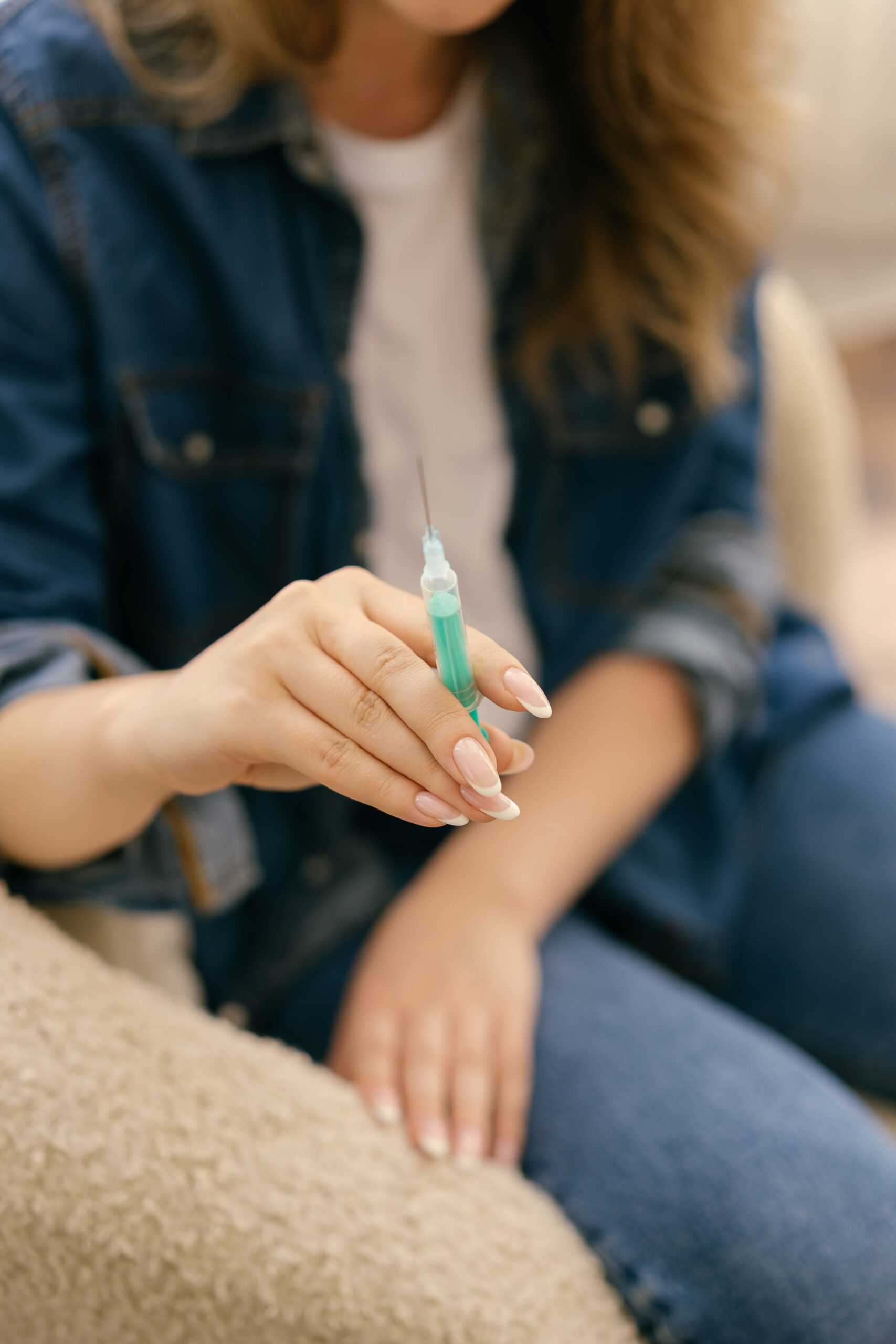
If you are searching how long does a fentanyl patch take to start working, you may be trying to understand why pain relief does not happen immediately after applying the patch. Unlike some medicines that begin working relatively quickly after they are swallowed or injected, a fentanyl patch delivers medicine gradually through the skin. This means the onset of pain relief can be slower and less predictable than people may expect.
The question how long does a fentanyl patch take to start working is especially important because fentanyl is a very potent opioid medicine. A fentanyl transdermal patch is not intended to provide instant relief for sudden pain. It is a long-acting medicine used for severe persistent pain in appropriately selected patients, and it requires careful medical supervision.
According to FDA prescribing information, fentanyl concentrations in the blood increase gradually after a transdermal patch is applied. They generally level off between about 12 and 24 hours, while peak concentrations may occur between approximately 20 and 72 hours after the initial application.
That information helps explain why how long does a fentanyl patch take to start working does not have one simple answer such as “a few minutes” or “one hour.” The medicine is absorbed progressively through the skin, and the timing of noticeable pain relief can vary.
This Health2Organ guide explains how long does a fentanyl patch take to start working, why fentanyl patches work gradually, what factors can influence the experience, why heat is dangerous with a fentanyl patch, what to know about pregnancy and reproductive health, what symptoms may indicate an emergency, and why patients should never increase or change a fentanyl patch without medical advice.
How Long Does a Fentanyl Patch Take to Start Working?
The most important point when asking how long does a fentanyl patch take to start working is that a transdermal fentanyl patch does not produce its full effect immediately.
After the patch is placed on the skin, fentanyl is absorbed gradually. FDA labeling explains that fentanyl concentrations increase gradually following initial application and generally level off between approximately 12 and 24 hours. Peak serum concentrations can occur later, generally between 20 and 72 hours after the initial application.
This does not mean that every person will suddenly feel complete pain relief at exactly 12 or 24 hours. The timing of noticeable pain relief can vary according to the person’s previous opioid exposure, pain condition, dose prescribed, skin absorption, other medicines, and individual response.
Therefore, if someone asks how long does a fentanyl patch take to start working, a safer explanation is that fentanyl patches are designed for gradual, continuous delivery rather than immediate pain relief.
Because fentanyl is powerful and the medicine continues to be absorbed over an extended period, taking additional fentanyl or applying another patch because pain has not improved quickly can be dangerous.
Why Does a Fentanyl Patch Work Gradually?
To understand how long does a fentanyl patch take to start working, it helps to understand how transdermal medicine delivery works.
A fentanyl patch is placed on the skin. The medicine moves from the patch through the skin and gradually enters the bloodstream. The FDA describes a depot of fentanyl forming in the upper layers of the skin after the patch is applied, from which fentanyl becomes available to the systemic circulation.
This gradual absorption is one reason the fentanyl patch is different from a medicine that enters the bloodstream immediately through an intravenous route.
The patch is designed to provide continuous delivery over its prescribed wearing period. MedlinePlus states that transdermal fentanyl patches are generally changed every 72 hours according to the prescribed instructions.
Because the medicine is delivered slowly, the body does not receive the entire amount at once. This is also why cutting, damaging, chewing, swallowing, or otherwise altering a fentanyl patch can be extremely dangerous.
Understanding the delivery system is essential when asking how long does a fentanyl patch take to start working. The slow delivery is intentional and is part of how the patch provides longer-lasting opioid exposure.
How Long Does a Fentanyl Patch Take to Start Working Compared With Other Pain Medicines?
People often ask how long does a fentanyl patch take to start working because they are comparing it with another pain medicine.
Different medicines enter the body in different ways. Some oral medicines are absorbed through the digestive system, while injectable medicines may enter the bloodstream much more rapidly. A transdermal fentanyl patch is specifically designed to deliver fentanyl continuously through the skin.
As a result, it should not be treated like an immediate-release painkiller.
A person experiencing sudden severe pain should not assume that applying a fentanyl patch is an appropriate way to obtain rapid relief. The patch is intended for specific patients and specific pain situations under medical supervision.
MedlinePlus identifies fentanyl patches as medicines used to relieve severe pain and emphasizes that the medicine must be used exactly as directed.
Therefore, how long does a fentanyl patch take to start working is not simply a question of waiting a certain number of minutes. The medicine is intentionally designed for gradual delivery.
What Happens During the First Several Hours?
When considering how long does a fentanyl patch take to start working, it is useful to understand what happens after the patch is applied.
Initially, fentanyl begins moving from the patch through the skin. The concentration in the bloodstream gradually increases rather than instantly reaching the eventual level.
FDA information indicates that blood concentrations rise gradually after initial application and generally level off between approximately 12 and 24 hours.
A person may therefore notice that pain relief develops gradually. The amount of relief can also vary because pain itself is influenced by many factors, including the underlying condition, previous opioid exposure, and individual sensitivity to the medicine.
It is important not to interpret slower pain relief as permission to apply another patch. A fentanyl patch contains a potent opioid, and adding extra fentanyl without medical direction can cause dangerous accumulation and respiratory depression.
The safest approach is to follow the exact prescription and contact the prescribing healthcare professional if pain remains inadequately controlled.
How Long Does a Fentanyl Patch Take to Start Working at Full Effect?
The phrase “full effect” can be misleading when discussing how long does a fentanyl patch take to start working.
Fentanyl blood concentrations can continue changing after the first several hours. FDA prescribing information states that peak serum concentrations generally occurred between approximately 20 and 72 hours after initial application.
This means the initial patch should not be judged as though it were an immediate-release medication.
The precise clinical effect can differ from the blood concentration timeline. A person may experience pain relief before the peak concentration is reached, while another person may have a different response.
The important safety point is that fentanyl exposure can continue increasing after the patch is first applied. This is one reason the first 24 to 72 hours require particular caution.
MedlinePlus warns that serious or life-threatening breathing problems can occur especially during the first 24 to 72 hours of treatment and when the dose is increased.
Why Should You Not Apply Another Patch Too Soon?
Someone searching how long does a fentanyl patch take to start working may become concerned when pain relief is not immediate.
However, applying an additional patch without medical direction can be dangerous.
Fentanyl is a potent opioid. Too much fentanyl can suppress breathing, cause extreme sedation, lead to unconsciousness, and potentially cause death.
The FDA labeling specifically states that fentanyl transdermal systems should not be initiated in opioid-nontolerant patients because of the risk of serious respiratory depression.
This is a critical difference between fentanyl patches and many ordinary pain medicines.
If the prescribed patch does not appear to control pain adequately, the appropriate response is to contact the prescribing healthcare professional rather than increasing the dose independently.
Understanding how long does a fentanyl patch take to start working should therefore always include understanding why patience and medical supervision matter.
Who Is Fentanyl Patch Usually Prescribed For?
The answer to how long does a fentanyl patch take to start working should be considered alongside the question of who should use a fentanyl patch.
Transdermal fentanyl is generally reserved for patients with severe, persistent pain who are already receiving opioid therapy and have developed opioid tolerance. FDA prescribing information specifically warns against initiating transdermal fentanyl in opioid-nontolerant patients.
This is because fentanyl can cause profound respiratory depression, particularly in people who do not have an established tolerance to opioids.
A fentanyl patch is therefore not simply a stronger version of a common over-the-counter painkiller.
It should only be used according to a prescription and under appropriate medical supervision.
How Long Does a Fentanyl Patch Take to Start Working for Chronic Pain?
For people prescribed fentanyl patches for chronic severe pain, the gradual onset is part of the medicine’s design.
The patch is intended to provide continuous fentanyl delivery rather than repeated short-term doses.
MedlinePlus states that the patch is generally worn for up to 72 hours according to the prescribed schedule.
The purpose is to maintain a relatively continuous exposure to fentanyl rather than producing a rapid spike followed by a rapid decline.
When asking how long does a fentanyl patch take to start working, patients with chronic pain should therefore understand that the patch is intended as a long-acting treatment rather than a rescue medicine for sudden pain.
If breakthrough pain occurs, the prescribing clinician may provide a separate treatment plan. Patients should follow that plan rather than improvising with additional patches.
How Long Does a Fentanyl Patch Take to Start Working if You Have Used One Before?
Previous use of fentanyl or other opioids can affect how a person responds to transdermal fentanyl.
However, previous use does not mean a person can safely adjust the patch independently.
The FDA explains that dosage selection should take into account prior analgesic treatment experience, pain severity, response, and other individual risk factors.
Even someone who has previously used fentanyl may have a different response after a change in health, medications, opioid exposure, or dose.
Therefore, the answer to how long does a fentanyl patch take to start working remains individualized even for experienced opioid users.
A previously tolerated dose should never automatically be reused after a long interruption without medical advice.
What Factors Can Affect How a Fentanyl Patch Works?
Several factors can influence fentanyl exposure and the person’s experience.
Individual skin characteristics can affect how much fentanyl is absorbed. The FDA notes that there is individual variation in skin permeability and body clearance of fentanyl.
Other medicines can also affect sedation and respiratory risk. Alcohol and certain medications can increase the danger of excessive sedation or breathing problems.
The condition of the skin matters as well. MedlinePlus recommends applying the patch to appropriate intact skin and avoiding irritated, damaged, oily, or otherwise unsuitable areas.
These factors demonstrate why how long does a fentanyl patch take to start working cannot be reduced to one guaranteed number of minutes or hours for every patient.
How Does Heat Affect a Fentanyl Patch?
Heat is one of the most important safety issues associated with fentanyl patches.
When asking how long does a fentanyl patch take to start working, people may mistakenly think that increasing skin temperature could make the patch work faster.
This should never be attempted.
FDA labeling reports that applying heat over a fentanyl transdermal system can substantially increase fentanyl exposure. In one study, heat increased mean overall fentanyl exposure by 120% and average maximum fentanyl concentration by 61%.
MedlinePlus specifically warns against direct heat sources such as heating pads, electric blankets, heat lamps, saunas, hot tubs, and heated water beds while using a fentanyl patch.
Therefore, if you are wondering how long does a fentanyl patch take to start working, do not try to speed up the process with heat.
Increasing fentanyl absorption unexpectedly can lead to dangerous opioid toxicity.
Can Fever Affect a Fentanyl Patch?
A high body temperature can also be relevant because heat may affect transdermal fentanyl exposure.
Patients who develop a fever while wearing a fentanyl patch should contact their healthcare professional for advice, particularly if they feel unusually sleepy, confused, dizzy, or have breathing difficulties.
The key point is that fentanyl absorption is not completely independent of temperature.
This is another reason not to experiment with heat while trying to answer how long does a fentanyl patch take to start working.
What Are Common Side Effects of a Fentanyl Patch?
Understanding how long does a fentanyl patch take to start working should also involve understanding potential side effects.
Fentanyl patches can cause nausea, vomiting, sweating, headache, constipation, sleep problems, skin irritation, dizziness, and drowsiness, among other effects. MedlinePlus lists these among possible side effects and advises contacting a healthcare professional when symptoms are severe or persistent.
Some side effects are more concerning than others.
Extreme sleepiness, difficulty waking, slowed breathing, unusual snoring, long pauses in breathing, or shortness of breath can indicate dangerous opioid effects.
Because fentanyl can cause life-threatening respiratory depression, these symptoms require urgent medical attention.
A person should not assume that severe drowsiness is simply evidence that the medicine is “working well.”
How Long Does a Fentanyl Patch Take to Start Working Without Causing Too Much Sleepiness?
There is no safe universal timeline that separates therapeutic pain relief from excessive opioid effects.
A patient may experience pain relief while also experiencing some opioid-related side effects, but severe sedation is not an expected goal of treatment.
The FDA and MedlinePlus both emphasize respiratory depression as a serious risk, particularly during the first 24 to 72 hours and after dose increases.
This is why the question how long does a fentanyl patch take to start working should never be answered by suggesting that a patient wait and then increase the dose if the desired effect is not immediately noticeable.
The safest dosing decisions are made by the prescribing clinician.
What Should You Do if the Patch Does Not Seem to Work?
If you have applied the fentanyl patch exactly as prescribed and pain remains poorly controlled, contact your healthcare professional.
Do not apply an additional patch, cut the existing patch, increase the prescribed strength, or use heat to accelerate absorption.
MedlinePlus specifically instructs patients not to apply more patches or use patches more often than prescribed.
A clinician may need to assess the underlying pain condition, the current opioid regimen, medication interactions, patch placement, or whether another treatment approach is needed.
The answer to how long does a fentanyl patch take to start working should therefore be combined with an individualized medical plan.
How Long Does a Fentanyl Patch Take to Start Working After a Dose Increase?
Dose increases require particular caution.
Fentanyl concentrations can rise gradually, and the full exposure from a new patch is not necessarily apparent immediately after application.
The FDA warns that patients should be monitored closely for respiratory depression during the first 24 to 72 hours after initiating therapy and after dose increases.
This is important because someone may mistakenly believe that a higher dose has not taken effect simply because the first few hours feel different.
A higher fentanyl dose should never be taken without medical direction.
What Happens After Removing a Fentanyl Patch?
The effects of a fentanyl patch do not disappear instantly when the patch is removed.
FDA information explains that after removal, fentanyl concentrations decline gradually, falling by about 50% over approximately 20 to 27 hours. Continued absorption from the skin contributes to this slower decline.
This is an important part of understanding how long does a fentanyl patch take to start working, because it shows that fentanyl exposure is gradual on both ends.
The medicine enters the bloodstream gradually after application and leaves the body gradually after removal.
For this reason, patients should continue following medical instructions even after removing a patch and should not assume that its effects immediately disappear.
How Long Does a Fentanyl Patch Take to Start Working During the First 72 Hours?
The first 72 hours are especially important because a fentanyl patch is generally worn continuously during this period.
Blood fentanyl concentrations rise after application and can continue changing over the first several days. FDA information reports that peak serum concentrations may occur between 20 and 72 hours after initial application.
This explains why patients should not make rapid changes to their treatment based on how they feel during the first few hours.
MedlinePlus also emphasizes that serious breathing problems can occur during the first 24 to 72 hours of treatment.
Therefore, the answer to how long does a fentanyl patch take to start working must include both onset and safety monitoring.
Can a Fentanyl Patch Be Used for Sudden Pain?
A fentanyl patch is not intended to be a quick-response treatment for sudden pain.
Because transdermal fentanyl is absorbed gradually, it is designed for ongoing pain management in appropriately selected patients rather than immediate relief of acute pain.
If someone develops sudden severe pain while using a fentanyl patch, they should follow the breakthrough-pain plan provided by their healthcare professional.
If no such plan exists, contacting the healthcare professional is safer than applying an additional fentanyl patch.
This distinction is important because the search query how long does a fentanyl patch take to start working can sometimes come from someone looking for immediate pain relief.
Fentanyl Patch and Pregnancy
Because this article is focused on reproductive health, pregnancy is an important part of understanding fentanyl patch safety.
Anyone who is pregnant, planning pregnancy, or who may become pregnant should tell their healthcare professional before using fentanyl patches.
MedlinePlus warns that regular fentanyl patch use during pregnancy can result in newborn withdrawal symptoms that may be life-threatening.
This does not mean that a pregnant person should abruptly stop a prescribed fentanyl patch without medical guidance.
Stopping opioids suddenly can cause withdrawal and may create additional risks. Medication decisions during pregnancy should therefore be made with an appropriate healthcare professional.
For reproductive health, the important message is that pregnancy status should always be disclosed when discussing long-term opioid treatment.
Fentanyl Patch and Breastfeeding
People who are breastfeeding should also tell their healthcare professional that they are using or considering fentanyl treatment.
Fentanyl can pass into breast milk, and opioid exposure can be relevant to an infant’s safety.
Because the appropriate decision depends on the medicine, dose, duration, and individual circumstances, breastfeeding patients should obtain individualized medical advice rather than relying on a general internet answer.
This is another reason why how long does a fentanyl patch take to start working is only one part of a broader medication-safety discussion.
Can Fentanyl Affect Fertility?
MedlinePlus notes that fentanyl patches may decrease fertility in men and women.
This is relevant to reproductive health, particularly for people using long-term opioid treatment who are planning pregnancy or concerned about fertility.
However, fertility is influenced by many factors, and a single medication should not automatically be assumed to be the sole cause of fertility problems.
Anyone experiencing fertility concerns while using long-term fentanyl should discuss the issue with a healthcare professional who can consider the complete medical picture.
Why Fentanyl Patch Is Different From a Contraceptive Patch
The word “patch” can create confusion because several medicines are delivered through the skin.
A contraceptive patch is designed to release hormones used for pregnancy prevention. A fentanyl patch is an opioid pain medicine designed for controlled delivery of fentanyl.
They have completely different purposes and safety considerations.
Therefore, someone researching how long does a fentanyl patch take to start working should make sure they are reading information specifically about fentanyl transdermal systems rather than contraceptive patches or other types of medication patches.
Can Alcohol Affect a Fentanyl Patch?
Alcohol can increase the risks associated with fentanyl.
MedlinePlus advises patients not to drink alcoholic beverages while using fentanyl patches because alcohol can worsen fentanyl-related effects.
Combining opioids with alcohol can increase sedation and the risk of dangerous breathing problems.
Therefore, if someone is asking how long does a fentanyl patch take to start working, it is equally important to understand that alcohol should not be used as a way to manage anxiety, sleep, or pain while taking fentanyl.
Can Other Medicines Affect Fentanyl Safety?
Yes. Other medicines can interact with fentanyl or increase sedation and respiratory risk.
MedlinePlus advises patients to tell their doctor and pharmacist about prescription medicines, nonprescription medicines, vitamins, supplements, and herbal products they use.
Some medications can increase opioid effects, while others may interact through different mechanisms.
This is why patients should not start, stop, or change other medicines without discussing them with their healthcare professional when using fentanyl patches.
The question how long does a fentanyl patch take to start working should therefore never be considered separately from the patient’s complete medication list.
What Are Signs of Fentanyl Overdose?
Understanding overdose symptoms is essential for anyone prescribed a fentanyl patch.
Signs of opioid overdose can include very slow or shallow breathing, unusual snoring or long pauses during breathing, extreme sleepiness, inability to wake, cold or clammy skin, weakness, and slowed heartbeat.
MedlinePlus advises emergency medical treatment for serious breathing problems and identifies these types of symptoms as potential overdose signs.
If an overdose is suspected, emergency medical help should be contacted immediately.
Naloxone can reverse opioid overdose effects. MedlinePlus recommends discussing access to rescue medicines such as naloxone or nalmefene with a doctor or pharmacist when using fentanyl.
Why Children Must Never Have Access to Fentanyl Patches
Fentanyl patches can be extremely dangerous to children.
Even a used patch may contain a significant amount of fentanyl. MedlinePlus warns that fentanyl patches can harm or kill people who use them accidentally, especially children.
For this reason, patches should be stored securely and disposed of according to the medication instructions.
A child should never touch, play with, chew, or wear a fentanyl patch.
This safety issue is particularly important in households where a fentanyl patch is part of long-term pain treatment.
What If a Fentanyl Patch Falls Off?
If a fentanyl patch becomes loose or falls off, the patient should follow the specific instructions supplied with the medicine.
MedlinePlus advises that if a patch falls off before its scheduled removal, the patient should dispose of it properly, apply a new patch to a different appropriate skin area, and inform the doctor that it happened.
Patients should not automatically compensate by applying two patches.
The goal is to maintain the prescribed delivery pattern rather than trying to replace lost medication through an extra dose.
What If You Forget to Change a Fentanyl Patch?
If a patient forgets to change a patch, MedlinePlus advises applying the new patch when remembered after removing the old patch and then wearing the new patch for the prescribed period. It specifically warns against wearing two patches unless a doctor has instructed the patient to do so.
Because individual prescriptions can differ, patients should follow their own medication instructions.
This is particularly important for people who are also taking other opioids or medicines that can cause sedation.
Can You Cut a Fentanyl Patch?
No. Fentanyl patches should not be cut, damaged, or altered.
MedlinePlus warns that cutting or damaging a patch can cause most or all of the medication to be released at once instead of gradually, potentially causing overdose and death.
This is an important safety point when researching how long does a fentanyl patch take to start working.
Someone might incorrectly think that cutting a patch would simply make a lower dose. In reality, altering the patch can interfere with its controlled-release design.
Only use the exact patch strength prescribed by the healthcare professional.
How Should a Fentanyl Patch Be Applied?
The patch should be applied exactly according to the manufacturer’s instructions and the prescription.
MedlinePlus recommends placing the patch on an appropriate area of intact skin such as the chest, back, upper arms, or side of the waist, depending on the product instructions. The skin should be clean and dry, and damaged or irritated skin should be avoided.
Patients should not use oils, lotions, or other products that could interfere with application unless specifically instructed.
The patch should be pressed firmly onto the skin according to the instructions.
Correct application matters because the amount of fentanyl delivered depends partly on proper contact between the patch and skin.
Why Proper Application Matters When Asking How Long Does a Fentanyl Patch Take to Start Working
If a patch is applied incorrectly, it may not remain attached properly or may not deliver medicine as intended.
This can create confusion when a patient asks how long does a fentanyl patch take to start working.
A loose or improperly applied patch should not automatically lead to another patch being added.
Instead, follow the product instructions and contact the prescribing healthcare professional or pharmacist if there is uncertainty.
Correct application, correct dose, and correct replacement schedule are all essential parts of safe transdermal fentanyl use.
How Long Does a Fentanyl Patch Take to Start Working in Different People?
There is no single guaranteed onset time that applies to every person.
The FDA notes that there is variability between patients in skin permeability and fentanyl clearance.
Previous opioid exposure, pain severity, age, other medications, health conditions, and individual sensitivity can also affect the clinical experience.
This explains why one person may describe noticeable pain relief at a different time than another person.
Therefore, how long does a fentanyl patch take to start working should be understood as a pharmacological timeline rather than a promise that every patient will feel a particular effect at a particular hour.
Why You Should Never Stop a Fentanyl Patch Suddenly Without Advice
Long-term opioid use can lead to physical dependence.
MedlinePlus warns against suddenly stopping fentanyl patches without talking to a doctor because withdrawal symptoms can occur.
Withdrawal may include restlessness, sweating, chills, muscle pain, anxiety, nausea, vomiting, diarrhea, sleep difficulties, and other symptoms.
This does not mean that a person should continue fentanyl indefinitely without medical review. It means that changes to long-term opioid treatment should be planned and supervised.
A healthcare professional can determine whether tapering or another treatment approach is appropriate.
When Should Someone Seek Emergency Help?
Anyone using fentanyl should know the signs of opioid overdose.
Emergency medical assistance is especially important if a person becomes difficult or impossible to wake, develops very slow or shallow breathing, has long pauses between breaths, experiences severe breathing difficulty, or shows other signs of serious opioid toxicity.
MedlinePlus recommends emergency treatment for serious breathing problems associated with fentanyl.
If naloxone is available and an opioid overdose is suspected, it should be used according to its instructions while emergency medical services are contacted.
Do not wait to see whether the person “starts breathing normally” if overdose is suspected.
FAQs
How long does a fentanyl patch take to start working?
The answer to how long does a fentanyl patch take to start working is gradual rather than immediate. FDA information states that fentanyl blood concentrations rise gradually after application and generally level off between about 12 and 24 hours. Peak concentrations may occur later, generally between 20 and 72 hours. The exact timing of noticeable pain relief varies between individuals.
How long does a fentanyl patch take to start working for pain?
A fentanyl patch is designed to provide gradual, continuous opioid delivery rather than rapid relief of sudden pain. Blood fentanyl concentrations increase progressively after application, and the clinical effect can vary according to the patient and treatment circumstances.
Can I apply another fentanyl patch if the first one is not working?
No. You should not apply an additional fentanyl patch unless your prescribing healthcare professional specifically tells you to do so. Fentanyl is a potent opioid, and excessive exposure can cause life-threatening respiratory depression. MedlinePlus specifically warns against applying more patches or using them more frequently than prescribed.
Does heat make a fentanyl patch work faster?
Heat can increase fentanyl absorption and can dangerously increase fentanyl exposure. FDA data show that heat applied over a fentanyl patch substantially increased fentanyl exposure in a clinical pharmacology study. Heating pads, hot tubs, saunas, electric blankets, and other direct heat sources should therefore be avoided.
Can fentanyl patches affect pregnancy or reproductive health?
Fentanyl can be relevant to reproductive health. People who are pregnant or planning pregnancy should tell their healthcare professional about fentanyl use. Regular fentanyl patch use during pregnancy can result in serious neonatal opioid withdrawal after birth. MedlinePlus also notes that fentanyl patches may decrease fertility in men and women. Medication changes during pregnancy should be made with medical guidance rather than stopping treatment suddenly.
Final Thoughts on How Long Does a Fentanyl Patch Take to Start Working
The question how long does a fentanyl patch take to start working is important because a fentanyl patch behaves very differently from a fast-acting pain medicine.
Fentanyl is absorbed gradually through the skin. FDA prescribing information states that blood fentanyl concentrations rise progressively after a patch is applied, generally leveling off between approximately 12 and 24 hours, while peak concentrations can occur between about 20 and 72 hours.
This gradual delivery is intentional. A fentanyl patch is designed to provide continuous medication delivery for appropriately selected patients with severe persistent pain rather than immediate relief of sudden pain.
Because fentanyl is a powerful opioid, patients should never respond to delayed pain relief by applying another patch, increasing the dose, cutting the patch, or using heat to speed absorption. These actions can cause excessive fentanyl exposure and potentially life-threatening respiratory depression.
The first 24 to 72 hours are particularly important because serious breathing problems can occur during this period and after dose increases.
Reproductive health is also relevant. Anyone who is pregnant, planning pregnancy, breastfeeding, or concerned about fertility should tell their healthcare professional about fentanyl use. Regular fentanyl use during pregnancy can lead to serious withdrawal symptoms in a newborn, while MedlinePlus notes that fentanyl patches may affect fertility.
Ultimately, how long does a fentanyl patch take to start working cannot be answered with one exact number that applies to every patient. The medicine enters the bloodstream gradually, and the experience of pain relief varies. The safest approach is to use the exact strength and schedule prescribed, avoid dangerous heat exposure, keep the medicine away from children, and contact the prescribing healthcare professional if pain remains uncontrolled or if concerning symptoms develop.
If severe sleepiness, inability to wake, slow or shallow breathing, long pauses between breaths, or other signs of opioid overdose occur, emergency medical assistance is needed immediately. Fentanyl treatment should always be approached as serious prescription opioid therapy, with careful attention to dosing, interactions, pregnancy considerations, and safe storage.
For anyone searching how long does a fentanyl patch take to start working, the key takeaway is simple: fentanyl patches are designed for gradual, controlled delivery, not instant pain relief. Understanding this timing and respecting the medicine’s safety precautions can help patients use prescribed fentanyl more safely and recognize when professional or emergency medical assistance is needed.