

Blog
Where Can You Put a Fentanyl Patch? Safe Use Guide

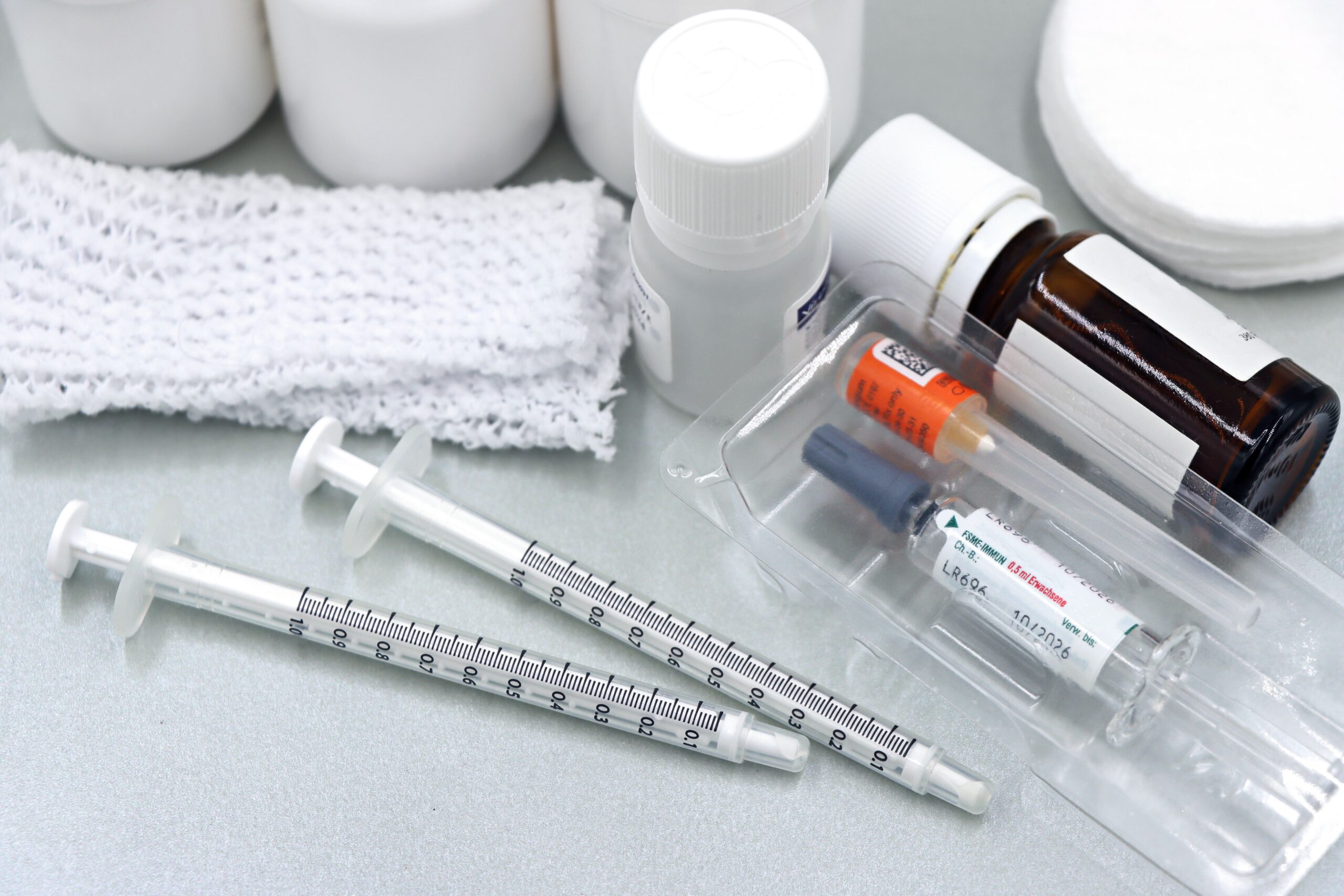
If you are searching for where can you put a fentanyl patch, you may already know that fentanyl patches are different from ordinary skin patches. A fentanyl transdermal patch is a prescription medicine designed to deliver fentanyl through the skin over an extended period. Because fentanyl is a powerful opioid, correct application, careful handling, safe storage, and following the prescribing instructions are extremely important.
So, where can you put a fentanyl patch? For the current MedlinePlus instructions, a fentanyl patch can generally be applied to the chest, back, upper arms, or sides of the waist. The selected area should be flat and preferably hairless, with healthy, intact skin. The patch should not be placed on skin that is irritated, oily, broken, cut, burned, or otherwise damaged.
Knowing where can you put a fentanyl patch is only one part of using this medicine safely. People also need to understand how to prepare the skin, how firmly the patch should be applied, what types of heat to avoid, what to do if the patch comes loose, how to change the patch, and how to dispose of used patches safely.
This Health2Organ guide explains where can you put a fentanyl patch, why the placement area matters, which areas should be avoided, how to apply the patch correctly, why heat can be dangerous, what to do if the patch falls off, and when urgent medical help may be needed.
Where Can You Put a Fentanyl Patch?
The most common question is straightforward: where can you put a fentanyl patch?
According to MedlinePlus, a fentanyl transdermal patch can be applied to the chest, back, upper arms, or sides of the waist. The area should be relatively flat and free from significant hair. For someone applying a patch to a child or to a person who may have difficulty understanding or following instructions, the upper back may be selected so the person has more difficulty removing the patch.
The exact location should also follow the instructions supplied with the specific product and the directions given by the prescribing healthcare professional. Fentanyl patches are not ordinary adhesive patches, and changing the location without checking the medication instructions is not recommended.
When considering where can you put a fentanyl patch, the condition of the skin is just as important as the body location. Healthy, intact skin provides the intended surface for transdermal delivery. Damaged or irritated skin can create problems and should not be used as an application site.
Where Can You Put a Fentanyl Patch on the Chest?
The chest is one of the areas listed in current patient instructions for fentanyl transdermal patches. If the chest is selected, the patch should be placed on an appropriate flat area of intact skin rather than over a wound, rash, irritated area, or heavily treated skin.
When asking where can you put a fentanyl patch, it is important not to interpret “chest” as meaning every part of the chest is automatically suitable. The patch needs appropriate skin contact and should not be positioned where clothing, movement, or skin problems could interfere with proper application.
The manufacturer’s or pharmacist’s instructions should always take priority if they specify a different acceptable site for the particular fentanyl product being used.
Where Can You Put a Fentanyl Patch on the Back?
The back is another approved general application area described in patient guidance. A flat area of healthy skin can provide a suitable surface for the patch.
For people who may accidentally remove a patch, the upper back can sometimes be selected because it may be more difficult for the person to reach. MedlinePlus specifically mentions the upper back for children or people who are unable to think clearly.
If you are wondering where can you put a fentanyl patch and are considering the back, it can be helpful to have another person assist with application when necessary. However, the person helping should follow proper hygiene and handling instructions and avoid touching the medication-containing adhesive unnecessarily.
Where Can You Put a Fentanyl Patch on the Upper Arm?
The upper arm is also listed among possible fentanyl patch application areas. The chosen area should have intact skin and should be suitable for maintaining firm contact with the patch.
When deciding where can you put a fentanyl patch on the upper arm, avoid areas where the skin is irritated or where repeated movement causes the patch to loosen. The patch should lie flat against the skin, with good contact around the edges.
The upper arm can be convenient for some people, but convenience should never take priority over the product instructions and skin condition.
Where Can You Put a Fentanyl Patch Around the Waist?
The sides of the waist are also included in the MedlinePlus application guidance. However, the patch should not simply be placed anywhere around the waist.
The selected area should be flat and healthy. Tight clothing can potentially rub against the patch or interfere with comfortable wear, so choosing a suitable location is important.
If you are asking where can you put a fentanyl patch around the waist, consider a location where the patch can remain firmly attached without being repeatedly rubbed or folded by clothing.
If you are unsure whether a specific area around your waist is suitable, ask your pharmacist or prescribing healthcare professional before applying the patch.
What Skin Should You Choose for a Fentanyl Patch?
Understanding where can you put a fentanyl patch requires more than memorizing four body areas. The quality of the skin matters.
MedlinePlus recommends choosing a flat, hairless area and avoiding skin that is sensitive, very oily, irritated, broken, cut, or otherwise damaged. If hair is present, the instructions recommend clipping it close to the skin rather than shaving the area, because shaving can irritate the skin.
This is important because fentanyl is delivered through the skin. The patch is designed to stay in contact with the skin and release medicine gradually.
A healthy application site also reduces the chance that existing irritation will become more uncomfortable under the adhesive.
Where Should You Not Put a Fentanyl Patch?
Knowing where can you put a fentanyl patch is only half of the placement question. It is equally important to understand where the patch should not be applied.
A fentanyl patch should not be placed on broken, cut, burned, irritated, inflamed, or damaged skin. It should also not be placed on an area that is excessively oily or otherwise unsuitable for reliable adhesion.
Do not cut a fentanyl patch to make it fit a particular body area. MedlinePlus warns against using a patch that has been cut, damaged, or altered because this can cause the medicine to be released incorrectly and potentially result in overdose.
The safest approach is to use the patch exactly as supplied and follow the instructions for the prescribed product.
Can You Put a Fentanyl Patch on Broken Skin?
No. Broken or damaged skin is not an appropriate application surface.
If you are asking where can you put a fentanyl patch, remember that the site should be healthy and intact. Cuts, burns, rashes, irritation, and other skin damage can make an area unsuitable.
If the skin at your usual application site becomes irritated, choose another appropriate site according to your medication instructions and discuss persistent skin problems with a healthcare professional.
A person should never deliberately damage or alter the skin to make a fentanyl patch work differently.
Can You Put a Fentanyl Patch on Hairy Skin?
A small amount of hair does not necessarily mean the area must be completely shaved. MedlinePlus advises that if hair is present at the selected site, it should be clipped as close to the skin as possible rather than shaved.
This is an important detail when considering where can you put a fentanyl patch.
Shaving can irritate the skin, potentially creating an unsuitable application surface. Clipping hair carefully can help maintain the condition of the skin while allowing the patch to make appropriate contact.
If an area is very hairy and the patch cannot adhere properly, ask a healthcare professional or pharmacist about an alternative approved application site.
How Should You Prepare the Skin Before Applying a Fentanyl Patch?
Once you know where can you put a fentanyl patch, the next step is preparing the selected area correctly.
MedlinePlus instructs patients to clean the area with clear water and then pat it completely dry. The instructions specifically say not to use soaps, lotions, alcohol, or oils on the application area immediately before applying the patch.
This preparation helps provide a clean surface for the patch.
The skin should be completely dry before the patch is applied. Moisture, oils, creams, or lotions may interfere with adhesion.
After preparing the site, the patch should be handled according to the instructions supplied with the medicine. The sticky side should not be unnecessarily touched.
How Do You Apply a Fentanyl Patch?
After choosing where can you put a fentanyl patch, the application process should be completed carefully.
The patch should remain sealed in its pouch until it is ready to use. Once the pouch is opened, the protective liner is removed according to the product instructions and the adhesive side is placed directly against the prepared skin.
MedlinePlus instructs users to press the patch firmly with the palm of the hand for at least 30 seconds and make sure that the patch adheres well, especially around the edges.
After application, hands should be washed with water.
The purpose is to ensure that the patch remains securely attached and delivers the medicine as intended.
Why Is Proper Fentanyl Patch Placement Important?
The question where can you put a fentanyl patch is important because fentanyl is a potent opioid medicine and transdermal delivery is designed to occur gradually.
The patch is not simply a sticker containing a small amount of medicine. The system is designed to deliver fentanyl through the skin over time.
Incorrect application, use of damaged patches, exposure to excessive heat, or using more patches than prescribed can increase the risk of excessive fentanyl exposure.
MedlinePlus warns that fentanyl patches can cause serious or life-threatening breathing problems, particularly during the initial period of treatment and when the dose is increased.
For that reason, application instructions should be treated as medication-safety instructions, not merely cosmetic placement advice.
Can You Move a Fentanyl Patch to Another Location?
Yes, changing the application area can be part of routine patch use, but the new location must be an appropriate site according to the medication instructions.
When considering where can you put a fentanyl patch, it is generally preferable to avoid repeatedly using the exact same skin spot if another suitable site is available, particularly if the skin becomes irritated.
When replacing a patch, the old patch should be removed before the new one is applied. MedlinePlus specifically instructs patients not to wear two patches at the same time unless their doctor has specifically instructed them to do so.
Never add an extra patch because pain is not adequately controlled without first speaking with the prescribing clinician.
Can Heat Affect a Fentanyl Patch?
Heat is one of the most important safety considerations when learning where can you put a fentanyl patch.
The concern is not only the location of the patch but also what happens to that patch afterward. MedlinePlus warns that extreme heat can cause a fentanyl patch to release too much medication into the body at once.
Patients are advised to avoid direct heat sources such as heating pads, electric blankets, heat lamps, saunas, hot tubs, and heated water beds while wearing the patch. Long hot baths and sunbathing should also be avoided.
This is an important distinction. A location may technically be an appropriate application site, but exposing the patch to significant heat can still create a serious safety problem.
Can You Shower While Wearing a Fentanyl Patch?
MedlinePlus states that people can bathe, swim, or shower while wearing a fentanyl patch. However, the patch needs to remain properly attached, and excessive heat should be avoided.
If the patch becomes loose or falls off, the instructions for replacing it should be followed carefully.
A person should not use additional heat to make the patch adhere more strongly. The patch should be applied to clean, dry skin using the prescribed application method.
If you are uncertain about bathing, swimming, or patch adhesion with your specific product, consult the medication guide or pharmacist.
What If a Fentanyl Patch Falls Off?
If a fentanyl patch falls off before the scheduled replacement time, do not simply ignore the situation.
MedlinePlus instructs patients to dispose of the detached patch properly, apply a new patch to a different appropriate skin area, and tell their doctor that the patch came off. The replacement patch is generally worn for the prescribed period, usually 72 hours, according to the instructions.
The exact instructions provided with your specific product should be followed.
If a patch repeatedly falls off, discuss the problem with a healthcare professional rather than repeatedly improvising with adhesive products.
Can You Use Lotion Under a Fentanyl Patch?
The skin beneath a fentanyl patch should not be coated with lotion, oil, cream, or similar products immediately before application.
When asking where can you put a fentanyl patch, the quality of the skin surface matters because the patch needs appropriate contact with the skin.
MedlinePlus recommends cleaning the area with clear water and drying it completely, without applying soaps, lotions, alcohol, or oils to the application site immediately before applying the patch.
If you regularly use skincare products on an area where a patch might be applied, ask your pharmacist or doctor which sites are appropriate.
Can You Cut a Fentanyl Patch?
No. A fentanyl patch should not be cut, altered, or damaged.
This is one of the most important safety rules associated with the question where can you put a fentanyl patch because some people may think cutting a patch could make it smaller or easier to place.
MedlinePlus warns that a cut or damaged patch can release much or all of the medication at once rather than gradually over the intended period. This can result in overdose and death.
Use the complete patch exactly as prescribed.
If the patch is too large, difficult to apply, or does not fit comfortably on an approved site, contact a healthcare professional rather than modifying it.
How Often Is a Fentanyl Patch Changed?
Fentanyl transdermal patches are generally changed every 72 hours according to the MedlinePlus instructions, although the exact prescription instructions for an individual patient should always be followed.
When considering where can you put a fentanyl patch, remember that placement and replacement are connected. When it is time to change the patch, the old patch should be removed before the new one is applied.
The new patch should be placed on a different appropriate skin area when possible.
Do not increase the frequency of patch changes or apply additional patches unless specifically instructed by the prescribing healthcare professional.
What Happens If You Accidentally Apply Two Fentanyl Patches?
Applying more fentanyl patches than prescribed can be dangerous.
Fentanyl is a potent opioid, and excessive exposure can cause serious respiratory depression, sedation, and other life-threatening effects. MedlinePlus specifically warns patients not to wear two patches at once unless their doctor has instructed them to do so.
If you discover that you have accidentally applied an extra patch, seek urgent medical advice or emergency assistance rather than waiting for symptoms.
If overdose symptoms are present, emergency medical care is essential.
What Are Signs of Fentanyl Overdose?
Knowing where can you put a fentanyl patch is important, but recognizing an opioid overdose is even more important for emergency safety.
MedlinePlus lists symptoms such as slow or shallow breathing, unusual snoring, extreme sleepiness, inability to respond or wake up, cold or clammy skin, weak or limp muscles, and slowed heartbeat among possible signs of overdose.
If an overdose is suspected, emergency medical assistance should be contacted immediately.
Naloxone or another appropriate opioid overdose reversal medicine may be available depending on local healthcare systems and circumstances. MedlinePlus advises discussing access to rescue medicines such as naloxone or nalmefene with a doctor or pharmacist.
Why Should Fentanyl Patches Be Kept Away From Children?
Fentanyl patches can be extremely dangerous to people who are not prescribed them, especially children.
A used patch can still contain a significant amount of fentanyl. MedlinePlus warns that children can be harmed or die if they accidentally use or handle fentanyl patches.
This means safe storage is just as important as knowing where can you put a fentanyl patch.
Patches should be kept in a secure location that is inaccessible to children and other people who should not use the medication.
Never leave a patch on a bedside table, bathroom counter, bag, or another easily accessible location.
How Should Used Fentanyl Patches Be Disposed Of?
Used fentanyl patches should not simply be thrown into an ordinary household garbage bin.
Because used patches may retain a considerable amount of fentanyl, they require careful disposal. MedlinePlus recommends following local medicine take-back options when available and provides specific disposal instructions for patches when such a program is not promptly accessible.
The medication instructions should be followed for the product prescribed to you.
The general principle is simple: used patches must be kept away from children, pets, and anyone who could accidentally come into contact with the medication.
Does the Fentanyl Patch Treat Every Type of Pain?
Fentanyl transdermal patches are prescription medicines intended for specific pain-management situations. They are not intended to be an ordinary first-choice pain reliever for every type of pain.
MedlinePlus states that fentanyl patches are used to relieve severe pain and emphasizes that they should be used exactly as directed by the prescribing clinician.
Therefore, if someone is searching where can you put a fentanyl patch because they have newly developed pain, they should not assume that a fentanyl patch is appropriate simply because it is available.
A healthcare professional should determine whether this medicine is suitable for the person’s condition and opioid history.
Why Should You Follow the Prescribed Dose?
Fentanyl is a strong opioid and should be used exactly as prescribed.
The dose is determined by a healthcare professional based on the individual’s medical circumstances and previous opioid exposure. Changing the dose independently can increase the risk of serious adverse effects.
MedlinePlus warns patients not to apply more or fewer patches, apply them more frequently, or use the patches in a different way than prescribed.
This means that where can you put a fentanyl patch should never be interpreted as permission to experiment with the medicine.
Placement, dose, timing, replacement, storage, and disposal all form part of safe fentanyl use.
Can Alcohol or Other Medicines Affect Fentanyl Safety?
Yes. Fentanyl can interact dangerously with alcohol, certain medicines, and other substances.
MedlinePlus warns that combining fentanyl with certain medications, alcohol, or street drugs can increase the risk of serious or life-threatening breathing problems, sedation, or coma.
Anyone prescribed a fentanyl patch should tell their healthcare professional about all prescription medicines, nonprescription medicines, supplements, and other substances they use.
This is particularly important when starting another medication.
The answer to where can you put a fentanyl patch is therefore only one part of a much larger medication-safety discussion.
Can Pregnancy Affect Fentanyl Patch Use?
Pregnancy is an important medical consideration for anyone using a fentanyl patch.
MedlinePlus advises people to tell their doctor if they are pregnant or planning to become pregnant. Regular fentanyl patch use during pregnancy can expose a newborn to the risk of withdrawal symptoms after birth.
For people researching fentanyl and reproductive health, this is especially important.
The correct approach is not to stop a prescribed opioid suddenly without medical guidance. A healthcare professional can assess the situation and determine an appropriate treatment plan.
How Does Fentanyl Relate to Reproductive Health?
Although the main purpose of this article is to answer where can you put a fentanyl patch, reproductive health is also relevant because medication use can intersect with pregnancy, fertility planning, and postpartum care.
People who are pregnant, planning pregnancy, or breastfeeding should discuss fentanyl use with their healthcare professional.
The important point is that reproductive health does not exist separately from general medication safety. Prescription medicines can require additional consideration during pregnancy and after childbirth.
Anyone in this situation should provide their doctor with a complete list of medicines and supplements they are taking.
Can You Stop a Fentanyl Patch Suddenly?
People who have been using fentanyl patches regularly should not stop the medicine suddenly without talking to their healthcare professional.
MedlinePlus lists several possible opioid withdrawal symptoms, including restlessness, sweating, chills, muscle pain, anxiety, nausea, vomiting, diarrhea, rapid heartbeat, and other symptoms.
If someone wants to discontinue fentanyl treatment, the prescribing clinician can determine whether a gradual reduction or another approach is appropriate.
The location of the patch is important, but the overall treatment plan is equally important.
What Should You Do If the Skin Becomes Irritated?
Some people can experience redness, itching, swelling, or irritation at the patch site. MedlinePlus lists these among possible side effects.
If irritation occurs, do not automatically place the next patch over the same irritated area.
Ask your doctor or pharmacist for guidance, particularly if the reaction is severe, persistent, or worsening.
When considering where can you put a fentanyl patch, the goal is always to select a suitable, intact area of skin rather than trying to use an area that is already irritated.
Why Should You Avoid Excessive Sun or Heat?
Fentanyl patches should be protected from excessive heat because heat can increase fentanyl release.
MedlinePlus specifically warns against direct heat sources, hot tubs, saunas, heating pads, electric blankets, heated water beds, long hot baths, and sunbathing while wearing a fentanyl patch.
This safety issue is particularly important in hot climates.
Someone may choose an otherwise acceptable location when asking where can you put a fentanyl patch, but then spend significant time in direct sunlight or heat. That can create a risk that has nothing to do with whether the original application site was appropriate.
What Should You Remember About Fentanyl Patch Placement?
The key point when asking where can you put a fentanyl patch is that the location should be one of the approved areas described by the specific medication instructions.
For current MedlinePlus guidance, those areas include the chest, back, upper arms, and sides of the waist. The skin should be flat and intact, and areas that are broken, irritated, oily, cut, or damaged should be avoided.
The patch should be applied exactly as directed and should not be cut or altered.
Excessive heat should be avoided, and used patches need secure disposal because they can still contain fentanyl.
Most importantly, fentanyl patches should only be used by the person for whom they were prescribed and exactly according to the prescription.
FAQs
Where can you put a fentanyl patch?
If you are asking where can you put a fentanyl patch, current MedlinePlus instructions identify the chest, back, upper arms, and sides of the waist as possible application areas. The selected skin should be flat, intact, and preferably hairless. Avoid broken, irritated, oily, cut, or damaged skin.
Can you put a fentanyl patch anywhere on your body?
No. Fentanyl patches should only be applied to appropriate areas specified by the product instructions or healthcare professional. Current patient guidance lists the chest, back, upper arms, and sides of the waist. The patch should not be placed on damaged or irritated skin.
Can you use heat while wearing a fentanyl patch?
You should avoid excessive or direct heat while wearing a fentanyl patch. Heating pads, electric blankets, hot tubs, saunas, heated water beds, long hot baths, and sunbathing can increase fentanyl release and potentially cause dangerous exposure.
What should you do if a fentanyl patch falls off?
If a fentanyl patch falls off, follow the instructions supplied with your medicine. MedlinePlus advises disposing of the detached patch properly, applying a new patch to a different appropriate area, and informing your doctor that it happened.
Can you cut a fentanyl patch?
No. A fentanyl patch should not be cut or damaged. Altering the patch can cause the medication to be released too quickly and may result in dangerous or fatal overdose. Use the patch intact and exactly as prescribed.
Final Thoughts on Where Can You Put a Fentanyl Patch
Understanding where can you put a fentanyl patch is an important part of using transdermal fentanyl safely, but proper placement is only one part of responsible medication use.
Current MedlinePlus guidance identifies the chest, back, upper arms, and sides of the waist as appropriate general application areas. The selected area should be flat and healthy, with damaged, irritated, oily, cut, or otherwise unsuitable skin avoided. Hair can be clipped if necessary, but shaving the application site is discouraged because it may irritate the skin.
When applying a fentanyl patch, the skin should be prepared according to the medication instructions, and the patch should be pressed firmly into place. The patch should never be cut, altered, or used in a way that differs from the prescription.
Heat is another major consideration. Excessive heat can increase fentanyl release and potentially cause dangerous opioid exposure, so heating pads, hot tubs, saunas, heated blankets, and other direct heat sources should be avoided while wearing the patch.
Safe storage and disposal are also essential because fentanyl patches can be dangerous to people who are not prescribed the medicine, particularly children. Used patches may still contain substantial amounts of fentanyl and therefore require careful disposal.
For anyone searching where can you put a fentanyl patch, the most important message is to follow the instructions for the exact product prescribed to you and ask a doctor or pharmacist whenever you are uncertain about an application site. Fentanyl is a powerful prescription opioid, so it should never be used experimentally, shared with another person, or applied more frequently than prescribed.
If you or someone else develops slow or shallow breathing, extreme sleepiness, difficulty waking, or other possible overdose symptoms while using fentanyl, treat the situation as an emergency and seek immediate medical assistance.
Good reproductive and general health information should help people understand medicines without encouraging unsafe self-treatment. When fentanyl is prescribed appropriately and used exactly as directed, careful attention to placement, dose, heat exposure, storage, and disposal can help support safer medication use.




3 thoughts on “Where Can You Put a Fentanyl Patch? Safe Use Guide”