
Blog
How Does Contraceptive Pill Work? Full Health Guide

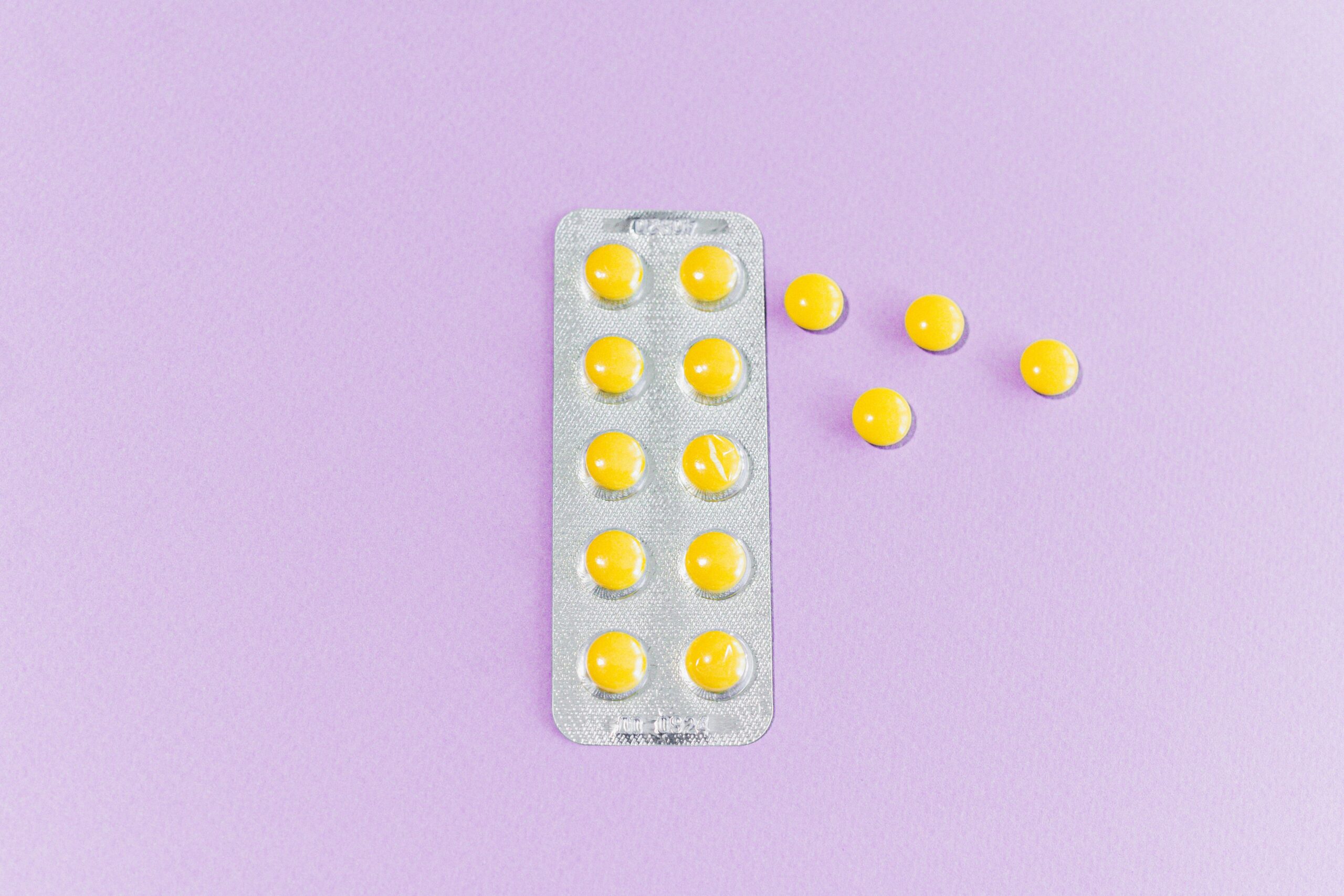
If you are searching for how does contraceptive pill work, you are probably looking for a clear explanation of how birth control pills prevent pregnancy and what actually happens inside the body after taking them. Contraceptive pills are widely used hormonal birth control methods, but many people still have questions about how they work, how effective they are, what happens when a pill is missed, and whether different pills work in different ways.
So, how does contraceptive pill work? In simple terms, contraceptive pills use hormones to interfere with the normal reproductive process that can lead to pregnancy. Depending on the type of pill, these hormones can mainly prevent ovulation, make cervical mucus thicker so sperm have more difficulty moving through the cervix, and produce other changes in the reproductive system. Combined oral contraceptives contain estrogen and progestin, while progestin-only pills contain only progestin.
Understanding how does contraceptive pill work is important because “the pill” does not refer to only one medicine. There are different formulations, and their instructions can vary. A person who understands the basic mechanism is more likely to understand why taking the pill consistently matters and why missed-pill instructions should be based on the specific product being used.
This comprehensive Health2Organ guide explains how does contraceptive pill work, how hormones affect ovulation, how cervical mucus changes, how combined pills differ from progestin-only pills, what happens if pills are missed, how effective oral contraception can be, possible side effects, fertility after stopping the pill, and other important reproductive health considerations.
How Does Contraceptive Pill Work?
The most important question is how does contraceptive pill work and how exactly does it prevent pregnancy?
Hormonal contraceptive pills change the hormonal signals involved in the menstrual and reproductive cycle. Combined oral contraceptives contain estrogen and progestin and primarily prevent the release of an egg from the ovaries. Progestin-only pills use a different hormonal approach and can work mainly by thickening cervical mucus while also affecting ovulation, depending on the formulation.
When ovulation is prevented, there is no egg released for sperm to fertilize. This is one of the central answers to how does contraceptive pill work.
The pill can also make cervical mucus thicker. Cervical mucus is naturally produced around the cervix, and its characteristics change during the menstrual cycle. Hormonal contraception can make this mucus less favorable for sperm movement.
Therefore, how does contraceptive pill work is best understood as a combination of hormonal effects rather than one single action. Different pill formulations may rely on these mechanisms to different degrees.
The pill is intended to prevent pregnancy before it occurs. It is not an abortion medicine and does not work by ending an established pregnancy.
How Does Contraceptive Pill Work to Stop Ovulation?
When people ask how does contraceptive pill work, preventing ovulation is one of the most important concepts to understand.
Ovulation is the release of an egg from an ovary. In a natural menstrual cycle, hormonal signals stimulate the ovary and eventually lead to the release of an egg. If sperm is present around the fertile period, fertilization can occur.
Combined oral contraceptives primarily suppress the hormonal signals responsible for ovulation. As a result, the ovary generally does not release an egg while the method is being used correctly.
This explains a major part of how does contraceptive pill work. Instead of allowing the normal hormonal sequence that leads to egg release, the contraceptive hormones alter that sequence and reduce the likelihood of ovulation.
WHO identifies prevention of ovulation as the main mechanism of combined oral contraceptives.
This is also why missing hormonal pills can matter. If contraceptive hormone levels are not maintained as intended, the suppression of ovulation can become less reliable.
How Does Contraceptive Pill Work Through Cervical Mucus?
Another important part of how does contraceptive pill work involves cervical mucus.
The cervix connects the vagina with the uterus. During the natural menstrual cycle, cervical mucus changes in response to hormones. Around ovulation, it can become thinner and more favorable to sperm movement.
Hormonal contraception can make cervical mucus thicker. This creates an additional barrier that makes it more difficult for sperm to move through the cervix toward an egg.
For some progestin-only pills, thickening cervical mucus is especially important to their contraceptive effect. WHO describes thickened cervical mucus as one of the ways progestin-only pills help prevent pregnancy.
So when someone asks how does contraceptive pill work, the answer is not simply “it stops ovulation.” The pill can also change the cervical environment, making it harder for sperm and egg to meet.
This additional mechanism is one reason hormonal contraception can be highly effective when used correctly and consistently.
How Does Contraceptive Pill Work With the Uterine Lining?
Another question related to how does contraceptive pill work is whether the pill changes the lining of the uterus.
Hormones naturally cause the uterine lining, also called the endometrium, to change during the menstrual cycle. Hormonal contraceptive methods can alter these changes.
WHO explains that hormonal contraceptives can thin the uterine lining as part of their overall effects.
However, it is important not to oversimplify this mechanism. The primary contraceptive mechanism of combined oral contraceptives is suppression of ovulation. The contraceptive effect also involves changes to cervical mucus and other reproductive processes.
Therefore, a more accurate explanation of how does contraceptive pill work is that the pill primarily prevents ovulation while also creating additional changes that make pregnancy less likely.
How Does Contraceptive Pill Work in a Combined Pill?
To understand how does contraceptive pill work, it is useful to know what a combined oral contraceptive contains.
Combined oral contraceptives contain two hormones: estrogen and progestin. These hormones are synthetic versions or derivatives of hormones that have effects similar to naturally occurring reproductive hormones.
The combination primarily suppresses ovulation. It also affects cervical mucus and the uterine lining.
Many combined pill packs contain active hormone pills and may also contain placebo or reminder pills. Other regimens use different schedules, including extended or continuous approaches. CDC guidance notes that combined hormonal contraceptives can be used in different schedules depending on the formulation and clinical circumstances.
Because products differ, someone should follow the instructions supplied with their particular contraceptive rather than assuming every combined pill has exactly the same schedule.
Understanding the ingredients is therefore an important part of understanding how does contraceptive pill work.
How Does Contraceptive Pill Work in a Progestin-Only Pill?
A progestin-only pill, commonly called a mini-pill, contains progestin without estrogen.
If you are wondering how does contraceptive pill work when there is no estrogen, the answer depends partly on the specific progestin-only formulation.
Progestin-only pills can thicken cervical mucus and can also suppress ovulation. The extent to which ovulation is suppressed varies between formulations. CDC guidance distinguishes between norethindrone or norgestrel progestin-only pills and drospirenone progestin-only pills because their mechanisms and missed-pill recommendations are not identical.
This distinction is important because people sometimes assume that every “mini-pill” works in exactly the same way.
The practical lesson is simple: if you want to know how does contraceptive pill work, first identify which contraceptive pill you are using.
How Does Contraceptive Pill Work Compared With Natural Ovulation?
To understand how does contraceptive pill work, imagine the natural reproductive cycle as a sequence of hormonal signals.
The brain communicates with the ovaries through reproductive hormones. These signals help an egg mature and eventually lead to ovulation.
Combined oral contraceptives interfere with this process by maintaining hormonal levels that suppress the signals responsible for releasing an egg.
As a result, the normal ovulatory pattern is changed.
This does not mean the ovaries permanently stop functioning. The contraceptive effect is reversible, and fertility generally returns quickly after oral contraceptives are stopped. WHO states that there is no required delay in fertility after stopping either combined oral contraceptives or progestin-only pills.
That reversibility is another important part of how does contraceptive pill work and why oral contraception is considered a reversible contraceptive method.
How Does Contraceptive Pill Work When Taken Every Day?
Daily use is one of the most important practical parts of how does contraceptive pill work.
Hormonal contraceptives need consistent use to maintain their intended contraceptive effect. WHO states that oral contraceptives should be taken every day and on time to maintain effectiveness.
When a person takes the pill according to the instructions, the hormones continue to influence the reproductive system in a way that prevents pregnancy.
When pills are missed, delayed, or started incorrectly, contraceptive protection may decrease.
This is why how does contraceptive pill work cannot be separated from how the pill is used.
Even a highly effective contraceptive method can become less reliable when it is not used correctly.
How Effective Is the Contraceptive Pill?
After learning how does contraceptive pill work, many people want to know how reliable the pill is.
WHO’s current information reports that with correct use, about one pregnancy occurs per 100 oral-contraceptive users in a year. With typical use, the number is higher because people may miss pills or take them late.
CDC reports approximately seven pregnancies per 100 users of combined hormonal contraceptives in the first year with typical use.
These figures show why correct use is so important.
The biological mechanism behind how does contraceptive pill work can be highly effective, but real-world effectiveness also depends on adherence.
Someone who frequently forgets pills may want to discuss other contraceptive options with a healthcare professional, especially if a method that requires less frequent action would better fit their routine.
How Does Contraceptive Pill Work If You Miss One Pill?
Missed pills are one of the most common practical concerns related to how does contraceptive pill work.
The correct action after a missed pill depends on the type of pill, how many pills were missed, and how much time has passed.
For combined oral contraceptives, CDC guidance states that if one hormonal pill is late by less than 24 hours, or one hormonal pill has been missed for 24 to less than 48 hours, the person should take the late or missed pill as soon as possible and continue the remaining pills on schedule. No additional contraceptive protection is generally needed in that situation.
If two or more consecutive hormonal pills have been missed, the recommendations are different. Additional barrier protection may be needed until hormonal pills have been taken for seven consecutive days, and emergency contraception may need to be considered in certain circumstances.
These instructions apply to specific combined oral contraceptive situations. Progestin-only pills can have different missed-pill rules.
Therefore, if you are asking how does contraceptive pill work after missing pills, do not use a generic rule without checking which pill you take.
How Does Contraceptive Pill Work When Started for the First Time?
Starting contraception correctly is another important part of how does contraceptive pill work.
The amount of time needed before contraceptive protection is established can depend on the pill type and when it is started in relation to the menstrual cycle.
Some pills can be started immediately in appropriate circumstances, while additional contraception may be recommended for a period after starting depending on the specific method and timing.
CDC’s contraceptive guidance provides method-specific recommendations for starting oral contraceptives and managing situations in which pregnancy is possible.
Because the rules can vary, it is better to follow the instructions for the exact product or consult a healthcare professional or pharmacist.
This is another reason why how does contraceptive pill work is only one part of safe contraceptive use. Correct timing and correct use are also important.
How Does Contraceptive Pill Work After Stopping?
People often ask how does contraceptive pill work after stopping, especially when they are planning a pregnancy.
The contraceptive effect is reversible. WHO states that fertility returns quickly after stopping oral contraceptives and that there is no required delay.
The body does not need a mandatory “break” from contraceptive pills before trying to become pregnant.
However, the timing of pregnancy can naturally vary between individuals. Stopping the pill does not guarantee that pregnancy will occur immediately.
Understanding how does contraceptive pill work therefore includes understanding that the hormonal effect is temporary rather than a permanent change to fertility.
Does How Does Contraceptive Pill Work Depend on the Type of Pill?
Yes. The answer to how does contraceptive pill work depends strongly on the formulation.
Combined oral contraceptives contain estrogen and progestin. They primarily prevent ovulation.
Progestin-only pills contain progestin and may rely on thickening cervical mucus, suppression of ovulation, or both depending on the formulation.
WHO recognizes these as the two main types of oral contraceptives.
Because the hormones and schedules differ, people should not assume that instructions for one contraceptive pill automatically apply to another.
If you are uncertain about your pill, check the packaging for the active ingredients or ask a pharmacist.
How Does Contraceptive Pill Work During the Menstrual Cycle?
The menstrual cycle is controlled by changing hormone levels. These hormonal changes coordinate egg development, ovulation, and changes in the uterine lining.
When you take a hormonal contraceptive pill, the hormones in the medication alter this natural pattern.
For combined oral contraceptives, the main effect is suppression of ovulation. The pill also changes cervical mucus and can alter the uterine lining.
This means that how does contraceptive pill work can be understood as changing several parts of the reproductive cycle so that the conditions needed for pregnancy become less likely.
The changes in hormonal activity can also affect menstrual bleeding. Some people experience lighter bleeding or spotting, particularly when starting a new pill.
Can Contraceptive Pills Change Your Period?
Yes, contraceptive pills can change menstrual bleeding patterns.
Some people may notice lighter bleeding, irregular bleeding, spotting, or changes in when bleeding occurs. These changes can depend on the type of pill and the individual’s response.
WHO lists changes in bleeding among possible effects of oral contraceptives.
Understanding how does contraceptive pill work helps explain why these changes can happen. The pill changes reproductive hormone patterns, so the natural menstrual cycle may not look exactly the same as it did before contraception.
However, severe or persistent symptoms should be discussed with a healthcare professional rather than automatically being attributed to the contraceptive.
What Are the Common Side Effects of the Contraceptive Pill?
When researching how does contraceptive pill work, it is also important to understand possible side effects.
Some people may experience nausea, headaches, dizziness, breast tenderness, mood changes, or changes in bleeding patterns. WHO lists these among possible side effects associated with oral contraceptives.
Side effects can vary between individuals and between different formulations.
Some people experience few or no noticeable side effects, while others may find that a particular formulation does not suit them.
If symptoms are severe, unusual, persistent, or concerning, medical advice should be sought.
The presence of a side effect does not necessarily mean the pill is dangerous, but it may be a reason to discuss whether another contraceptive option would be more suitable.
How Does Contraceptive Pill Work for People With Different Health Conditions?
Understanding how does contraceptive pill work is not enough to determine whether a particular pill is appropriate for everyone.
Most people can use oral contraceptives safely, but certain medical conditions can change which contraceptive options are recommended.
This is particularly important for combined pills because they contain estrogen. CDC’s Medical Eligibility Criteria provides recommendations for contraceptive use in people with different health conditions and characteristics.
A healthcare professional may consider factors such as medical history, medications, blood pressure, smoking, cardiovascular risk, and other relevant circumstances.
Therefore, someone should not choose a particular hormonal pill solely because it worked well for a friend or family member.
How Does Contraceptive Pill Work for Smokers?
Smoking can be an important consideration when discussing combined hormonal contraception.
The suitability of estrogen-containing contraception can depend on age and smoking status, among other factors. CDC’s medical eligibility guidance provides specific recommendations based on these characteristics.
This does not mean that every person who smokes must avoid every contraceptive method. Different contraceptive options have different medical considerations.
If you smoke and are considering hormonal contraception, discuss your options with a qualified healthcare professional.
This is an example of why how does contraceptive pill work and whether a particular pill is appropriate are two different questions.
How Does Contraceptive Pill Work During Breastfeeding?
Breastfeeding can influence contraceptive choices, particularly shortly after childbirth.
Progestin-only pills can be an option for breastfeeding individuals, while combined hormonal contraceptives may have additional timing considerations after delivery.
WHO states that the mini-pill can be safely used during breastfeeding and does not affect milk supply.
However, individual circumstances matter. Someone who has recently given birth should discuss contraception with a healthcare professional who can consider postpartum timing, breastfeeding, medical history, and personal preferences.
Understanding how does contraceptive pill work in the postpartum period therefore requires attention to both the contraceptive formulation and the person’s health circumstances.
Does the Contraceptive Pill Protect Against STIs?
No. This is one of the most important facts to understand alongside how does contraceptive pill work.
Oral contraceptives are designed to prevent pregnancy. They do not protect against sexually transmitted infections, including HIV. WHO specifically states that neither combined oral contraceptives nor progestin-only pills protect against STIs.
Condoms can reduce the risk of many sexually transmitted infections when used correctly and consistently.
For someone who needs both pregnancy prevention and STI protection, using condoms alongside an effective contraceptive method may provide broader protection.
This distinction is important because contraception and STI prevention are related but separate aspects of reproductive health.
How Does Contraceptive Pill Work Compared With Condoms?
The contraceptive pill and condoms prevent pregnancy through very different mechanisms.
The pill changes hormonal activity inside the body. It primarily prevents ovulation and can also affect cervical mucus.
A condom works as a physical barrier that reduces the chance of sperm entering the reproductive tract.
Another important difference is STI protection. The pill does not protect against STIs, while condoms can reduce the risk of many STIs.
Therefore, understanding how does contraceptive pill work also means understanding what the pill cannot do.
How Does Contraceptive Pill Work Compared With an IUD?
An IUD and an oral contraceptive pill are both reversible contraceptive methods, but they work differently and have different practical requirements.
The pill is taken by mouth on a regular schedule and uses hormones to prevent pregnancy.
An IUD is placed inside the uterus by a trained healthcare professional. Depending on the type, an IUD may release hormones or use copper to provide contraception.
WHO explains that hormonal IUDs release progestin and provide long-lasting contraception, while copper IUDs use copper-related effects on sperm to prevent pregnancy.
For someone comparing methods, the key issue is not simply how does contraceptive pill work, but which method best fits their health circumstances, reproductive goals, preferences, and ability to use the method consistently.
How Does Contraceptive Pill Work Compared With an Implant?
A contraceptive implant is another reversible hormonal method.
Instead of taking a pill every day, the implant is placed under the skin of the upper arm and releases progestin over an extended period.
WHO lists implants among highly effective reversible contraceptive methods.
The practical difference is significant. Someone who finds it difficult to remember a daily pill may prefer a longer-acting method after discussing options with a healthcare professional.
The pill can be stopped without a removal procedure, while an implant requires a healthcare professional for insertion and removal.
Both approaches are reversible, but they suit different lifestyles and preferences.
How Does Contraceptive Pill Work if You Take It Late?
The effect of taking a pill late depends on the specific contraceptive.
For combined oral contraceptives, CDC defines a pill taken less than 24 hours after the scheduled time as late and provides specific recommendations for managing it.
Progestin-only pills can have stricter timing requirements depending on the formulation.
This is one of the most important practical points about how does contraceptive pill work. The pill is not simply a medicine that provides a fixed amount of protection regardless of timing.
If you frequently struggle to take pills on time, discuss alternative methods with a healthcare professional.
Can the Contraceptive Pill Cause Infertility?
A common concern when learning how does contraceptive pill work is whether hormonal contraception can permanently affect fertility.
WHO states that fertility returns quickly after stopping oral contraceptives and that there is no required delay.
The contraceptive effect is temporary. While the pill is being used, it changes reproductive hormone activity to prevent pregnancy. After stopping, the body can return to its natural reproductive cycle.
This does not mean pregnancy will necessarily happen immediately. Fertility varies naturally among individuals, and many factors can influence how quickly pregnancy occurs.
How Does Contraceptive Pill Work for Long-Term Use?
Some people use oral contraceptives for many years.
WHO states that oral contraceptive pills can be used safely for many years when appropriate for the individual and used under appropriate healthcare guidance.
There is no general requirement to take periodic “breaks” simply because someone has been taking the pill for a long time.
However, a person’s health circumstances can change. A contraceptive method that was appropriate several years ago may need to be reassessed if new health conditions or medications develop.
Therefore, understanding how does contraceptive pill work should be combined with periodic consideration of whether the chosen contraceptive remains suitable.
What Happens if You Stop Taking the Pill?
When someone stops taking the contraceptive pill, its hormonal contraceptive effect ends.
Because fertility can return quickly, pregnancy can become possible relatively soon after stopping. WHO confirms that there is no required delay in the return of fertility after stopping oral contraceptives.
Someone who does not want to become pregnant after stopping the pill should transition to another contraceptive method when appropriate.
Someone who wants to become pregnant can generally try without needing to wait for a specific “cleansing” period.
This is another important aspect of how does contraceptive pill work: the effect is designed to be reversible.
How Does Contraceptive Pill Work if You Vomit After Taking It?
Vomiting soon after taking an oral contraceptive can create questions about whether the dose was absorbed.
The appropriate action can depend on the type of pill and how soon vomiting occurred. Product instructions can provide specific advice, and a pharmacist or healthcare professional can help if there is uncertainty.
This is another reason to keep the packaging or patient information leaflet available.
Understanding how does contraceptive pill work involves more than knowing the biological mechanism. It also means knowing how to respond when everyday situations interfere with regular use.
How Does Contraceptive Pill Work if You Take Other Medicines?
Some medicines can interact with hormonal contraceptives or affect contraceptive reliability.
The importance of an interaction depends on the medicine and the contraceptive formulation.
If you are prescribed a new medicine, tell your healthcare professional or pharmacist that you use hormonal contraception. They can determine whether any additional contraceptive precautions are needed.
Do not stop a contraceptive or another prescribed medicine without appropriate medical advice.
This is another practical reason why how does contraceptive pill work should always be considered together with individual medical circumstances.
Is the Contraceptive Pill an Emergency Contraceptive?
Regular contraceptive pills and emergency contraception are not the same thing.
Regular contraceptive pills are taken routinely to prevent pregnancy.
Emergency contraception is used after unprotected sex or contraceptive failure to reduce the chance of pregnancy. Different emergency contraceptive methods exist, and their timing and mechanisms differ from regular daily contraception.
WHO explains that emergency contraceptive pills primarily work by preventing or delaying ovulation and do not interrupt an established pregnancy.
Therefore, someone searching how does contraceptive pill work should not assume that regular birth control pills and emergency contraceptive pills have identical uses.
Is the Contraceptive Pill the Same as an Abortion Pill?
No. This distinction is important in reproductive health.
Contraceptive pills are intended to prevent pregnancy before it occurs.
Medication abortion uses different medicines and is intended to end an established pregnancy.
Understanding how does contraceptive pill work makes this distinction clearer. The contraceptive pill primarily prevents ovulation and reduces the possibility of fertilization. It is not designed to terminate an established pregnancy.
Because these medicines have different purposes, they should not be substituted for one another.
Why Correct Contraceptive Information Matters
Searching online for how does contraceptive pill work can produce thousands of results, but not every website provides accurate or current medical information.
Some websites may claim that every contraceptive pill works identically. Others may exaggerate benefits, minimize risks, or provide instructions without considering the type of pill.
WHO and CDC provide evidence-based contraceptive guidance that distinguishes between different hormonal methods and different clinical circumstances.
Reliable information should explain both the benefits and limitations of contraception.
It should also encourage people to seek individualized medical advice when health conditions, medication interactions, pregnancy concerns, or other factors make personalized assessment important.
How Does Contraceptive Pill Work in Simple Language?
If you need a short answer to how does contraceptive pill work, think of it this way.
The pill changes the hormonal signals that control reproduction.
Combined pills mainly stop the ovary from releasing an egg. They also thicken cervical mucus and create other reproductive changes.
Progestin-only pills contain progestin and can prevent pregnancy through thickened cervical mucus and, depending on the formulation, suppression of ovulation.
Together, these effects make it much less likely that sperm and egg will meet and that pregnancy will begin.
The pill must be used according to its instructions because consistent use is a major part of contraceptive effectiveness.
How Does Contraceptive Pill Work for Reproductive Health?
Understanding how does contraceptive pill work is an important part of reproductive health education.
Reproductive health includes contraception, pregnancy planning, fertility, menstrual health, sexual health, STI prevention, and access to appropriate healthcare.
Contraception gives people a way to prevent or plan pregnancies according to their reproductive goals. WHO describes family planning as helping people determine the number and spacing of their children.
The contraceptive pill is one option among many.
Other options include condoms, IUDs, implants, injectables, patches, vaginal rings, and permanent contraceptive methods.
There is no single contraceptive method that is automatically appropriate for every person. The right choice depends on individual health, preferences, reproductive plans, access, convenience, and other considerations.
FAQs
How does contraceptive pill work?
The answer to how does contraceptive pill work depends on the type of pill. Combined oral contraceptives contain estrogen and progestin and primarily prevent ovulation. They also affect cervical mucus and the uterine lining. Progestin-only pills contain progestin and can thicken cervical mucus and suppress ovulation depending on the specific formulation.
How does contraceptive pill work if you miss a pill?
How does contraceptive pill work after a missed dose depends on the pill type and how many pills were missed. For combined pills, CDC provides different instructions for one late or missed pill versus two or more consecutive missed hormonal pills. Progestin-only pills have their own specific rules. Always check the instructions for your exact product.
How does contraceptive pill work compared with condoms?
The pill uses hormones to prevent pregnancy, mainly by preventing ovulation and changing cervical mucus. Condoms work as a physical barrier. Unlike contraceptive pills, condoms can also reduce the risk of many sexually transmitted infections when used correctly and consistently.
How does contraceptive pill work after you stop taking it?
The contraceptive effect ends after stopping the pill, and fertility generally returns quickly. WHO states that there is no required delay in fertility after stopping oral contraceptives. However, the time needed to become pregnant naturally varies from person to person.
How does contraceptive pill work if you are breastfeeding?
The answer depends on the type of contraceptive pill and the postpartum situation. Progestin-only pills can be used during breastfeeding, while combined hormonal contraceptives may have additional considerations after childbirth. A healthcare professional can help identify the most appropriate option based on individual circumstances.
Final Conclusion: How Does Contraceptive Pill Work?
So, how does contraceptive pill work?
The contraceptive pill works primarily by changing the hormonal processes involved in reproduction. Combined oral contraceptives contain estrogen and progestin and mainly prevent ovulation. They can also thicken cervical mucus and produce other reproductive changes. Progestin-only pills contain progestin and can prevent pregnancy through changes to cervical mucus and, depending on the formulation, suppression of ovulation.
The answer to how does contraceptive pill work is therefore more detailed than simply saying that the pill “prevents pregnancy.” The hormones influence the reproductive cycle in ways that make ovulation, sperm movement, and fertilization less likely.
Correct and consistent use is an important part of effectiveness. Missing pills or taking them late can reduce protection, and the appropriate response depends on the exact contraceptive formulation. CDC guidance provides specific recommendations for late and missed doses.
It is also important to remember that contraceptive pills do not protect against sexually transmitted infections. If STI protection is needed, condoms can be used alongside contraception.
For people considering contraception, learning how does contraceptive pill work is a useful starting point, but it is equally important to understand which type of pill is being used, how it should be taken, possible side effects, missed-pill instructions, and whether a particular formulation is appropriate for individual health circumstances.
Oral contraceptives are reversible methods, and WHO states that fertility returns quickly after stopping them.
Ultimately, the best reproductive health decisions come from accurate information and appropriate healthcare guidance. If you are thinking about starting, changing, or stopping a contraceptive pill, particularly if you have a medical condition, take other medicines, are breastfeeding, or have concerns about pregnancy, speaking with a qualified healthcare professional or pharmacist can help you understand your options.
Understanding how does contraceptive pill work empowers people to use contraception more confidently and make informed decisions about pregnancy prevention and reproductive health.